






- 1. What are the key differences in beam quality and divergence between laser light moving heads and LED moving heads?
- 2. How do color rendering and mixing capabilities differ between laser light moving heads and LED moving heads?
- 3. What are the maintenance and operational cost differences between laser light moving heads and LED moving heads?
- 4. How do laser light moving heads and LED moving heads compare in terms of energy efficiency?
- 5. What are the safety considerations when using laser light moving heads compared to LED moving heads?
- 6. How do the initial purchase costs of laser light moving heads and LED moving heads compare?
Laser light moving head vs LED moving head: which to buy?
1. What are the key differences in beam quality and divergence between laser light moving heads and LED moving heads?
Laser light moving heads produce highly collimated, intense beams with minimal divergence, resulting in sharp, narrow beams that maintain their intensity over long distances. This characteristic makes them ideal for aerial effects, sky-tracing beams, and laser graphics in large venues. In contrast, LED moving heads utilize lenses and reflectors to create beams that spread more quickly and lose intensity over distance. While they can still produce strong mid-to-short throw beams suitable for clubs and theaters, their beams are generally less sharp and more diffused compared to laser fixtures.
2. How do color rendering and mixing capabilities differ between laser light moving heads and LED moving heads?
Laser light moving heads often employ multiple diode colors (RGB or RGB+Y) with near-instantaneous color mixing, producing saturated, pure colors without the spectral gaps typical of phosphor-based sources. This allows for vibrant and accurate color representation, making them suitable for productions that demand deep, saturated hues and visible aerial beams. LED moving heads, on the other hand, use color-mixing LEDs (multi-die) and offer excellent color flexibility and white-point tuning (CCT). They are typically better for applications requiring accurate skin tones on performers, as they can achieve a higher Color Rendering Index (CRI) and Television Lighting Consistency Index (TLCI).
3. What are the maintenance and operational cost differences between laser light moving heads and LED moving heads?
Laser light moving heads can be costlier per watt but deliver unique visual effects. They often require specialized maintenance due to the complexity of their optical systems and the need for precise calibration. Additionally, laser fixtures may have higher operational costs due to their power consumption and the need for regular servicing. LED moving heads generally have lower running costs and predictable maintenance cycles, with LED lifespans typically ranging from 30,000 to 50,000 hours. Their solid-state lighting benefits are well documented, leading to reduced maintenance and operational expenses over time.
4. How do laser light moving heads and LED moving heads compare in terms of energy efficiency?
LED moving heads are generally more energy-efficient than laser light moving heads. They consume less power for equivalent perceived output because LEDs convert a higher percentage of electrical energy to visible light and have directional output. This efficiency often translates to reduced generator or venue electrical costs on large productions. In contrast, laser light moving heads can be costlier per watt but deliver unique visual effects.
5. What are the safety considerations when using laser light moving heads compared to LED moving heads?
Laser light moving heads require strict adherence to safety protocols due to the potential hazards associated with laser emissions. They often come with built-in safety features like key switches and emergency stop support to prevent accidental exposure. Additionally, operators must ensure that laser beams do not pose a risk to the audience or performers. LED moving heads, while still requiring standard safety precautions, do not pose the same level of risk as laser fixtures. They are generally safer to operate and do not require the same level of safety measures.
6. How do the initial purchase costs of laser light moving heads and LED moving heads compare?
Laser light moving heads often have higher initial purchase costs due to the advanced technology and specialized components involved. However, they deliver unique visual effects that can justify the investment for certain applications. LED moving heads typically have lower upfront costs and offer a more versatile range of features, making them a cost-effective option for many users. When considering the total cost of ownership, including maintenance and operational expenses, LED moving heads often present a more economical choice over time.
In conclusion, both laser light moving heads and LED moving heads have their unique advantages and considerations. Your choice should be guided by your specific lighting requirements, budget constraints, and the desired visual impact for your production. For personalized advice and to explore our range of stage lighting solutions, please contact us at albee@upluslighting.com or visit our website at www.upluslighting.com.


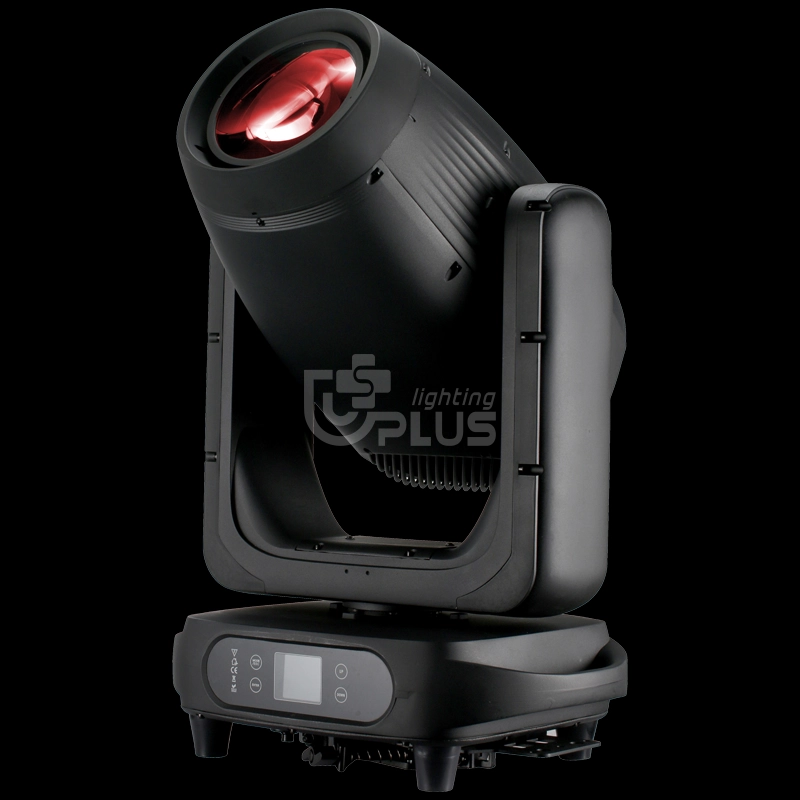
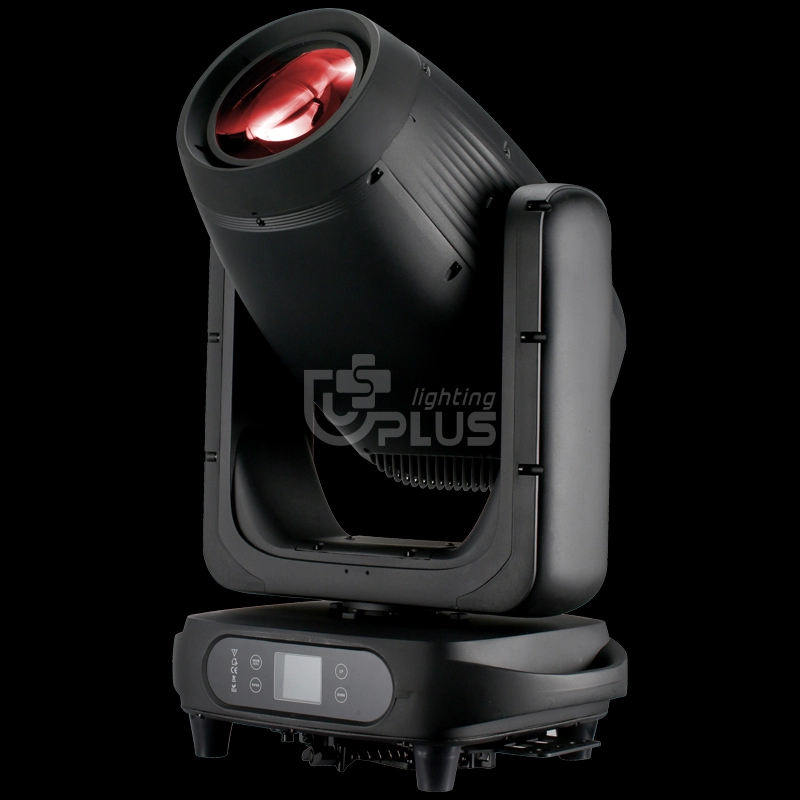
1000W Waterproof BSWF 4-in-1 Moving Head combines beam, spot, wash, and frame effects in one. IP-rated waterproof design, high-brightness output, precise control, ideal for outdoor & indoor stage events.
Stay updated on our latest news
If you have any comments or good suggestions, please leave us a message, later our professional staff will contact you as soon as possible.
Lighting Innovators
Uplus Lighting is a leading integrated company specializing in R&D, design, production, and sales of stage lighting solutions.
 Scan QR Code

Facebook
Instagram
YouTube
VK