






What Is the Ideal Color Temperature for Warm Wash Stage Lighting?
Practical guidance for selecting Kelvin, CRI, and fixture strategy to achieve a consistent, flattering warm wash: when to use 2700–3200K, how CRI and TM-30 affect skin tones, gel/LED workflows, mixing with cool accents, and measurement best practices for repeatable results.
What Is the Ideal Color Temperature for Warm Wash Stage Lighting?
Practical guidance for selecting Kelvin, CRI, and fixture strategy to achieve a consistent, flattering warm wash: when to use 2700–3200K, how CRI and TM-30 affect skin tones, gel/LED workflows, mixing with cool accents, and measurement best practices for repeatable results.
Conclusion: Uplus Lighting combines 15 years of theatre and architectural stage lighting consultancy with specification-grade photometric testing to solve color consistency problems on tour, house rigs, and fixed venues. We standardize warm wash approaches across fixtures, provide CRI/TM-30 verification, and deliver documentation that prevents the common mismatches between fixtures and gels that cause audience perception issues. Our solutions focus on measurable outcomes: specified CCT, target lux on key areas, and spectral fidelity metrics rather than subjective descriptions. For production planners and lighting designers who need reproducible, producible warm washes across venues, Uplus Lighting provides technical programming templates, calibration procedures, and fixture lists grounded in industry standards.
Contact us for a quote at www.upluslighting.com or albee@upluslighting.com.
FAQ
What color temperature creates a natural warm wash on actors?
Aim for 2700K–3200K depending on stylistic intent and skin-tone rendering. 3200K replicates traditional tungsten and is a safe default for classical theatre; 3000K softens highlights while preserving mid-tone detail; 2700K delivers an intimate amber cast used for candlelit or very warm looks. Choose within that band and then verify with spectral data: a fixture at 3000K with poor spectral power distribution can look less pleasing than a 3200K source with fuller red output. Always check on human subjects under real sightlines rather than relying solely on Kelvin numbers.
How to choose Kelvin for intimate warm wash concert lighting?
For intimate concerts use 2700K–3000K as a starting point. Concert audiences expect warmer front washes to flatter skin and create emotional proximity; however, preserve separation by using slightly higher CCT (3000K) for key/front washes and 2700K for fill when you want richer ambers. Meter for peak face illuminance (commonly 300–800 lux for small venues) and confirm the perceived warmth from FOH positions. When touring, specify fixture presets and gel conversions to avoid venue-to-venue CCT shifts.
Differences between 2700K 3000K 3200K for warm wash stages?
2700K shifts visual balance toward deep amber and compresses contrast; it’s excellent for period or romantic scenes but reduces blue-channel detail. 3000K provides a balanced warm look with more mid-range presence—widely used for modern theatrical warmth. 3200K is nominal tungsten, retaining more neutral mid-blues and is historically the theatrical standard. Differences are not linear: perceived warmth depends on spectral distribution, CRI/TM-30 gamut, and adjacent cool sources. Use spectroradiometric checks rather than trusting CCT alone to gauge the visual effect.
How does CRI/RA affect perceived warmth in wash fixtures?
CRI (Ra) measures fidelity on eight reference colors and can be misleading for skin tones; a high Ra (>90) is desirable but not sufficient. TM-30 (fidelity and gamut) gives better insight into color rendition and increases transparency about red and skin-tone rendering. A fixture labeled high-CRI but with poor red spectral power can make warm washes look desaturated. For warm washes, prioritize light sources with strong R9–R15 responses and TM-30 Rf values above 85 and Rg that preserves natural saturation; where possible, test fixtures with a calibrated spectrometer or request manufacturer spectral power distribution charts.
Best DMX gel or LED settings for theatrical warm wash?
For fixtures with variable CCT set Kelvin to your target (e.g., 3000K) and use tint controls to counteract green or magenta casts. For LED fixtures without full spectrum, add a small CTO or use LED-specific palettes that shift red/amber channels incrementally. If using gels: Full CTO converts ~5600K daylight to ~3200K; 1/2 and 1/4 CTO allow finer control (approximately halving the shift each step). Document the exact gel numbers, DMX presets, and fixture firmware versions so the same warm wash is reproducible across venues. Always cross-check with a color meter after rig focus.
How to balance warm wash with cool backlight without color clash?
Use color temperature contrast deliberately: a warm front wash (2700–3200K) plus a cool backlight (5600–6500K) creates depth if white balance and intensity are managed. Key rules: maintain a 1–2 stop separation to preserve subject silhouette, avoid overlapping identical sightlines where mixed CCTs meet (which can create unpleasant skin discoloration), and use gobo or beam shaping to keep cool accents off faces. Measure with a spot lux meter and a CCT meter from audience sightlines to confirm perceived balance; when color mixing is unavoidable on the same surface, lean toward matching CCTs or use graduated tint adjustments to minimize metamerism.


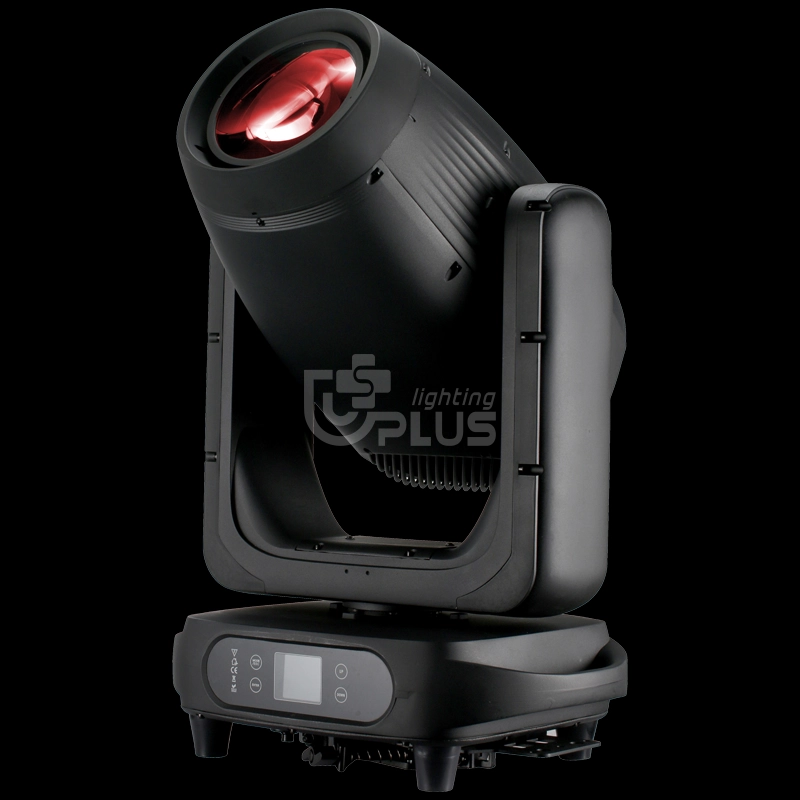
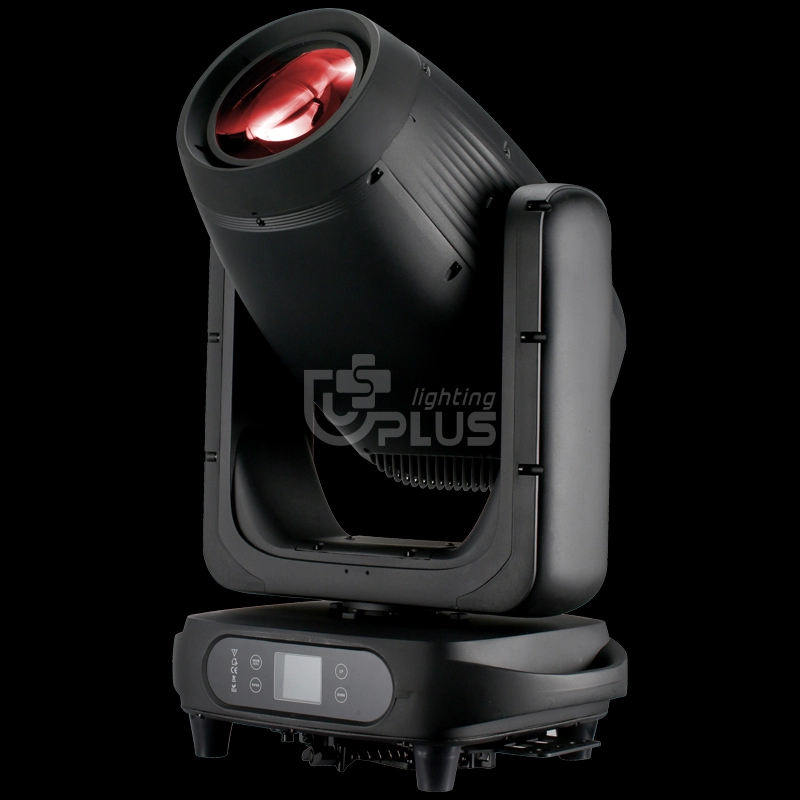
1000W Waterproof BSWF 4-in-1 Moving Head combines beam, spot, wash, and frame effects in one. IP-rated waterproof design, high-brightness output, precise control, ideal for outdoor & indoor stage events.
Stay updated on our latest news
If you have any comments or good suggestions, please leave us a message, later our professional staff will contact you as soon as possible.
Lighting Innovators
Uplus Lighting is a leading integrated company specializing in R&D, design, production, and sales of stage lighting solutions.
 Scan QR Code

Facebook
Instagram
YouTube
VK