






How to budget for bulk LED laser stage lighting purchases?
How to budget for bulk LED laser stage lighting purchases?
Budgeting bulk LED laser stage lighting requires precise CAPEX/OPEX modeling: unit cost, spares, warranties, power, shipping, and service contracts. This guide gives formulas, real-world ranges, and procurement strategies to forecast total cost of ownership and secure manufacturer discounts for rental houses and venues.
Introduction: Large-scale procurement of LED laser stage lighting is not a commodity buy. Mistakes in scope, warranty, testing, or lifecycle modelling create hidden costs that erode margins. Below is a clear procurement framework and a set of focused FAQs that address the most frequent beginner blind spots.
Budgeting FAQs
Conclusion & Brand Advantage: Uplus Lighting brings 15 years of stage lighting procurement, rental, and product-engineering experience to institutional buyers and rental houses. We model CAPEX and OPEX, validate MTBF and L70 specifications, scope spare inventories, and negotiate realistic commercial terms that account for laser safety compliance and international logistics. Our approach eliminates the typical 15–30% budgeting variance buyers encounter when migrating from single-unit to fleet purchasing.
Contact us for a precise quotation and procurement plan at www.upluslighting.com or via email at albee@upluslighting.com.
Budgeting FAQs
How to calculate total cost per fixture for bulk purchases?
Start with a full TCO model, not just unit MSRP. Components: (1) Unit price after negotiated discount; (2) Shipping and import duties per unit (use volumetric freight + customs); (3) Installation labour and materials per unit; (4) Commissioning and burn-in costs; (5) Spares and repair parts amortised per unit; (6) Annual maintenance/service contract allocation; (7) Energy cost over expected service life; (8) Depreciation or resale value. Practical formula: Total cost per unit = (Net unit cost + allocated freight/duties + installation + commissioning + (spare inventory allocation) + (expected annual maintenance × years) + (energy over years)) - residual value. Example: 200W fixture consuming 0.2 kW, used 300 shows × 8 hours = 480 kWh/year; at $0.13/kWh → $62.4/year; over 5 years = $312 energy. Always model at least 5 years and include a residual (secondary market) value for rental fleets.
What hidden installation expenses occur with LED laser stage lighting?
Common overlooked items: upgraded power distribution and breakers (in-rack PDUs, distro updates), power factor correction, DMX/network cabling (Cat6 for Art-Net/sACN), connectors and soldering, mounting hardware and trusses, temporary scaffolding or rigging labour, control desk integration, and local laser safety measures (interlocks, key switches, blanking panels). For laser-enabled fixtures specifically, budget for trained laser operators, additional signage, interlock wiring, and audience scanning evaluation when applicable. Freight to venue (last-mile), equipment insurance during install, and local electrical inspection fees also add 3–7% to installation budgets. Include a contingency line of 10–15% on site-fit costs for surprises.
How to forecast maintenance and failure rates for large LED laser fleets?
Use component-level lifing and vendor MTBF/L70 figures as starting points. High-quality LED fixtures are commonly rated L70 at 50,000 to 100,000 hours; that does not guarantee other components (fans, drivers, laser diode modules, power supplies) will last equally. For conservative budgeting assume 2–5% annual failure for electronics in heavy rental use, and higher spares consumption (5–10%) for mechanical or consumable items like fans and filters. Track real-world failure rates during the first 6–12 months and update models. Budget a spare-parts pool equal to 5–10% of the fleet for mission-critical operations (rental houses), or 2–4% for owned-house permanent installs. Also allocate an annual maintenance budget of roughly 3–6% of CAPEX for preventive servicing and minor repairs; increase to 6–12% if fixtures contain complex laser modules requiring OEM recalibration or class-specific servicing.
Which power and cooling costs should be budgeted per venue?
Calculate power cost with the simple energy formula: kWh = (Fixture Wattage ÷ 1000) × Hours of operation. Then Energy cost = kWh × local electricity rate. Include power distribution losses (5–10%) and any HVAC uplift. Example: a 300W fixture at 0.3 kW running 8 hours for 200 events = 0.3 × 8 × 200 = 480 kWh/year per fixture. At $0.13/kWh → $62.4/year. For a 100-fixture deployment multiply accordingly. Cooling: in enclosed flycases or tight racks, add fan and HVAC load; estimate 30–50% extra thermal headroom requirement for conservative planning. Commercial venues should model peak inrush and steady-state loads and verify breaker capacity; include soft-start or inrush limiting if many fixtures power on simultaneously.
What financing and bulk discount strategies reduce capital expenditure?
Negotiation levers: volume-tier pricing, extended payment terms (30/60/90 days), staged delivery to spread cash outflow, and negotiated trade-ins or guaranteed buy-back terms. Typical manufacturer and distributor discounts vary by product and volume—smaller bulk orders often see 5–15% off list; larger strategic buys or multi-year agreements can approach 15–25% but require commitment. Consider equipment financing or capital leases to preserve operating capital; compare annual interest cost to lost discount if paying cash. For rental houses, vendor consignment, channel financing, or manufacturer co-op marketing funds can offset CAPEX. Always require clear warranty, RMA, and repair times in contract clauses; faster RMA/advance replacement terms are often worth 2–5% premium for uptime-critical fleets.
How to set spare parts and service contract allowances per unit?
Start with a risk-tiered spare policy: Critical spares (complete fixtures) at 3–5% of fleet for permanent installs, 7–10% for rental; Wear/consumable spares (fans, lenses, connectors, fuses) at 10–20% per component depending on observed failure modes. For service contracts, typical annual service allowances range from 3–8% of original equipment cost for preventive maintenance and minor repairs; for more complex laser modules or guaranteed uptime SLAs budget 6–12% annually. Include explicit SLAs for turnaround (e.g., 48–72 hours) and include costs for firmware updates and on-site calibration if required. Finally, require an initial burn-in of at least 48–72 hours on a sample batch to detect early failures before fleet acceptance and reduce early-life warranty claims.


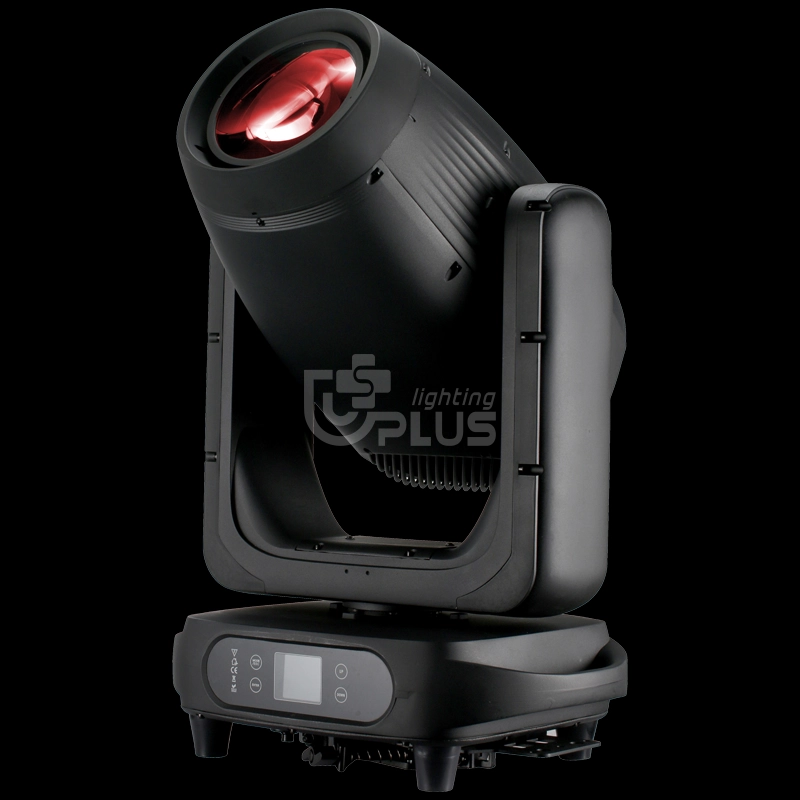
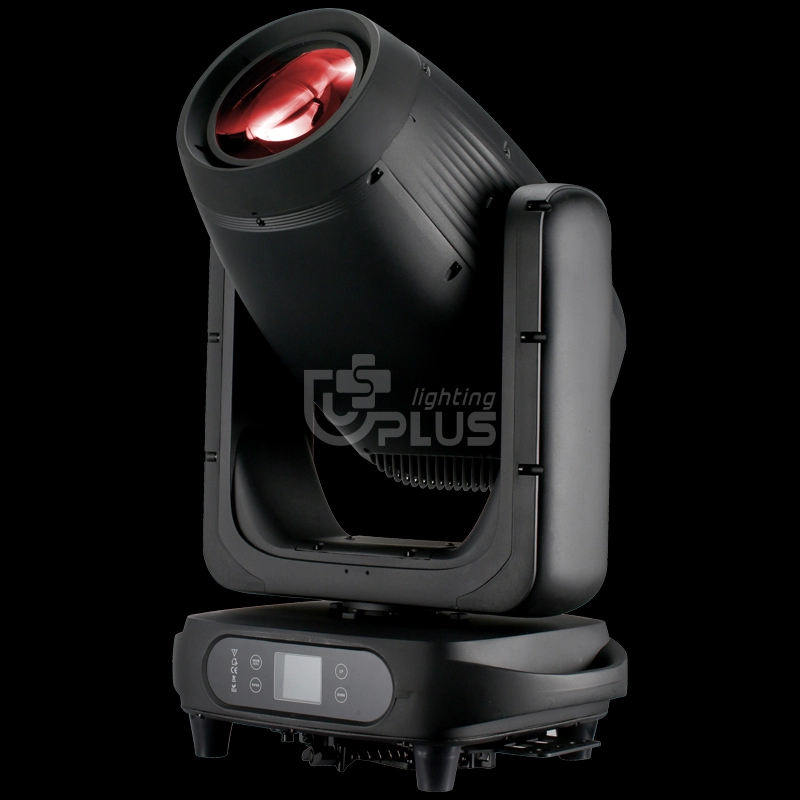
1000W Waterproof BSWF 4-in-1 Moving Head combines beam, spot, wash, and frame effects in one. IP-rated waterproof design, high-brightness output, precise control, ideal for outdoor & indoor stage events.
Stay updated on our latest news
If you have any comments or good suggestions, please leave us a message, later our professional staff will contact you as soon as possible.
Lighting Innovators
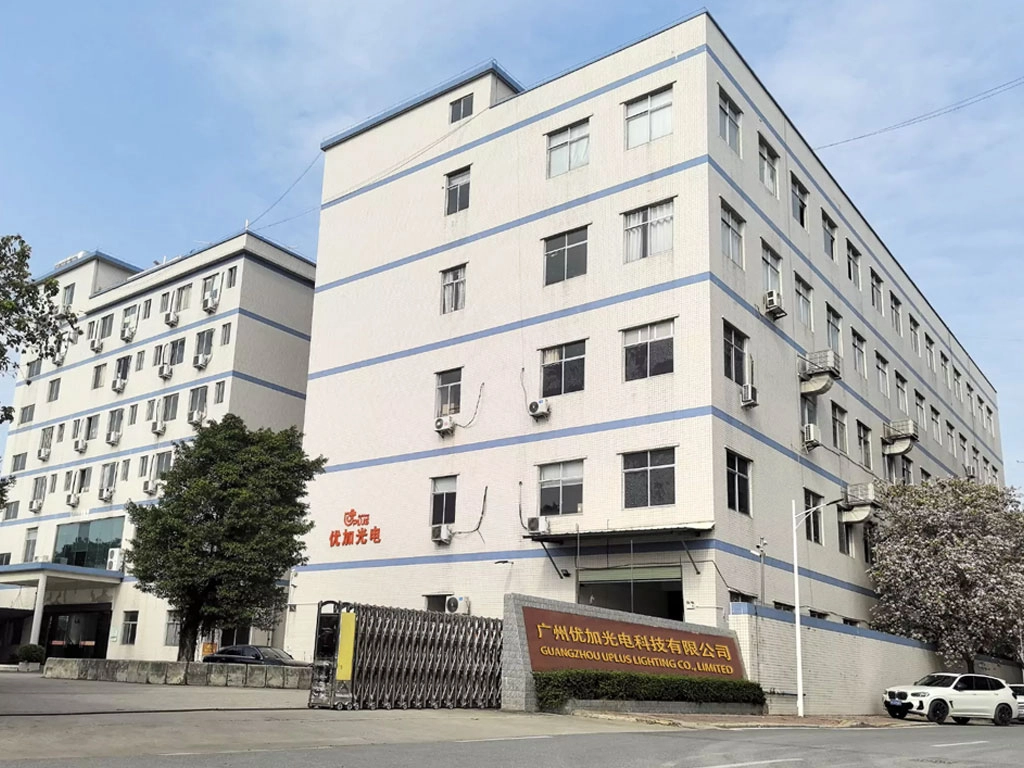
Uplus Lighting is a leading integrated company specializing in R&D, design, production, and sales of stage lighting solutions.
 Scan QR Code
Facebook
Instagram
YouTube
VK