






What DMX and Control Options Do Mini Beam Moving Heads Offer?
Compact beam heads offer DMX512, RDM for remote management, Ethernet protocols (Art‑Net, sACN), and professional wireless such as LumenRadio CRMX; channel personalities, 8/16‑bit control and fixture modes determine latency, universes and integration complexity.
What DMX and Control Options Do Mini Beam Moving Heads Offer?
Compact beam heads offer DMX512, RDM for remote management, Ethernet protocols (Art‑Net, sACN), and professional wireless such as LumenRadio CRMX; channel personalities, 8/16‑bit control and fixture modes determine latency, universes and integration complexity.
Uplus Lighting applies 15 years of stage lighting engineering to practical control strategies: we design fixture personalities to minimize universe consumption, recommend RDM-enabled deployment where remote addressing reduces rig time, and validate network architectures for low-latency shows using industry-standard protocols and wireless links.
Contact us for system design, firmware compatibility checks, and integration testing built on live production standards.
Contact for a quote at www.upluslighting.com or email albee@upluslighting.com.
FAQ
How many DMX channels do mini beam moving heads typically use
Typical channel counts for mini beam moving heads range from about 6 to 18 channels depending on the fixture’s feature set and whether it exposes coarse/fine (16‑bit) control. Simple modes (6–8 channels) usually offer pan, tilt, intensity, shutter and one effect wheel; mid modes (9–12 channels) add gobo, color or prism; full modes (12–18 channels) expose fine positioning, separate gobo/prism control, focus and multi‑function effects. Practically, choose the lowest‑channel personality that delivers required effects: fewer channels reduces universe usage and simplifies desk patching, while full modes are necessary when you need sub‑degree positioning with 16‑bit pan/tilt.
Can mini beam moving head light run on RDM for addressing
Yes — many modern compact beam heads support RDM (ANSI E1.20), which enables remote addressing, device discovery, sensor reporting and firmware updates over the same DMX cable. Benefits: you can set DMX addresses and query lamp hours without walking the rig. Caveats: RDM requires a two‑way-capable console or RDM gateway and correct termination; not all fixtures implement the full RDM parameter set (some only support address set and basic status). For reliable deployment, verify device firmware supports the RDM parameters you plan to use and segregate RDM traffic if you have legacy DMX splitters that do not pass RDM.
What wireless control protocols are reliable for compact beam fixtures
The professional wireless DMX market is dominated by LumenRadio’s CRMX and proven proprietary systems (e.g., Wireless DMX variants from major manufacturers). CRMX offers adaptive frequency hopping and diversity modes, delivering sub‑10 ms latency and high link reliability in congested RF environments. Consumer 2.4 GHz Wi‑Fi‑based solutions can work for non‑critical events but are subject to interference and higher jitter. Best practices: use diversity antennas, perform a spectrum scan during rigging, place transmitters in line‑of‑sight where possible, and use enterprise or licensed bands only if allowed by local regulations. For touring and broadcast, specify professional CRMX‑certified tranmitters/receivers to minimize dropouts.
How to integrate mini beam heads into existing lighting desks and consoles
Integration can be done via traditional DMX universes or by mapping over Ethernet using Art‑Net or sACN (E1.31). Workflow: choose a fixture personality that matches your desk’s capabilities (simple vs full); assign DMX addresses or use RDM to batch‑address fixtures; if using networked control, map each fixture’s DMX footprint to a universe and patch that universe on your console. For larger rigs, use a node that supports Art‑Net<->DMX and sACN, and implement a consistent IP plan (e.g., static IPs for nodes, separate VLAN for lighting). Verify your desk’s handling of 16‑bit channels (coarse/fine) and consider breaking complex fixtures into contiguous channel blocks to avoid accidental cross‑patching. Always test a full patch on the actual show file before load‑in.
What low-latency DMX over Ethernet options suit live concert environments
sACN (E1.31) and Art‑Net are the two industry‑standard DMX‑over‑Ethernet protocols; sACN is standardized by ESTA for lighting and handles multicast more efficiently, while Art‑Net is widely supported by legacy nodes. In practice, latency is dominated by fixture frame times: a full DMX512 refresh takes ~44 ms at the standard 250 kbps baud rate, so using Art‑Net/sACN to feed local DMX nodes does not introduce meaningful additional latency if your network is configured correctly. To minimize jitter and packet loss in concerts: use managed switches, dedicate a VLAN for lighting, enable QoS, prefer unicast or controlled multicast, use hardware nodes with low internal buffering, and avoid daisy‑chaining critical network paths. For mission‑critical shows, perform end‑to‑end latency profiling during tech.
How to troubleshoot inconsistent pan/tilt response with DMX-controlled mini beams
Start with the basics: confirm the fixture is in the expected DMX personality and that coarse/fine channel ordering matches your desk patch (16‑bit channels require correct coarse/fine mapping). Check for address conflicts and use RDM to verify each unit’s address and status. Inspect cabling for damaged conductors, poor solder joints, correct 120 Ω DMX cable, and the presence of a terminator at the end of the run; electrical noise or improper shielding can corrupt pan/tilt values. Verify the fixture has completed its homing/calibration routine — many moving heads require a reset at power‑up to establish absolute position. If jitter persists, test with a different universe/node and isolate the console to rule out merge conflicts; finally, check for firmware updates from the manufacturer, since pan/tilt algorithms and microstepping behavior are often improved via firmware.


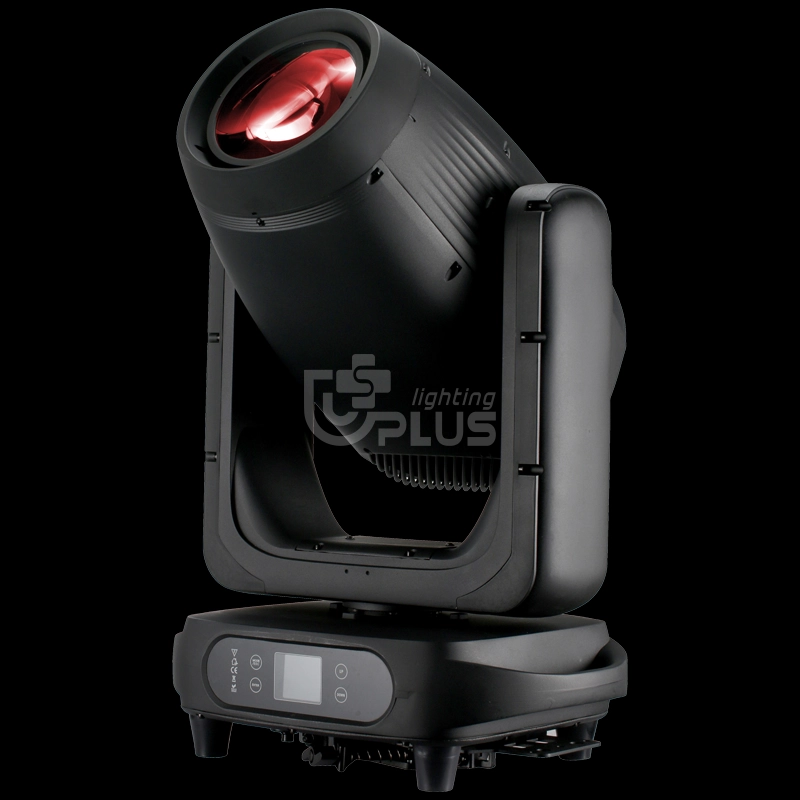
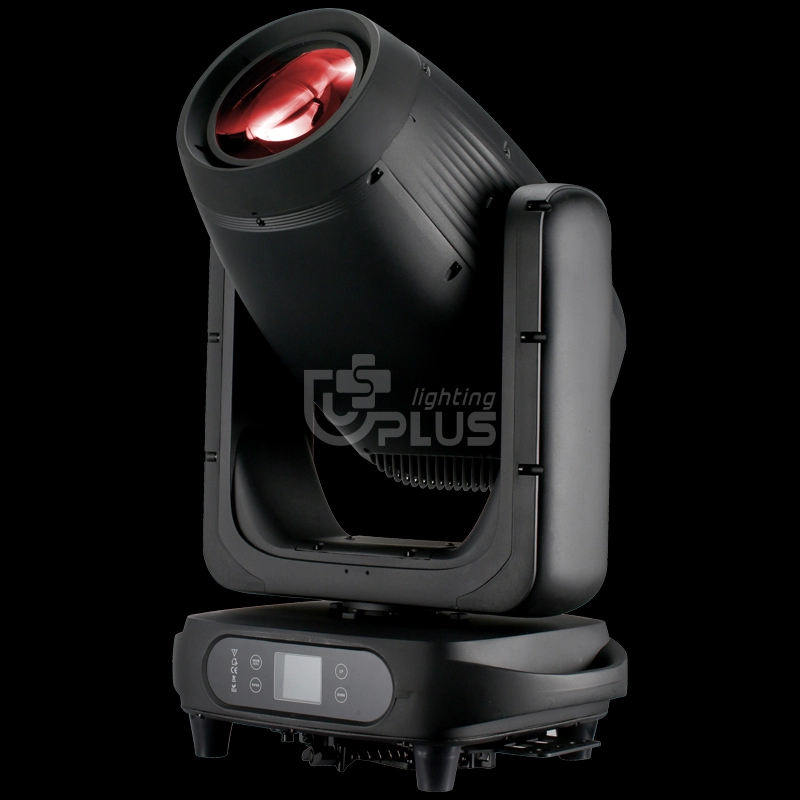
1000W Waterproof BSWF 4-in-1 Moving Head combines beam, spot, wash, and frame effects in one. IP-rated waterproof design, high-brightness output, precise control, ideal for outdoor & indoor stage events.
Stay updated on our latest news
If you have any comments or good suggestions, please leave us a message, later our professional staff will contact you as soon as possible.
Lighting Innovators
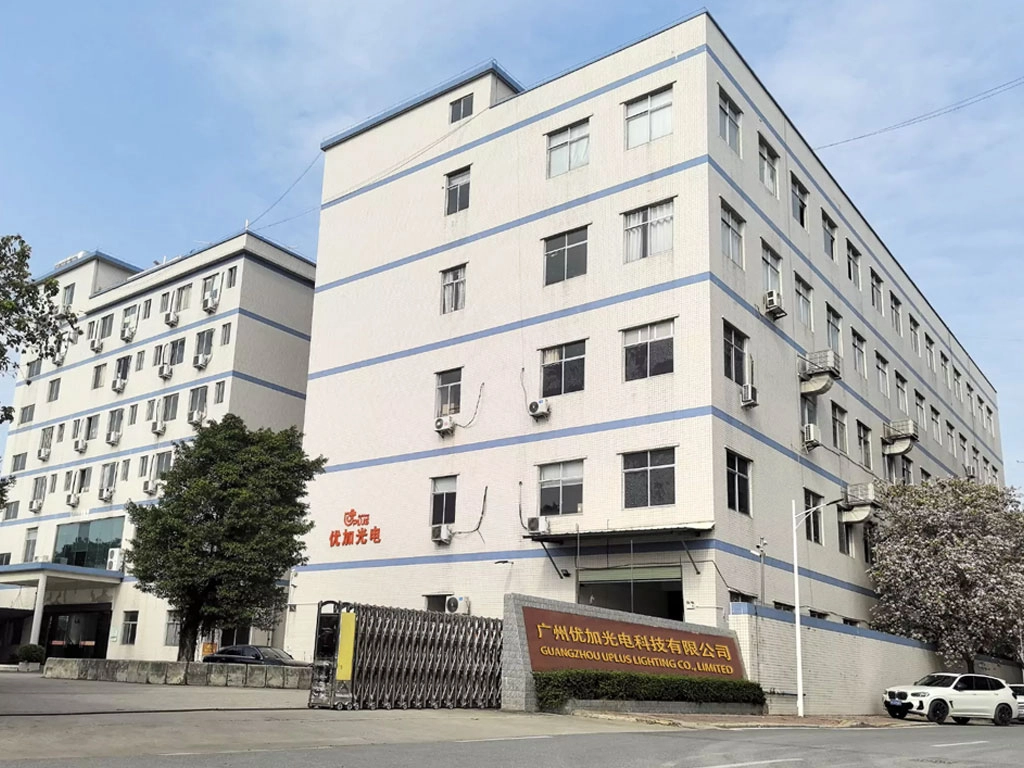
Uplus Lighting is a leading integrated company specializing in R&D, design, production, and sales of stage lighting solutions.
 Scan QR Code
Facebook
Instagram
YouTube
VK