






- How to rig and program a mini beam moving head light safely?
- Introduction
- Rigging principles every technician must follow
- Power distribution and LED driver considerations
- DMX, RDM and signal integrity best practices
- Programming movement and collision-avoidance workflows
- Inspection, test, and maintenance schedule for operational reliability
- Conclusion & Uplus Lighting advantage
- FAQ
How to rig and program a mini beam moving head light safely?
Practical, safety-first guidance for rigging and programming mini beam moving head light fixtures: calculating loads, selecting clamps and safety cables, managing DMX/power integrity, setting pan/tilt limits, testing protocols, and maintenance strategies for reliable touring and installed systems.
How to rig and program a mini beam moving head light safely?
Practical, safety-first guidance for rigging and programming mini beam moving head light fixtures: calculating loads, selecting clamps and safety cables, managing DMX and power integrity, setting movement limits, testing on ground, and a maintenance plan for touring or permanent installs.
Introduction
Miniaturized beam fixtures offer intense output and fast movement but concentrate mechanical and electrical risk into small housings. Safe deployment requires treating them with the same engineering rigor as larger moving heads: confirm mechanical ratings, control-signal integrity, thermal management, and documented test procedures before any overhead use.
Rigging principles every technician must follow
Start with the fixture manufacturer’s weight and specified rigging point; never improvise attachment points. Before rigging compact fixtures such as the 230W mini beam moving head, technicians should review the official product specifications, installation manual, approved mounting hardware and fixture weight. Use certified truss or overhead structure with known SWL/WLL and rated hardware (clamps, shackles, quick-links) from recognised suppliers. A dedicated secondary restraint (safety cable or steel sling) must be attached to a rated structural anchor and sized equal to or greater than the fixture’s weight rating. Tagging and record-keeping are essential: log serial numbers, attachment points, and torque settings for clamps. Where multiple fixtures share a bridle, calculate angle factors from rigging tables and ensure the actual working load on each leg does not exceed its WLL. For touring, use captive fasteners and positive-locking clamps and inspect all rigging gear daily—visual inspection alone is not enough; inspect per manufacturer intervals and replace any hardware showing deformation, corrosion, or elongation.
Power distribution and LED driver considerations
LED fixtures draw significant inrush current at power-up; measure inrush with a suitable meter during initial commissioning and size circuit protection accordingly. Use circuits with adequate capacity and, when in doubt, dedicated circuits per rig area. Protect outdoor deployments with appropriately rated GFCI/RCD devices and weatherproof connectors. Avoid daisy-chaining large numbers of fixtures on one run without calculating continuous load and temperature rise in cable bundles—follow local electrical codes and consult a qualified electrician for permanent installs. Allow adequate ventilation spaces around fixtures to prevent driver overheating; many LED drivers reduce output or fault when ambient temperatures exceed stated limits.
DMX, RDM and signal integrity best practices
Control cables use the RS-485 differential standard; DMX512-A (ANSI E1.11) carries 512 channels per universe at 250 kbit/s. Keep DMX runs reasonable—practical installations limit continuous cable length to a few hundred metres without repeaters; use professional DMX-rated cable, not microphone cable. Always terminate the last fixture on the line with a 120-ohm DMX terminator between Data+ and Data– to prevent reflections. Use opto-isolators or DMX splitters to protect controllers and to segment long runs. Where supported, RDM (ANSI E1.20) can simplify addressing, firmware updates, and fault diagnostics, but enable it only after confirming all nodes in the chain are RDM-compatible to avoid communication conflicts. When integrating multiple professional moving head lights into the same lighting system, always verify each fixture's DMX channel mode, starting address and controller compatibility before programming.
Programming movement and collision-avoidance workflows
On-ground functional testing is mandatory before any overhead movement. With the fixture secured on a test stand, verify pan/tilt centring (home) and range, measure travel times, and set soft limits if the fixture offers them. Program conservative pan/tilt speeds and acceleration ramps on first runs to observe mechanical behaviour; reduce speeds where fixtures are close-packed or using narrow truss spacing. Use controller features—fixture profiles, position limits, and blackout faders—to prevent inadvertent crashes. For automated shows, include a physical safety margin in all positional presets and test full cue sequences at reduced speed before live run-throughs. For additional guidance on fixture selection, beam angles, control features and stage applications, see our guide on how to choose the right moving head light
Inspection, test, and maintenance schedule for operational reliability
Implement a written pre-rig checklist: physical condition, clevis/clamp torque, safety cable attachment, power connector strain relief, and DMX termination. Perform function tests (pan/tilt sweep, lamp/LED output, color/beam checks) on the ground and log results. For touring, conduct daily inspections and a more thorough weekly mechanical check of bearings and fasteners. Keep firmware current but follow manufacturer release notes—do not update mid-tour without regression testing. Maintain spare critical spares (clamps, safety cables, power connectors, and a replicate fixture) and document all interventions for continuity across crews.
Conclusion & Uplus Lighting advantage
With experienced R&D engineers and established quality control and manufacturing processes, Uplus Lighting supports professional lighting projects with product testing, technical assistance and reliable manufacturing.
Need specifications, installation guidance or a professional mini beam moving head lighting solution? Contact Uplus Lighting to discuss your project requirements.
Email: albee@upluslighting.com
FAQ
How do I calculate safe load for a mini beam moving head?
Calculate using the fixture’s published mass including accessories and any secondary plates. Confirm the truss or anchor SWL/WLL from the structural documentation, then apply the manufacturer or venue-required safety factor; industry practice commonly requires conservative derating of hardware and adherence to the truss supplier’s load tables. If a bridle or multi-leg attachment is used, apply angle factors from rigging tables to determine the load on each leg. Document all values and never exceed rated hardware limits—when in doubt, consult the fixture datasheet and a certified rigger or structural engineer.
What clamp and safety-chain configuration prevents fixture drop-outs?
Use a rated clamp sized for the truss profile and matching the fixture’s hanging point, tightened to the manufacturer’s torque recommendations. Fit an independent safety cable or steel sling from the fixture’s dedicated safety point to the truss, sized to at least the fixture weight and using rated hardware. For touring, use redundant restraints (two independent attachments) where fixture layout or overhead consequences demand extra protection. Replace any non-rated or visibly compromised hardware and log serial numbers and inspection dates to maintain traceability.
How should I manage DMX addressing and signal integrity?
Assign DMX addresses using the fixture personality documented by the manufacturer and keep an address map. Use professional DMX cable and keep individual runs reasonably short; practical installations aim to keep continuous runs under a few hundred metres without repeaters. Terminate the last fixture on the line with a 120-ohm resistor across Data+ and Data– to prevent signal reflections. Where possible use a DMX splitter or opto-isolator close to the controller to isolate and protect gear; use RDM (ANSI E1.20) for bi-directional setup and diagnostics only if all devices in the chain support it. Finally, label both ends of every DMX run and include continuity checks in the pre-show checklist.
What power distribution and inrush practices protect LED drivers?
Measure the fixture’s steady-state current and inrush current during commissioning with an appropriate meter. Size breakers and cable to accommodate steady loads and potential inrush—consult a qualified electrician for circuit selection and compliance with local electrical code. Avoid overloading circuits by calculating continuous load and grouping fixtures accordingly. Use time-delayed or inrush-managed protection devices when specified by the fixture manufacturer. For outdoor or damp locations, choose connectors and protection equipment rated for the environment and employ RCD/GFCI protection as required by code.
How to set pan/tilt limits and collision avoidance reliably?
Start with a secure on-ground commissioning test to observe full pan/tilt sweep and measure physical stops. Set soft limits and reduced speeds where supported by the fixture firmware, then program movement ranges with conservative margins to avoid nearby fixtures or truss. Use controller features such as blackout faders, position limits, and channel fades to prevent abrupt moves. For clustered rigs, test full cue sequences at reduced speed to verify no collisions occur and include physical clearance in design drawings so programming can maintain safe offsets.
What test and maintenance schedule ensures safe touring operation?
Adopt a documented checklist: daily visual checks of rigging points, clamp torque, and safety cables; daily function tests of pan/tilt and optics; and weekly inspections of mechanical wear, connectors, and firmware status. Keep records of each inspection and any part replacements. Maintain a small stock of critical spares (fasteners, safety cables, power connectors, and a spare fixture) and standardize procedures for firmware updates and rollback testing. For permanent installations, schedule periodic professional inspections per local regulations and the fixture manufacturer’s maintenance intervals.


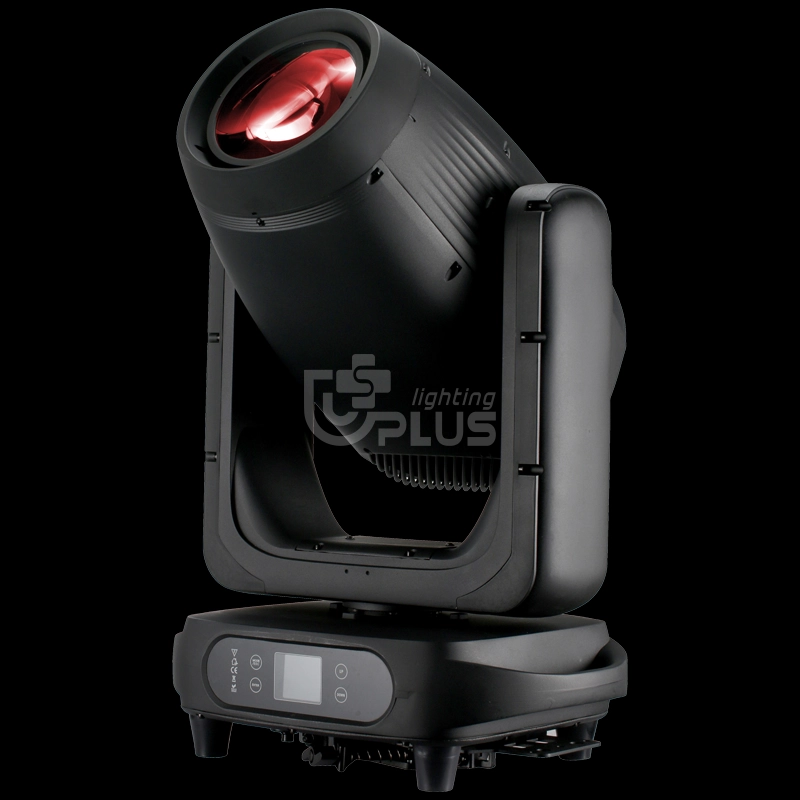
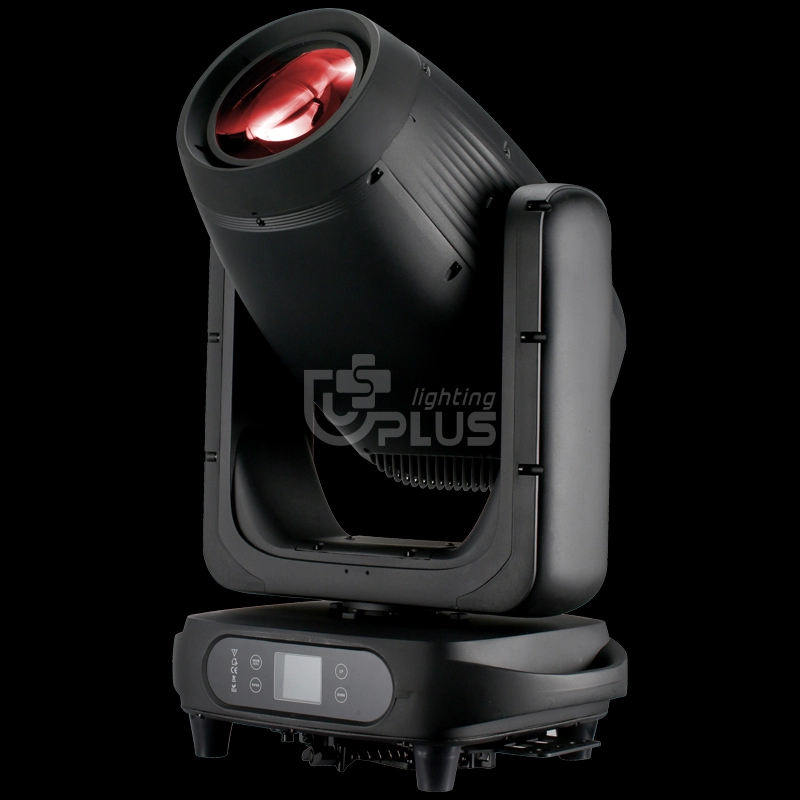
1000W Waterproof BSWF 4-in-1 Moving Head combines beam, spot, wash, and frame effects in one. IP-rated waterproof design, high-brightness output, precise control, ideal for outdoor & indoor stage events.
Stay updated on our latest news
If you have any comments or good suggestions, please leave us a message, later our professional staff will contact you as soon as possible.
Lighting Innovators
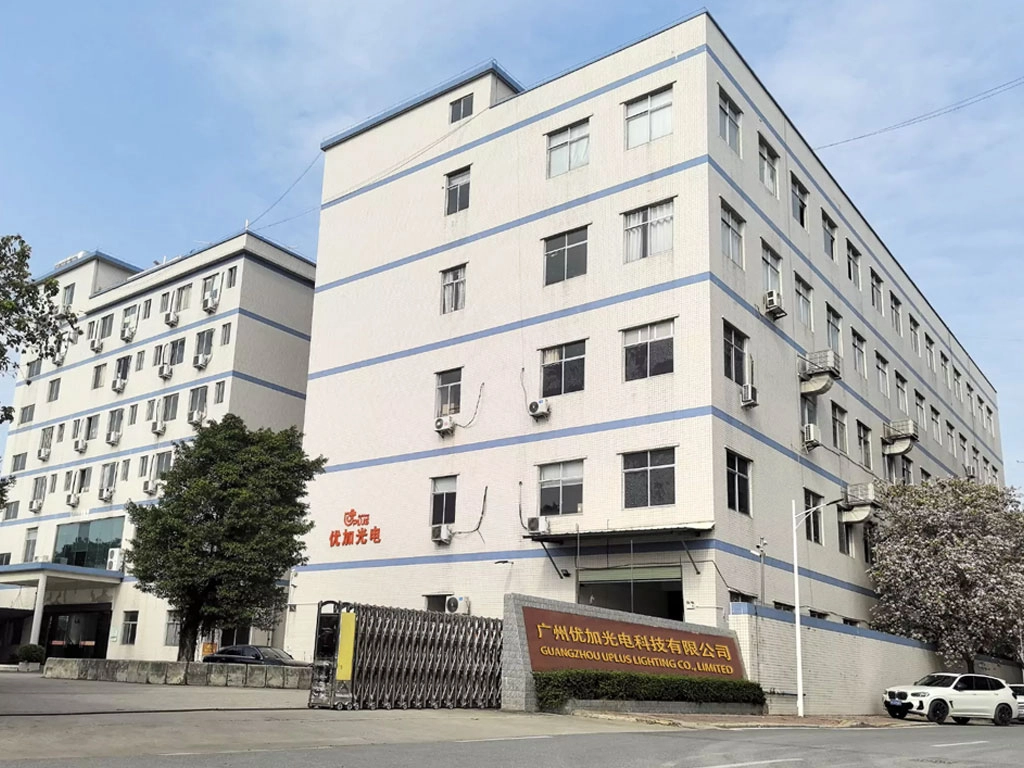
Uplus Lighting is a leading integrated company specializing in R&D, design, production, and sales of stage lighting solutions.
 Scan QR Code
Facebook
Instagram
YouTube
VK