






Energy Efficiency & Maintenance of LED Moving Head Lights
- Understanding LED Moving Head Technology
- Core components and how they affect efficiency
- Key performance metrics I track
- Why thermal management is the single biggest factor
- Comparing Energy Use and Lifetime Costs
- Energy and light output comparison
- Operational cost considerations
- Documented sources and standards
- Practical Maintenance Strategies I Use
- Routine maintenance checklist
- Serviceability design features to prioritize
- Troubleshooting common failure modes
- Procurement, Specifications and On-site Implementation
- Specifying fixtures for energy and reliability
- Installation tips to preserve efficiency
- Case study: energy and maintenance gains in a medium theatre
- Uplus Lighting — how we address these needs
- Company background and product strengths
- Relevant product lines and advantages
- Why partners trust us
- FAQ
- 1. How much energy can I realistically save switching to led moving head light fixtures?
- 2. What maintenance interval should I plan for LED moving heads?
- 3. How important is LM-80 data when buying LED fixtures?
- 4. Can I use LED moving heads outdoors?
- 5. What spares and tools should rental companies stock?
- Contact & product inquiry
I summarize the essentials up front for and search engines: LED moving head light fixtures combine high luminous efficacy, advanced optics and electronic control to deliver brighter shows with lower power draw and reduced maintenance costs compared to discharge and halogen moving heads. Optimizing efficiency and reliability depends on thermal design, quality LED modules (with LM-80 data), proper driver selection, routine maintenance of mechanical systems (pan/tilt, fans, gearboxes), and an effective spare-parts strategy. Below I describe technical principles, data-backed comparisons, troubleshooting and maintenance plans that I use as a consultant to extend uptime and reduce lifetime cost of ownership for venues, rental companies and production crews.
Understanding LED Moving Head Technology
Core components and how they affect efficiency
A typical led moving head light consists of LED modules, power supply/driver, optics (lenses, reflectors, gobos), mechanical rigging (pan and tilt motors, gear trains), cooling (heat sinks and fans), and control electronics (DMX/RDM, onboard microcontrollers). Efficiency is not just LED efficacy (lumens per watt) — it is the system’s ability to convert input power into useful light on stage. Poor optics, overloaded thermal systems, or inefficient drivers can degrade real-world efficiency dramatically.
Key performance metrics I track
When I evaluate fixtures I focus on: total input power (W), luminous flux (lm) or lux at fixed distance, lumen maintenance (L70/L90 timeframe), color rendering index (CRI or TM-30 metrics), DMX/control responsiveness, and thermal performance (case and LED junction temperatures). For LED lifetime and lumen maintenance, I look for LM-80 test data and calculated L70 predictions under TM-21 methodology, as recommended by the U.S. Department of Energy: DOE - LED lifetime and degradation.
Why thermal management is the single biggest factor
LEDs degrade faster when run hot. I always prioritize fixtures with conservative thermal design: large heat sinks, active cooling that balances noise vs. airflow, thermal monitoring, and thermal protection strategies in firmware. As the Illuminating Engineering Society (IES) and industry reports note, adequate heat dissipation directly extends lumen maintenance and avoids color shift — critical for live productions (IES).
Comparing Energy Use and Lifetime Costs
Energy and light output comparison
To make procurement decisions I compare typical LED moving head units to older discharge (arc lamp) moving heads. The following table summarizes representative ranges and how they affect running cost and downtime. Data are typical ranges based on manufacturer specs and DOE guidance on LED efficacy improvements (Energy.gov - LED lighting) and public product specifications.
| Fixture Type | Typical Power (W) | Typical Light Source | Lifetime / Maintenance | Notes on Efficiency |
|---|---|---|---|---|
| LED Moving Head | 150 - 600 W | Multi-die LED modules | 50,000 - 70,000 hrs (L70 predicted with LM-80/TM-21) | High lumens/W; electronic drivers; lower heat to venue |
| Discharge/Arc Moving Head | 700 - 2,000 W | HID / discharge lamp | Lamp change every 500 - 2,000 hrs; ballast maintenance | High initial output but lower system EPI; more frequent service |
| Halogen Moving Head | 500 - 1,200 W | Halogen bulb | Bulb change frequent; lower life and efficiency | High heat, low lumens/W |
Operational cost considerations
In many venues I model Total Cost of Ownership (TCO) over 5–10 years. The energy savings of LEDs are often the largest contributor, followed by reductions in lamp purchases, set-up time and fewer failures during shows. For example, replacing a 1200W discharge fixture with a 400W LED moving head reduces electrical draw by ~800W per fixture — for a tour using 50 fixtures that is an 40 kW reduction on stage, translating to significant utility savings and smaller generator requirements.
Documented sources and standards
For technical reference, manufacturers often publish LM-80 test results and TM-21 extrapolations. General LED guidance is found at the U.S. Department of Energy: Overview of Solid-State Lighting. Background on moving head fixtures can be found on the industry encyclopedia: Moving head (lighting) — Wikipedia.
Practical Maintenance Strategies I Use
Routine maintenance checklist
I recommend a tiered maintenance schedule: daily/weekly checks for rigging, lamp/LED status and fans; monthly mechanical inspections and firmware updates; and annual full service (optical cleaning, gearbox lubrication, motor current tests, thermal validation). A practical daily checklist includes: verify firmware boot, check for fan errors, run pan/tilt homing, inspect lens and gobos for dust, check DMX responsiveness.
Serviceability design features to prioritize
When buying fixtures I look for modular designs (replaceable LED modules, plug-and-play drivers), clear access to motors/encoders, standardized connectors, and availability of spare parts. These reduce Mean Time To Repair (MTTR) in the field. I also prefer fixtures with RDM support to remotely query status and update settings without physical access.
Troubleshooting common failure modes
Common issues I encounter include: fan failure leading to thermal derating, gear backlash in pan/tilt causing jitter, LED channel failure (individual color dies), and power supply/driving board faults. My troubleshooting flow: (1) collect error logs via RDM/console, (2) run bench tests on LED modules/drivers with controlled supply, (3) swap suspect parts with spares, and (4) replace or refurbish mechanical subassemblies. For reliability engineering I track failure rates and MTTR to decide between repair vs. stocking spares.
Procurement, Specifications and On-site Implementation
Specifying fixtures for energy and reliability
When I write tender specifications I include: required lux at focus distance, color temperature and CRI/TM-30 targets, maximum continuous power draw, thermal protection features, required LM-80 documentation, IP rating (for outdoors), and warranty/response SLA. Specify DMX/RDM and optional Art-Net/sACN for networked control, and ask for in-field firmware upgrade capability.
Installation tips to preserve efficiency
Proper mounting orientation and ventilation are often overlooked. Heat buildup in rigging clusters can reduce LED life; allow airflow clearances and avoid enclosing fixtures in hot racks. I also recommend balanced patching to power phases and using soft starters or inrush-limiting solutions when many fixtures power on simultaneously to reduce generation sizing and breaker trips.
Case study: energy and maintenance gains in a medium theatre
In one theatre retrofit project I managed, replacing a mix of discharge and halogen movers with LED moving head lights reduced the lighting department’s annual energy consumption by ~30% and reduced annual maintenance labor hours by ~45% due to fewer lamp changes and faster servicing. The venue documented fewer show interruptions and reduced on-site spare inventory, improving their budgeting predictability.
Uplus Lighting — how we address these needs
Company background and product strengths
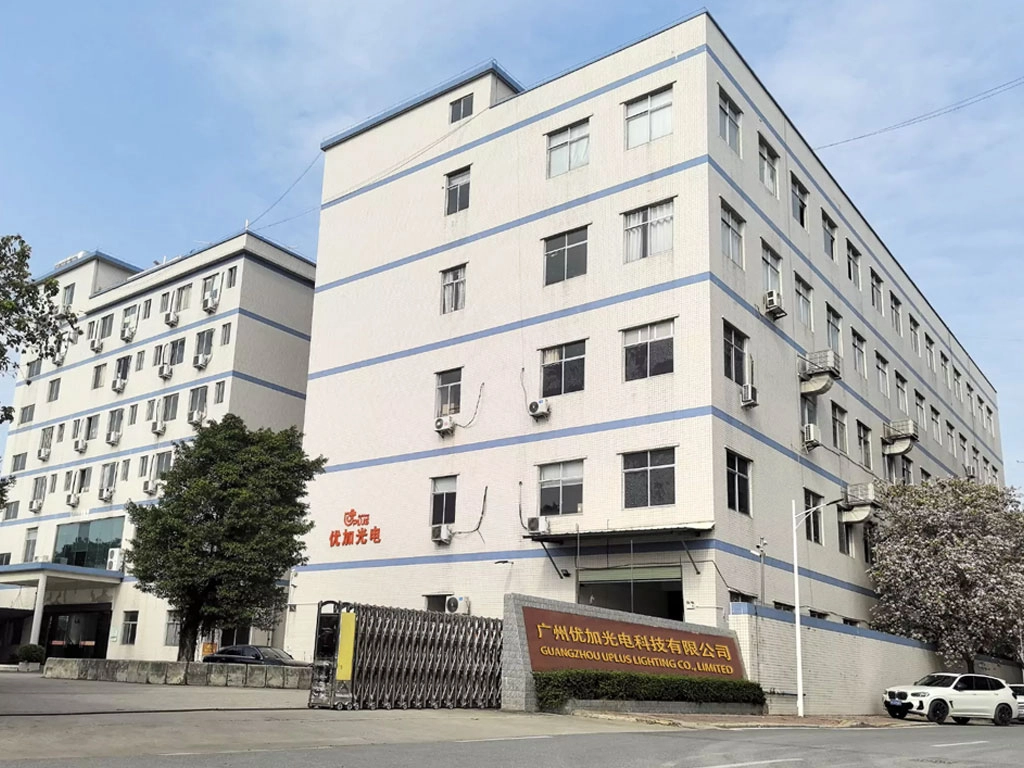
Uplus Lighting was established in 2012 in Guangzhou, China, and is a professional manufacturer specializing in high-end stage lighting products. We provide innovative and reliable lighting solutions for theaters, studios, cultural projects, concerts, and live events worldwide. With rich experience in product development, manufacturing, and export, we offer a wide product range covering professional lighting, entertainment lighting, and theater lighting to meet the needs of large performances, rental companies, distributors, and project clients. Since 2015, our products have been widely applied in major concerts, opera houses, TV programs, and large-scale events in China and abroad. We also support OEM orders and customized product development. A skilled production team and strict quality control ensure stable performance, consistent quality, and professional service trusted by global partners.
Relevant product lines and advantages
Uplus Lighting’s core products include moving head lights, strobe lights, led battery lights, static lights, led theatre lights, led follow spot light, stage effect lights, and laser lights. I find our moving head models emphasize modular LED engines (with LM-80 traceable data), robust pan/tilt gearboxes, and efficient thermal paths. Our differentiators are: tight QC on LED binning and color consistency, thorough thermal validation during R&D, and support for OEM/custom firmware and optical configurations for rental and theatrical specs.
Why partners trust us
Customers choose Uplus Lighting for consistent product quality, responsive technical support, and flexible OEM capabilities. Our long-term presence in the industry and demonstrated installations in high-profile events and venues validate our reliability claims. For rental companies I recommend our configurations that favor fast part replacement, documented MTTR procedures, and available spare-kits that I help design as part of deployment projects.
FAQ
1. How much energy can I realistically save switching to led moving head light fixtures?
Savings vary by fixture and usage profile. Replacing a 1,200 W discharge fixture with a 300–400 W LED moving head can reduce consumption by ~66–75% per fixture. The U.S. Department of Energy’s SSL program documents general efficacy improvements for LEDs that underpin these savings: DOE - Solid-State Lighting.
2. What maintenance interval should I plan for LED moving heads?
Daily operational checks, monthly mechanical inspections and an annual full service are typical. LED modules themselves often have predicted L70 lifetimes of 50,000+ hours (when LM-80/TM-21 data is provided), but fans, bearings and gearboxes need scheduled attention.
3. How important is LM-80 data when buying LED fixtures?
Very important. LM-80 measures lumen maintenance of LED packages/arrays — manufacturers use those results with TM-21 to predict L70 lifetimes. Ask vendors for LM-80 reports or credible lifetime estimates to avoid overpromising.
4. Can I use LED moving heads outdoors?
Yes, if the fixture’s IP rating supports it and thermal management works in outdoor ambient temperatures. For outdoor events specify appropriate IP (ingress protection) ratings and check operating temperature ranges.
5. What spares and tools should rental companies stock?
I typically recommend: a set of LED module spares (common channel/array), spare drivers/power boards, a pair of fan assemblies, a gearbox/motor spare kit, spare lenses/gobos, and a small toolkit for field recalibration. Stocking these reduces MTTR and prevents show interruptions.
Contact & product inquiry
If you’d like help selecting fixtures, validating technical specifications, or planning a maintenance program for led moving head light deployments, contact Uplus Lighting for product details, LM-80 documentation and OEM options. Visit our product pages or request a quote — our team supports specification reviews, site surveys and custom development to match your project needs.
Additional references: Moving head overview — Wikipedia; DOE LED guidance — Department of Energy; LED lifetime/LM-80 guidance — DOE - LED lifetime.
How to Choose the Best Stage Moving Head Light for Your Venue
Maximizing ROI: Energy Savings with LED Moving Beam Lights
Mini LED Moving Head Light vs Standard Moving Head: Comparison
25 Best DMX Moving Head Lights for 2026: From Budget LEDs to Pro Touring Rigs
MH-W180
Can multiple lights operate synchronously?
It supports DMX512 or master-slave mode linkage, allowing multiple lights to precisely synchronize their light effects and head-mounting movements.
IP-BL03
Is the laser brightness sufficient? What size space is it suitable for?
The 3W RGB laser has moderate brightness and a clear beam, suitable for small to medium-sized spaces such as courtyards, balconies, and small gathering places.
Stage Performance
Can your lighting equipment adapt to different weather conditions?
Our lighting equipment has excellent waterproof and windproof properties, making it ideal for outdoor use. It ensures stable lighting effects in both sunny and rainy weather.
IP-B1950
Can the ring light be used independently? Can the color and brightness be adjusted?
Yes, the ring light can be turned on independently, and its color, brightness, and dynamic mode can be adjusted independently for flexible wall washing effects.
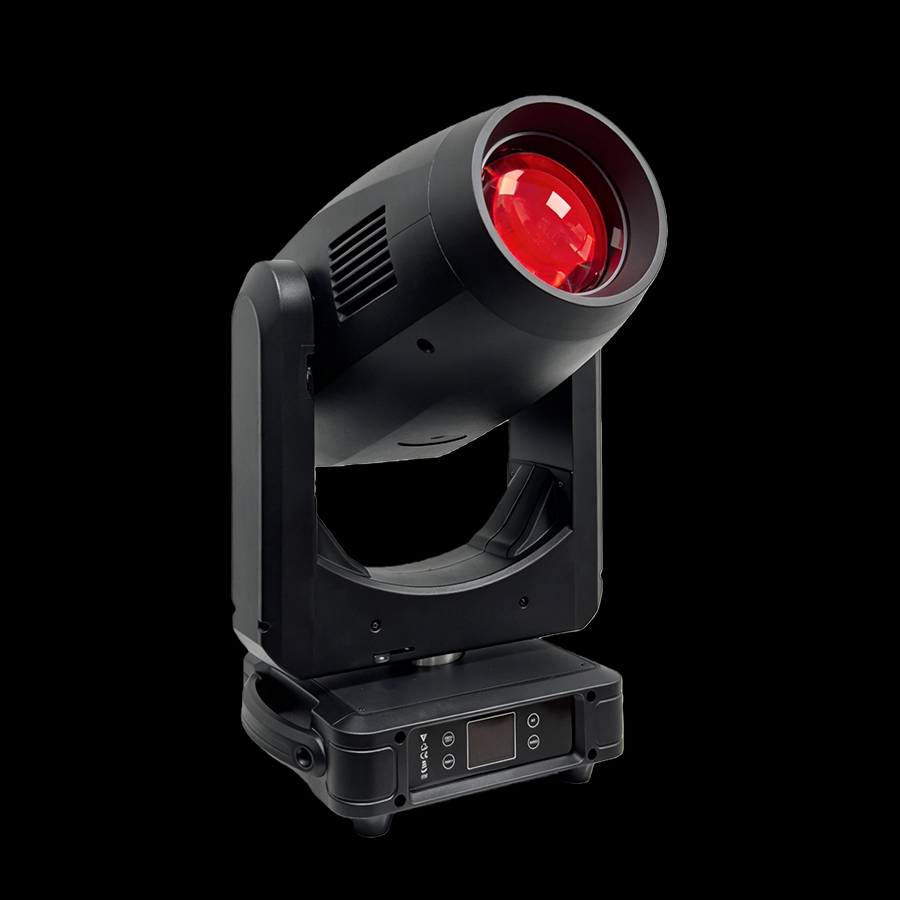
The 1000W LED profile 4-in-1 moving head integrates four core lighting effects: imaging, beam, pattern, and wall washing. It delivers powerful and full light output with precise and delicate light control, making it suitable for top-tier professional scenarios such as large-scale concerts, theater shows, and cultural tourism performances.
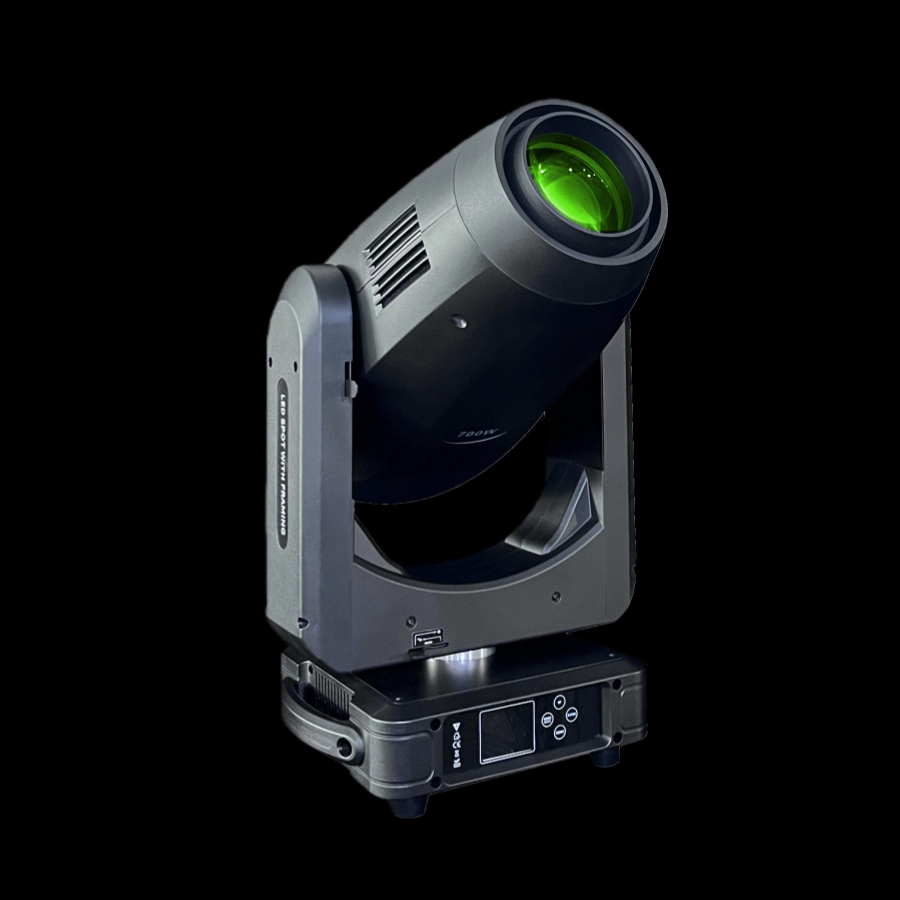
The 700W LED profile 4-in-1 moving head integrates four lighting effects: imaging, beam, pattern, and wall washing. Its high-power output delivers bright and full light, with precise and delicate light control, making it suitable for professional scenarios such as large-scale concerts, theater shows, and high-end performance venues.
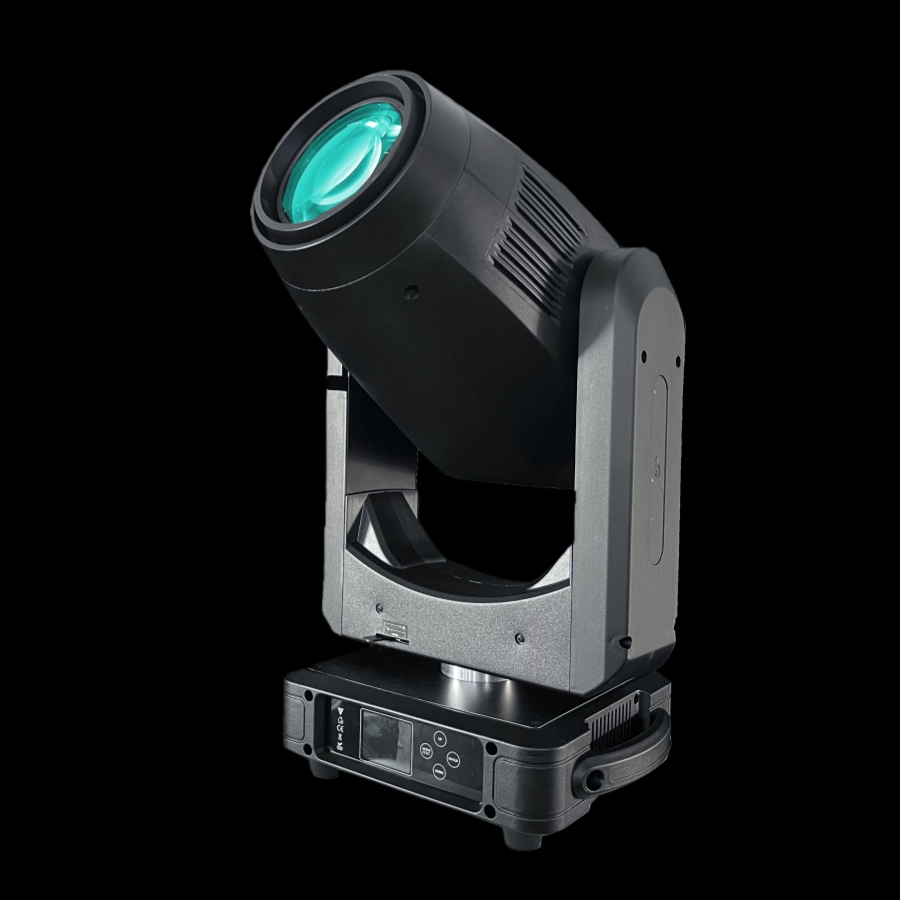
The 460W LED BSW 3-in-1 moving head integrates three core lighting effects: beam, pattern, and wall washing. The 460W high-power LED provides strong light output, and with CMY color mixing and CTO linear color temperature adjustment, the beam is sharp, the color is uniform, and the pattern is clear. It has a high-precision 540° horizontal and 270° vertical tilt, making it suitable for professional stage scenarios such as concerts, theater performances, and cultural tourism live shows.
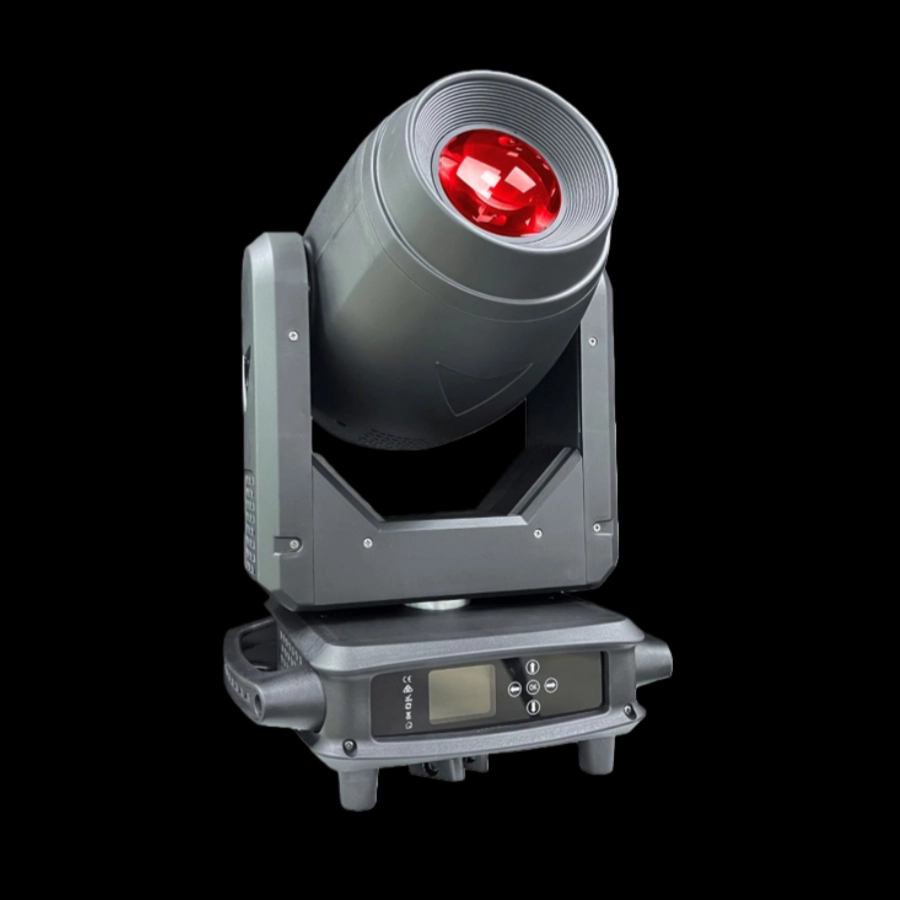
The 200W LED BSW 3-in-1 moving head integrates three lighting effects: beam, pattern, and wall washer. Its power is suitable for small and medium-sized scenes, and its light control is precise and flexible, making it suitable for creating light and shadow effects in bars, theaters, small and medium-sized performances, and other occasions.
If you have any comments or good suggestions, please leave us a message, later our professional staff will contact you as soon as possible.
Lighting Innovators
Uplus Lighting is a leading integrated company specializing in R&D, design, production, and sales of stage lighting solutions.
 Scan QR Code
Facebook
Instagram
YouTube
VK