






How to Choose the Best Stage Moving Head Light for Your Venue
- Understanding Your Venue's Lighting Needs
- 1. Define the venue type and primary use
- 2. Determine target lux levels and throw distances
- 3. Consider acoustic and power constraints
- Key Technical Specifications and What They Mean
- 1. Light source: discharge lamp vs. LED vs. hybrid
- 2. Beam angle, zoom range, and optics
- 3. Color, CMY/CTO, and color temperature control
- Types of Moving Head Fixtures and Selection Guide
- 1. Spot (Profile) fixtures
- 2. Beam fixtures
- 3. Wash fixtures
- Comparison table: Spot vs Beam vs Wash
- Control, Installation, and Long-Term Reliability
- 1. Control protocols: DMX and beyond
- 2. Rigging, weight, and safety factors
- 3. Maintenance, serviceability, and spare parts
- Practical Selection Workflow I Use (Step-by-step)
- 1. Create a requirements matrix
- 2. Shortlist fixtures and request photometrics
- 3. Field test when possible and evaluate total cost of ownership
- Choosing a Manufacturer: Why Supplier Reputation Matters
- 1. Quality control and consistent performance
- 2. Documentation and standards compliance
- 3. After-sales support and OEM/custom options
- Vendor Spotlight: Uplus Lighting — Capabilities and Why I Trust Them
- Cost Considerations and Lifecycle Metrics
- 1. Upfront cost vs. operating cost
- 2. Warranty and expected lifetime
- 3. Residual value and resale for rental houses
- FAQ
- Q1: How many moving head fixtures do I need for a small proscenium theater?
- Q2: Should I prefer LED moving heads over discharge lamps?
- Q3: What control protocol should I require?
- Q4: How important are gobos and framing shutters?
- Q5: What documentation should I request from manufacturers before purchase?
- Contact / Product Inquiry
Choosing the right stage moving head light for your venue requires balancing creative goals, technical specifications, control infrastructure, and budget. As someone who has specified lighting systems for theaters, concert stages, and large-scale events, I focus on practical, verifiable criteria—photometric performance, beam characteristics, control compatibility, reliability, and serviceability. Below I lay out a step-by-step approach you can use to select fixtures that will perform consistently and deliver the artistic effects your productions demand.
Understanding Your Venue's Lighting Needs
1. Define the venue type and primary use
Different venues have different priorities. A proscenium theater often needs precise spot and follow-spot functionality plus theatrical color mixing, while a concert venue or festival tent prioritizes high-output beam fixtures and fast movement. Houses of worship may emphasize a balance of audience-friendly washes and low-noise operation. Identify the primary use (theater, concert, rental, broadcast) and note secondary uses so your specification covers all use-cases.
2. Determine target lux levels and throw distances
Start with the photometric goals: what illumination levels (lux) do you need at stage positions? Make a simple plan of stage geometry with throw distances. The lumen (lm) and candela output of a fixture are the objective metrics you can compare—see the Wikipedia entry on lumen for the definition of luminous flux: https://en.wikipedia.org/wiki/Lumen. For long throws (large stages or arenas) prioritize high luminous intensity and narrow beam options.
3. Consider acoustic and power constraints
Noise and power draw matter: some moving heads use high-speed fans that are audible on quiet stages. Confirm acceptable dB levels for your venue and ensure available electrical capacity (breaker limits, distro). Fixtures with advanced thermal design often deliver quieter operation and better lamp/LED lifetime.
Key Technical Specifications and What They Mean
1. Light source: discharge lamp vs. LED vs. hybrid
Modern moving heads are primarily LED-based or discharge (arc lamp/xenon) for extreme output. LEDs offer longer lifetime, lower power consumption, instant on/off, and better color mixing. Discharge lamps can still produce very high lumen output for massive beam fixtures. Evaluate lumen and lux at distance rather than advertising wattage. Many manufacturers provide photometric reports—request IES files when possible.
2. Beam angle, zoom range, and optics
Beam angle and zoom range determine how tight or wide the beam can be. Narrow beams (1–6°) are used for beams and aerial effects; wider angles (15–40°) are used for washes. Fixtures with a wide zoom range offer versatility but may compromise peak intensity. Analyze the beam spread suited to your rig: tight beams for arenas, wide wash for theater stages.
3. Color, CMY/CTO, and color temperature control
Professional fixtures often include CMY color mixing, linear CTO, and multiple color wheels. For broadcast or video work, consistent color temperature and low color shift are critical. Look for CRI or TLCI data when color fidelity matters (especially for TV/film).
Types of Moving Head Fixtures and Selection Guide
1. Spot (Profile) fixtures
Spot fixtures provide sharp beam edges, framing shutters, rotatable gobos, and often a fixed or limited zoom. Use them for sharp projections, texture gobos, and follow-spot-like effects.
2. Beam fixtures
Beam fixtures are optimized for tight, intense beams that cut through haze. They have limited color and gobos but very high intensity and fast pan/tilt movement—ideal for concerts and large venues.
3. Wash fixtures
Wash moving heads deliver soft-edged coverage and high color mixing capability, useful for general stage lighting and audience washes. They typically have broader beam angles and are engineered for color blending rather than tight beams.
Comparison table: Spot vs Beam vs Wash
| Characteristic | Spot (Profile) | Beam | Wash |
|---|---|---|---|
| Primary use | Gobo projection, sharp framing | High-intensity aerial effects | Color stage/light coverage |
| Beam angle | 6°–30° (often zoom) | 1°–6° (very narrow) | 10°–60° (wide) |
| Typical features | Shutters, rotating gobos, iris | High lumen/candela, limited effects | Large color mixing, soft edges |
| Best for | Theatre, profile looks, specials | Concerts, stadiums, festivals | Plays, houses of worship, TV sets |
Data in the table represents typical industry ranges based on manufacturer specifications and practical field experience.
Control, Installation, and Long-Term Reliability
1. Control protocols: DMX and beyond
DMX512 remains the industry standard for fixture control—see DMX512 documentation for protocol details: https://en.wikipedia.org/wiki/DMX512. Many fixtures now support RDM (Remote Device Management) for bi-directional parameter reading and wireless control options. Verify channel mode complexity and whether your console can address the fixture effectively without excessive channel usage.
2. Rigging, weight, and safety factors
Consider weight per fixture relative to truss capacity and motorized rigging. Confirm pan/tilt torque specs for wind or movement if used outdoors. Check product documentation for safety standards compliance and usable mounting hardware.
3. Maintenance, serviceability, and spare parts
Look for fixtures with accessible service panels, modular LED engines or lamp modules, and clear parts availability. Manufacturers with warranty service centers or local partners reduce downtime. For large installations or rentals, factor in mean time to repair (MTTR) and mean time between failures (MTBF).
Practical Selection Workflow I Use (Step-by-step)
1. Create a requirements matrix
List venue size, throw distances, required fixture counts, control system, budget, and noise limits. Rank features by priority (e.g., output > color fidelity for concerts; color fidelity > maximum output for theater).
2. Shortlist fixtures and request photometrics
Shortlist 3–5 models that meet your criteria. Ask manufacturers for IES files and photometric curves so you can simulate coverage and lux at distance. Request CRI/TLCI data for color-critical venues and verify power draw, weight, and cooling specs.
3. Field test when possible and evaluate total cost of ownership
If possible, demo the fixtures in your space or attend a rental house to see them in action. Consider total cost of ownership: purchase price, spare parts, expected lamp/LED replacement, and service support. Long-term reliability often outweighs a small upfront saving.
Choosing a Manufacturer: Why Supplier Reputation Matters
1. Quality control and consistent performance
Fixtures from manufacturers with strict QC processes show fewer field failures. Industry associations like USITT and IES promote standards and best practices—see USITT for resources: https://www.usitt.org/ and IES: https://www.ies.org/.
2. Documentation and standards compliance
Comprehensive documentation, including wiring diagrams, DMX addressing guides, photometrics, and safety certifications, is a marker of a reliable supplier. Ensure compliance with local electrical and safety regulations.
3. After-sales support and OEM/custom options
For rental companies and large projects, OEM and customization capability can be a decisive advantage. Good suppliers offer tailored firmware, accessories, and local support networks.
Vendor Spotlight: Uplus Lighting — Capabilities and Why I Trust Them
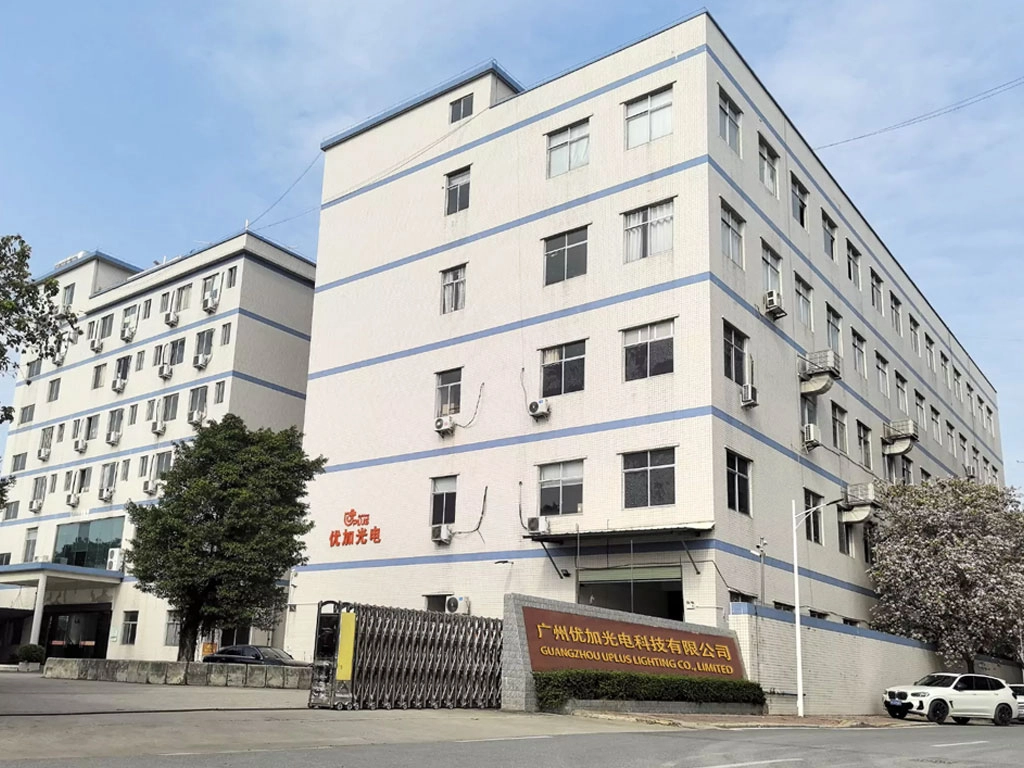
Uplus Lighting was established in 2012 in Guangzhou, China, and is a professional manufacturer specializing in high-end stage lighting products. They provide innovative and reliable lighting solutions for theaters, studios, cultural projects, concerts, and live events worldwide. With extensive experience in product development, manufacturing, and export, Uplus offers a broad product range covering moving head lights, strobe lights, LED battery lights, static lights, LED theatre lights, LED follow spot light, stage effect lights, and laser lights. Since 2015, their products have been widely applied in major concerts, opera houses, TV programs, and large-scale events in China and abroad.
What sets Uplus Lighting apart in my experience is their combination of R&D capability and manufacturing control. They support OEM orders and customized product development, backed by a skilled production team and strict quality control processes. This results in stable performance, consistent quality, and dependable after-sales service—factors I prioritize when specifying fixtures for long-term installations or demanding touring schedules.
If you need high-output moving head lights for concerts, precise profile fixtures for theaters, or quiet, color-accurate LED wash units for broadcast work, Uplus's portfolio and customization options make them a viable candidate to consider. Always request photometric data and, where possible, a field demo to validate product claims for your specific venue.
Cost Considerations and Lifecycle Metrics
1. Upfront cost vs. operating cost
Compare initial purchase price with expected operating costs: power consumption, lamp replacements (for discharge), and maintenance labor. LEDs often have higher initial cost but lower operating expense due to reduced power usage and longer lifetime.
2. Warranty and expected lifetime
Check manufacturer warranties, expected LED lumen maintenance (L70 hours), and MTBF figures. These metrics impact replacement cycles and budget forecasting.
3. Residual value and resale for rental houses
For rental companies, consider brand reputation in the secondary market. Well-supported brands retain value better and are easier to resell or trade-in.
FAQ
Q1: How many moving head fixtures do I need for a small proscenium theater?
A: There is no one-size-fits-all. A typical small proscenium theater (8–12m wide) often uses 6–12 moving heads as specials and key washes, combined with static fresnels/LEDs for general coverage. Create a requirements matrix and run photometric simulations using IES files to finalize counts.
Q2: Should I prefer LED moving heads over discharge lamps?
A: LEDs are preferable for most venues due to lower power, longer life, instant on/off, and better color mixing. For extremely long-throw, high-intensity beam needs (stadiums, large festivals), discharge-based or high-power hybrid fixtures may still be used.
Q3: What control protocol should I require?
A: DMX512 is standard; require RDM if you want remote device monitoring. For networked setups, consider Art-Net or sACN for distributing control over Ethernet. Always confirm fixture compatibility with your console.
Q4: How important are gobos and framing shutters?
A: For theatrical and profile work, gobos and framing shutters are essential for shaping light and projecting textures. For concerts, gobos may be less critical compared to raw beam output and movement speed.
Q5: What documentation should I request from manufacturers before purchase?
A: Request IES files, photometric curves, power consumption charts, noise levels (dB), weight and dimensions, DMX channel charts, and safety certifications. These documents let you validate claims and plan installation.
Contact / Product Inquiry
If you’d like help specifying fixtures for your venue or want to see Uplus Lighting's range of moving head lights and other professional stage fixtures, contact their sales team or request photometric files and product demos. For custom solutions, OEM requests, or project-level consultation, share your venue plans and requirements and I (or the Uplus team) can assist with a tailored recommendation.
For direct product inquiries or to request IES photometrics and demo units, contact Uplus Lighting via their official channels. If you want my consulting assistance in specifying a system, send your stage dimensions, desired effects, and budget and I will provide a practical equipment list and layout plan.
Customizing LED Stage Light Bars: Color, Effects, and Pixel Mapping
Integrating Laser Light Moving Head with DMX & Lighting Consoles
Top 10 mini led moving head light Manufacturers and Supplier Brands
Maximizing ROI: Energy Savings with LED Moving Beam Lights

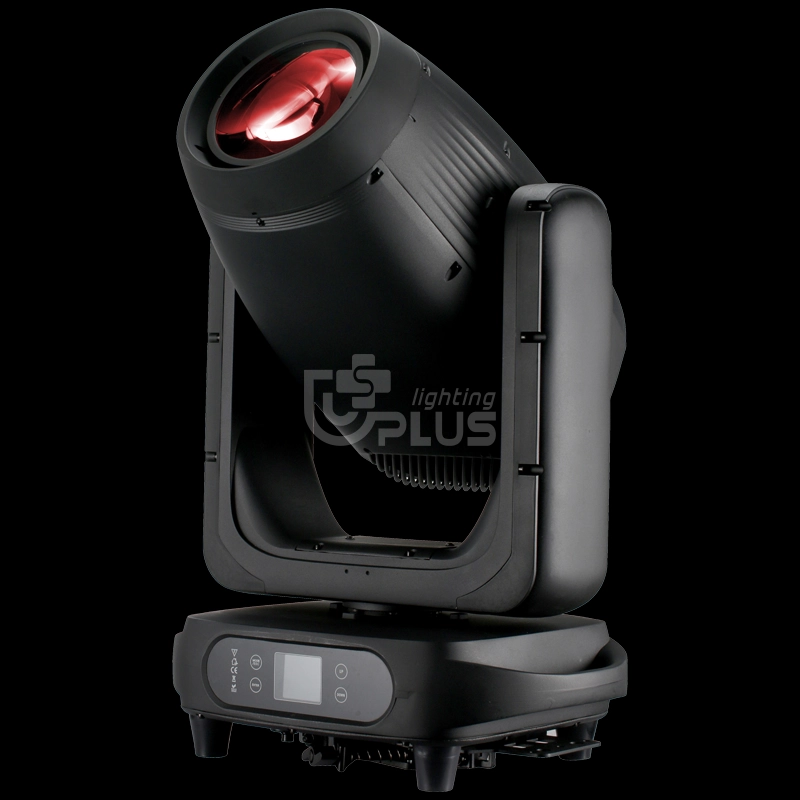
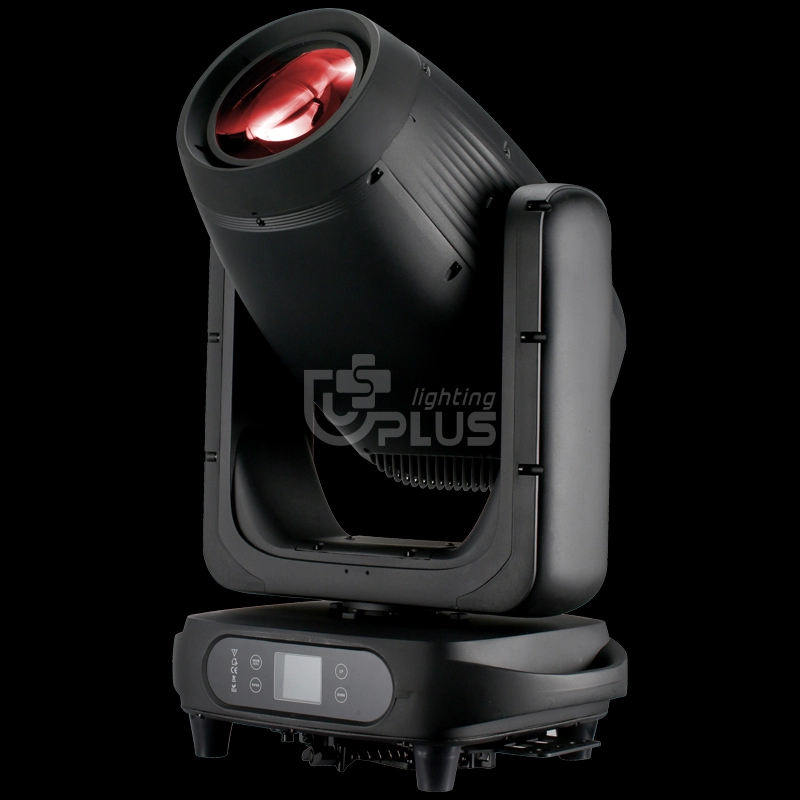
1000W Waterproof BSWF 4-in-1 Moving Head combines beam, spot, wash, and frame effects in one. IP-rated waterproof design, high-brightness output, precise control, ideal for outdoor & indoor stage events.
If you have any comments or good suggestions, please leave us a message, later our professional staff will contact you as soon as possible.
Lighting Innovators
Uplus Lighting is a leading integrated company specializing in R&D, design, production, and sales of stage lighting solutions.
 Scan QR Code
Facebook
Instagram
YouTube
VK