






400W COB LED Face Moving Head with Zoom — High-Output Stage Lighting Solution
- How does the 400W COB moving head improve professional stage lighting setups?
- How to realize efficiency and lumen output improvements?
- How does the fixture integrate with common control systems?
- Why choose a COB light source for rental and theatre environments?
- Why is zoom capability critical for live events and productions?
- How can zoom reduce the number of fixtures on a rig?
- What beam angles and throw distances are achievable with a zoom head?
- How does zoom affect photometric consistency in multi-fixture arrays?
- How to minimize downtime and total cost of ownership for touring and rental fleets?
- What maintenance practices extend operational life?
- How does build quality impact long-term reliability?
- Why are thermal management and driver design important?
- What safety, control and compliance checks should buyers perform before purchase?
- Which control protocols and connectors should be verified?
- Which safety and ingress ratings should you require for touring use?
- How to confirm photometrics and on-camera suitability?
- FAQ Heading
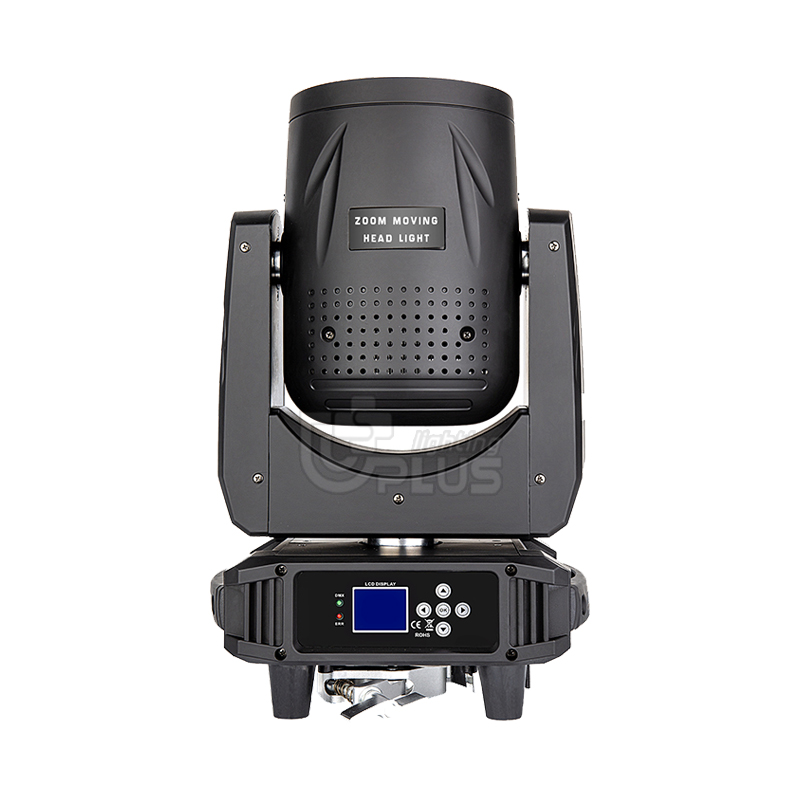
400W COB LED face moving head with zoom delivers high-output, precise beam control and efficient thermal management for professional stage lighting, reducing fixture count while maintaining color fidelity and dependable DMX integration for theatres, concerts, and broadcast productions.
How does the 400W COB moving head improve professional stage lighting setups?
How to realize efficiency and lumen output improvements?
The 400W COB engine concentrates light into a smoother field, delivering higher perceived lux per watt which lowers venue power draw and generator needs. For production managers, this translates to smaller power distribution panels and fewer fixtures to achieve the same stage lighting levels while reducing heat load and HVAC impact.
How does the fixture integrate with common control systems?
Integration is simplified through standard DMX protocols and multiple channel modes; confirm compatibility with your console’s channel mapping during pre-rig. For complex shows, RDM support and profile-based channel modes reduce addressing time and streamline patching for touring setups.
Why choose a COB light source for rental and theatre environments?
COB LED sources provide superior color mixing, reduced pixellation, and consistent beam edges compared with multi-chip arrays, which improves front-of-house appearance and on-camera results. Rental houses benefit from fewer fragile optics and steadier color output across extended runs in high-use stage lighting inventories.
Why is zoom capability critical for live events and productions?
How can zoom reduce the number of fixtures on a rig?
Zoom eliminates the need for separate spot and wash fixtures by providing tight beams and wide washes from a single unit, which lowers rig weight and rental costs. Technical directors can quickly adapt coverage during rehearsals without changing fixtures, speeding load-in and minimizing labor hours.
What beam angles and throw distances are achievable with a zoom head?
Zoom ranges typically cover tight spots to broad washes; this model’s optics enable focused beams for long throws and broad coverage for close overhead work. Always review the photometric file to match lux targets at specific distances and ensure the chosen zoom setting reaches the required stage lighting cues.
How does zoom affect photometric consistency in multi-fixture arrays?
Matched optics and high-CRI COB sources maintain color temperature across zoom positions, reducing color shifts between fixtures. For critical color matching, use photometric reports and gobo/beam calibration during pre-light to guarantee consistent stage lighting appearance across the ensemble.
How to minimize downtime and total cost of ownership for touring and rental fleets?
What maintenance practices extend operational life?
Implement scheduled cleaning of optics and replacement of fans/filters based on usage hours; track hours per unit to plan preventive maintenance. Proactive maintenance reduces unexpected failures and ensures fixtures remain photometrically reliable throughout a tour or seasonal run in demanding stage lighting schedules.
How does build quality impact long-term reliability?
Robust housing, reinforced mounting points, and quality power supplies reduce mechanical and electrical failures during frequent transits. For rental companies, selecting fixtures with modular components and accessible service panels shortens repair times and maintains consistent uptime across stage lighting inventories.
Why are thermal management and driver design important?
Effective heat dissipation maintains lumen output and color stability; quality drivers prevent flicker and support wide dimming curves. Choosing fixtures with validated thermal designs ensures LED lifespan and reduces lumen depreciation, improving predictable maintenance cycles for stage lighting operations.
What safety, control and compliance checks should buyers perform before purchase?
Which control protocols and connectors should be verified?
Confirm DMX512 and optional RDM support plus compatible connectors (3-pin/5-pin XLR, powerCON, etherCON) to match your desks and distro. Compatibility with common protocols ensures seamless fit into existing rigs and reduces last-minute adapter requirements for live stage lighting setups.
Which safety and ingress ratings should you require for touring use?
Verify IP rating, safety chain points, and certified rigging hardware for overhead deployment; ensure the fixture meets local electrical regulations. Proper ratings and tested rigging points reduce venue risk and are mandatory for many large-scale events and public performances.
How to confirm photometrics and on-camera suitability?
Request lumen, lux at-distance charts, CRI/TLCI scores and PWM/flicker specifications before purchase; this avoids camera banding and guarantees repeatable on-screen color. Having complete photometric data lets lighting designers meet tight broadcast tolerances and create predictable stage lighting cues.
For technical reference on LED efficiency and lamp design consult LED lamp - Wikipedia; for control protocol details see DMX512 protocol - Wikipedia; for broader context on theatrical illumination read Stage lighting - Wikipedia; and for international electrical standards visit International Electrotechnical Commission (IEC).
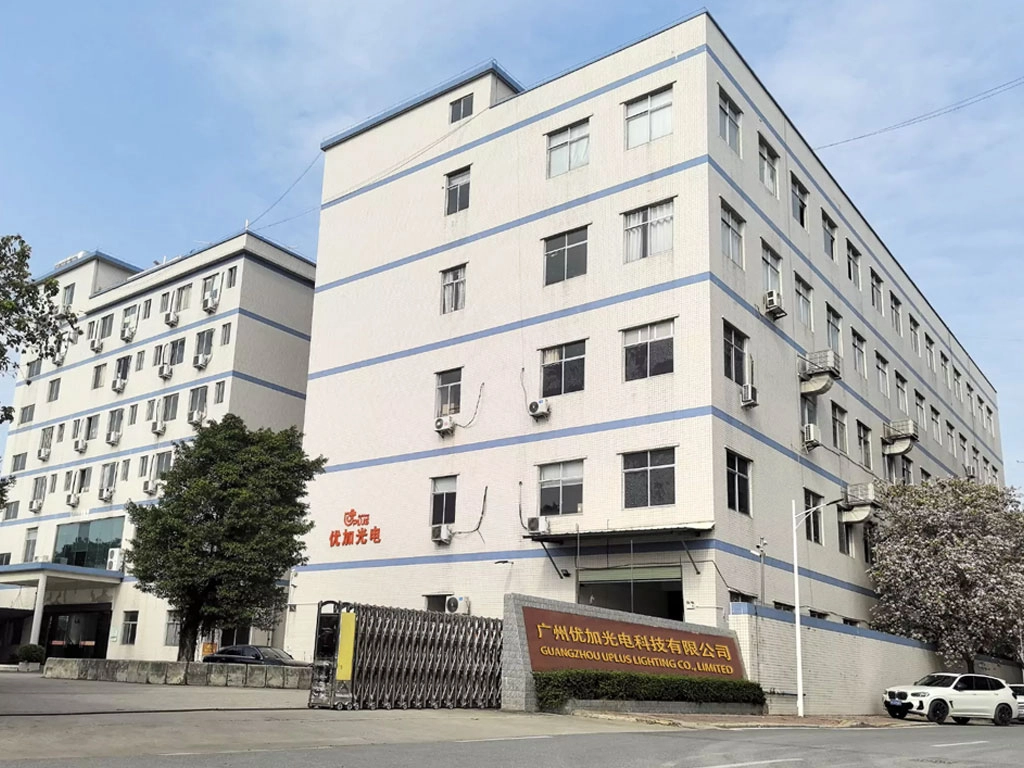
Uplus Lighting, established in Guangzhou in 2012, pairs engineering-tested fixtures with OEM support and global export experience to reduce procurement risk for rental companies, theatres and project clients. Our production controls and testing protocols ensure consistent photometric performance and reliable field serviceability, critical for professional stage lighting deployments.
For spec sheets, photometric files and to arrange a product demo, contact our sales engineers for tailored advice and pre-sales support.
FAQ Heading
What is the power consumption and expected LED lifespan?
Conclusion: The fixture consumes 400W and LED engines are commonly rated for up to 50,000 hours. Elaboration: Typical COB LEDs deliver stable lumen output for 30,000–50,000 hours depending on duty cycle; plan replacements and track hours to schedule maintenance for rental fleets.
Can it be controlled via standard lighting desks and networks?
Conclusion: Yes — the fixture supports DMX512 and RDM for addressing and remote status. Elaboration: With standard DMX512 universes (512 channels) and multiple channel modes, it integrates with consoles; verify channel mode and pan/tilt resolution (8/16-bit) for smooth operation.
How steep are the beam angles and what throw distances are possible?
Conclusion: The zoom typically covers approximately 6° to 50° beam angles, enabling tight spots and wide washes. Elaboration: Throw distance scales with angle; for example, at 15° you can expect a narrow beam effective at roughly 20–30 meters—always confirm with manufacturer photometrics.
What maintenance schedule should rental companies adopt?
Conclusion: Perform visual inspections and clean optics every 3–6 months with a full service annually. Elaboration: Check fans, connectors and power supplies; replace consumables proactively and log hours—this prevents failures and extends service life for busy stage lighting inventories.
Is this moving head suitable for broadcast and studio environments?
Conclusion: Yes — high-CRI COB designs and stable drivers make it suitable for broadcast when configured for flicker-free operation. Elaboration: Confirm CRI/TLCI figures and frame-rate compatibility; select high-frequency drivers or PWM-free options to avoid banding on high-speed cameras.
Energy Efficient Beam Spot Moving Head Options for Venues
Top 10 led wash light moving head Manufacturers and Supplier Brands in China
Best LED Moving Head Lights for Concerts and Clubs

10 Best LED Profile Stage Lights of 2026: Expert Comparison & ROI Guide
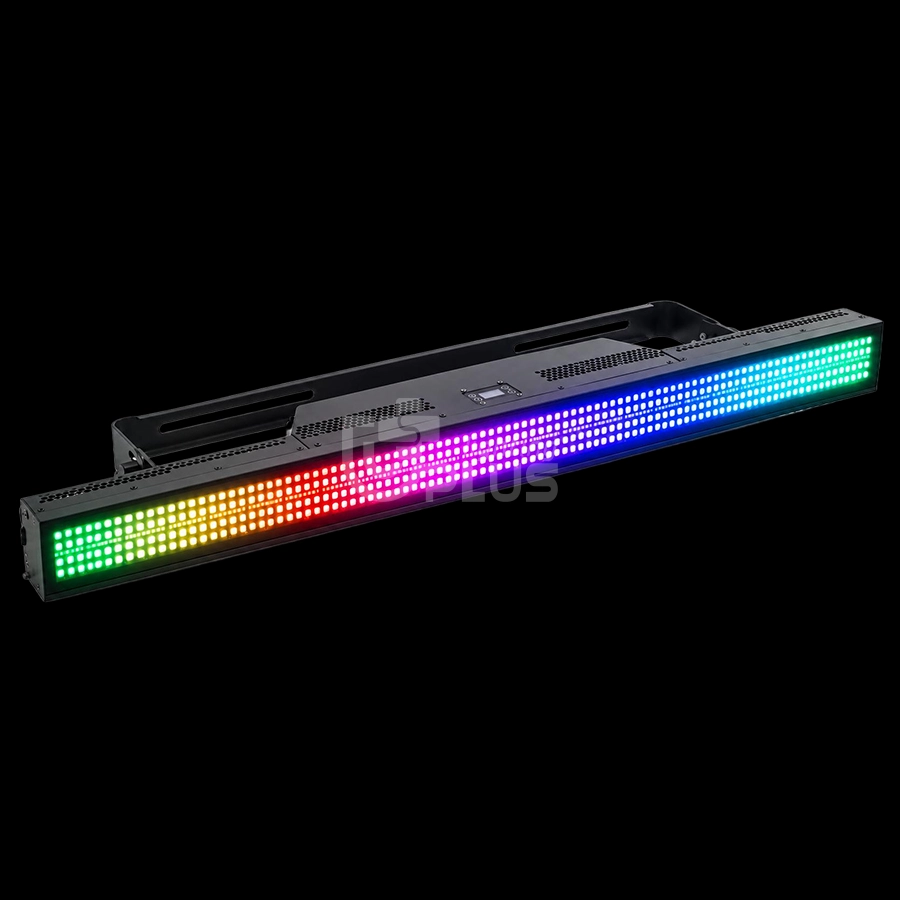
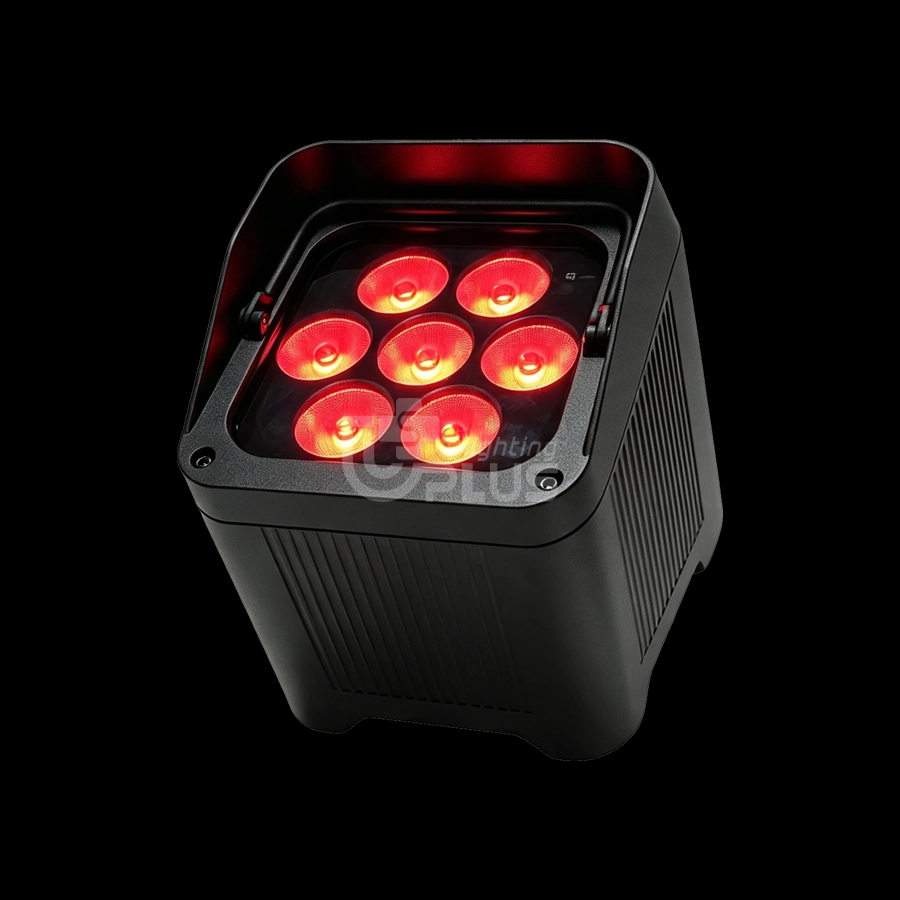

1000W Waterproof BSWF 4-in-1 Moving Head combines beam, spot, wash, and frame effects in one. IP-rated waterproof design, high-brightness output, precise control, ideal for outdoor & indoor stage events.
If you have any comments or good suggestions, please leave us a message, later our professional staff will contact you as soon as possible.
Lighting Innovators
Uplus Lighting is a leading integrated company specializing in R&D, design, production, and sales of stage lighting solutions.
 Scan QR Code
Facebook
Instagram
YouTube
VK