






- How much input power headroom does a moving head strobe need?
- Should I choose PowerCON or IEC connectors for touring fixtures?
- What power factor and inrush current ratings matter for strobe fixtures?
- How many DMX channels and modes should I expect per fixture?
- Do I need RDM, sACN, or Art‑Net in moving head strobes?
- Can universes, pixel mapping, and patching simplify complex strobe setups?
What power and DMX options should buyers look for?
Article Title: What power and DMX options should buyers look for?
Choose fixtures with documented mains power ratings, active PFC, low inrush or soft‑start, lockable touring connectors, and full DMX/Ethernet support (DMX512, RDM, sACN/Art‑Net). This article explains what to verify on datasheets and how those specs affect reliability and integration.
How much input power headroom does a moving head strobe need?
Budget for continuous wattage plus transient inrush, not just the nominal draw. Manufacturers typically quote maximum steady‑state power consumption on the datasheet; use that as the baseline for circuit planning. For moving head strobe units with high‑output LED arrays or multi‑LED flash banks, expect short bursts that can temporarily increase current draw. The two numbers you must verify are: steady‑state wattage (or amperage at the rated mains) and the specified inrush current or soft‑start description. If a fixture lists active power factor correction (PFC) and an internal soft‑start, it reduces the risk of nuisance breaker trips and voltage sag on dimly loaded distro. When rigging multiple units on a single breaker, add a 20–30% safety margin to steady‑state totals and confirm cumulative inrush does not exceed breaker trip thresholds; when manufacturers do not publish inrush, treat the units as having moderate to high inrush and stagger power‑ups or use inrush‑limiting distribution. Always cross‑check local electrical codes and the venue's distro: install environments (fixed rigs) can tolerate closer headroom than touring rigs, which need conservative provisioning and locking connectors for safety and reliability.
Should I choose PowerCON or IEC connectors for touring fixtures?
On touring and long‑term rental fleets, choose lockable, industry‑standard connectors: Neutrik powerCON TRUE1 or its equivalent are the professional choice because they lock, are rated for higher current, and maintain polarity under load. Standard IEC C13/C14 and C19/C20 are common on lower‑power fixtures and many install products, but they do not lock and are more prone to accidental disconnects during transport and on stage. For touring moving head strobe rigs, prefer fixtures with a lockable power inlet and the ability to pass through power (power linking) using the same connector type so you can daisy‑chain safely. Verify the connector rating (A) and the recommended cable gauge in the manual, and make sure distribution panels and multicore tails match the connector format your crew prefers. Finally, check that the fixture supports universal voltage (100–240V auto switching) and that it meets regional safety approvals (CE, UL) for the markets where you will operate.
What power factor and inrush current ratings matter for strobe fixtures?
Power factor (PF) and inrush current are two often‑ignored but critical specs. A PF close to 1.0 (practically ≥0.9) indicates the fixture draws current efficiently and minimizes harmonic distortion; devices with active PFC meet this expectation and reduce the apparent power burden on venue distribution. Inrush current specifies the peak instantaneous current at switch‑on; fixtures with large LED banks or capacitive supplies can produce high inrush that trips upstream protection. Reliable touring fixtures will specify inrush (usually measured in amps and duration) or state they include soft‑start circuitry. If the datasheet lacks explicit inrush values, demand that detail from the vendor or assume aggressive protection strategies: stagger the power‑on sequence, use inrush limiters, or apply pre‑insertion resistors in distro if necessary. Compliance with IEC 61000‑3‑2 (harmonics) and documented PFC behavior is also important for installations connected to shared power systems to avoid voltage distortion and nuisance trips.
How many DMX channels and modes should I expect per fixture?
Modern moving head strobe fixtures offer multiple DMX personalities (channel modes) to balance control granularity and controller capacity. Typical options include compact modes (12–24 channels) for basic pan/tilt, color, gobo, and strobe control, and extended modes (32–64+ channels) for individual LED bank control, pixel mapping, motor timing, or advanced effects. Always inspect the channel map in the manual and ensure it matches your console workflows: common expectations are separate channels for master intensity, strobe rate, strobe pattern, pan/tilt, color wheel, and an effects engine. For high‑resolution LED strobe arrays, per‑pixel channels may be exposed for matrix effects in extended modes — these demand many DMX addresses and are better handled over Ethernet protocols. Plan DMX addressing and universe allocation in advance: DMX512 provides 512 channels per universe (ANSI E1.11); if a fixture’s highest mode spans more than one universe, your patching and cable topology must reflect that.
Do I need RDM, sACN, or Art‑Net in moving head strobes?
Yes—include RDM and at least one Ethernet lighting protocol for professional deployments. RDM (Remote Device Management, ANSI E1.20) enables bi‑directional configuration, remote addressing, status monitoring and simplifies troubleshooting—critical for large rigs or where lights are hard to access. sACN (ANSI E1.31) and Art‑Net are distributed Ethernet protocols used for high channel counts and pixel mapping; choose sACN for standardized streaming to multiple universes with deterministic timing, and Art‑Net where legacy console support or existing Art‑Net infrastructure exists (Art‑Net originated with Artistic Licence and remains widely used). For pixel‑mapping and fixtures exposing per‑LED control, Ethernet transport is often the only practical option — it supports many universes, lower cabling complexity, and superior management. Confirm the fixture supports secure, documented implementation of these protocols, and that the manufacturer provides channel maps for both DMX and Ethernet modes to avoid integration pitfalls.
Can universes, pixel mapping, and patching simplify complex strobe setups?
Yes—properly architected universes and pixel mapping are essential for complex shows. Use Ethernet protocols (sACN/Art‑Net) when your total channel count exceeds the capacity of DMX universes or when you need pixel‑level control of LED arrays inside a moving head strobe. Establish a clear patching convention: reserve universes for fixture groups, document start addresses, and maintain a single source‑of‑truth channel map to prevent overlaps. For touring, store preset patches and RDM‑enabled addressing profiles on fixtures where supported to speed load‑in. Additionally, verify that the console and media servers in your workflow can natively map the fixture’s extended modes and pixel layout; mismatches between the fixture’s pixel order and the software’s mapping are a common source of visual artifacts. Finally, when mixing DMX and Ethernet control, ensure proper network segmentation, multicast configuration for sACN, and that any Art‑Net nodes have reliable timing and buffering to prevent frame drops during large universes.
Conclusion: Selecting the right power and DMX options for a moving head strobe requires reading datasheets, validating PFC and inrush behavior, choosing professional lockable power connectors, and prioritizing RDM plus Ethernet protocol support for large or pixelated fixtures. These specifications directly affect reliability, safety, and how quickly a rig can be commissioned and serviced in both touring and installed environments.
Uplus Lighting brings 15+ years of stage lighting product engineering and field experience to help specify touring‑grade power systems and control architectures that minimize downtime and simplify integration.
Contact us for a quote at www.upluslighting.com or albee@upluslighting.com.


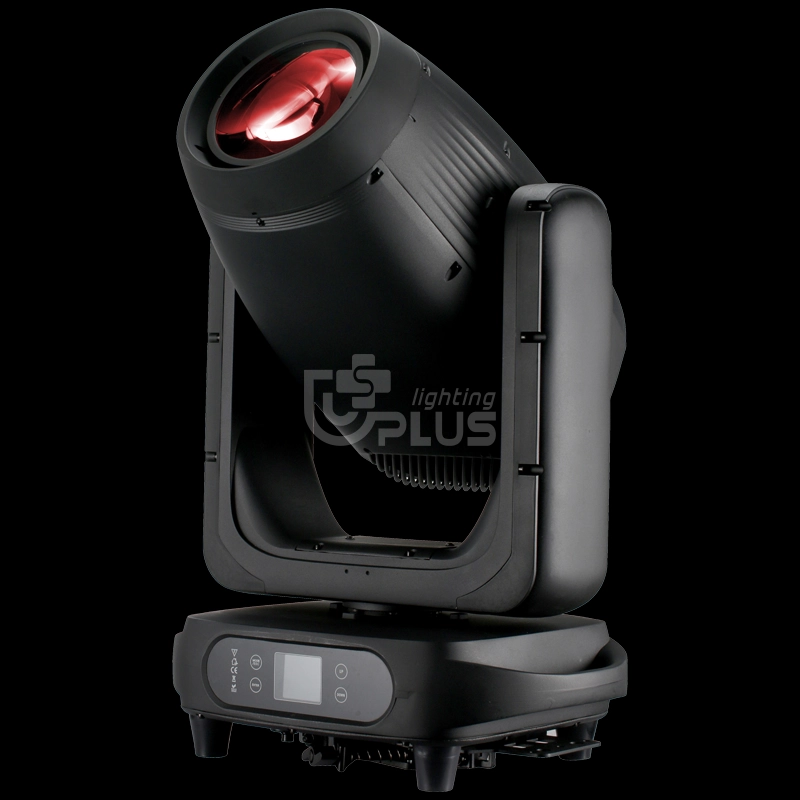
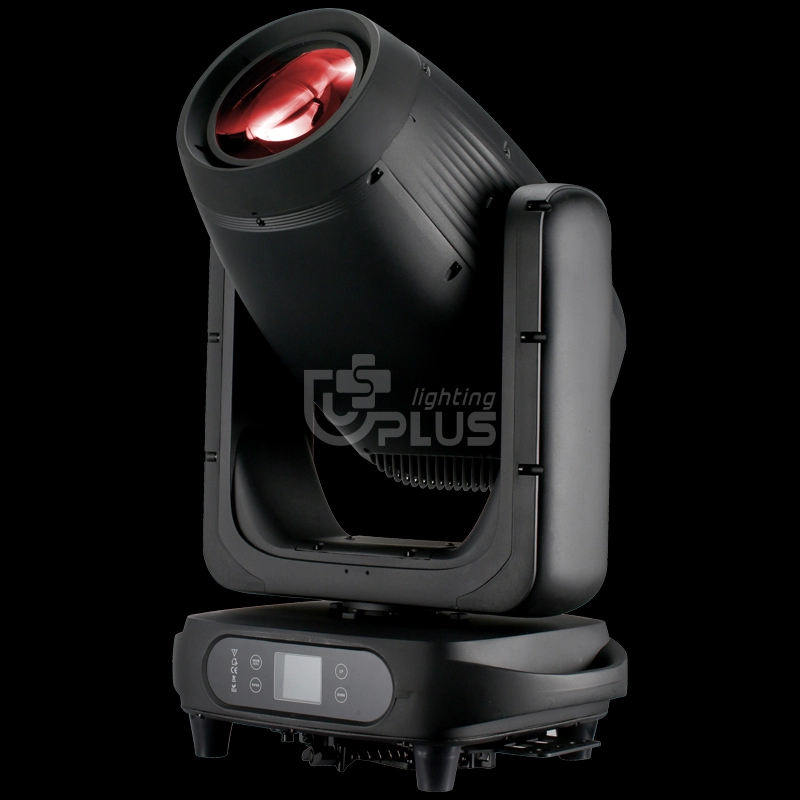
1000W Waterproof BSWF 4-in-1 Moving Head combines beam, spot, wash, and frame effects in one. IP-rated waterproof design, high-brightness output, precise control, ideal for outdoor & indoor stage events.
Stay updated on our latest news
If you have any comments or good suggestions, please leave us a message, later our professional staff will contact you as soon as possible.
Lighting Innovators
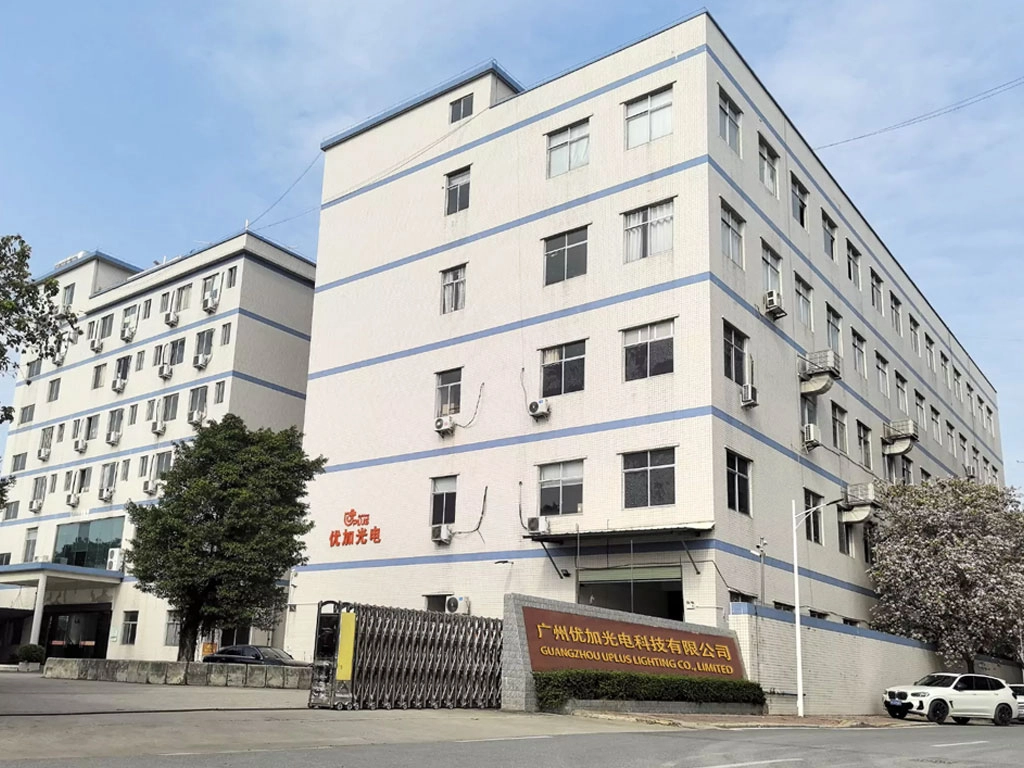
Uplus Lighting is a leading integrated company specializing in R&D, design, production, and sales of stage lighting solutions.
 Scan QR Code
Facebook
Instagram
YouTube
VK