






- The Role of Lighting in Theaters
- Common Types of Lights Used in Theaters
- 1. Spotlights: For Focused Illumination & Dramatic Highlights
- 2. Wash Lights: For General Illumination & Color Atmosphere
- 3. Effect Lights: For Theatrical Flair & Immersive Experiences
- 4. Specialized Theater Lights: For Specific Needs & Traditional Effects
- How Theater Lights Are Controlled (2026 Technology)
- FAQ: Common Questions About Theater Lights (SEO-Focused)
- Q1: What is the most common type of light used in theaters?
- Q2: Are LED lights used in theaters? If yes, why are they popular?
- Q3: What’s the difference between spotlights and wash lights in theaters?
- Q4: How do theater lighting designers choose which lights to use?
- Q5: What is DMX control in theater lighting?
- Q6: Can theater lights be used in outdoor venues?
GET A FREE QUOTE ➜
Wednesday, 04/29/2026
What Kind of Lights Are Used in Theaters?
Discover the most common types of theater lights, their functions, applications, and how they enhance live performances. This 2026 guide covers spotlights, wash lights, effect lights, control systems, and FAQs to help you understand theater lighting fully.
Theater lighting is far more than just illumination—it’s an art form that brings performances to life, shapes audience emotions, and enhances storytelling. From spotlighting a solo actor to creating immersive scenic atmospheres, the right lighting equipment is essential to every theatrical production. If you’ve ever wondered, “What kind of lights are used in theaters?” this comprehensive guide breaks down the most common theater lights, their functions, applications, and how they work together to create unforgettable stage experiences. Whether you’re a theater enthusiast, a budding lighting designer, a stage manager, or simply curious about the technical side of live performances, this article covers everything you need to know about theater lights in 2026.
The Role of Lighting in Theaters
Before diving into the specific types of theater lights, it’s important to understand why lighting matters in live theater. Beyond making actors and sets visible, theater lighting serves four key purposes that elevate the performance and engage the audience—making it a critical element of any theatrical production:
-
Visibility: The primary function—ensuring the audience can clearly see the performers, costumes, and set details, even in large theaters or outdoor venues. Professional theater lights are designed to eliminate shadows and provide consistent brightness across the stage.
-
Mood & Atmosphere: Lighting color, intensity, and direction set the emotional tone of a scene—warm hues (3200K) for intimacy and romance, cool tones (5600K) for suspense and melancholy, and dim light for mystery. This emotional mapping helps audiences connect deeper with the story.
-
Focus & Emphasis: Directing the audience’s attention to key moments, such as a solo monologue, a critical prop, or a pivotal scene transition, by highlighting specific areas of the stage. This ensures the audience doesn’t miss important narrative beats.
-
Storytelling: Enhancing the narrative by simulating time of day (e.g., dawn, dusk), weather (e.g., rain, fog), or location (e.g., a cozy cottage, a dark forest) without relying on elaborate set changes. Lighting can even characterize emotions, acting as a “visual director” alongside the performers.
The history of theater lighting dates back to ancient Greek and Roman theaters, which were built to leverage natural sunlight by facing east to west, ensuring performers were illuminated while audience members remained in the shade. As theaters moved indoors, candles and oil lamps replaced natural light, and over time, technological advancements—from gas lamps to electric bulbs, and now LED and intelligent lighting—led to the diverse range of lighting equipment used in modern theaters today. Today’s theater lighting blends tradition with innovation, combining artistic expression with cutting-edge technology to create immersive experiences.
Common Types of Lights Used in Theaters
Theaters use a variety of lighting fixtures, each designed for a specific purpose. Below are the most widely used types, along with their features, applications, and 2026 industry trends, to help you understand which lights are best for different performances:
1. Spotlights: For Focused Illumination & Dramatic Highlights
Spotlights are the most iconic theater lights, designed to produce a narrow, concentrated beam of light that can be directed to specific areas or performers. They are essential for highlighting key moments, creating dramatic effects, and drawing the audience’s eye to critical elements of the performance. Professional spotlights typically have a high Color rendering index (CRI ≥ 90) to ensure accurate color representation of costumes and skin tones.
Key types of spotlights used in theaters include:
-
Follow Spots: Manually operated spotlights that “follow” actors as they move across the stage. They are often used for solos, duets, or moments where a performer needs to stand out (e.g., a ballerina in a ballet, a lead singer in a musical, or a话剧 protagonist delivering a monologue). Follow spots are typically large, freestanding fixtures operated by a dedicated lighting technician, with adjustable zoom (10°-30°) and CTO to match the scene’s mood.
-
Fresnel Spotlights: Named after the French physicist Augustin-Jean Fresnel, these spotlights have a convex lens that produces a soft, adjustable beam. They are ideal for medium-range illumination and can be used to highlight groups of actors or specific sections of the set. Fresnel lights are popular for their versatility—their beam width can be adjusted to cover a small area or a larger portion of the stage, and they blend easily with other lights. Modern Fresnel spotlights are often LED-powered, reducing heat and energy consumption.
-
Ellipsoidal Spotlights (Profile Lights): These spotlights produce a sharp, controllable beam that can be shaped using shutters or gobos (stencils) to create patterns, shapes, or textures on the stage. They are commonly used to highlight props, create realistic effects (e.g., window light, tree shadows), or frame specific areas of the stage. Ellipsoidal spotlights are a staple in professional theaters for their precision, with adjustable beam angles (15°-50°) and built-in遮光附件 to control light spillage.
2. Wash Lights: For General Illumination & Color Atmosphere
Wash lights (also called flood lights or PAR lights) produce a wide, even beam of light that “ washes” the stage with color or light. Unlike spotlights, they are not designed for focus—instead, they create a base layer of illumination (called “base wash”) or set the overall color tone of a scene. They are essential for ensuring the entire stage is evenly lit and for creating immersive color environments.
Common types of wash lights include:
-
PAR Cans: Short for “Parabolic Aluminized Reflector” cans, these are simple, affordable wash lights that produce a wide beam. They are often used to cover large areas of the stage, such as the backdrop or the entire stage floor. Modern PAR cans are often LED-powered, making them energy-efficient and capable of producing a wide range of colors. Traditional PAR cans use quartz bulbs but are being phased out in favor of LED models due to their high heat output and energy inefficiency.
-
LED Wash Lights: A more advanced version of PAR cans, LED wash lights offer greater color control, lower energy consumption, and longer lifespans (up to 50,000 hours). They can produce millions of color combinations (via RGBW or RGBA color mixing systems) and smooth dimming, making them perfect for creating dynamic, immersive atmospheres—from a vibrant sunset to a spooky moonlight scene. LED wash lights are now the standard in most modern theaters due to their versatility, efficiency, and ability to create seamless color transitions.
-
Flood Lights: These lights produce an extremely wide beam, covering large areas of the stage. They are used to create general ambient lighting, illuminate backdrops, or simulate natural light (e.g., sunlight streaming through a window). Flood lights are often placed at the back of the theater or on the sides of the stage to provide a base layer of light before adding spotlights or other focused fixtures. Outdoor theaters frequently use weather-resistant flood lights to illuminate large performance spaces.
3. Effect Lights: For Theatrical Flair & Immersive Experiences
Effect lights are designed to create specific visual effects that enhance the performance and immerse the audience in the story. They are often used in musicals, plays with fantasy elements, modern theatrical productions, and cultural and tourism performances. With advancements in technology, 2026 effect lights are more intelligent and versatile than ever before, allowing lighting designers to create complex, synchronized effects.
-
Strobe Lights: Produce rapid, flashing bursts of light to simulate chaos, excitement, or time passing. They are commonly used in action scenes, dance numbers, or moments of tension (e.g., a chase scene, a dream sequence, or a dramatic climax). Strobe lights can be adjusted to control the flash speed, making them versatile for different effects. It’s important to use strobe lights sparingly to avoid overwhelming the audience.
-
Intelligent Lights (Moving Head Lights): These are motorized lights that can move, change color, and adjust their beam shape automatically or via a lighting console. They are often used in large-scale productions, musicals, or concerts to create dynamic, eye-catching effects—such as moving beams of light, color transitions, or patterns that dance across the stage. Intelligent lights are controlled by DMX (Digital Multiplex) technology, which allows lighting designers to program complex sequences. Modern intelligent lights offer high positioning accuracy (error ≤ 0.1°) and smooth dimming to avoid strobe.
-
Gobos: While not a light fixture themselves, gobos are stencils placed in front of spotlights (usually ellipsoidal spotlights) to project patterns, shapes, or images onto the stage. They can simulate window panes, tree branches, starry skies, or even text, adding depth and realism to the set. Gobos are a cost-effective way to create immersive environments without elaborate set pieces—perfect for small theaters or productions with limited budgets. Custom gobos are also available to match specific production themes.
-
Laser Lights: High-intensity laser beams that create sharp, bright effects. They are used to simulate lasers, stars, or abstract patterns, often in modern musicals, futuristic scenes, or cultural and tourism performances. Laser lights require careful handling to avoid eye damage and are typically operated by trained technicians. In 2026, laser lights are increasingly used in conjunction with projection mapping to create seamless, immersive visual experiences.
4. Specialized Theater Lights: For Specific Needs & Traditional Effects
In addition to the main types above, theaters also use specialized lights for specific purposes, ranging from traditional stage effects to modern technical needs. These lights are often tailored to the unique requirements of different performance types, such as drama, stage play, or musicals.
-
Footlights: Lights placed at the front of the stage, near the edge, to illuminate the lower part of actors’ faces and bodies. They were historically used to prevent shadows from obscuring performers’ faces (especially in older theaters with limited overhead lighting), and while less common today, they are still used in traditional plays, musicals, or drama to create a vintage look or eliminate harsh shadows on actors’ faces.
-
Backlights: Positioned behind the stage or performers to create a “halo” effect, separating them from the backdrop and adding depth to the scene. Backlights can be used to make actors appear more three-dimensional or to create a dramatic silhouette effect (e.g., in a tragic scene or a mysterious moment). They are often used in conjunction with front lights to create a balanced, three-dimensional lighting setup.
-
Border Lights: Long, narrow lights placed above the stage (along the “borders” of the stage curtain) to illuminate the backdrop or the upper part of the set. They are often used to create a smooth, even wash of light behind the performers and can be colored to match the mood of the scene. Border lights are essential for ensuring the backdrop is evenly lit and for creating a seamless transition between the stage and the background.
-
Cyc Lights: Designed to illuminate the cyclorama (a large, curved backdrop at the back of the stage). They produce a wide, even beam that covers the entire cyc, creating the illusion of a sky, horizon, or other large-scale background. Cyc lights are essential for creating immersive environments, such as a sunset over a landscape, a starry night sky, or a foggy forest. Modern cyc lights are often LED-powered and can be controlled to create gradual color transitions, simulating the passage of time.
How Theater Lights Are Controlled (2026 Technology)
Modern theater lighting is controlled by a lighting console, which allows lighting designers to program and adjust every aspect of the lights—including intensity, color, beam direction, and effects. The most common control system is DMX512, a digital protocol that sends signals to the lighting fixtures, ensuring precise control over each light. Advanced systems may also use Art-Net or sACN protocols for larger venues, allowing for Ethernet-based control and more channels (up to thousands of fixtures).
In 2026, theater lighting control is becoming more intelligent and user-friendly. Many lighting consoles now offer offline programming (via software like MA3D or Depence), allowing designers to program cues before arriving at the theater. Timecode programming technology is also increasingly popular, especially for touring productions, as it allows lighting cues to be synced with music and dialogue automatically, reducing setup time and ensuring consistency across performances. Additionally, voice control and dynamic motion capture are emerging trends, allowing designers to adjust lights in real time using voice commands or by tracking actors’ movements.
Lighting designers work closely with the director and set designer to create a lighting plan that aligns with the production’s vision. They program “cues”—pre-set lighting configurations that change at specific moments in the performance (e.g., when a scene transitions or a character enters). This ensures that the lighting is synchronized with the action, music, and dialogue, creating a seamless, immersive experience for the audience. A well-executed lighting plan can elevate a performance from good to unforgettable, blending technical precision with artistic creativity.
FAQ: Common Questions About Theater Lights (SEO-Focused)
To help you further understand theater lights and address the most common search queries, here are answers to the most frequently asked questions:
Q1: What is the most common type of light used in theaters?
A: Spotlights and wash lights are the most common types of theater lights. Spotlights (especially follow spots and ellipsoidal spotlights) are used for focusing on performers and key moments, while wash lights (like LED PAR cans and LED wash lights) provide general illumination and set the color tone of the scene. Together, they form the foundation of most theater lighting setups, regardless of the performance type (musical, stage play, or drama).
Q2: Are LED lights used in theaters? If yes, why are they popular?
A: Yes! LED lights have become the standard in modern theaters (2026) due to their numerous advantages. They are energy-efficient (using up to 70% less energy than traditional incandescent or halogen lights), have a long lifespan (up to 50,000 hours), and offer versatile color control (millions of color combinations). LED lights also generate less heat, making them safer for performers and set pieces, and they provide smooth dimming without flickering. Many modern fixtures, such as the Source Four LED series, are specifically designed for theatrical use, offering high color accuracy (CRI ≥ 95) and flexibility.
Q3: What’s the difference between spotlights and wash lights in theaters?
A: The key difference is their purpose and beam type. Spotlights produce a narrow, concentrated beam to focus on specific performers or areas (e.g., a solo actor or a critical prop). They are designed for precision and emphasis. Wash lights, on the other hand, produce a wide, even beam to “wash” the entire stage (or a large portion of it) with light or color. They are used for general illumination and setting the overall mood of the scene, rather than focusing on specific elements.
Q4: How do theater lighting designers choose which lights to use?
A: Lighting designers choose lights based on several factors: the production’s genre (musical, stage play, drama, etc.), the stage size and layout, the desired mood and atmosphere, the budget, and the technical capabilities of the theater. For example, a musical may require more effect lights (like intelligent moving heads and strobe lights) for dynamic scenes, while a traditional stage play may rely more on spotlights and wash lights for subtle mood changes. Designers also consider the color rendering index, beam angle, and control options to ensure the lights align with the production’s vision.
Q5: What is DMX control in theater lighting?
A: DMX (Digital Multiplex) is a digital protocol used to control theater lighting fixtures. It allows lighting designers to send precise signals to each light, adjusting parameters like intensity, color, beam direction, and effects. DMX512 (the most common version) supports up to 512 channels, each controlling a specific function of a fixture. For larger venues or complex setups, multiple DMX universes (each with 512 channels) are used, often connected via Art-Net or sACN protocols for Ethernet-based control. DMX is essential for creating synchronized, complex lighting cues in modern theater.
Q6: Can theater lights be used in outdoor venues?
A: Yes! Many theater lights are designed for outdoor use, including weather-resistant LED wash lights, flood lights, and follow spots. Outdoor theater lights are built to withstand rain, wind, and temperature changes, with sealed enclosures to protect internal components. They are commonly used in outdoor plays, concerts, and cultural and tourism performances, where natural elements need to be considered. Outdoor lights often have higher brightness to compensate for natural light and ensure visibility after sunset.
Recommended for you

What Is the Best Moving Head Light for Concerts?
Details ➜
September 10, 2026

How to Choose the Right Moving Head Light for Your Stage: Complete 2026 Guide
Details ➜
September 02, 2026

IP-BS906 – Professional IP65 LED Battery Splicing Bar Light
Details ➜
August 13, 2026
You may also like

IP1000 BSWF 1000W waterproof BSWF 4in1 moving head
1000W Waterproof BSWF 4-in-1 Moving Head combines beam, spot, wash, and frame effects in one. IP-rated waterproof design, high-brightness output, precise control, ideal for outdoor & indoor stage events.
IP700 BSWF 700W waterproof BSWF 4in1 moving head
The IP700 BSWF 700W waterproof BSWF 4in1 moving head light by Uplus Lighting delivers versatile, durable stage lights designed for outdoor and indoor use. Engineered for reliable performance, this moving head light integrates four functions in one compact unit, ideal for dynamic lighting setups.
IP700 BSWF 700W waterproof BSWF 4in1 moving head
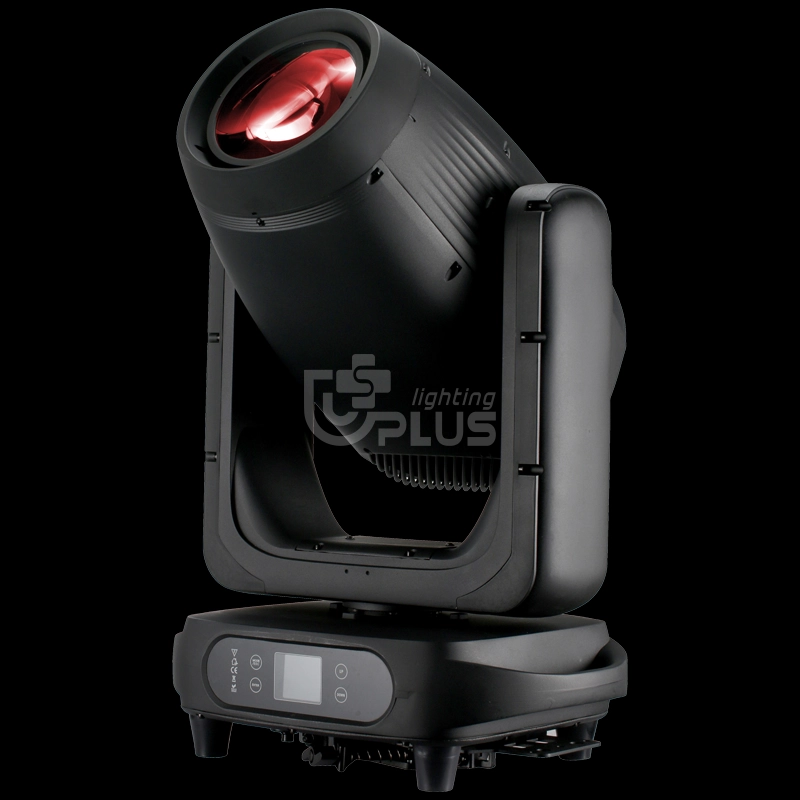
IP1000 BSWF PRO Pro 1000W waterproof BSWF 4in1 moving head
BSWF moving head IP65 stage light IP1000 BSWF PRO Pro 1000W by Uplus Lighting offers durable, waterproof performance with 4-in-1 functionality for versatile stage effects. Designed for reliable outdoor and indoor use, it ensures consistent lighting in demanding environments.
IP1000 BSWF PRO Pro 1000W waterproof BSWF 4in1 moving head
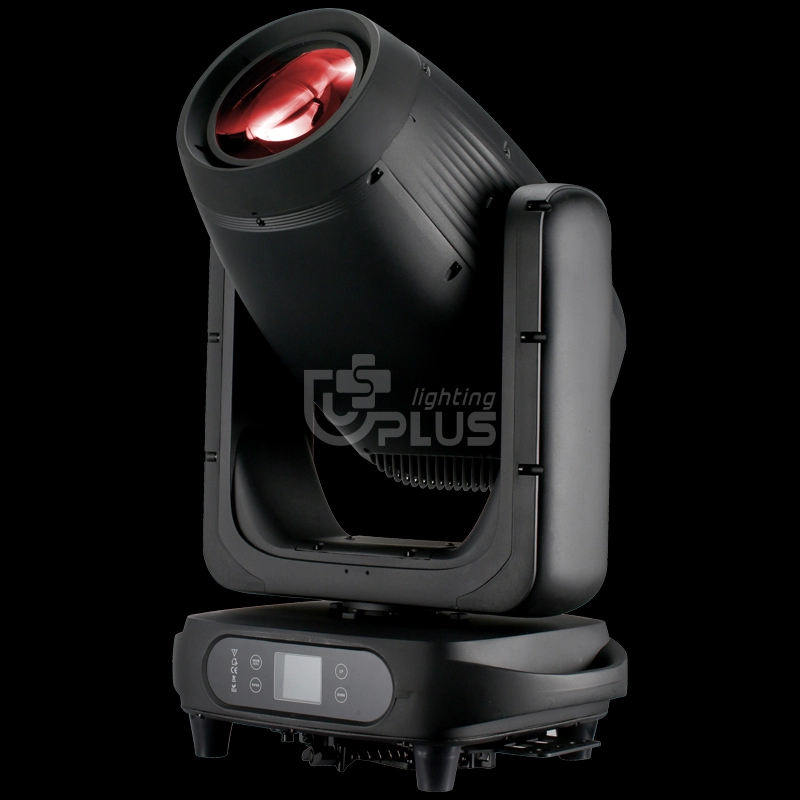
IP700 BSWF PRO Pro 700W waterproof BSWF 4in1 moving head
BSWF light waterproof moving head stagelight IP700 BSWF PRO Pro by Uplus Lighting delivers 700W power with 4-in-1 functionality, designed for reliable outdoor use. Its waterproof build ensures durability in various environments, making it ideal for professional stagelighting needs.
IP700 BSWF PRO Pro 700W waterproof BSWF 4in1 moving head
Stay updated on our latest news
If you have any comments or good suggestions, please leave us a message, later our professional staff will contact you as soon as possible.
Lighting Innovators
Uplus Lighting is a leading integrated company specializing in R&D, design, production, and sales of stage lighting solutions.
 Scan QR Code
Facebook
Instagram
YouTube
VK