If you’ve ever attended a concert, theater performance, wedding, or corporate event, you’ve likely seen dynamic beams of light sweeping across the stage. These effects are created by
professional moving head lights, which combine motorized movement, color changes, and programmable lighting effects.
The Core Purpose of a Moving Head Light
At its simplest, the primary purpose of a moving head light is toprovide dynamic, adjustable illumination that enhances the visual impact of a performance or event. Unlike fixed lighting fixtures (such as PAR cans or spotlights) that stay in one position, moving head lights can pan (swivel horizontally), tilt (move vertically), and adjust their beam size, color, and shape—all in real time. This flexibility allows lighting designers to create dynamic, immersive visuals that complement the mood, theme, and action of a performance, making it more engaging and memorable for the audience.
But the purpose goes beyond just “moving light.” Moving head lights are designed to solve key challenges in event lighting: they eliminate the need for dozens of fixed lights (saving space and setup time), allow for quick adjustments during a performance, and enable lighting designers to tell a story through light. Whether it’s highlighting a solo performer, creating a dramatic backdrop, or simulating natural phenomena (like rain or stars), moving head lights are the backbone of modern stage and event lighting.
Key Functions That Fulfill the Purpose of Moving Head Lights
To fully understand the purpose of a moving head light, it’s important to explore the core functions that make these fixtures so versatile. Each function works together to create the dynamic visuals that define modern events:
1. Dynamic Movement (Pan & Tilt)
The most defining feature of a moving head light is its ability to pan (move left and right) and tilt (move up and down). This movement allows the light beam to cover large areas of a stage or venue, follow performers as they move, or shift focus between different elements (e.g., from a lead singer to a drum soloist). For example, in a concert, a moving head light can track a performer across the stage, ensuring they’re always in the spotlight—something fixed lights cannot do without multiple fixtures.
2. Beam Control & Shaping
Moving head lights offer precise control over the beam’s size, shape, and intensity. Using lenses, gobos (stencils), and prisms, lighting designers can create everything from narrow spotlights (to highlight a single person) to wide washes (to illuminate an entire stage). Gobos can add patterns, logos, or textures to the light beam—perfect for corporate events (projecting a company logo) or theater productions (creating the illusion of a window or forest).
To understand which optical system best suits your project, explore our guide to
Beam vs Spot vs Wash moving heads, covering beam characteristics, gobos, zoom functions, and common stage lighting applications.
3. Color Adjustment
Most moving head lights come with built-in color wheels or RGBW LEDs, allowing for instant color changes. This function is critical for setting the mood of an event: warm reds and oranges for a romantic wedding, bright blues and purples for a dance party, or cool whites for a corporate presentation. Color changes can be synchronized with music, dialogue, or choreography to enhance emotional impact—for example, shifting to red during a dramatic scene in a play. For colorful stage effects, an
RGBW wash moving head light such as the PZ1960 combines 19×60W RGBW LEDs, motorized zoom, and independent pixel control to create dynamic color transitions and layered lighting effects.
4. Effects & Synchronization
Moving headlights often include built-in effects like strobe, fade, or prism splits, which add depth and excitement to the visual experience. These effects can be synchronized with music, video, or other lighting fixtures to create a cohesive, immersive show. For example, in an EDM concert, moving head lights might pulse in time with the beat, creating a dynamic, high-energy atmosphere that keeps the audience engaged.
Common Uses: How Moving Head Lights Serve Different Events
The purpose of a moving head light varies slightly depending on the type of event, but the core goal—enhancing visuals and engaging the audience—remains the same. Here are the most common uses across different industries:
1. Concerts & Live Music
In concerts, moving head lights are essential for creating a dynamic, high-energy atmosphere. They follow performers, highlight stage props, and sync with music to create a visually stunning show. For example, a rock concert might use narrow beam moving heads to track the lead guitarist during a solo, while wide wash moving heads illuminate the entire stage during a chorus. DJs also use moving head lights to create light shows that match the rhythm of their music. For a real-world example of professional stage lighting, explore our
professional concert lighting projects, featuring UPLUS fixtures used in a live concert production in Russia.
2. Theater & Performing Arts
In theater, moving head lights help tell a story by setting the scene and highlighting emotional moments. They can simulate natural light (e.g., sunrise or moonlight), create the illusion of different locations (e.g., a forest or a bedroom), and focus on actors during key dialogue. For example, in a Shakespearean play, a moving headlight might cast a soft blue glow to simulate night, or a bright spotlight to highlight a soliloquy. For theatrical productions requiring precise lighting positions, gobos, and controlled projection, the
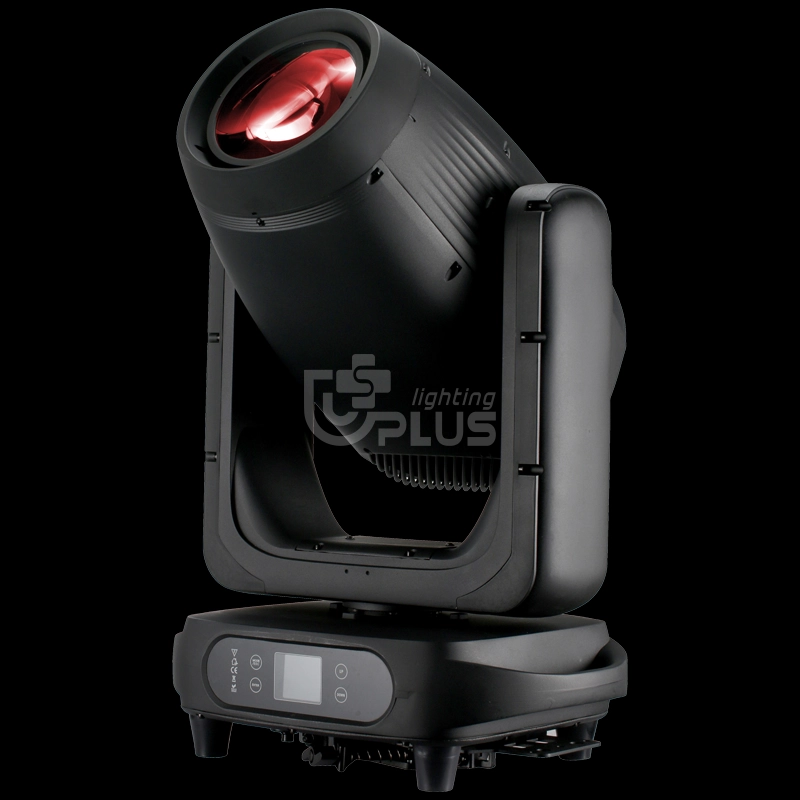
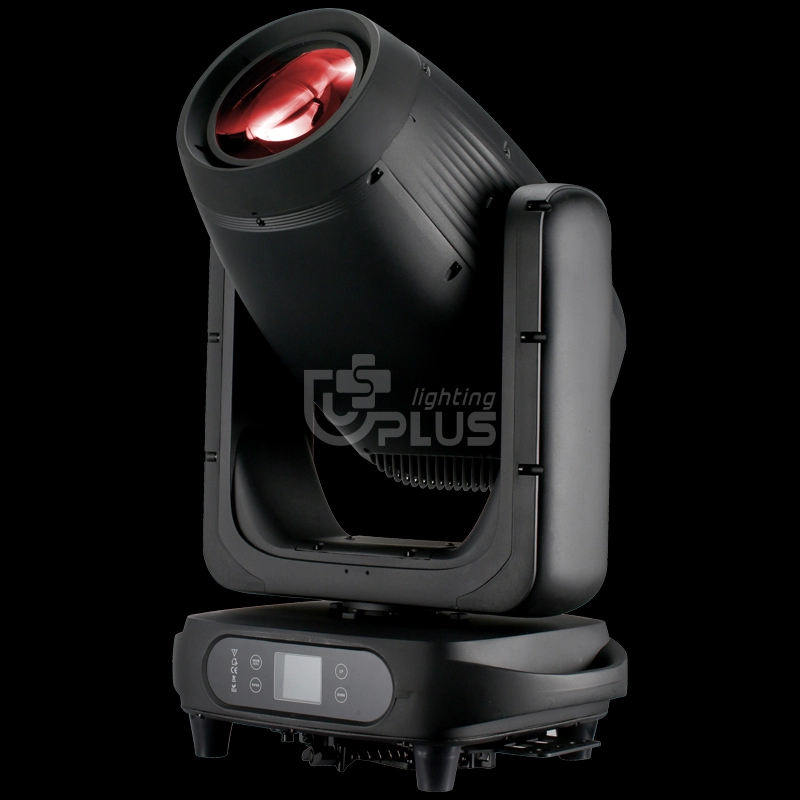
600 BSWF LED profile moving head provides Beam, Spot, Wash, and Framing functions in one professional fixture.
3. Weddings & Special Events
For weddings and special events, moving head lights add elegance and ambiance. They can project romantic patterns (like hearts or stars) onto the dance floor, highlight the bride and groom during their first dance, or change colors to match the event’s theme. Many wedding venues use moving head lights to transform a simple space into a luxurious, immersive setting. For small and medium-sized event venues, the
200W LED BSW moving head offers adjustable beam angles, color effects, gobos, and prism functions for creating dynamic lighting scenes at weddings and special events.
4. Corporate Events & Presentations
In corporate events (e.g., product launches, conferences, or award shows), moving head lights serve a more practical purpose: highlighting speakers, projecting company logos, and keeping the audience focused. They can be used to draw attention to a product display, illuminate a stage during a presentation, or create a professional, polished atmosphere.
5. Nightclubs & Bars
Nightclubs and bars rely on moving head lights to create a lively, energetic atmosphere. They use strobe effects, color changes, and dynamic movement to keep patrons engaged and enhance the music experience. Moving head lights are often synchronized with the club’s sound system to create a seamless, immersive party environment.
FAQ: Common Questions About Moving Head Lights
Q1: What is the main purpose of a moving head light compared to fixed lights?
The main purpose is dynamic flexibility. Fixed lights stay in one position and can only illuminate a specific area, while moving head lights can pan, tilt, change color, and adjust beam size—allowing them to adapt to the action of a performance or event. This flexibility eliminates the need for multiple fixed lights and enables lighting designers to create more dynamic, engaging visuals.
Q2: Do moving head lights require professional operation?
While basic moving head lights can be operated manually, most professional events use a lighting console to program and control the fixtures. This allows for precise synchronization with music, choreography, or dialogue. For small events (like a backyard wedding), simple moving head lights with pre-programmed modes can be used without professional training.
Q3: Are moving head lights suitable for small venues?
Yes! There are compact moving head lights designed for small venues (e.g., small theaters, bars, or backyard events). These fixtures are lightweight, easy to set up, and offer the same core functions (pan, tilt, color change) as larger models—making them perfect for small-scale events that still want dynamic lighting.
Q4: What’s the difference between a moving head light and a PAR can?
PAR cans are fixed lights that emit a wide, static beam of light—they’re great for general illumination but lack flexibility. Moving head lights, on the other hand, can move, change color, and adjust beam size, making them ideal for dynamic visuals. PAR cans are often used alongside moving head lights to provide background illumination, while moving head lights handle the dynamic, focused lighting.
Q5: Can moving headlights
be used outdoors?
Yes, but you need outdoor-rated moving head lights (IP65 or higher) that are protected from rain, dust, and other elements. Outdoor moving head lights are commonly used for outdoor concerts, festivals, and wedding receptions—they provide the same dynamic lighting as indoor models but are built to withstand harsh weather conditions. For outdoor concerts, festivals, and open-air events, consider
IP65 waterproof moving head lights designed for professional environments where fixtures may be exposed to rain and dust.
Q6: How do moving head lights enhance the audience experience?
Moving head lights make events more engaging by creating immersive visuals that complement the performance. They draw the audience’s attention to key elements (performers, props, or displays), set the mood (romantic, energetic, dramatic), and create a sense of movement and excitement—making the event more memorable and enjoyable.
Conclusion
Moving head lights play an essential role in modern stage and event lighting by combining dynamic movement, beam control, color mixing, and programmable effects. Whether used for concerts, theaters, weddings, corporate events, or nightclubs, the right moving head fixture helps lighting designers create engaging and flexible visual experiences.
Choosing the best moving head light depends on your venue size, required beam effects, control system, installation environment, and budget.
Planning a stage lighting project or looking for reliable moving head light suppliers?
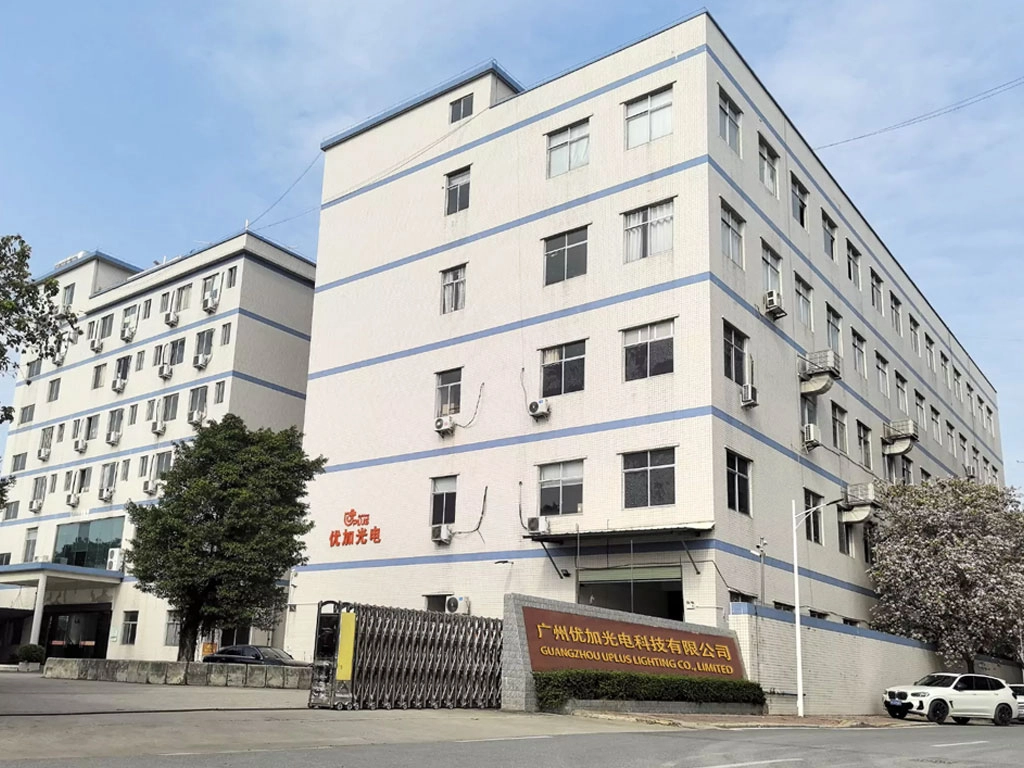
Contact UPLUS Lighting to explore professional Beam, Spot, Wash, and BSWF moving head lights and request product recommendations for your next project.









 Scan QR Code
Facebook
Instagram
YouTube
VK