






- What IP rating is safe for LED moving head light outdoors?
- How does IP65 differ from IP66 for outdoor moving heads?
- Can condensation and dust compromise LED moving head light performance?
- Which enclosure tests matter most for outdoor moving head reliability?
- How to compare ingress protection ratings across different manufacturers?
- What maintenance protocols extend lifespan of outdoor IP-rated heads?
How to compare LED moving head light IP ratings for outdoor use?
How to compare LED moving head light IP ratings for outdoor use?
Comparing IP ratings for outdoor LED moving head light requires reading IEC 60529 test scope, mapping first- and second-digit protections to your site conditions, checking sealing details (gaskets, cable glands, breather valves), verifying thermal management for sealed housings, and requiring third-party test certificates.
What IP rating is safe for LED moving head light outdoors?
There is no universal single number; choose by exposure. For temporary outdoor events a minimum of IP65 is commonly acceptable because it guarantees dust-tight ingress and protection against water jets. For permanent fixtures exposed to storms, wind-driven rain or splash zones, specify IP66 or IP67 — IP66 resists more powerful water jets and IP67 tolerates temporary immersion (typically 1 m for 30 minutes under IEC 60529 tests). In coastal or highly corrosive environments specify additional salt-spray (ASTM B117) or corrosion-resistant materials; for washdown (food stages, heavy cleaning) require IP69K or manufacturer-validated high-pressure wash tests. Always confirm the manufacturer’s test report rather than trusting the label alone.
How does IP65 differ from IP66 for outdoor moving heads?
IP65 and IP66 both indicate dust-tight enclosures (first digit 6) but differ on liquid protection: IP65 is tested for water jets from any direction while IP66 is tested against more powerful jets. Practically, IP66 tolerates stronger, sustained jetting and offers increased margin during heavy rain or high-wind-driven spray; however IP66 does not guarantee immersion. When comparing fixtures, review the test method references in the datasheet (IEC 60529) and examine where water ingress risks exist on the unit — lens seams, pan/tilt bearings, connectors, and cable glands — because two fixtures with the same IP rating can show different real-world resilience depending on engineering details.
Can condensation and dust compromise LED moving head light performance?
Yes. Condensation from thermal cycling can form inside sealed housings even when dust- and water-tight, causing corrosion, optical fogging, and electrical shorts. Proper outdoor fixtures combine sealing with pressure-equalization vents (Gore vents) or include internal desiccants and conformal coating on PCBs to mitigate moisture. Dust ingress can abrade mechanical parts and block cooling fins; that is why the first digit of IP (0–6) is critical. Ask manufacturers about anti-condensation strategies, whether internal volumes are vented, use of desiccant cartridges, and results from accelerated environmental testing.
Which enclosure tests matter most for outdoor moving head reliability?
Start with IEC 60529 for IP classification and require third-party test reports showing the actual test procedures. For long-term outdoor reliability also request: ASTM B117 salt-spray testing for coastal corrosion risk, UV exposure or EN ISO 4892 photostability data for plastics, thermal cycling tests to reveal seal fatigue, and ingress checks after vibration tests for touring use. Pay attention to connector and cable-gland tests (IP67/68-rated connectors), and whether the unit has been re-tested after aging. Certificates from accredited labs (e.g., TÜV, Intertek) are more reliable than self-declared ratings.
How to compare ingress protection ratings across different manufacturers?
Don’t compare numeric IP alone—inspect the test evidence and design details. Request the IEC 60529 test report and check the exact test conditions and lab accreditation. Examine CAD/section drawings for gasket geometry, materials (silicone vs. foam), gland types, connector IP classes, and whether moving mechanisms (pan/tilt shafts) use double-lip seals or bellows. Evaluate thermal design trade-offs: fully sealed housings need conductive heat paths or liquid cooling; manufacturer thermal curves (LED junction temperature vs ambient) should be provided. Finally, ask for field references and warranty terms tied to outdoor use — these reveal confidence in real-world performance.
What maintenance protocols extend lifespan of outdoor IP-rated heads?
Create a predictable maintenance plan: visual gasket inspections and cleaning after every heavy event, replace desiccant packs or service breathers on schedule, check and retorque external fasteners quarterly in heavy-use installations, and perform a simple spray test after reassembly. For coastal sites, add periodic salt removal and corrosion checks. Maintain a log of ingress-related failures to identify recurring weak points (connectors, lens seals). Where critical, schedule annual third-party re-validation of IP integrity or use quick field checks (spray/nozzle tests and internal moisture inspection) after extreme weather.
As a stage lighting technical partner, Uplus Lighting combines 15+ years of application experience with product engineering to specify appropriate IP levels, validate thermal management and deliver field-proven solutions for outdoor automated fixtures.
Contact us for a tailored outdoor fixture quote at www.upluslighting.com or albee@upluslighting.com.


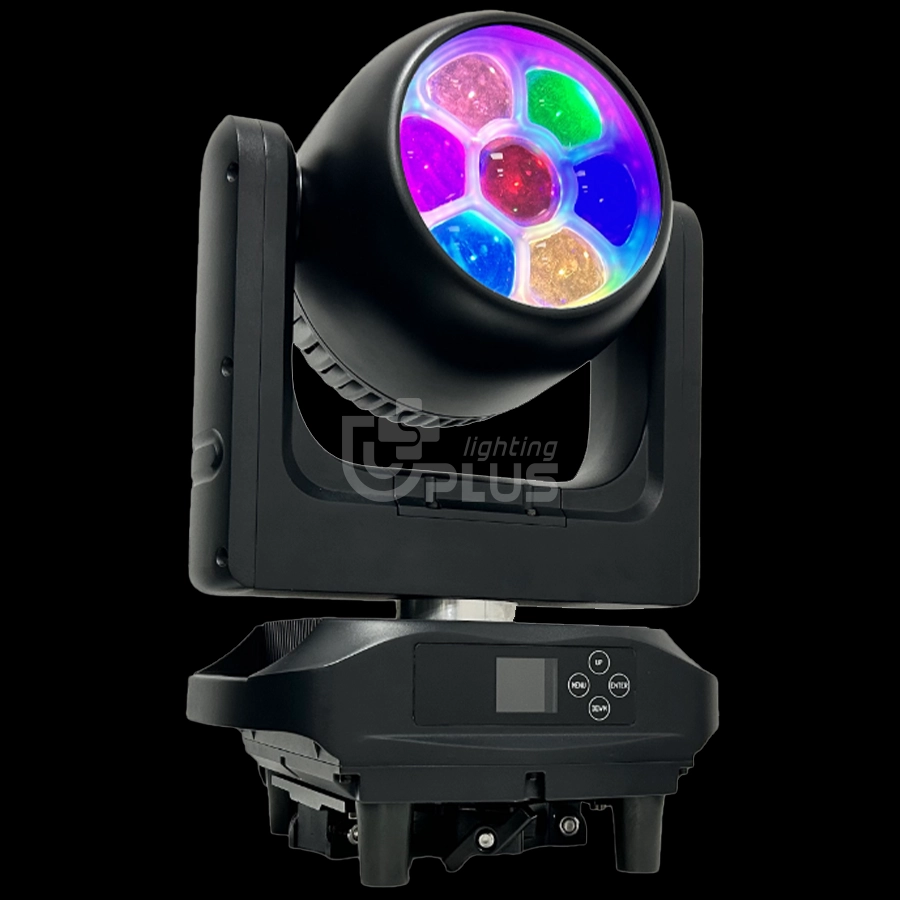
IP65 waterproof 7*50W wash zoom moving head with circle light, features soft uniform beam and precise DMX control, ideal for outdoor stages, large-scale performances and events.
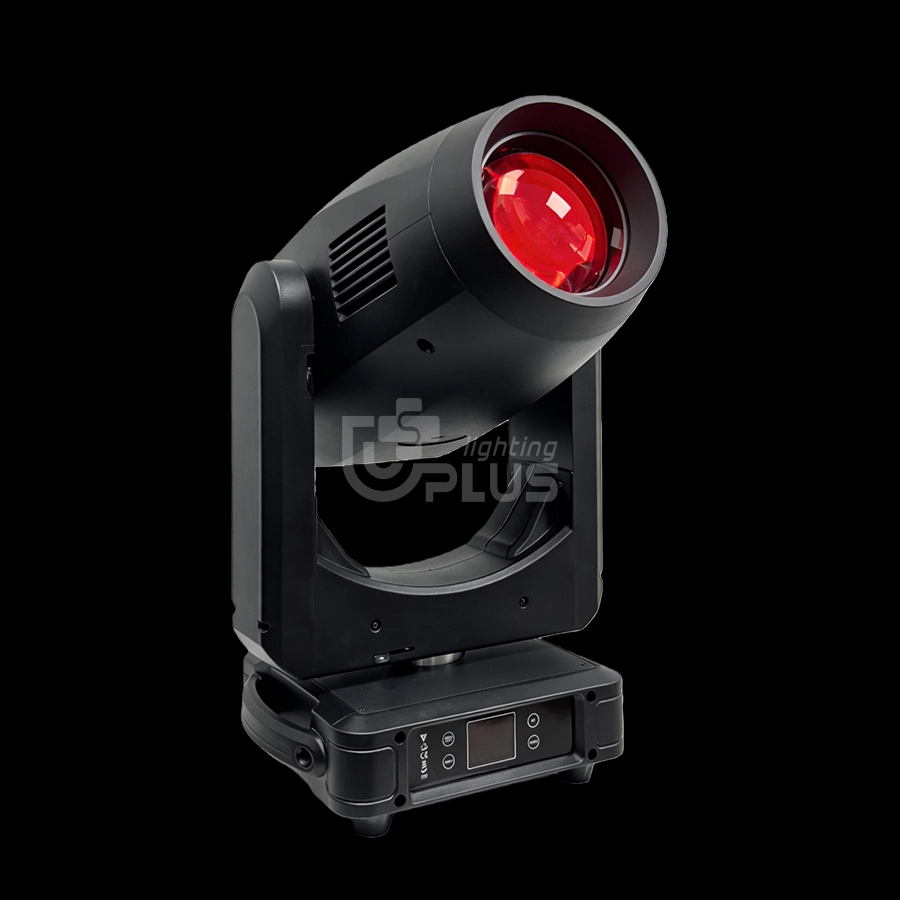
The 1000W LED profile 4-in-1 moving head integrates four core lighting effects: imaging, beam, pattern, and wall washing. It delivers powerful and full light output with precise and delicate light control, making it suitable for top-tier professional scenarios such as large-scale concerts, theater shows, and cultural tourism performances.
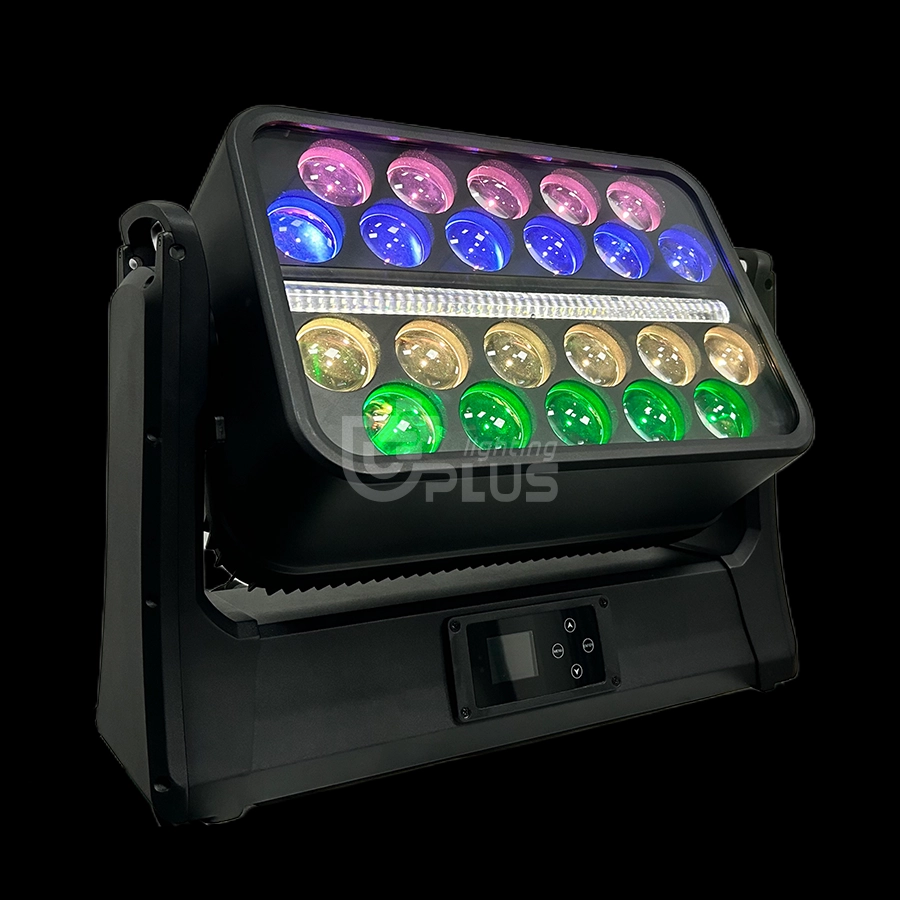
IP65 22*40W RGBW wash blinder strobe moving head light, dual-row independent zoom, DMX512/RDM control, perfect for outdoor stage & event shows.
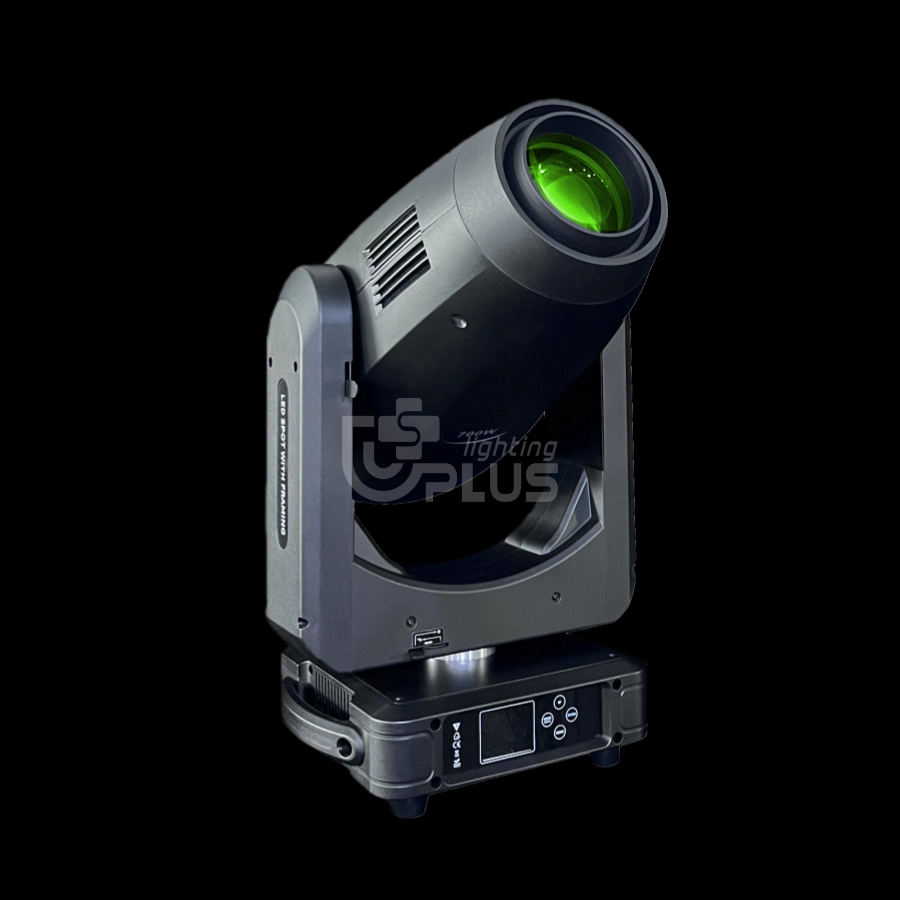
The 700W LED profile 4-in-1 moving head integrates four lighting effects: imaging, beam, pattern, and wall washing. Its high-power output delivers bright and full light, with precise and delicate light control, making it suitable for professional scenarios such as large-scale concerts, theater shows, and high-end performance venues.
Stay updated on our latest news
If you have any comments or good suggestions, please leave us a message, later our professional staff will contact you as soon as possible.
Lighting Innovators
Uplus Lighting is a leading integrated company specializing in R&D, design, production, and sales of stage lighting solutions.
 Scan QR Code
Facebook
Instagram
YouTube
VK