






- Can LED DJ moving head strobe light survive road-case vibration?
- How do temperature swings affect LED DJ moving head strobe performance?
- What maintenance prevents premature failure on touring moving head strobes?
- Can battery backup or power spikes damage LED moving head strobes?
- Which ingress protection and cooling specs matter for roadworthy strobes?
- How to pack and rig LED moving head strobes for airline transport?
Can LED DJ moving head strobe lights handle touring conditions?
Article Title: Can LED DJ moving head strobe lights handle touring conditions?
Touring exposes fixtures to vibration, temperature cycling, power irregularities and rapid deployment demands; choosing fixtures with rugged mechanics, conservative thermal design, proper ingress rating, roadworthy connectors and a disciplined maintenance and packing protocol separates frequent failures from reliable service on the road.
Can LED DJ moving head strobe light survive road-case vibration?
Short answer: yes—if designed and prepared correctly. Vibration and shock are the most common causes of touring failures. Key failure modes include cracked PCBs, loose connectors, bearing wear in pan/tilt assemblies and fractured solder joints on LED boards. Professional fixtures mitigate these with potting or conformal coating on sensitive electronics, mechanically secured connectors, vibration-rated bearings and damped pan/tilt motors. During procurement specify fixtures that use float-mounted PCBs, captive fasteners and threaded inserts for repeated bolting and unbolting. In practice, road cases with dense foam fitted to each head, locking the fixture in a neutral pan/tilt position, reduce transmitted shock by an order of magnitude; manufacturers and road crews commonly use transit brackets to immobilize moving parts. For older stock, add vibration-damping pads inside cases and replace fragile connectors with locking alternatives during scheduled maintenance. Field test: a simple acoustic accelerometer app can measure g-forces in a loaded case during transport; sustained spikes above 5–10 g correlate with higher failure rates. Implement a log of units exposed to heavy transit so you can retire or rebuild repeatedly stressed units before they fail in service.
How do temperature swings affect LED DJ moving head strobe performance?
LED junction temperature directly affects lumen output, color stability and driver lifetime. Many commercial LED fixtures list operating ranges roughly 0–40°C; some pro-grade models extend from -10°C to 45°C. Rapid temperature swings—load-in from cold trucks into hot venues or vice versa—introduce condensation on PCBs and connectors that accelerates corrosion and intermittent failures. Thermal design elements to prioritise are efficient heat sinks with high surface area, thermal interface materials between LED boards and sinks, and conservatively rated drivers with temperature derating rather than aggressive thermal cutbacks. Fans are common but are primary maintenance points; prefer systems with filtered airflow or positive-pressure designs to keep dust out. On tour, implement a burn-in and acclimation routine: power fixtures up for at least 20–30 minutes at venue ambient before show start so operating temperatures stabilize and internal moisture dissipates. When moving from cold to warm environments, keep units powered-off in the warm venue until internal temperatures equilibrate or use controlled warm-up in flightcases to avoid condensation stress. Monitor onboard temperature telemetry when available; use DMX/RDM or manufacturer software to ingest thermal alarm thresholds into your show-control checks.
What maintenance prevents premature failure on touring moving head strobes?
Routine, predictable maintenance is the difference between a one-night fixture and a multi-year workhorse. Create a maintenance schedule keyed to flight hours, not calendar dates. Weekly checks should include visual inspection of lenses, gaskets and connectors; cleaning of optical surfaces with approved solvents; and verification of locking power and data connectors. Monthly checks: inspect fan filters, verify pan/tilt backlash and run a positioning accuracy test, and update fixture firmware. Every 6–12 months perform a deeper service—open the unit to inspect solder joints on heavy-load boards, check electrolytic capacitors in drivers for bulging, and replace fans that exceed manufacturer-specified RPM droop or produce bearing noise. Maintain a minimal spare-parts inventory: a control board, a driver module, a set of fans, spare LED modules where user-replaceable, and spare locking power and network connectors. Log failures with root-cause notes; patterns (e.g., repeated motor fault codes on a batch) indicate either a supplier defect or an installation/rigging issue. For touring rigs, standardized labeling and a pre-tour checklist reduce human error that otherwise causes avoidable failures.
Can battery backup or power spikes damage LED moving head strobes?
Yes. Switching power supplies and electronic drivers inside LED fixtures are sensitive to both undervoltage events and high-energy transients. Inrush current can be significant with many fixtures powering on simultaneously; this stresses breakers and can create voltage sags. More damaging are voltage spikes and mains transients from generator switching, dimmer banks, or faulty stage equipment. Industry best practice is to use stage-grade power distribution: phase-balanced distro, rack-mounted surge protection, and UPS or ride-through devices sized for the rig’s inrush profile. Do not substitute consumer power strips; use PowerCON or true locking IEC connectors to prevent accidental disconnection. Add in-rack transient voltage surge suppression and line filters; for longer tours consider portable automatic voltage regulators when venue supply is unstable. For shows where AC stability is questionable, add a local UPS with sufficient VA rating to cover fixture driver ride-through and orderly shutdown or redundant feeds. Note that battery backup solutions rarely connect directly to moving fixture motors; they are intended for controller and network gear so that DMX/Art-Net sessions can complete graceful shutdowns. Regularly measure mains quality on tour legs—THD, voltage variance and presence of transients—to inform protective gear choices.
Which ingress protection and cooling specs matter for roadworthy strobes?
Ingress Rating (IP): most indoor DJ moving heads are IP20—suitable for dry indoor environments—but this is insufficient for outdoor festival stages where dust and moisture are present. For outdoor or partially exposed touring, specify at least IP44 for splash resistance and IP54+ where dust protection is required. Cooling design: passive cooled fixtures offer lower maintenance but require conservative thermal budgets and larger heat sinks; active cooled units (fans) provide compact form factors but introduce moving parts that require scheduled replacement. Look for units with sealed optics and pressure-equalisation valves on enclosures to prevent moisture ingress while allowing air exchange. Manufacturer datasheets should list operating humidity ranges; avoid units that lack humidity or condensation guidance for touring. Also evaluate ingress at cable entry points—sealed gland plates and locking connectors maintain IP integrity in the field. Where splash protection is needed, use secondary measures such as weather hoods and sealed cable junctions to preserve fixture warranties and reliability.
How to pack and rig LED moving head strobes for airline transport?
Packing and rigging for airlines demands mechanical immobilization, compliance with airline weight/packing rules and protection for delicate optics and electronics. Remove or secure moving parts: many fixtures have service or transport locks for pan and tilt—use them. If none exist, clamp the yoke in a neutral position with padded straps. Use custom foam-lined flightcases sized so the fixture does not shift; position foam to support the body, yoke bearing points and lens, not the lens alone. Include desiccant sachets inside cases for long sea/air legs to control humidity. For rigging, always use rated M10 or M12 safety bolts in manufacturer-specified points, use two independent safety cables per unit and-rated clamps with secondary safety bonds. Label each case with unit ID, orientation, and a short emergency contact. When dealing with airline handlers, move fixtures in wheeled ATA-style flightcases and secure ancillary items (clamps, power/network leads) in internal compartments. Keep a condensed spares kit in the truck or airline pallet: locking AC mains leads, DMX/network cables, a small toolkit, and spare fans; these enable you to remedy simple field faults before an event. Finally, document and photograph pre- and post-transport condition for warranty or insurance claims if damage occurs.
Conclusion: Touring success with professional stage lighting depends on selecting the right hardware and implementing disciplined operational practices. Uplus Lighting combines 15 years of industry-focused engineering and hands-on touring experience to design fixtures and service programs that prioritize mechanical ruggedness, conservative thermal design, road-case compatibility and field-serviceability; our approach minimizes downtime and total cost of ownership for lighting departments and rental houses.
Contact us for a bespoke touring solution and quote at www.upluslighting.com or albee@upluslighting.com.


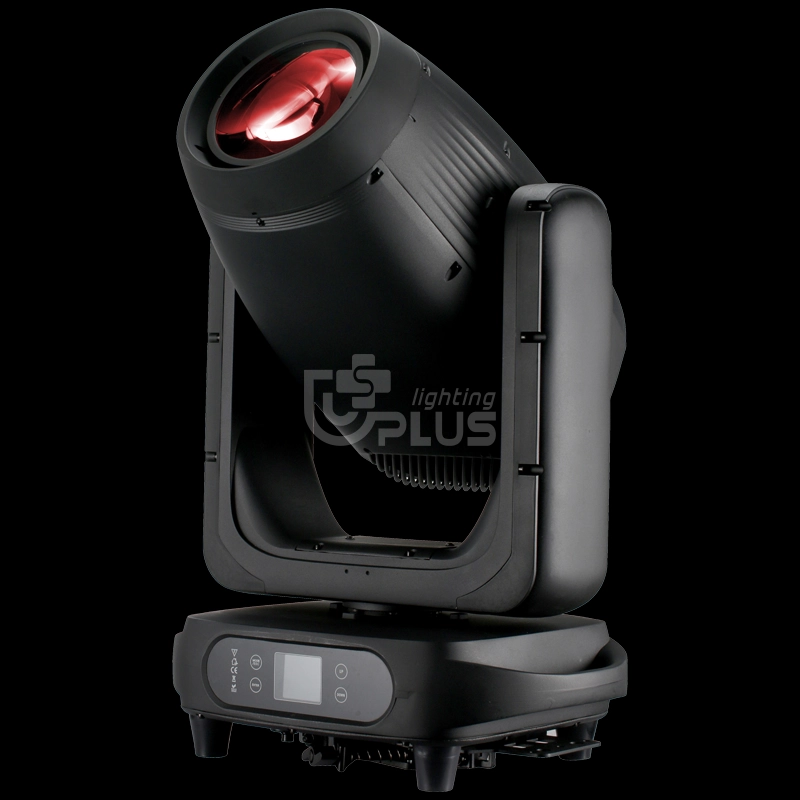
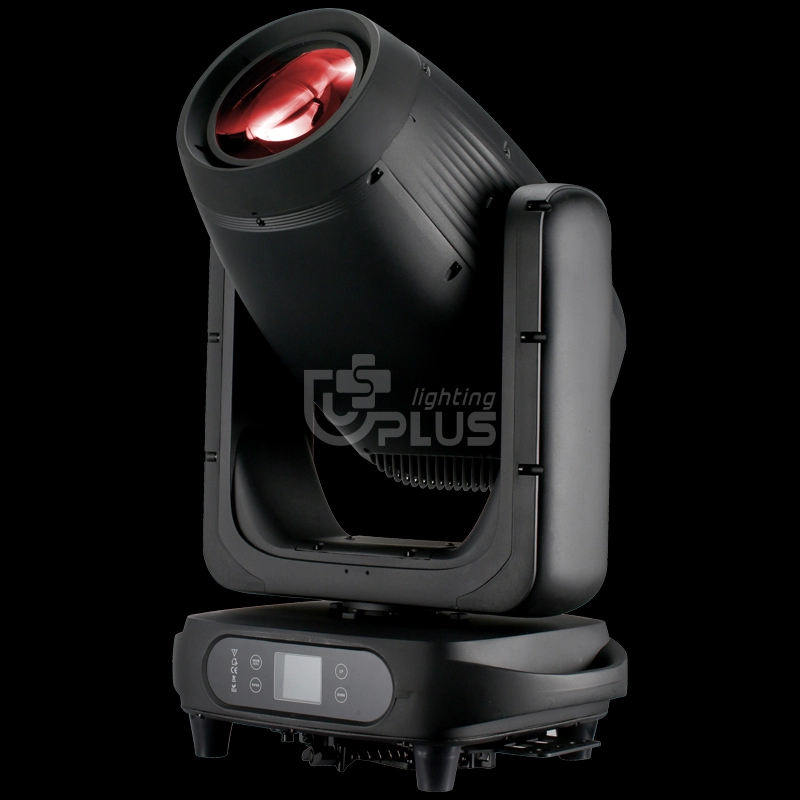
1000W Waterproof BSWF 4-in-1 Moving Head combines beam, spot, wash, and frame effects in one. IP-rated waterproof design, high-brightness output, precise control, ideal for outdoor & indoor stage events.
Stay updated on our latest news
If you have any comments or good suggestions, please leave us a message, later our professional staff will contact you as soon as possible.
Lighting Innovators
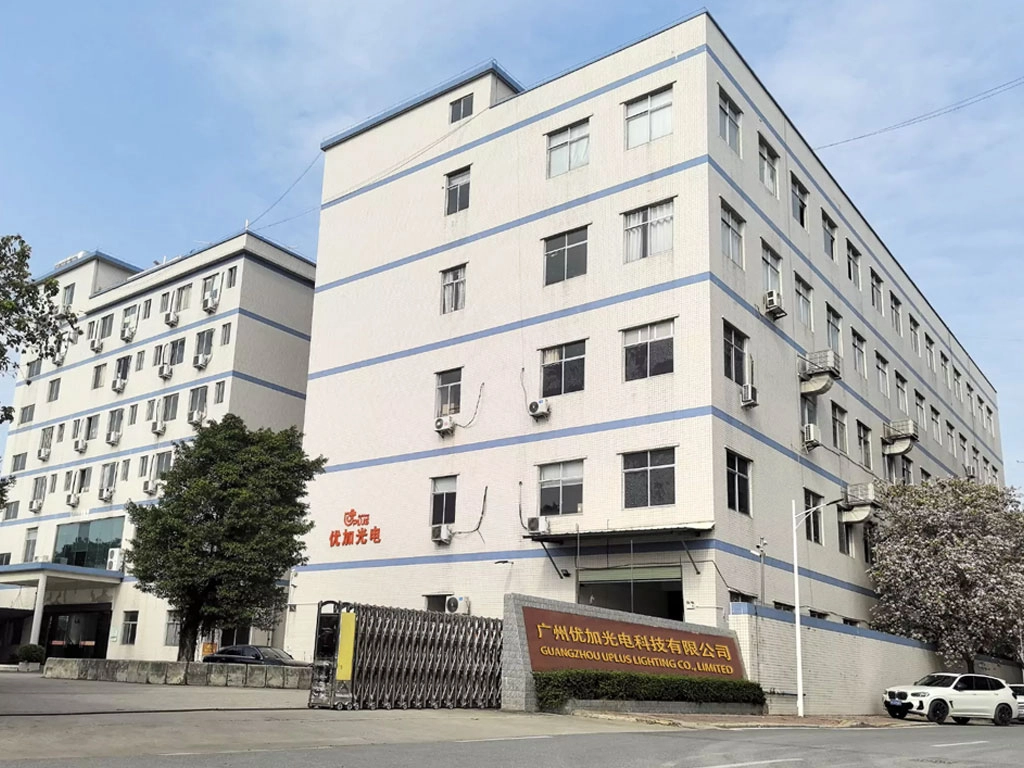
Uplus Lighting is a leading integrated company specializing in R&D, design, production, and sales of stage lighting solutions.
 Scan QR Code
Facebook
Instagram
YouTube
VK