Introduction
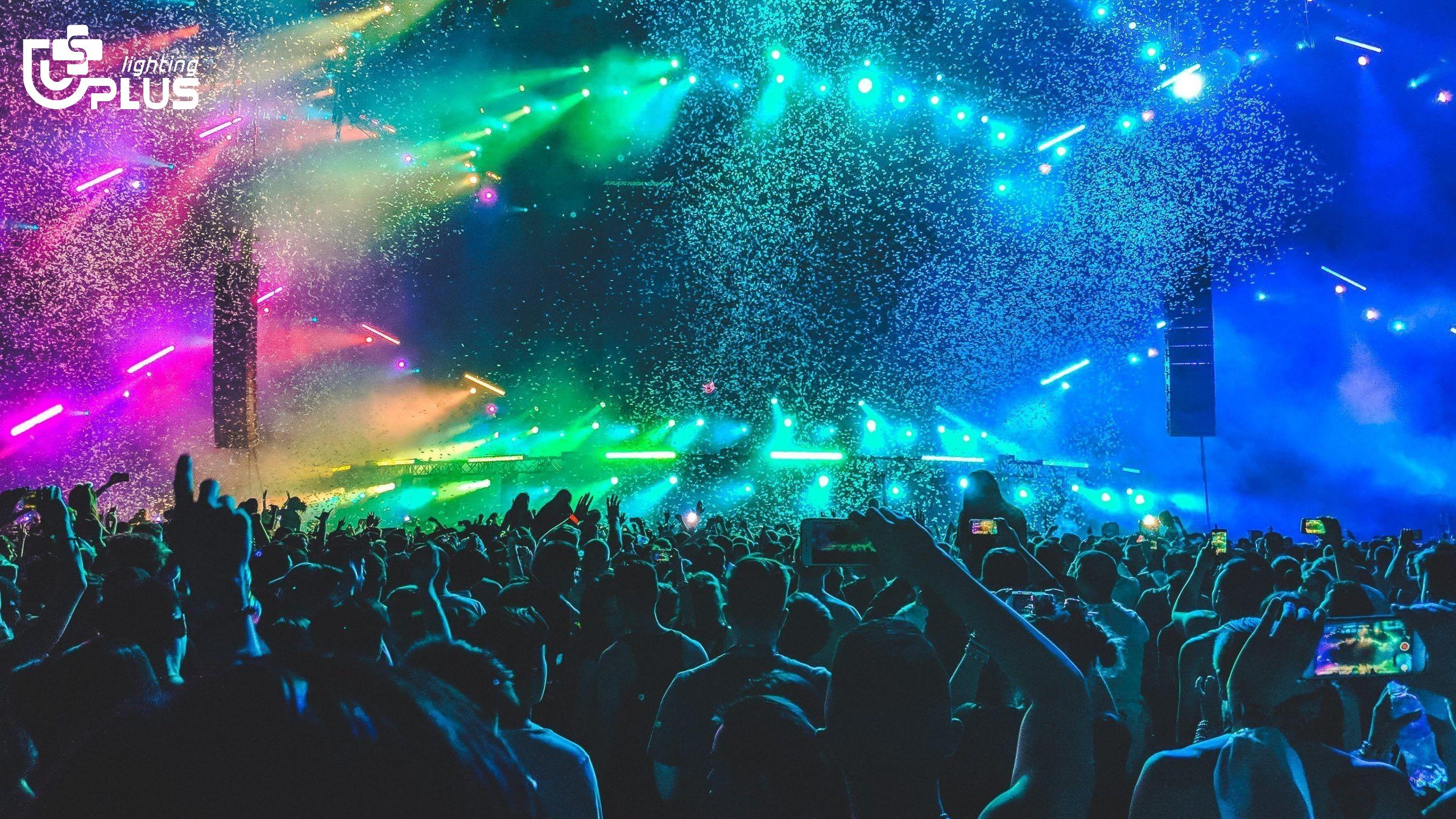
Walk into any live concert, EDM festival, rock show, or pop live performance, and you will almost always see one classic stage lighting effect: strobe lights. These high-speed flashing lights have become a staple of modern live entertainment, but most audiences do not fully understand why concerts use strobe lights universally.
Strobe lights are not just random decorative flashes. Professional lighting designers deploy them for specific artistic, rhythmic, and atmospheric purposes. When synchronized with music beats, stage performances, and show plots, strobe effects turn ordinary live music into an immersive, multi-sensory experience. This article breaks down the core reasons for using strobe lights in concerts, their unique effects, applicable scenarios, and critical safety notes.
1. Synchronize With Music Rhythm & Boost Musical Dynamism
The primary reason concerts use strobe lights is to visualize music rhythm. Traditional stage lights offer steady illumination, while strobe lights produce rapid, adjustable flashing frequencies that perfectly align with beats, drops, drum solos, and musical climaxes.
For fast-paced genres like EDM, electronic music, rock, and hip-hop, steady lighting feels flat and fails to match the high-tempo melody. Strobe flashes pulse in sync with bass drops and rhythmic changes, turning auditory rhythm into visible visual rhythm. This cross-sensory collaboration makes the music’s power and speed more perceptible to the audience.
Lighting designers can tweak strobe speed, flash interval, and brightness in real time: slow flashes for tense build-ups and ultra-fast bursts for explosive chorus peaks, maximizing musical layering and dynamism.
2. Create Immersive Atmosphere & Unique Visual Effects
Strobe lights deliver exclusive visual effects that static lighting cannot replicate, helping concerts build distinct emotional atmospheres. Rapid intermittent flashing interrupts continuous human visual perception, creating stunning stop-motion, slow-motion, and fragmented movement effects for dancers and performers.
When performers dance, jump, or play instruments under strobe lights, their movements are segmented into frame-by-frame dynamic snapshots. This effect makes stage performances look more powerful, sharp, and visually impactful, turning simple stage actions into cinematic, high-energy scenes.
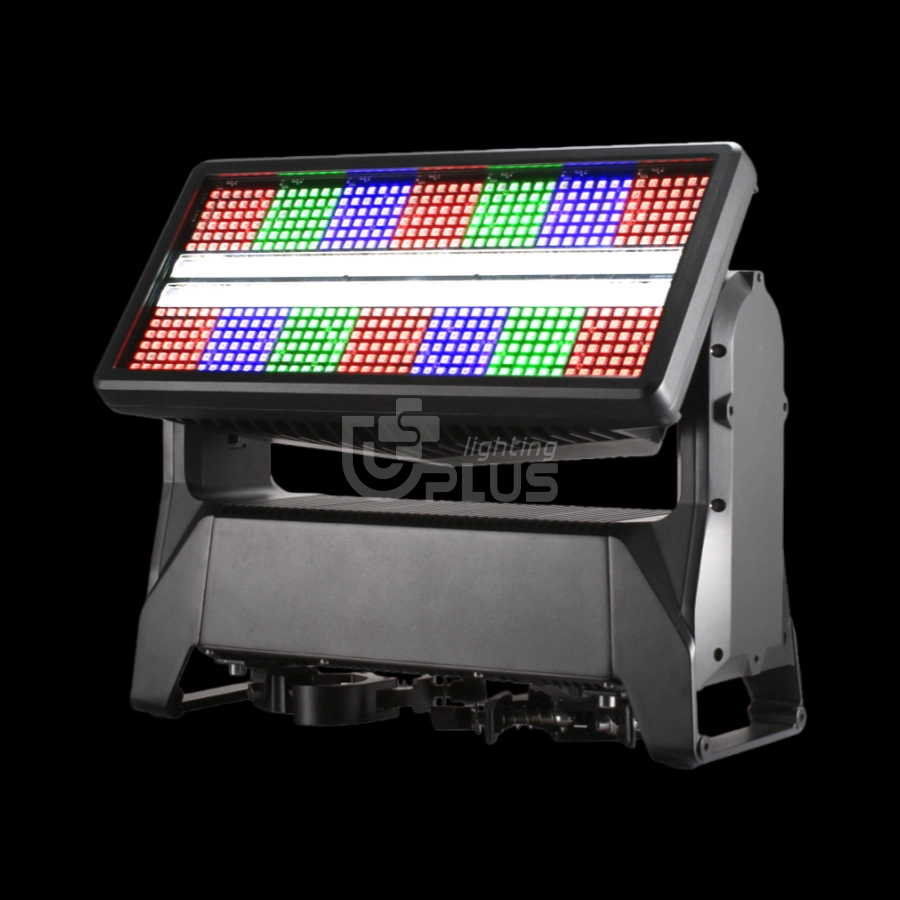
Meanwhile, colored strobe lights (red, blue, purple, cold white) can quickly shift the show’s mood: cool-toned strobes create futuristic, techy vibes for electronic music, while warm red strobes build intense, passionate atmospheres for rock concerts.
3. Highlight Key Performance Moments & Guide Audience Attention
A live concert includes countless performance details, and strobe lights act as a powerful visual guide to emphasize core highlights. Lighting teams precisely trigger strobe effects at critical moments: guitar solos, vocal climaxes, dance breaks, stage transitions, and interactive audience segments.
In large-scale concerts with complicated stage layouts and multiple performers, steady lighting makes it hard for audiences to focus on key actions. The strong contrast of strobe flashes instantly grabs visual focus, highlighting the lead performer’s movements and key stage moments. This prevents visual distraction and ensures the audience captures the most exciting parts of the show.
4. Enhance Audience Engagement & Collective Live Energy
Live concerts differ from recorded music because of their on-site interactive atmosphere, and strobe lights are core tools for activating crowd emotions. Rhythm-synced strobe flashes drive collective visual resonance, making every audience member feel integrated into the overall performance.
Psychologically, rhythmic light pulses trigger visual entrainment, synchronizing the audience’s breathing, heartbeat, and emotional state with the music and stage effects. This significantly boosts on-site energy, encourages audience interaction, cheering, and dancing, and creates a unified, immersive carnival atmosphere unique to live shows.
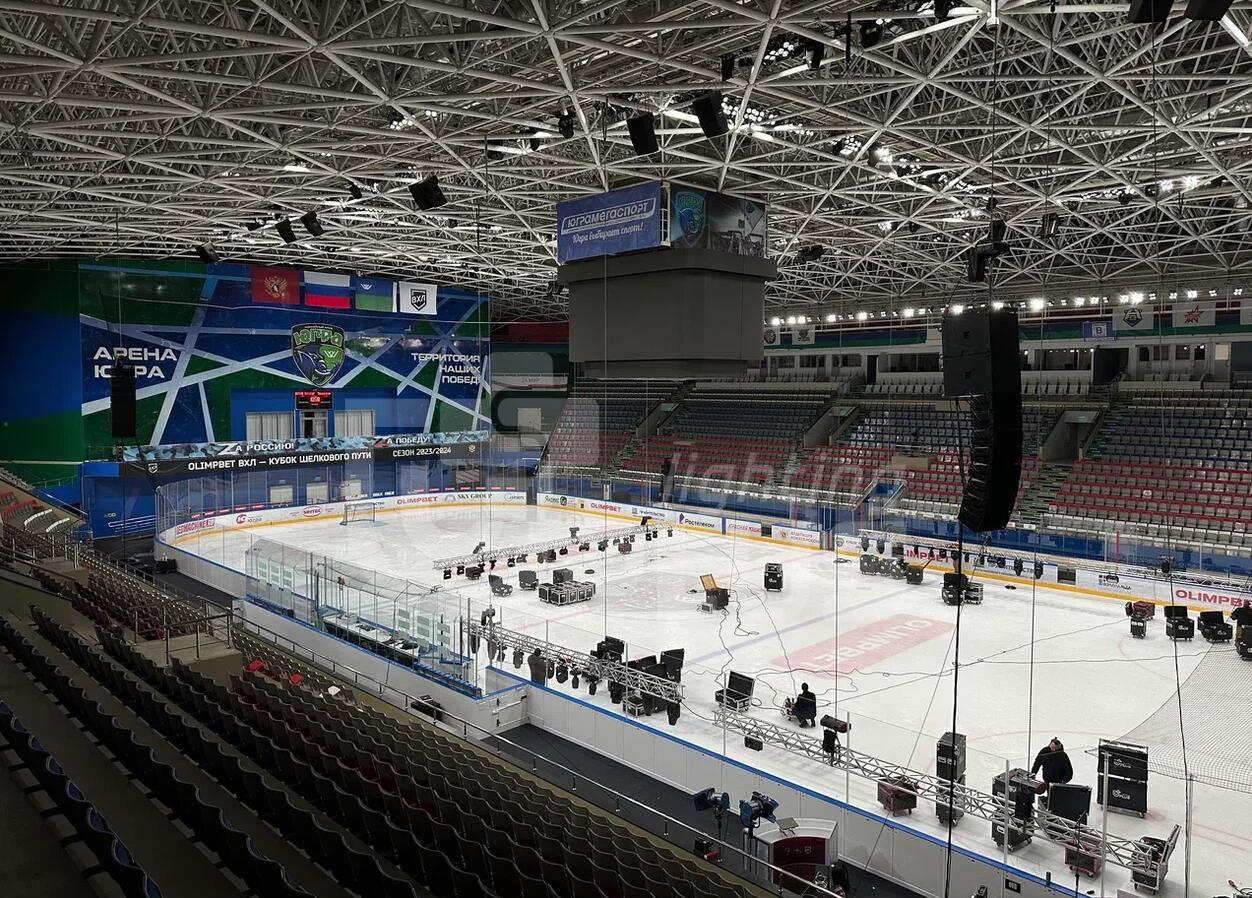
For festivals and large arena concerts, strobe lights also unify the visual experience of audiences in different seating areas, eliminating visual differences and forming an overall immersive stage effect.
5. Enrich Stage Artistic Expression & Complete Show Storytelling
Modern concerts are complete stage artworks integrating music, dance, lighting, and stage design, rather than simple singing performances. Strobe lights serve as an important artistic language to assist show storytelling.
Designers use strobe frequency changes to set tension and release cycles: intermittent slow flashes create a sense of oppression and anticipation in the early stage of a song, while dense fast flashes release accumulated emotion at the climax. This rhythmic fluctuation enriches the emotional layering of the performance and complements the music’s emotional expression.
In themed concerts, strobe effects also match stage themes, costume styles, and plot transitions, making the entire show more cohesive, professional, and artistically expressive.
6. Optimize Live Shooting & On-Site Visibility
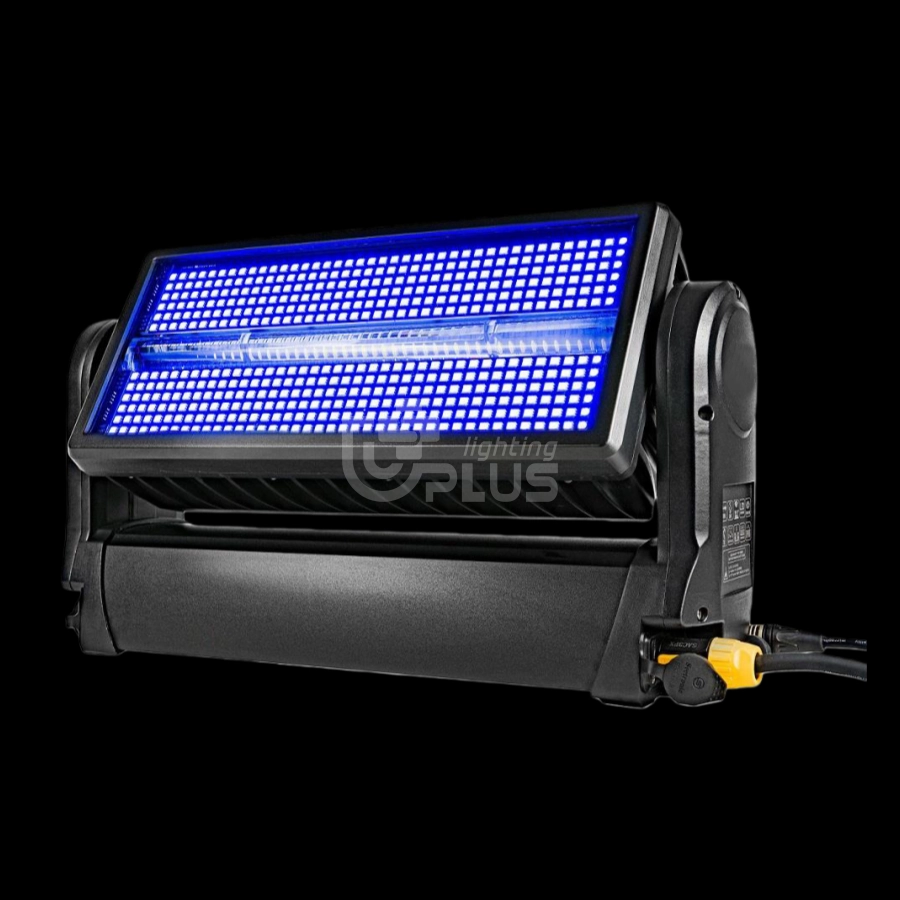
Beyond artistic effects, strobe lights have practical stage functions. High-power adjustable LED strobe lights can calibrate brightness and color temperature according to live broadcast camera parameters, optimizing stage exposure for live streaming and video recording. This makes captured stage footage clearer, more layered, and more suitable for post-editing and official promotion.
In dim large venues, reasonable strobe layout also enhances regional stage visibility, ensuring audiences in distant seats can clearly capture performer movements and stage details.
Key Safety Notes for Concert Strobe Lights
Although strobe lights greatly improve concert effects, they have potential risks with improper use. Formal concert teams strictly follow industry safety standards:
-
Control flash frequency and duration: Avoid ultra-long continuous high-frequency flashing to prevent visual fatigue and discomfort
-
Health reminder: Publicly remind audiences with epilepsy, photosensitive diseases, dizziness, or light sensitivity to take precautions
-
Reasonable angle layout: Prevent direct high-intensity strobe flashes toward the audience’s eyes for a long time
-
Alternate effect matching: Match strobe lights with soft ambient lights to balance visual stimulation and avoid excessive visual pressure
FAQ About Strobe Lights in Concerts
Q1: What kind of concerts use strobe lights the most?
Strobe lights are most widely used in EDM festivals, electronic music concerts, rock shows, pop live performances, and hip-hop live events. These genres feature fast tempos, strong beats, and high-energy atmospheres, which perfectly match the rhythmic and explosive visual effects of strobe lights. Slow-tempo folk and classical concerts rarely use strobe effects to maintain a quiet and soothing atmosphere.
Q2: Are concert strobe lights harmful to eyes?
Standard professional concert strobe lights are safe for most people with controlled frequency, brightness, and duration. Short-term intermittent flashing will not cause eye damage. However, audiences with photosensitive epilepsy, migraine, or weak eye adaptability may feel uncomfortable and need to avoid prolonged direct viewing.
Q3: What is the difference between strobe lights and ordinary stage lights?
Ordinary stage lights focus on steady illumination, color filling, and stage brightening, serving basic lighting needs. Strobe lights focus on dynamic rhythm and visual impact, using high-speed intermittent flashing to create unique stop-motion and rhythmic effects, which ordinary constant lights cannot achieve.
Q4: Why do EDM concerts rely heavily on strobe lights?
EDM music features strong bass, obvious beats, and frequent drop transitions. Strobe lights can perfectly synchronize with electronic music rhythms, visualize invisible sound beats, amplify the explosive sense of drops, and create an immersive carnival atmosphere that fits the core appeal of EDM live performances.
Conclusion
Concerts use strobe lights not for random decoration, but for professional artistic and rhythmic needs. By synchronizing with music beats, creating exclusive visual effects, highlighting performance highlights, activating audience emotions, and enriching stage storytelling, strobe lights bridge vision and hearing, turning ordinary music performances into immersive multi-sensory live experiences.
When used under standardized safety controls, strobe lights become one of the most essential lighting effects for modern high-quality live concerts, greatly improving the professionalism, viewing experience, and infectiousness of live shows.









 Scan QR Code

Facebook
Instagram
YouTube
VK