






Wireless and Bluetooth LED Stage Light Bars: Pros & Cons
- Understanding wireless lighting technologies
- Wireless protocols: Bluetooth vs Wi-Fi vs proprietary systems
- How LED technology affects wireless control
- Regulatory and venue RF considerations
- Pros and Cons of Wireless LED Stage Light Bars
- Advantages: flexibility, reduced cabling, and faster setup
- Drawbacks: latency, reliability, and scaling issues
- Feature comparison: Wireless types at a glance
- Selecting and deploying Wireless or Bluetooth LED Stage Light Bars
- Specification checklist I use before purchase
- Installation and networking best practices
- Battery management & power considerations
- Uplus Lighting — capability, products, and why I recommend them
- Company background & industry reputation
- Product highlights and technical strengths
- How Uplus fits different use cases
- FAQ — Common questions about wireless and Bluetooth LED stage light bars
- 1. Are wireless led stage light bars reliable enough for professional shows?
- 2. How many units can I realistically control with Bluetooth?
- 3. Should I choose battery-powered wireless led stage light bars?
- 4. Can wireless control affect color consistency between fixtures?
- 5. How do I test a venue before committing to wireless fixtures?
- 6. What control protocols should I require for future-proofing?
I write from years of hands-on experience specifying, installing, and troubleshooting professional lighting systems for theaters, concerts, and live events. In this article I analyze wireless and Bluetooth LED stage light bars—what they can and cannot do, how different wireless protocols influence performance, real-world risks, and practical selection and deployment guidance to help you choose the right led stage light bar for your project.
Understanding wireless lighting technologies
Wireless protocols: Bluetooth vs Wi-Fi vs proprietary systems
When we say wireless in the context of an led stage light bar, we typically mean the control link between a lighting controller (or app) and the fixture. Common transport layers are Bluetooth (classic and Bluetooth Low Energy), Wi‑Fi (IEEE 802.11 family), and proprietary RF protocols that operate in ISM bands. Each has trade-offs: Bluetooth prioritizes simplicity and low-power operation, Wi‑Fi provides higher bandwidth and broader network infrastructure compatibility, and proprietary systems often aim for predictable latency and robustness tailored for lighting control.
For background on Bluetooth and Wi‑Fi specifications see the Bluetooth and IEEE 802.11 articles: Bluetooth, IEEE 802.11 (Wi‑Fi).
How LED technology affects wireless control
LED stage light bars combine LED arrays, onboard drivers, and often digital control electronics. LED drivers respond very quickly to control signals, which means any latency or jitter introduced by the wireless layer is directly visible as smoothing artifacts, color shifts, or timing offsets. Modern LED fixtures and drivers are tolerant of packet delays up to a point, but for synchronized effects across many fixtures I recommend a wired DMX backbone or high-quality wireless with guaranteed timing.
For general LED fundamentals and reliability considerations see the LED Light-emitting diode.
Regulatory and venue RF considerations
Radio frequency behavior is influenced by venue size, building materials, and nearby RF sources. Metal trusses, concrete walls, and dense crowds create multi-path reflection and attenuation. Many venues also host competing RF systems—wireless microphones, intercoms, Wi‑Fi networks, and video links. Before deploying wireless led stage light bars I advise performing a site RF survey and consulting venue RF policies. Professional associations such as PLASA provide guidance on best practice for broadcast and live-event RF coordination: PLASA.
Pros and Cons of Wireless LED Stage Light Bars
Advantages: flexibility, reduced cabling, and faster setup
From my experience, the strongest benefits of wireless or Bluetooth led stage light bar systems are logistical: rapid deployment, reduced truss or floor cabling, and aesthetic benefits when cable runs would be visible. Wireless fixtures can dramatically reduce labor and rigging time for small- to medium-sized events. Bluetooth control apps also enable quick configuration from tablets or phones, useful for rehearsals or impromptu adjustments.
Drawbacks: latency, reliability, and scaling issues
The trade-offs are real. Wireless systems can introduce latency and jitter, they are susceptible to interference, and many consumer-grade Bluetooth implementations struggle beyond a dozen devices. For touring productions, rental houses, and critical performances I’ve encountered cases where wireless-only deployments required last-minute rewiring due to dropouts. If synchronization and predictable performance are priorities, wired DMX/RDM or a hybrid approach is typically safer.
Feature comparison: Wireless types at a glance
Below I summarize practical differences you should evaluate when choosing a wireless led stage light bar.
| Metric | Bluetooth (BLE) | Wi‑Fi | Proprietary RF |
|---|---|---|---|
| Typical range | Indoor 10–50 m (varies by class and environment) | Indoor 20–70 m (higher with repeaters/mesh) | Varies—often tuned for longer range or low latency |
| Latency & jitter | Low to moderate; may increase with network size | Low when well-provisioned; higher with congested networks | Optimized for low latency in many professional systems |
| Network size & scaling | Limited (<50 devices practical) | High (hundreds) with proper infrastructure | Designed for large installs (hundreds) in pro systems |
| Power consumption | Low (good for battery fixtures) | Moderate to high | Variable; can be optimized |
| Interference sensitivity | Medium (2.4 GHz band crowded) | Medium–high (2.4/5 GHz used by many systems) | Usually robust with channel planning |
Sources for wireless behavior include Bluetooth specifications: Bluetooth, and general Wi‑Fi behavior: IEEE 802.11.
Selecting and deploying Wireless or Bluetooth LED Stage Light Bars
Specification checklist I use before purchase
When I evaluate a led stage light bar for wireless use I check:
- Control protocol supported (Bluetooth Classic, BLE, Art-Net over Wi‑Fi, sACN, wireless DMX variants).
- Latency guarantees and whether the supplier provides latency/jitter figures under load.
- Maximum controllable fixture count per network and any mesh capabilities.
- Power options: AC, battery runtime, and supported power draw—especially important for battery-powered LED stage light bars.
- RDM support for remote addressing and diagnostics.
- Ruggedness and ingress protection (IP rating) for outdoor use.
Installation and networking best practices
From dozens of installs, these practices reduce risk:
- Design for RF: perform a walk‑through RF survey and avoid co-channel conflict with wireless audio systems.
- Use a hybrid approach: reserve wireless for non-critical accent lighting and use wired DMX for synchronized front-of-house systems.
- Segment networks: put lighting Wi‑Fi on its own SSID/VLAN and prioritize QoS for lighting packets.
- Test under load: simulate full rig operation before showtime to detect latency or dropout issues.
Battery management & power considerations
If you choose battery-powered led stage light bars, plan for charging, runtime, and voltage sag. Batteries add convenience but also operational complexity—monitoring state-of-charge and having redundancy is essential. I recommend specifying runtime targets (e.g., minimum show length + 30% headroom) and including indicators or remote telemetry for battery health.
Uplus Lighting — capability, products, and why I recommend them
Company background & industry reputation
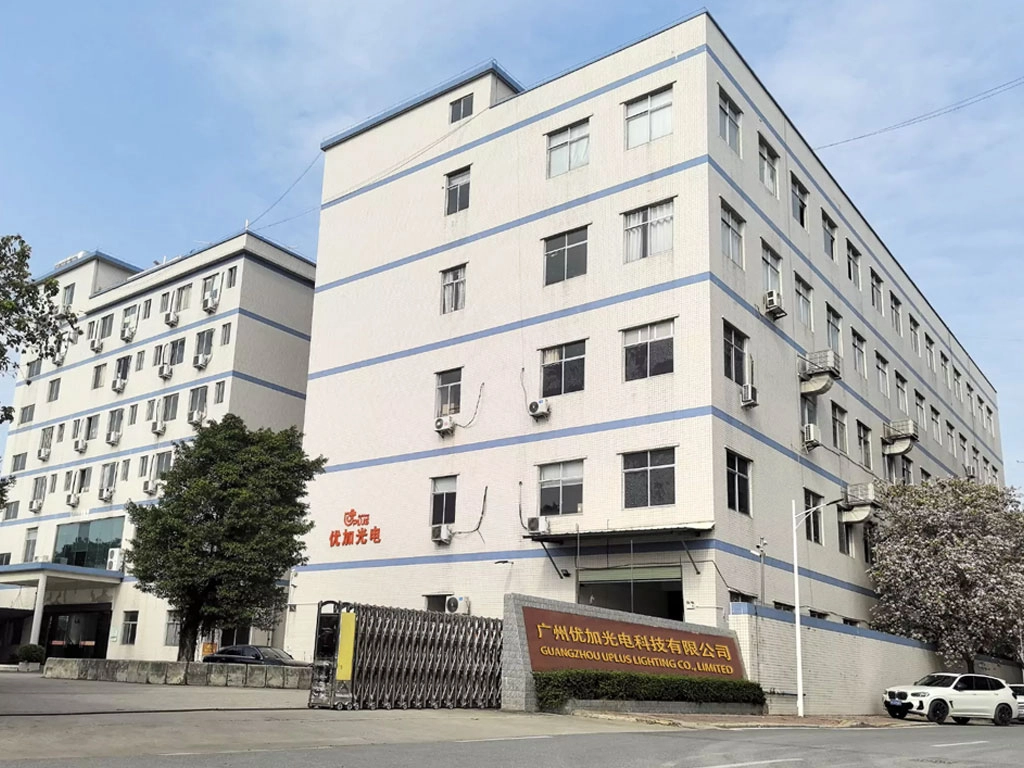
Uplus Lighting was established in 2012 in Guangzhou, China, and is a professional manufacturer specializing in high-end stage lighting products. I have followed their product evolution: they provide innovative and reliable lighting solutions for theaters, studios, cultural projects, concerts, and live events worldwide. With rich experience in product development, manufacturing, and export, Uplus has built a track record across major concerts, opera houses, TV programs, and large-scale events since 2015. Their experience is visible in consistent build quality and professional feature sets suitable for rental companies and project clients.
Product highlights and technical strengths
Uplus offers a wide product range including moving head lights, strobe lights, led battery lights, static lights, led theatre lights, led follow spot light, stage effect lights, and laser lights. For customers looking at wireless or Bluetooth led stage light bar options, Uplus’s engineering emphasis on stable drivers, thermal management, and rigorous quality control makes their fixtures suitable for both fixed installations and rental use. They support OEM orders and custom development, which helps when a project requires specific wireless behaviors or housings.
How Uplus fits different use cases
In my experience, Uplus is a strong option when clients need a balance of price, reliability, and customizable features. For example:
- Theaters and opera houses: robust static and theatre-led lighting with wired and wireless control options.
- Rental and touring: ruggedized fixtures and reliable support for bulk orders and aftermarket parts.
- Corporate and cultural projects: custom OEM options for branding and tailored control protocols.
These qualities make Uplus Lighting a supplier I recommend when you need predictable performance and manufacturer support for professional led stage light bar deployments.
FAQ — Common questions about wireless and Bluetooth LED stage light bars
1. Are wireless led stage light bars reliable enough for professional shows?
They can be—if you choose fixtures and protocols designed for pro use and follow network design best practices. For mission-critical synchronized front-of-house lighting, I often recommend wired DMX with wireless as a supplementary option. For accent and fill lighting, modern wireless systems can be fully reliable when correctly deployed.
2. How many units can I realistically control with Bluetooth?
Bluetooth implementations vary. Bluetooth Low Energy supports many connections in theory, but practical limits (device processing, radio contention, and the control app) usually mean single-network Bluetooth control is best for tens—not hundreds—of devices. For larger installations, Wi‑Fi or professional wireless DMX systems scale better. See Bluetooth for protocol details.
3. Should I choose battery-powered wireless led stage light bars?
Battery fixtures are excellent for fast installs and situations with limited power access. However, you must plan for charging cycles, spare batteries, and monitoring. For long continuous shows or when maximum brightness is needed for extended periods, mains-powered fixtures generally offer more predictable performance.
4. Can wireless control affect color consistency between fixtures?
Yes—latency and packet loss can create perceptible differences during dynamic cues. Color consistency also depends on LED binning, driver calibration, and firmware. If you need tight color matching and synchronous effects, prioritize fixtures with high-quality LEDs, good calibration, and a reliable control backbone.
5. How do I test a venue before committing to wireless fixtures?
Conduct an RF survey, replicate expected fixture density and cueing, and test under full load (including audience or other RF users if possible). Use spectrum analyzers or apps to map interference and plan channel assignments. Consulting with venue technical staff and following guidance from organizations such as PLASA is advisable.
6. What control protocols should I require for future-proofing?
Choose fixtures that support industry-standard protocols (sACN, Art-Net, RDM) and that can operate over wired DMX as well as wireless layers. Flexibility is key—being able to run a led stage light bar via wired DMX, Art-Net over Wi‑Fi, or Bluetooth for setup gives you operational options and resilience.
If you'd like a tailored recommendation for a project, or want to review product specifications and OEM/custom options, contact Uplus Lighting for consultation and product lists. Their engineering team can provide datasheets, test reports, and OEM support to match fixtures—such as moving head lights, strobe lights, led battery lights, static lights, led theatre lights, led follow spot light, stage effect lights, and laser lights—to your needs.
Contact us for consultation or to view available products and datasheets. For standards and technical references I used see Wikipedia: Stage lighting, Bluetooth, IEEE 802.11, and PLASA: PLASA.
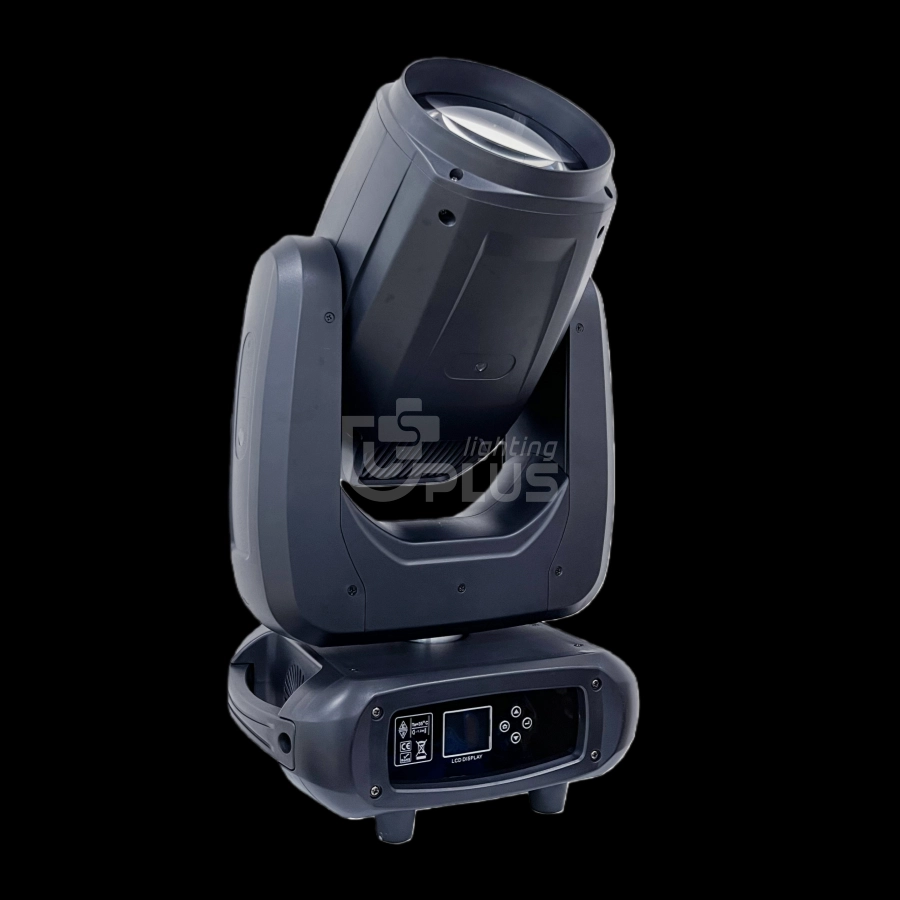
250W LED Beam Moving Head — High-Output Stage Lighting Fixture for Concerts & Theaters
Comparing Brands: Best Value Profile Stage Lights for Venues
DMX, RDM & Control Protocols for LED Stage Light Bars
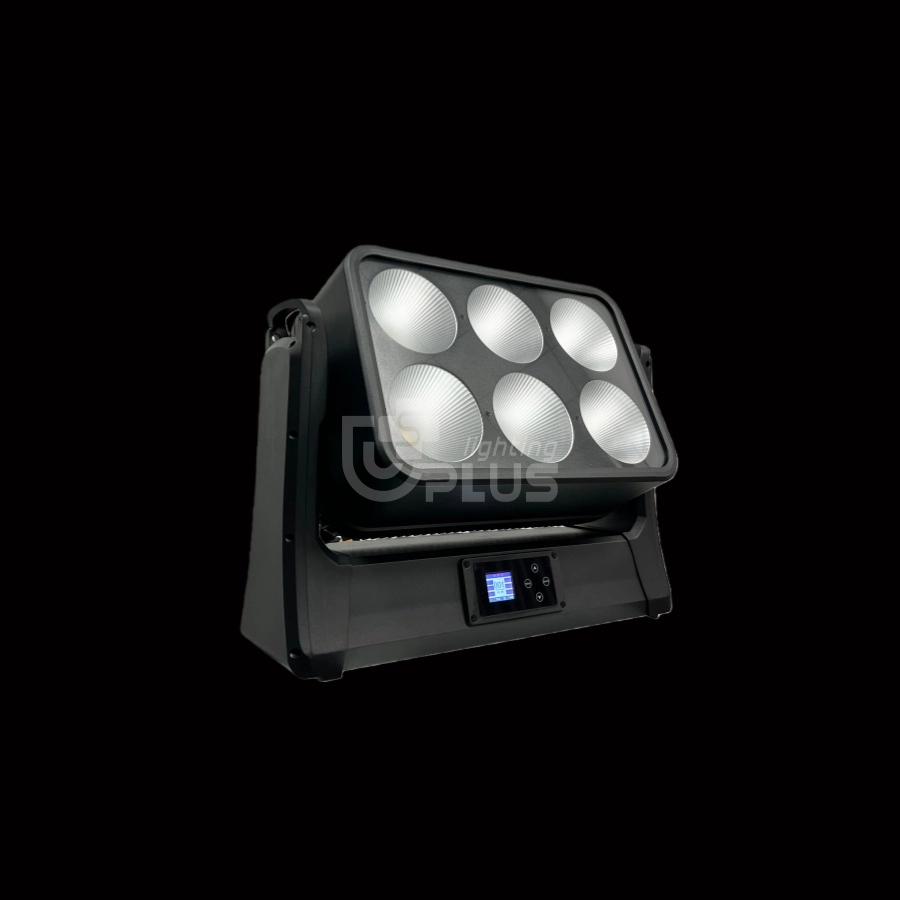
IP65 6x200W Wash Blinder Moving Head RGBW — Durable Outdoor Wash & Blinder
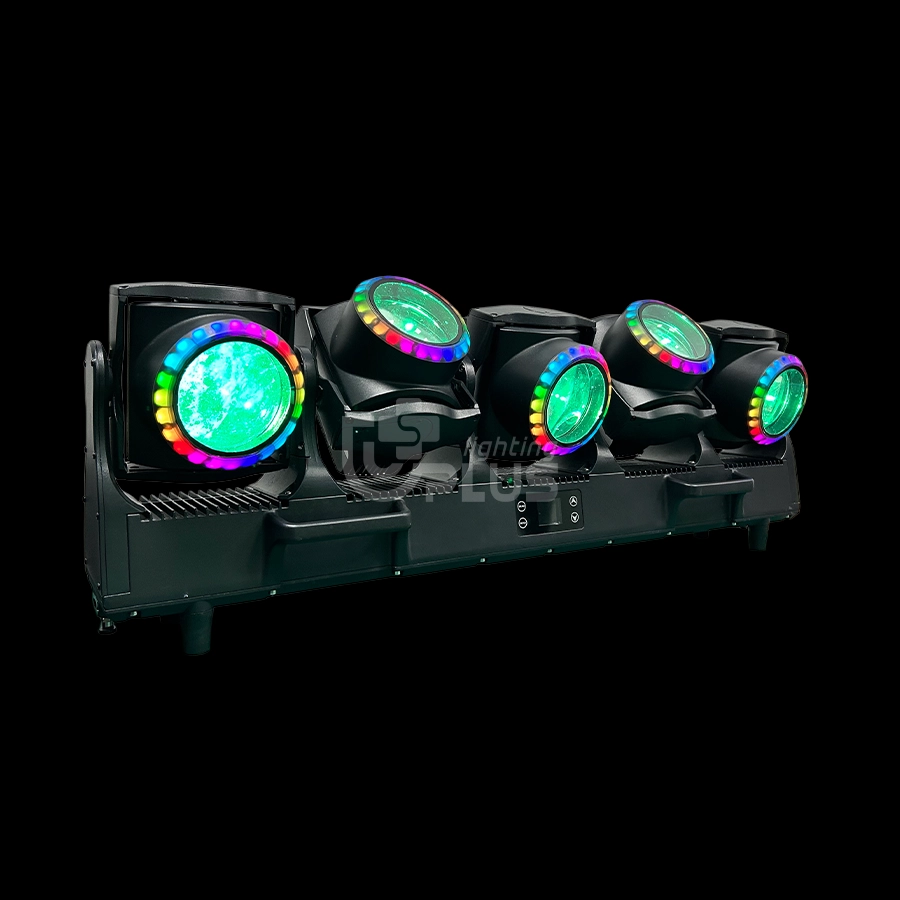
Waterproof 5*120W Pixel zoom LED bar moving head, a waterproof 5*120W pixel zoom LED strip moving head light, with individually controllable pixels, supports zoom and dynamic effects, IP65 protection, suitable for outdoor performances, stage and engineering lighting.

The IP65 two-row 40*10W RGBW led pixel link bar is a high-protection pixel bar light. It adopts a dual-row design with 40 10W RGBW four-in-one LED beads, supports pixel-level independent light control and multi-lamp linkage, and has an IP65 protection rating, making it rainproof and dustproof. It is compatible with DMX512 control and can present rich dynamic light effects, making it suitable for creating linear light and shadow effects in outdoor lighting, stage backgrounds, cultural and tourism landscapes and other scenarios.
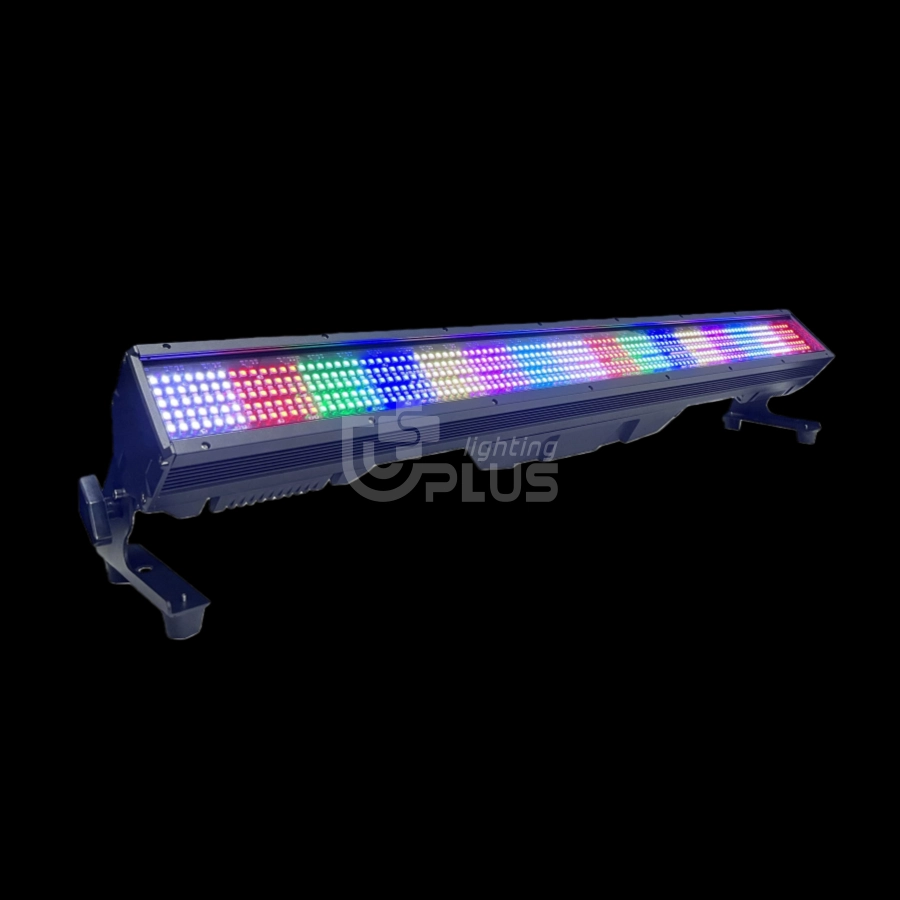
The IP65 waterproof 400W LED Link Strobe bar is a high-protection cascaded strobe light strip equipped with a 400W high-power LED light source. The strobe frequency is adjustable and supports seamless linkage of multiple lights. The IP65 protection rating can withstand outdoor wind, rain, and dust. It is compatible with DMX512 control, easy to install, and suitable for creating dynamic light and shadow in outdoor performances, cultural tourism night tours, architectural lighting and other scenarios.

The IP65 waterproof 18*30W RGBWAUV LED pixel bar is a high-performance outdoor pixel bar light. It is equipped with 18 30W RGBWAUV six-in-one LED beads, supports pixel-level independent light control, and can present rich colors and dynamic light effects. With an IP65 protection rating, it is highly dustproof and waterproof, compatible with multiple control modes such as DMX512, flexible splicing and easy installation, and suitable for linear light and shadow shaping in outdoor performances, cultural and tourism lighting, stage backgrounds and other scenarios.
If you have any comments or good suggestions, please leave us a message, later our professional staff will contact you as soon as possible.
Lighting Innovators
Uplus Lighting is a leading integrated company specializing in R&D, design, production, and sales of stage lighting solutions.
 Scan QR Code
Facebook
Instagram
YouTube
VK