






250W LED Beam Moving Head — High-Output Stage Lighting Fixture for Concerts & Theaters
- How does a high-output LED beam fixture enhance live stage lighting?
- What performance gains can I expect from a modern beam moving head?
- How does beam quality affect the on-stage image and camera capture?
- Why should production teams prefer LED over traditional arc lamps?
- Why is the 250W LED beam moving head suitable for concerts and theaters?
- What operational reliability does a rental-grade beam fixture provide?
- How does this fixture reduce total cost of ownership for venues?
- What signal and control standards does the fixture support for integration?
- How can I specify and deploy the 250W LED beam moving head for a project?
- What power, rigging and venue requirements should I verify?
- How do I ensure compatibility with existing lighting consoles and networks?
- What maintenance and lifecycle planning improves uptime for events?
- How will technical specifications solve common stage lighting problems?
- What photometric and optical specs are most critical for long-throw applications?
- How do thermal management and IP rating affect reliability outdoors?
- Why does certification and manufacturing quality matter for procurement?
- FAQ
- How long is the rated LED lifespan for this type of 250W beam fixture?
- What control protocols and channel counts are supported for integration?
- What maintenance interval should venue techs plan for to ensure reliability?
- What are the typical power and cooling considerations for rigging multiple beam heads?
- What certifications should buyers look for when specifying fixtures for international projects?
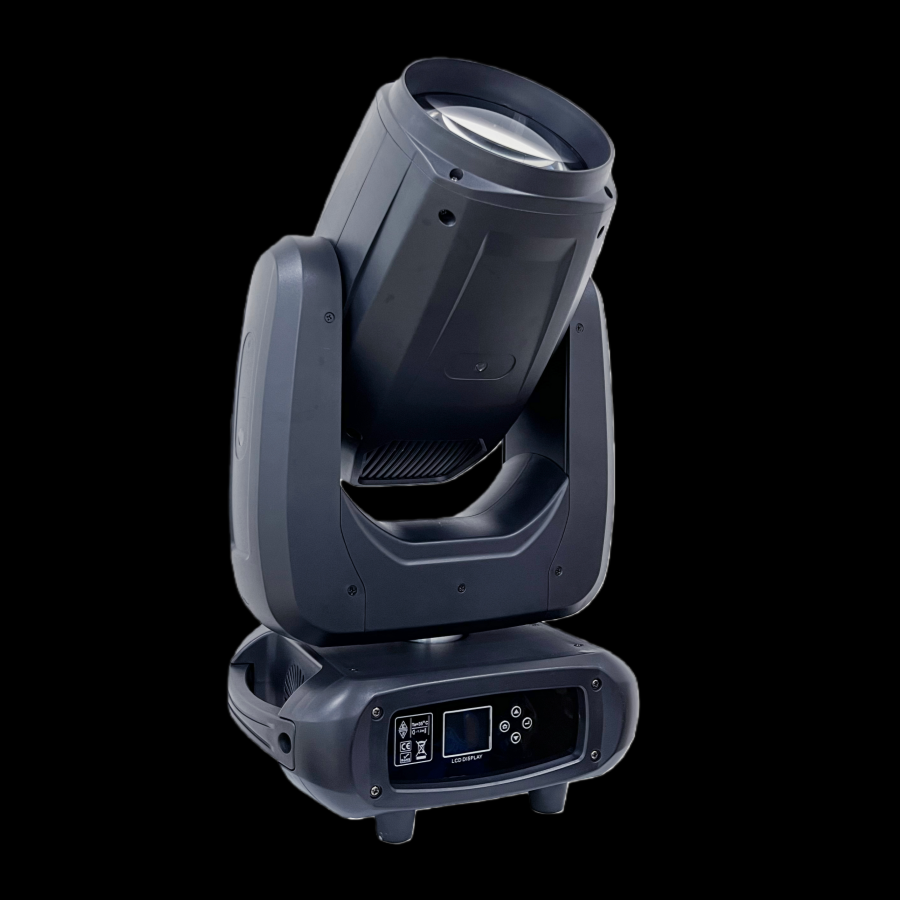
High-output 250W LED beam moving head engineered for professional stage lighting delivers concentrated long-throw beams, energy-efficient operation, and precision control for concerts, TV studios, and theatrical productions; this fixture minimizes maintenance costs with LED lifespans measured in tens of thousands of hours, integrates with DMX/RDM consoles, and supports rental and installation workflows where reliability and repeatable optics matter.
How does a high-output LED beam fixture enhance live stage lighting?
What performance gains can I expect from a modern beam moving head?
Expect increased luminous intensity and tighter beam control that improves audience sightlines and camera exposure. A 250W LED source concentrates light into narrow beam angles, solving problems with insufficient throw and washed-out looks on large stages while lowering per-event power draw compared with discharge sources.
How does beam quality affect the on-stage image and camera capture?
Beam quality directly impacts gobo sharpness, haze interaction, and HDR camera exposure; higher CRI and stable color temperature reduce post-production correction. For live TV and multi-camera events, consistent color and low strobe artifacts reduce retakes and technical adjustments.
Why should production teams prefer LED over traditional arc lamps?
LED fixtures cut lamp replacement downtime, reduce heat load in the rig, and provide instant on/off control with finer dimming curves. This addresses common pain points: logistical lamp swaps, high cooling needs, and inconsistent color output during long tours.
Why is the 250W LED beam moving head suitable for concerts and theaters?
What operational reliability does a rental-grade beam fixture provide?
Rental operations benefit from ruggedized housings, sealed optical chambers, and efficient thermal designs that extend LED life to tens of thousands of hours. These engineering choices reduce field failures, decrease service intervals, and maintain consistent photometric output across tours.
How does this fixture reduce total cost of ownership for venues?
Lower power consumption and minimal lamp maintenance translate to direct cost savings on electricity and staffing. Over a typical 3–5 year deployment, LED-based beam heads often show 30–60% lower operating costs versus discharge fixtures, addressing budget and sustainability goals.
What signal and control standards does the fixture support for integration?
Professional beam heads support DMX512 and often RDM for remote addressing and status monitoring, enabling plug-and-play integration with lighting desks and networked control systems. This solves the common compatibility friction when mixing fixtures from different manufacturers; see DMX512 - Wikipedia.
How can I specify and deploy the 250W LED beam moving head for a project?
What power, rigging and venue requirements should I verify?
Confirm mains supply capacity, typical inrush current values, and available rigging points rated for the fixture weight; plan circuits to avoid overloading dimmer racks. Proper cable management and certified clamps solve common safety issues encountered during install and touring.
How do I ensure compatibility with existing lighting consoles and networks?
Check that the fixture firmware supports standard protocols (DMX512, RDM) and pixel mapping if required; confirm channel mappings and control personalities before rehearsal. Standardized protocols minimize programming time and reduce the risk of control conflicts.
What maintenance and lifecycle planning improves uptime for events?
Schedule basic checks: lens cleaning, fan function, and firmware updates at regular intervals; plan for LED module inspections every 12–24 months. Preventative maintenance reduces mid-tour failures and extends service intervals, keeping shows on schedule.
How will technical specifications solve common stage lighting problems?
What photometric and optical specs are most critical for long-throw applications?
Key specs include beam angle, luminous intensity (cd), and optical homogeneity. Selecting a fixture with a tight beam angle and high luminous efficacy addresses complaints of insufficient stage punch and poor gobo definition at long throw distances.
How do thermal management and IP rating affect reliability outdoors?
Robust thermal designs with temperature sensors and auto-fan control prevent LED lumen depreciation and color shift; an appropriate IP rating protects against humidity and dust intrusion. These design choices solve failure modes common in festival and outdoor work.
Why does certification and manufacturing quality matter for procurement?
Certifications such as CE and RoHS and adherence to quality management standards reduce compliance risk for international projects. Choosing fixtures from experienced manufacturers with traceable QC processes solves vendor reliability concerns on large-scale builds; see ISO 9001 Quality Management - ISO.
For technical reference on stage lighting principles and LED technology consult Stage lighting - Wikipedia and LED - Wikipedia for background on LED performance.
FAQ
How long is the rated LED lifespan for this type of 250W beam fixture?
The LED light engine is typically rated for around 50,000 hours under normal operating conditions. This means the fixture can run for many years in rental or installation use before significant lumen depreciation becomes a concern, reducing lamp replacement costs.
What control protocols and channel counts are supported for integration?
Fixtures of this class commonly support DMX512 with RDM for remote configuration and may offer 16–32 channel personalities. Standard protocol support ensures direct compatibility with industry consoles, simplifying programming and reducing setup time.
What maintenance interval should venue techs plan for to ensure reliability?
A basic maintenance check is recommended every 6 months with a full service every 12–24 months. Regular checks include fan operation, lens cleaning, and firmware updates to prevent avoidable show interruptions and maintain photometric consistency.
What are the typical power and cooling considerations for rigging multiple beam heads?
Plan for continuous power draw per unit and aggregate inrush current; ensure adequate ventilation or forced-air cooling in tight truss clusters. Correct circuit planning and thermal spacing prevent tripping and overheating during high-intensity cues.
What certifications should buyers look for when specifying fixtures for international projects?
Look for CE marking, RoHS compliance, and manufacturer quality controls such as ISO 9001 certification. These certifications reduce customs and safety issues and give you documented traceability for procurement and warranty claims.
For procurement or technical clarification contact Uplus Lighting customer service to discuss project-specific rigging, photometrics, and lead times.
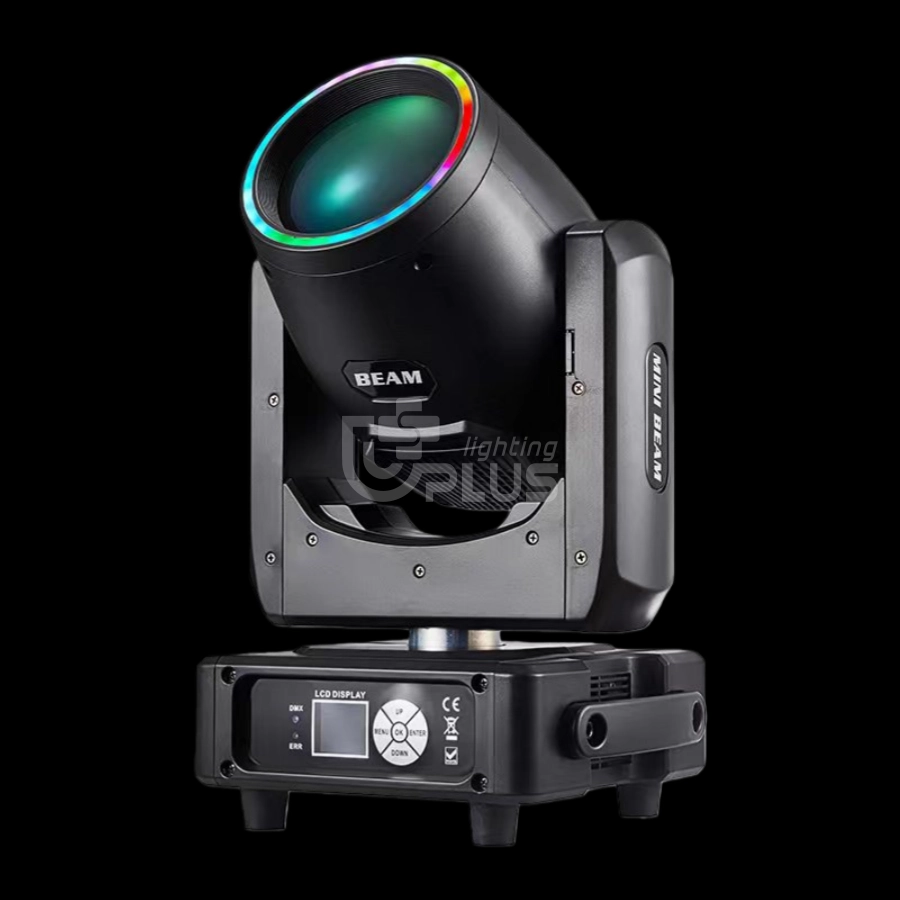
Mini 230W 7R Beam Moving Head with Ring Effect – High-Output Compact Stage Lighting Fixture
How to Choose Profile Stage Lights for Concerts and Venues
DMX Control Basics for Moving Head Wash Light Systems
DMX Control Tips for Moving Beam LED Light Bars
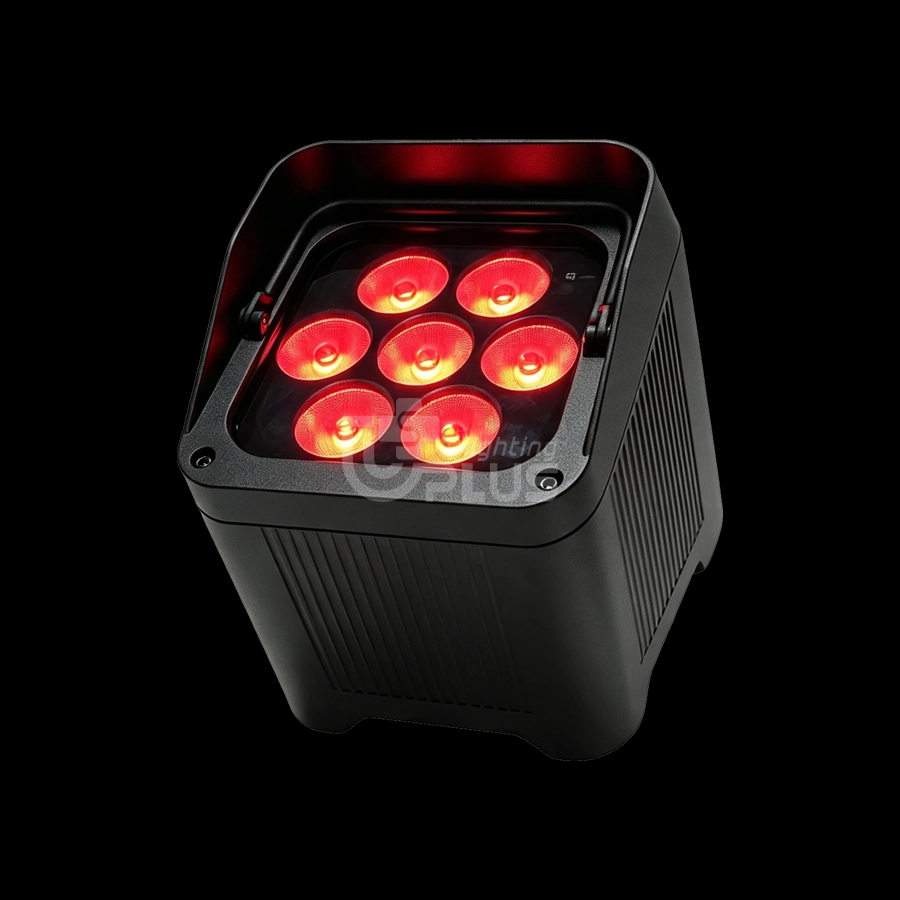

1000W Waterproof BSWF 4-in-1 Moving Head combines beam, spot, wash, and frame effects in one. IP-rated waterproof design, high-brightness output, precise control, ideal for outdoor & indoor stage events.
If you have any comments or good suggestions, please leave us a message, later our professional staff will contact you as soon as possible.
Lighting Innovators
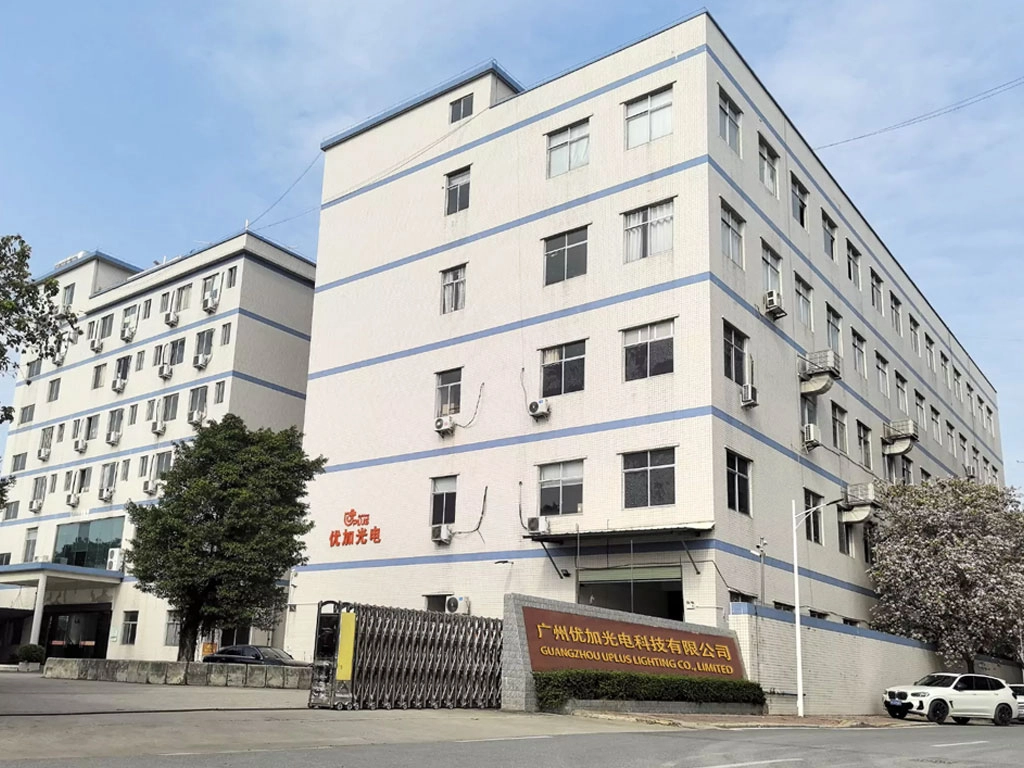
Uplus Lighting is a leading integrated company specializing in R&D, design, production, and sales of stage lighting solutions.
 Scan QR Code
Facebook
Instagram
YouTube
VK