






Compare: Single vs Multi-Color LED Moving Beam Heads
- Understanding beam head fundamentals
- What is a moving beam head and why LED matters
- Single-color vs multi-color: basic definitions
- How LED architecture influences beam performance
- Performance comparison: brightness, color, and optics
- Brightness and perceived intensity
- Color gamut, saturation, and flexibility
- Optical quality and beam edge
- Operational considerations: control, maintenance, and cost
- DMX/Art-Net channels and complexity
- Maintenance, lifespan, and thermal behavior
- Procurement and lifecycle cost
- Use-case driven selection and practical recommendations
- Which to choose for concerts and large touring productions
- Theatre, TV, and houses of worship scenarios
- Rental companies and event production considerations
- Spec checklist and buying guidance
- Minimum spec checklist I use
- Questions to ask manufacturers
- When to choose hybrid deployment
- Uplus Lighting — capabilities and why it matters for your purchase
- FAQ — Common questions about LED moving beam heads
- 1. Which is brighter: single-color or multi-color moving beam?
- 2. Can multi-color beams produce accurate skin tones for TV?
- 3. Do multi-color fixtures require more maintenance?
- 4. How many DMX channels do I need?
- 5. Is it better to mix both types in a rig?
- 6. Where can I find reliable photometric data?
- Conclusion and next steps
Compare: Single vs Multi-Color LED Moving Beam Heads
As an experienced stage lighting designer and consultant, I aim to give you a clear, evidence-based comparison of single-color and multi-color led moving beam head stage light designs. I’ll explain how each approach affects brightness, color control, maintenance, and suitability for different events, and provide practical buying and specification advice you can act on when selecting fixtures for theatres, concerts, houses of worship, or rental fleets.
Understanding beam head fundamentals
What is a moving beam head and why LED matters
A moving beam head is an automated luminaire with a narrow, well-collimated beam and pan/tilt movement commonly used for aerial effects, long-throw shafts, and audience looks. Modern units are frequently LED-based because LEDs provide higher energy efficiency, longer life, and smaller form factors compared to discharge lamps. For general background on stage lighting concepts, see Stage lighting (Wikipedia).
Single-color vs multi-color: basic definitions
By single-color I mean fixtures that use one type of LED emitter color (commonly white with fixed or limited color temperature) combined with color filters or gobo-based color wheels to produce effects. Multi-color (RGB, RGBW, or RGBA+CW) means multiple LED emitters of different primaries are used within the same optical system to mix a wide gamut of colors on-the-fly. Both types are available as high-power led moving beam head stage light designs.
How LED architecture influences beam performance
LED emitter packaging, lensing, and thermal management profoundly affect the usable beam intensity and quality. A single-color architecture concentrates optical power into fewer wavelengths, which can produce higher perceived intensity for that color. Multi-color architectures distribute optical power across separate emitters and rely on color mixing; the mixing method (integrating rod, diffusive chamber, or pixelated arrays) determines color uniformity and beam sharpness.
Performance comparison: brightness, color, and optics
Brightness and perceived intensity
When selecting a led moving beam head stage light, brightness (measured in lux at distance or lumens out of the fixture) is frequently the top metric for large venues. Single-color heads—especially those using high-power white LEDs or high-CRI white emitters—often produce higher raw lumen outputs because all LED energy contributes to a single spectral output. Multi-color heads, when tuned to saturated colors, can appear dimmer because spectral energy is split between channels. For general LED efficacy and lumen-per-watt guidance, refer to the U.S. Department of Energy’s LED overview: U.S. DOE - LED Lighting.
Color gamut, saturation, and flexibility
Multi-color heads win for on-demand color variety. RGBW or RGBA fixtures can reproduce a wide gamut and subtle pastel tones, and they eliminate the need for physical gels. If your program demands frequent color changes, skin-tone rendering, or pixel effects, multi-color heads are usually the better choice. Single-color heads can still deliver dramatic saturated colors via dichroic wheels or CMY subtractive mixing (in fixtures that incorporate color mixing systems), but their flexibility is more limited.
Optical quality and beam edge
The optical design—reflectors, lenses, and gobos—determines beam edge, sharpness, and gobo fidelity. Single-emitter white sources can be optimized for a tight, intense beam with clean edges. Multi-color fixtures must manage color convergence: poor mixing leads to color fringing at sharp gobo edges. High-end multi-color moving beams incorporate mixing rods, homogenizers, or tight optical alignment to minimize this; manufacturer datasheets often indicate gobo resolution and beam angle specs, which I recommend checking directly on fixtures you’re considering.
Operational considerations: control, maintenance, and cost
DMX/Art-Net channels and complexity
Multi-color led moving beam head stage light units typically require more control channels to handle RGB(A) channels, color macros, and pixel effects. That increases programming complexity and timeline size. Single-color heads have simpler control sets, which can be helpful for minimalistic shows or for technicians who require fast patching during festivals or quick-turn rental events.
Maintenance, lifespan, and thermal behavior
All LEDs degrade over time, but thermal management is the key variable. A single-color fixture with fewer LED types can be easier to cool and therefore more stable in output over long shows. Multi-color fixtures with dense arrays require more elaborate heat sinking. In my experience, choosing fixtures from manufacturers with proven thermal designs and robust warranty terms reduces long-term service costs; also, standardized parts and modular LEDs simplify field repairs for rental fleets.
Procurement and lifecycle cost
Upfront, multi-color heads are often more expensive than comparable single-color units because of additional emitters, control electronics, and more sophisticated optics. However, if your production repeatedly uses variable color palettes, the cost of gels, labor to swap color wheels, and the limitations of single-color units can make multi-color fixtures economically superior over a 3–5 year lifecycle. For fleet owners, run total cost of ownership models comparing purchase price, power consumption, and maintenance intervals. The United States Institute for Theatre Technology (USITT) offers resources on lifecycle considerations for theatrical equipment.
Use-case driven selection and practical recommendations
Which to choose for concerts and large touring productions
For concerts where long throw, high punch, and strong white or saturated color shafts are needed, I often specify high-output single-color beams supplemented by multi-color fixtures for wash and color accents. This hybrid approach uses the strengths of each type: single-color units for aerial columns and audience eye candy, multi-color for stage washes and color-driven effects.
Theatre, TV, and houses of worship scenarios
Theatre and TV prioritize accurate skin tones and subtle color transitions. Here, multi-color (especially RGBW or RGB+CTO variants) excels because of its ability to reproduce consistent, controllable color temperatures and improve color rendering. For houses of worship where simplicity and low maintenance are priorities, a mix of white-biased single-color beam heads and color-capable fixtures gives flexibility without overwhelming technical teams.
Rental companies and event production considerations
Rental inventories benefit from a balanced fleet. I recommend keeping a percentage split (for many of my clients, about 40% single-color high-output beams and 60% multi-color flexible units) so you can serve both high-intensity corporate events and color-driven concerts. Standardizing on a few models reduces spare parts inventory and training time.
| Attribute | Single-Color | Multi-Color (RGB / RGBW) |
|---|---|---|
| Typical use | High-intensity shafts, gobo projection, eye candy | Color washes, pixel effects, skin-tone critical applications |
| Color flexibility | Limited (gels/wheels); strong whites | High (wide gamut, dynamic mixing) |
| Perceived brightness | Often higher for whites/single tones | May appear lower when mixing saturated colors |
| Control complexity | Lower DMX channel count | Higher DMX channels, more programming |
| Maintenance | Simpler thermal & fewer emitters | More complex cooling; potential for per-channel failure |
| Typical buyers | Large venues, touring shows, rental houses needing punch | Theatres, TV studios, events needing color versatility |
Notes: Generalized comparisons above; always check specific fixture datasheets for lux-at-distance, beam angle, CRI, and photometric reports. For LED efficacy and performance baseline data, consult the U.S. DOE guidance on LEDs: Energy.gov - LED Lighting.
Spec checklist and buying guidance
Minimum spec checklist I use
- Lux measurement at key distances or a photometric IES file
- Beam angle range and gobo / prism options
- Color system: single white, RGB, RGBW, CRI/Tc control
- Power consumption and thermal specs
- IP rating if used outdoors
- DMX/Art-Net/sACN compatibility and firmware update path
- Manufacturer service network and warranty
Questions to ask manufacturers
Request measured photometric reports (not just lumen numbers) and ask about LED binning, CRI/TLCI for fixtures intended for camera use, and the expected L70 lifetime at the specified ambient temperature. Also ask about spare parts lead time and the physical modularity of the LED engines and drivers.
When to choose hybrid deployment
In most professional environments I recommend a hybrid deployment of both single and multi-color led moving beam head stage light units. This maximizes both raw output and creative flexibility while mitigating single-point weaknesses (e.g., color mixing artifacts at long throws or insufficient punch for white shafts).
Uplus Lighting — capabilities and why it matters for your purchase
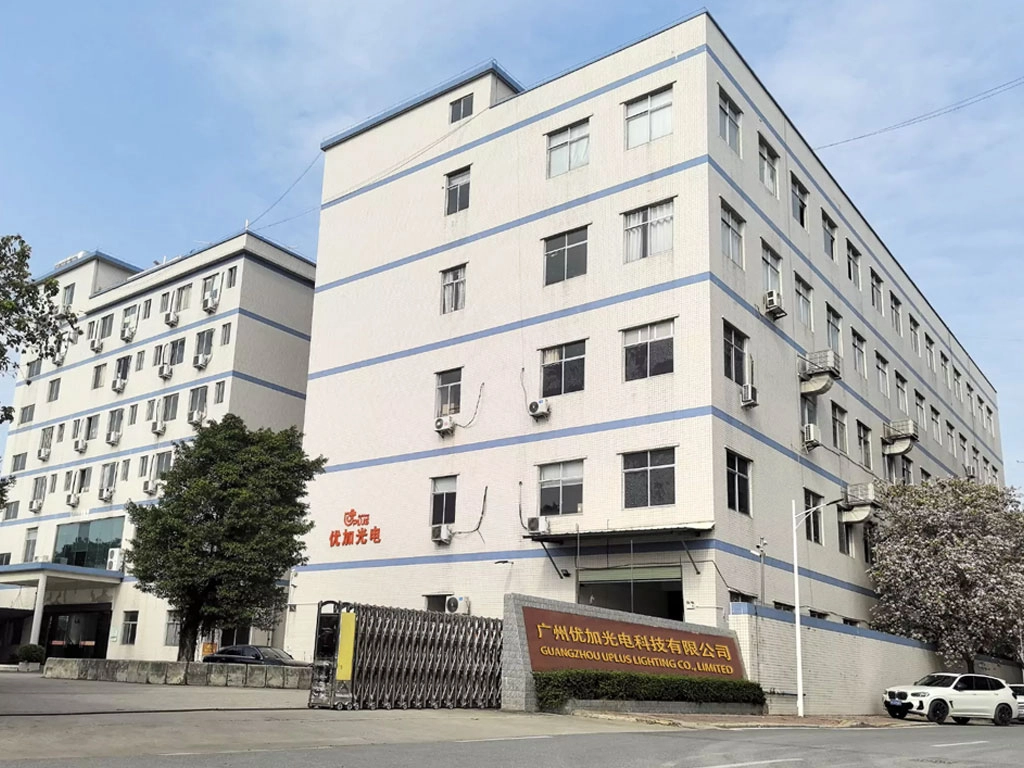
Uplus Lighting was established in 2012 in Guangzhou, China, and is a professional manufacturer specializing in high-end stage lighting products. We provide innovative and reliable lighting solutions for theaters, studios, cultural projects, concerts, and live events worldwide. With rich experience in product development, manufacturing, and export, we offer a wide product range covering professional lighting, entertainment lighting, and theater lighting to meet the needs of large performances, rental companies, distributors, and project clients.
Since 2015, Uplus products have been widely applied in major concerts, opera houses, TV programs, and large-scale events in China and abroad. We also support OEM orders and customized product development. A skilled production team and strict quality control ensure stable performance, consistent quality, and professional service trusted by global partners.
Our core product categories relevant to moving beam selection include moving head lights, strobe lights, led battery lights, static lights, led theatre lights, led follow spot light, stage effect lights, and laser lights. What differentiates Uplus Lighting in my experience is:
- Engineered thermal management for long, stable LED life—reducing maintenance in touring environments.
- Modular optical and LED engines that ease field servicing and part replacement.
- Rigor in photometric testing—IES files and lux reports on request so buyers can model their rig accurately.
- OEM flexibility and customization for specific project color or footprint requirements.
If you’re evaluating inventory upgrades or new purchases, Uplus Lighting offers a competitive range of moving head fixtures—both high-output single-color beam heads and color-flexible multi-color models—backed by production experience and export support from Guangzhou. For more about manufacturer backgrounds and industry practices, see the PLASA industry association: PLASA.
FAQ — Common questions about LED moving beam heads
1. Which is brighter: single-color or multi-color moving beam?
Single-color fixtures are often brighter in their native white output because energy is concentrated into a single emitter type. However, high-end multi-color fixtures with powerful LED arrays can match or exceed single-color brightness in many use cases—check lux-at-distance photometrics for apples-to-apples comparison.
2. Can multi-color beams produce accurate skin tones for TV?
Yes—if the fixture uses high-CRI white emitters (or RGBW with quality white LEDs) and the manufacturer provides TLCI/CRI data. Always request spectral power distribution or TLCI/CRI values from the manufacturer when using fixtures for camera work.
3. Do multi-color fixtures require more maintenance?
Potentially—more emitters and more complex optics increase points of failure and thermal load. That said, well-designed multi-color fixtures with robust cooling and modular components can be very reliable. Warranty and service network matter more than emitter count alone.
4. How many DMX channels do I need?
It depends. A basic single-color beam might use a few dozen channels for pan/tilt, dimmer, and beam effects. A full-featured RGBW fixture with pixel mapping can use hundreds. Review the fixture manual and plan your console patch accordingly; modern networks using sACN or Art-Net can ease large-channel-count management.
5. Is it better to mix both types in a rig?
Frequently yes. Mixing high-output single-color beams with multi-color fixtures gives you both punch and palette flexibility. I recommend this for touring shows and multi-purpose venues.
6. Where can I find reliable photometric data?
Ask the manufacturer for IES files and lux-at-distance tables. For general LED performance background, consult the U.S. Department of Energy: Energy.gov.
Conclusion and next steps
Choosing between single-color and multi-color led moving beam head stage light fixtures is a matter of matching fixture strengths to your programmed needs. Single-color units deliver punch and clean optical performance; multi-color units deliver palette flexibility and creative options. In practice I advise a mixed fleet, careful review of photometric data, and selection of manufacturers—like Uplus Lighting—that demonstrate quality control, serviceability, and photometric transparency.
If you'd like personalized recommendations for your venue, rental fleet, or production—including fixture models, photometric evaluations, or customized OEM options—contact our team to discuss specifications and get an accurate quotation.
Contact / Request a quote: sales@upluslighting.com | Visit product catalog: https://www.upluslighting.com (please request IES files and sample photometric reports when inquiring).
Mini LED Moving Head Light vs Standard Moving Head: Comparison
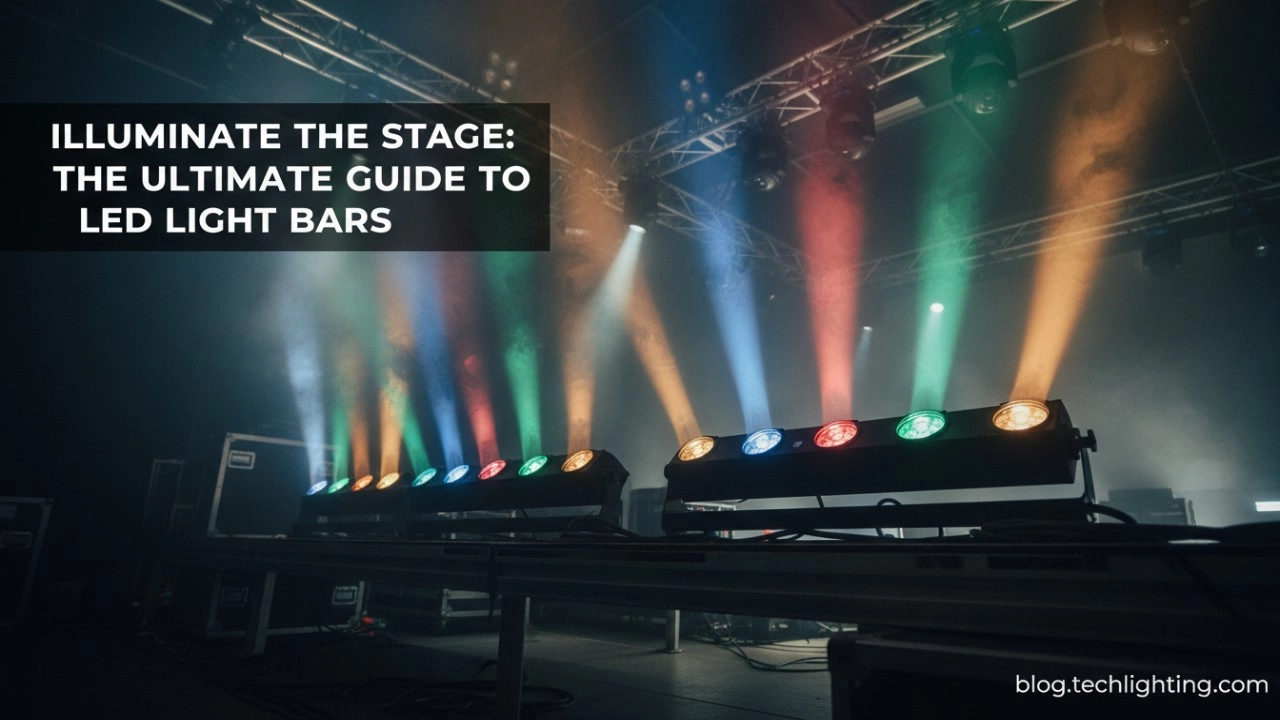
The Ultimate Guide to LED Stage Light Bars: 2026 Professional Setup Tips
IP Rating and Outdoor Use of LED Moving Beam Head Fixtures
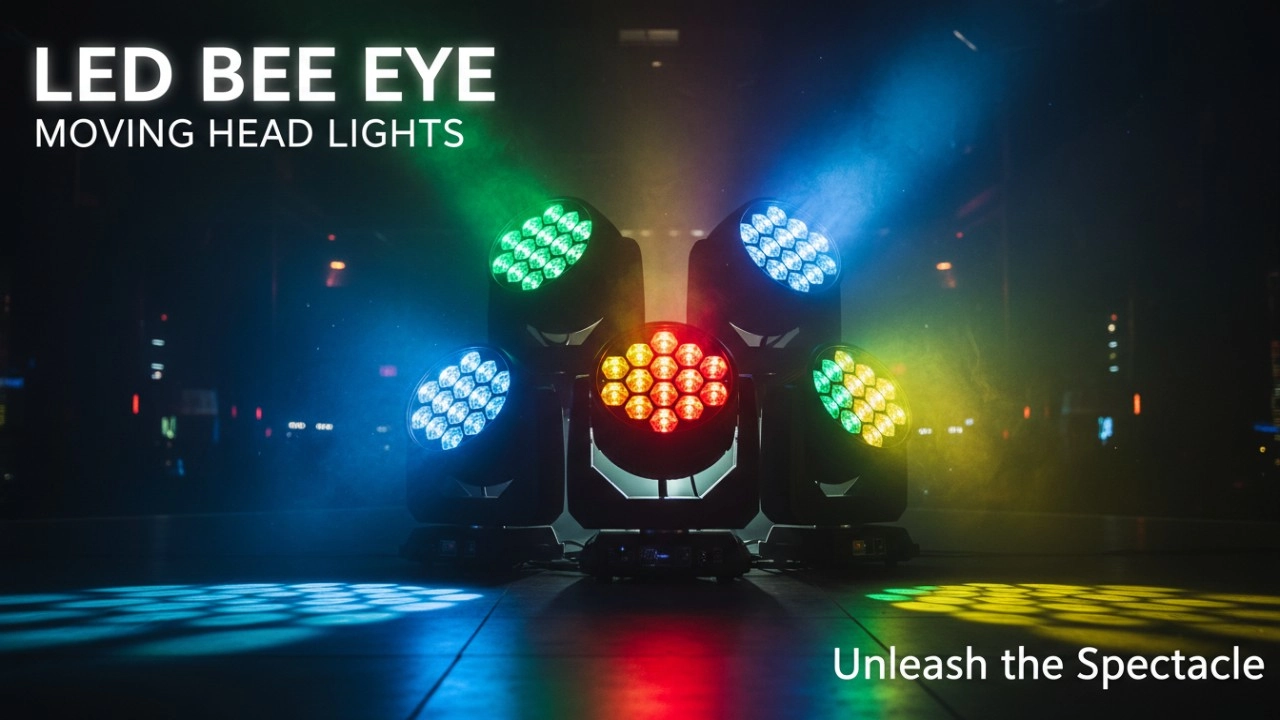
The Ultimate Guide to LED Bee Eye Moving Head Lights: 2026 Buyer’s Edition
IP-W1820
Will it overheat during continuous use?
Efficient heat dissipation design ensures no risk of overheating during prolonged operation, providing stable and reliable performance.
Hospitality
How energy-efficient are your devices?
We use the latest generation of LED lighting fixtures, which provide high brightness while significantly reducing energy consumption, saving more than 60% energy compared to traditional lighting fixtures.
About After Sales Support
Customer Feedback & Improvement
Feedback channel: Customers can make suggestions to our sales staff regarding product quality, service experience or functional requirements.
IP-WS500
Will it overheat during continuous use? How is the heat dissipation?
It has a built-in high-efficiency heat dissipation system, supporting long-term high-intensity operation without overheating risk, ensuring stability and reliability.
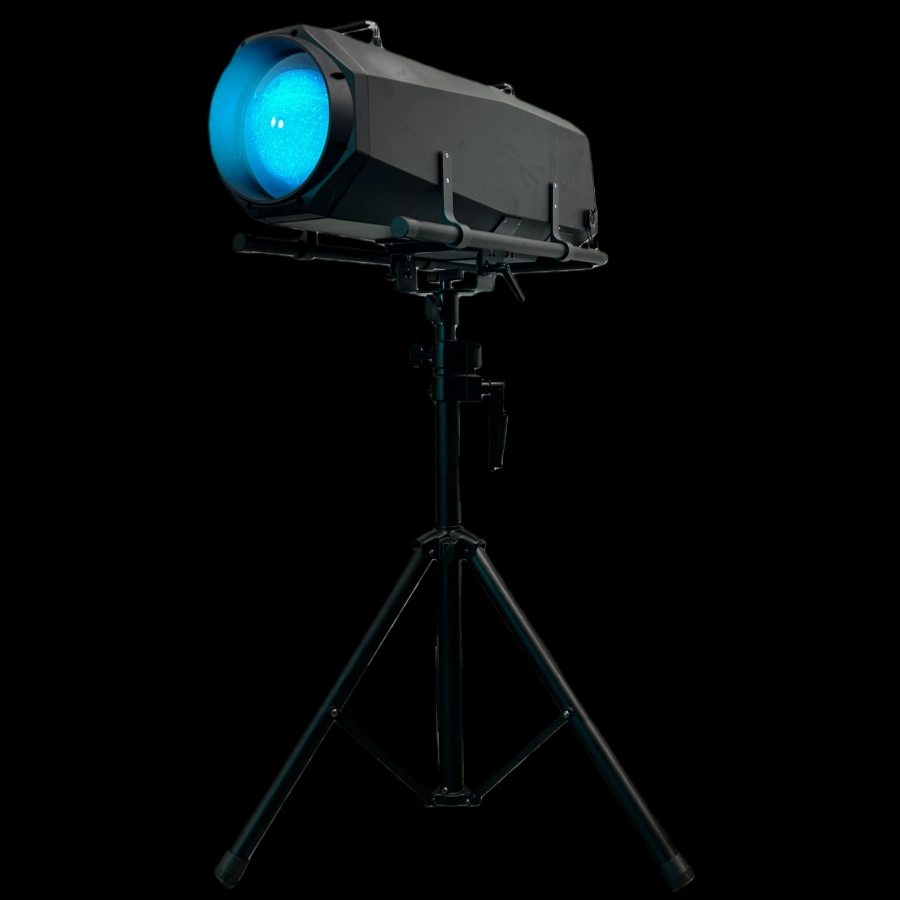
This 1200W waterproof LED follow spotlight with iris adjustment features strong light penetration, precise focusing, and smooth dimming with strobe effects.
Its rain- and dust-resistant design makes it suitable for outdoor performances, concerts, architectural lighting, and other applications. The LED light source boasts a long lifespan and stable, durable operation.
The Waterproof 1200W LED Follow Spot Light with Rotating Gobo features a rotating pattern sheet, delivering a powerful 1200W output for clear, focused beams and precise light tracking. Waterproof for outdoor use in all scenarios, the rotating pattern creates rich visual layers, making it ideal for large-scale indoor and outdoor performances, music festivals, light shows, and other events requiring focused attention and stage effects.
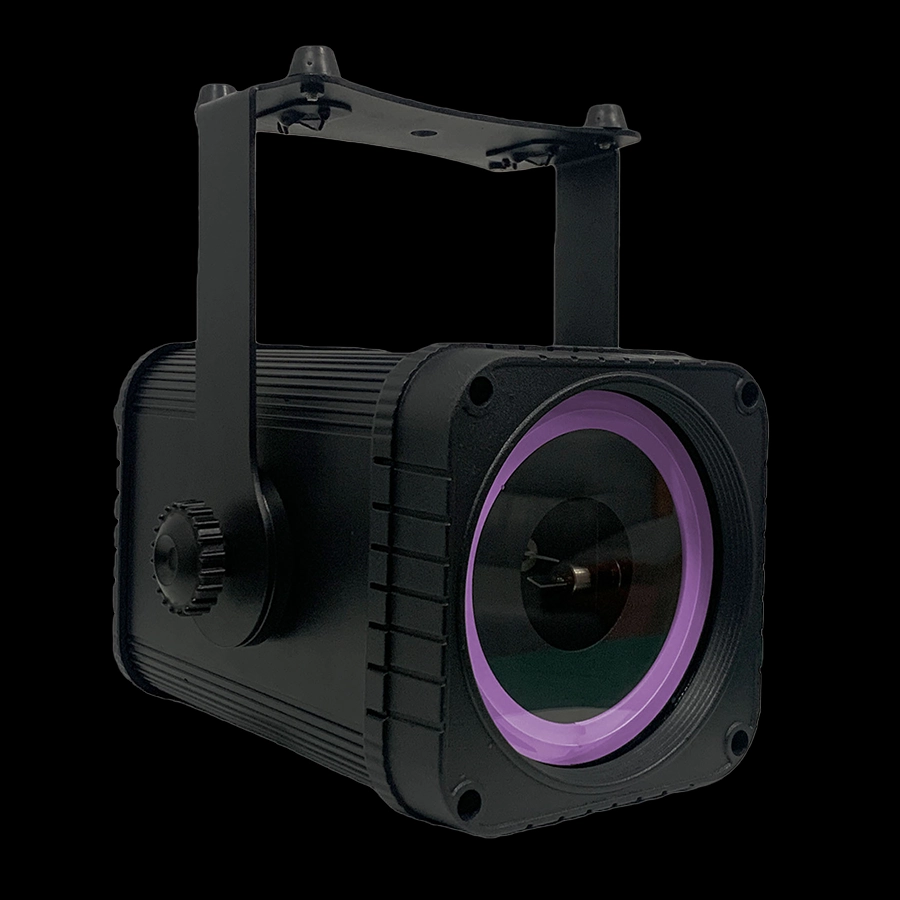
This IP65 waterproof 3W RGB animation laser battery light features an IP65 waterproof and dustproof design, making it suitable for both outdoor and indoor use. It supports rich RGB color combinations and dynamic animation effects, delivering a clear and fluid beam that can display text, patterns, and flowing light and shadow, among other visual representations.
Powered by a built-in battery, it requires no external power source, making it portable, easy to deploy, and simple to operate. Ideal for festive decorations, creating a garden atmosphere, and adding a touch of elegance to small events, it's energy-efficient, durable, and creates a truly immersive ambiance.
This IP65 waterproof 5W RGB animation laser battery light features an IP65 waterproof and dustproof design, making it suitable for both outdoor and indoor use. It supports rich RGB color combinations and dynamic animation effects, delivering a clear and fluid beam that can display text, patterns, and flowing light and shadow, among other visual representations.
Powered by a built-in battery, it requires no external power source, making it portable, easy to deploy, and simple to operate. Ideal for festive decorations, creating a garden atmosphere, and adding a touch of elegance to small events, it's energy-efficient, durable, and creates a truly immersive ambiance.
If you have any comments or good suggestions, please leave us a message, later our professional staff will contact you as soon as possible.
Lighting Innovators
Uplus Lighting is a leading integrated company specializing in R&D, design, production, and sales of stage lighting solutions.
 Scan QR Code
Facebook
Instagram
YouTube
VK