






- 1. What are the typical power consumption ranges for moving head wash lights, and how do they compare to traditional lighting fixtures?
- 2. How does the lumen output of moving head wash lights relate to their power consumption, and what does this mean for energy efficiency?
- 3. What are the typical lifespans of moving head wash lights, and how does this impact long-term energy savings?
- 4. How can the use of moving head wash lights lead to substantial energy savings in large-scale events?
- 5. What factors should be considered when selecting moving head wash lights to ensure optimal energy efficiency?
- 6. How can regular maintenance of moving head wash lights contribute to energy efficiency and cost savings?
How to reduce energy costs with efficient moving head wash lights?
1. What are the typical power consumption ranges for moving head wash lights, and how do they compare to traditional lighting fixtures?
Moving head wash lights are designed to provide broad, even illumination and are available in various power ratings to suit different applications. Typically, these fixtures consume between 60 to 400 watts, depending on their size, features, and intended use. In contrast, traditional lighting fixtures, such as halogen or incandescent lights, often consume significantly more power, ranging from 300 to 2,000 watts. This substantial difference highlights the energy efficiency of modern moving head wash lights, making them a preferred choice for venues aiming to reduce energy consumption and operational costs.
2. How does the lumen output of moving head wash lights relate to their power consumption, and what does this mean for energy efficiency?
The lumen output of moving head wash lights is a critical factor in assessing their energy efficiency. These fixtures typically deliver between 6,000 to 50,000 lumens, depending on their power rating and design. When evaluating energy efficiency, it's essential to consider the lumens per watt (lm/W) ratio, which indicates how effectively a fixture converts electrical power into visible light. Higher lm/W values signify better energy efficiency. For instance, a 200-watt moving head wash light producing 20,000 lumens achieves a lm/W ratio of 100, indicating high efficiency. This metric is crucial for venues seeking to maximize lighting output while minimizing energy consumption.
3. What are the typical lifespans of moving head wash lights, and how does this impact long-term energy savings?
The lifespan of moving head wash lights varies based on the type of light source used. LED-based fixtures are known for their longevity, often lasting between 25,000 to 50,000 hours before reaching 70% of their initial light output (L70). This extended lifespan significantly reduces the frequency of lamp replacements compared to traditional fixtures, which may only last 1,000 to 4,000 hours. The reduced need for replacements not only lowers maintenance costs but also contributes to energy savings by decreasing the environmental impact associated with manufacturing and disposing of replacement lamps.
4. How can the use of moving head wash lights lead to substantial energy savings in large-scale events?
Implementing moving head wash lights in large-scale events can lead to significant energy savings. For example, replacing twelve 1,000-watt halogen fixtures with twelve 250-watt LED moving head wash lights reduces the total power consumption from 12,000 watts to 3,000 watts. Over a 4-hour show, this equates to an energy saving of 36 kilowatt-hours (kWh). At an electricity rate of $0.12 per kWh, the savings amount to approximately $4.32 per show. When multiplied across multiple events, these savings become substantial, highlighting the financial and environmental benefits of adopting energy-efficient lighting solutions.
5. What factors should be considered when selecting moving head wash lights to ensure optimal energy efficiency?
When selecting moving head wash lights for optimal energy efficiency, consider the following factors:
Lumen Output per Watt (lm/W): Evaluate the fixture's brightness relative to its power consumption to ensure high efficiency.
Beam Angle and Coverage: Choose fixtures with appropriate beam angles to achieve desired coverage without over-specification, which can lead to unnecessary energy use.
Control Capabilities: Opt for fixtures with advanced control options, such as DMX512 or RDM, to implement intelligent power management strategies like scheduling and zoned control, reducing unnecessary runtimes.
Maintenance Requirements: Select fixtures with longer lifespans and lower maintenance needs to minimize downtime and associated energy costs.
By carefully considering these factors, venues can select moving head wash lights that provide the best balance between performance and energy efficiency.
6. How can regular maintenance of moving head wash lights contribute to energy efficiency and cost savings?
Regular maintenance of moving head wash lights is essential for maintaining their energy efficiency and extending their operational lifespan. Key maintenance practices include:
Cleaning Optics: Regularly clean lenses and internal optics to prevent dust buildup, which can obstruct light output and force the fixture to consume more power to achieve the desired brightness.
Ensuring Proper Cooling: Keep cooling inlets and outlets clear of dust and debris to maintain optimal airflow, preventing overheating and reducing the risk of component failure.
Inspecting Mechanical Components: Periodically check moving parts, such as motors and fans, for wear and tear, and replace them as needed to ensure smooth operation.
By implementing these maintenance practices, venues can ensure that their moving head wash lights operate at peak efficiency, leading to energy savings and reduced operational costs.
In conclusion, moving head wash lights offer significant advantages in terms of energy efficiency and cost savings compared to traditional lighting fixtures. By understanding their power consumption, lumen output, lifespan, and maintenance requirements, venues can make informed decisions that enhance both the visual impact and financial sustainability of their lighting setups. For personalized advice and competitive quotes, contact us at albee@upluslighting.com or visit our website at www.upluslighting.com.

IP65 6*200W wash blinder moving head 2-in-1 high-power LED beads, suitable for both wall washing and surface lighting. Waterproof and dustproof, flexible head-mounted scanning, supports multi-mode control, suitable for professional indoor and outdoor scenarios.
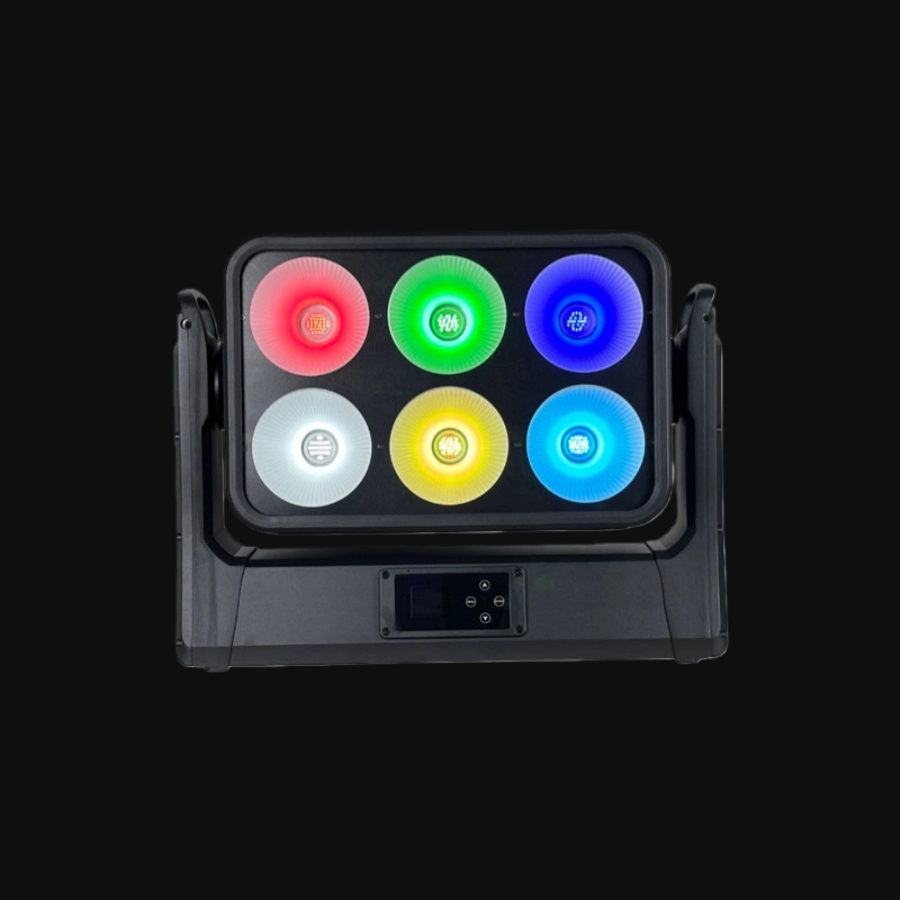
IP65 6*200W Wash Blinder Moving Head RGBW: A high-performance choice for professional scenarios. Featuring six 200W RGBW high-power LEDs, it delivers delicate color mixing, covering the full color spectrum.
Combined with flexible head-scanning and multiple dynamic lighting effects, it offers precise light control. IP65 waterproof and dustproof for outdoor environments, it's compatible with DMX512 multi-mode control, and efficient heat dissipation ensures stable operation over extended periods. Suitable for performances, lighting effects, and other scenarios.
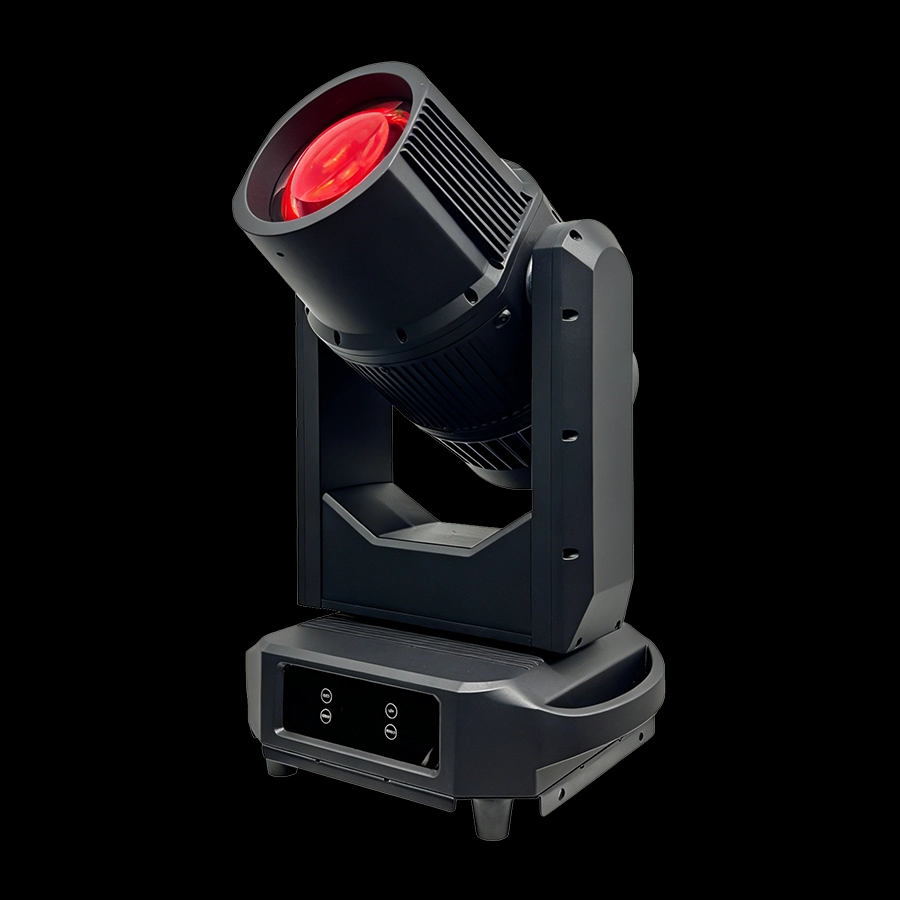
The IP65 420W beam moving head delivers a sharp, powerful beam with long range and strong penetration. IP65 dust and water resistant, it's suitable for complex outdoor environments and supports 360° flexible head movement, along with various dynamic lighting effects and dimming/flicker functions.
Compatible with DMX512/self-propelled mode, it features efficient heat dissipation and durability, making it suitable for outdoor scenarios such as performances, celebrations, and lighting effects.
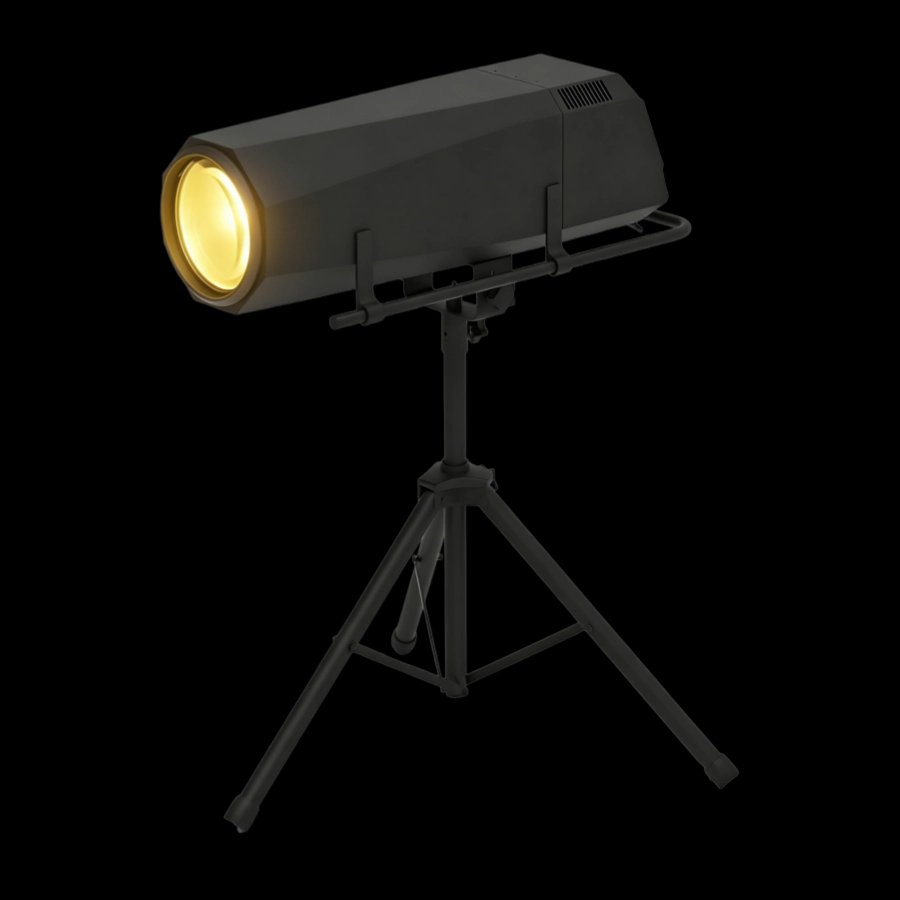
This 1200W waterproof LED follow spotlight with iris adjustment features strong light penetration, precise focusing, and smooth dimming with strobe effects.
Its rain- and dust-resistant design makes it suitable for outdoor performances, concerts, architectural lighting, and other applications. The LED light source boasts a long lifespan and stable, durable operation.
Stay updated on our latest news
If you have any comments or good suggestions, please leave us a message, later our professional staff will contact you as soon as possible.
Lighting Innovators
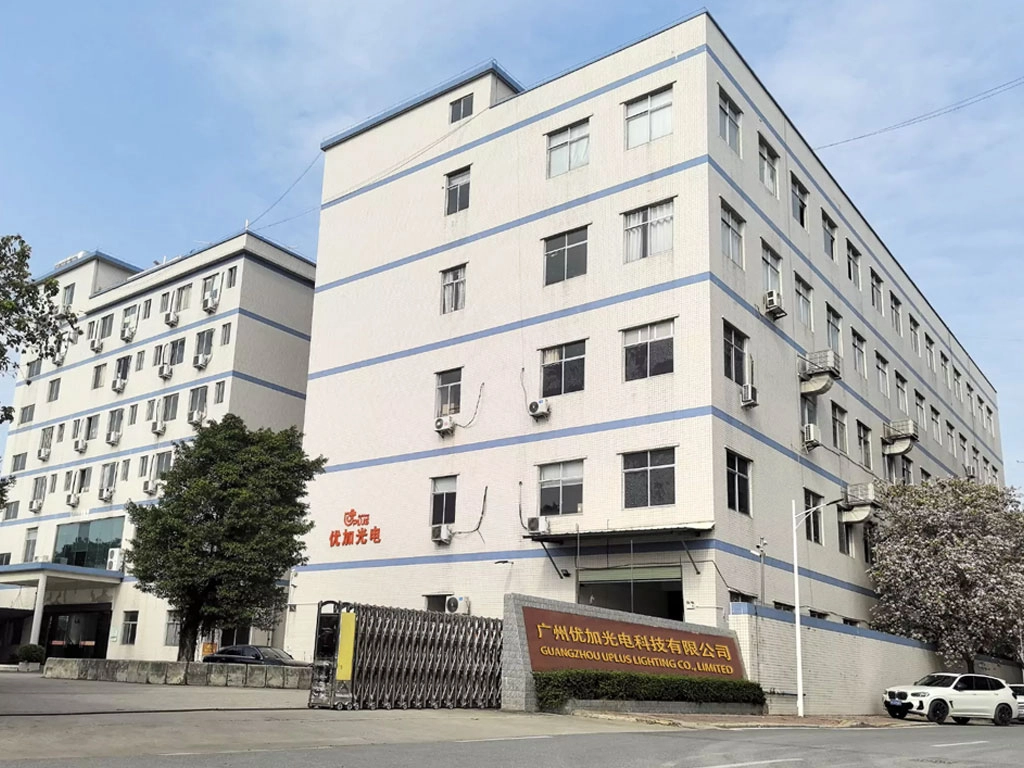
Uplus Lighting is a leading integrated company specializing in R&D, design, production, and sales of stage lighting solutions.
 Scan QR Code
Facebook
Instagram
YouTube
VK