






- Do LED laser stage lighting units support full DMX512 control?
- Can LED laser fixtures run on wireless protocols like Art‐Net?
- What DMX channels and addressing does a laser unit require?
- Is wireless control latency and jitter acceptable for laser cues?
- How do optical safety interlocks affect DMX or wireless operation?
Are LED laser stage lighting units DMX or wireless compatible?
Practical technical guide: understand when LED laser stage lighting supports wired DMX512, Ethernet protocols (Art‑Net/sACN), or dedicated wireless DMX, plus galvo/ILDA constraints, safety interlocks, latency tradeoffs, and recommended failover architectures for reliable live shows.
Article Title: Are LED laser stage lighting units DMX or wireless compatible?
Practical technical guide: understand when LED laser stage lighting supports wired DMX512, Ethernet protocols (Art‑Net/sACN), or dedicated wireless DMX, plus galvo/ILDA constraints, safety interlocks, latency tradeoffs, and recommended failover architectures for reliable live shows.
Do LED laser stage lighting units support full DMX512 control?
Short answer: many do, but “full” depends on the laser’s control architecture. Most professional entertainment laser fixtures map functions to DMX channels—patterns, color, speed, blanking, and X/Y galvo positions. However, laser galvanometer control requires higher resolution; manufacturers typically expose 16‑bit channels for X and Y to avoid stepping and ensure smooth beams. If a unit advertises DMX control, verify channel documentation: cheap units may only provide limited presets via 8‑bit channels (coarse movement), which is inadequate for precision vector work. For compliance, DMX512 (ANSI E1.11) is the wired baseline; for large networks you’ll see Art‑Net or sACN used as the upstream protocol and merged/converted to DMX per fixture. Practical advice: request the fixture’s DMX chart and confirm 16‑bit X/Y channels, blanking/fail‑safe behavior, and whether RDM (Remote Device Management) is supported for address/configuration over the same data link.
Can LED laser fixtures run on wireless protocols like Art‐Net?
Yes—with caveats. Art‑Net and sACN are Ethernet packet protocols and can be transported over wireless IP (Wi‑Fi) or dedicated wireless DMX carriers, but the reliability characteristics differ. Using Art‑Net over a general Wi‑Fi network exposes you to variable latency, packet loss, and channel congestion: acceptable for non‑critical decorative effects but risky for synchronized show cues. Dedicated wireless DMX systems (for example, CRMX by LumenRadio or Wireless Solution) operate on purpose‑built RF layers and deliver sub‑5ms deterministic latency with robust channel hopping and retransmit strategies. Many laser fixtures accept Art‑Net/sACN natively (Ethernet port) or expect Art‑Net to be converted to DMX inside the device. Professional practice: for rigs where laser timing and scan safety matter, use wired Ethernet to a DMX node or a certified wireless DMX bridge rather than general Wi‑Fi; validate throughput and perform an RF spectrum survey on site.
What DMX channels and addressing does a laser unit require?
There is no single channel count—laser fixtures can range from a handful of channels for simple effect heads to 32+ channels for full control. Typical channel groups include: power/mode, pattern/preset select, color or hue control, gobos/pattern speed, blanking (safety), and X/Y where each axis can be 8‑ or 16‑bit. Complex units expose additional channels for galvanometer speed, filter wheels, ILDA mode, and user patterns. Always request the manufacturer’s DMX channel table before show design. In large systems, plan addressing so X/Y 16‑bit pairs are contiguous and aligned with your console’s 16‑bit handling; otherwise you’ll see coarse motion. For enterprise installations, use RDM-capable fixtures to query and set addresses remotely and include a DMX merge/split architecture and UPS power for critical nodes.
Is wireless control latency and jitter acceptable for laser cues?
Latency and jitter vary by protocol and environment. Consumer Wi‑Fi can introduce tens of milliseconds of latency and jitter—unacceptable for frame‑accurate laser scanning or tight audiovisual sync. Purpose‑built wireless DMX systems deliver consistent low latency (commonly 1–5ms under normal conditions) and are engineered to handle RF interference, but even these require careful channel planning, line‑of‑sight consideration, and antenna placement. For cues that demand exact timing (e.g., laser scans synchronized to music or moving set pieces), wired DMX or Ethernet with a deterministic bridge is the safe choice; where wireless is used, always build in time margin and a wired failover. Test under full show load—lighting RF behavior differs between rehearsal and full house with additional wireless devices present.
How do optical safety interlocks affect DMX or wireless operation?
Laser safety is distinct from standard stage lighting safety. Entertainment lasers must meet IEC 60825 and associated local regulations; many fixtures include key switches, emission indicators, interlock connectors, and scanner failure blanking. Importantly, safety interlocks should not rely solely on DMX or wireless control—those links can fail or be hijacked. Best practice: hardwired safety circuits (emergency stops, interlock connectors) and independent blanking inputs ensure the laser is shuttered if communications fail. When integrating wireless control, ensure the laser’s firmware supports a secure fail mode (blank on loss of control) and that interlocks override any remote commands. Document and test emergency interlock behavior during tech rehearsals and include a redundant, local enable/disable at the fixture for compliance and operator safety.
Conclusion: Choosing between wired DMX, Ethernet protocols, or wireless for laser units is a tradeoff between determinism, channel resolution, and safety requirements. For precision scanning and audience‑safety‑critical cues prioritize wired DMX or certified wireless DMX carriers with hardwired interlocks and 16‑bit galvo control; for decorative or low‑risk effects, Art‑Net over Ethernet or managed wireless can be acceptable with proper RF engineering.
Uplus Lighting brings 15 years of stage lighting engineering and field experience delivering compliant, show‑ready laser integrations; we validate DMX channel maps, verify 16‑bit galvo handling, design failover topologies, and ensure safety interlocks meet IEC standards so productions run reliably.
Contact us for a detailed quote and system review at www.upluslighting.com or albee@upluslighting.com.


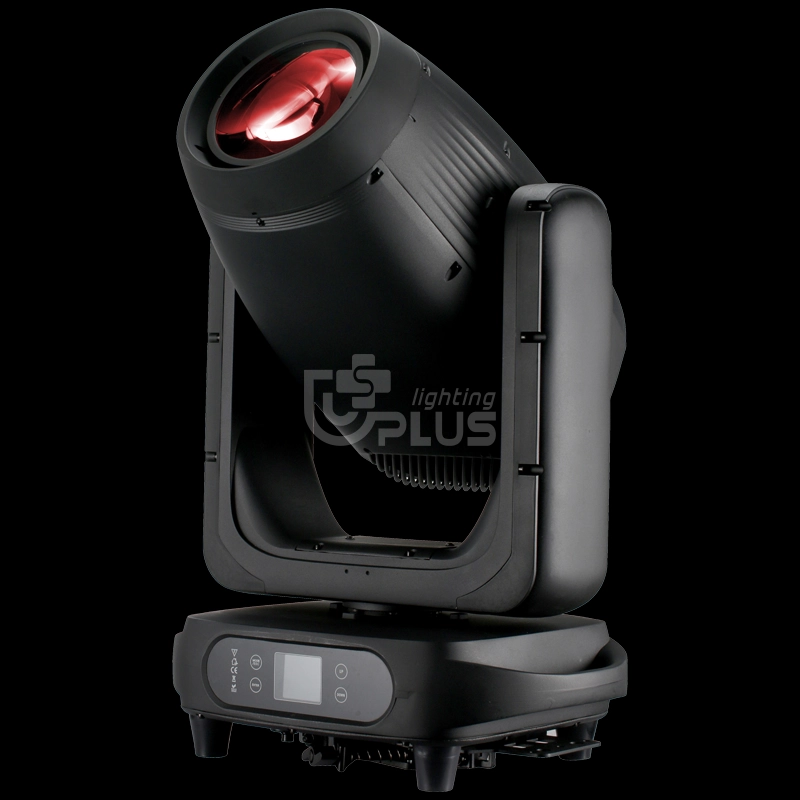
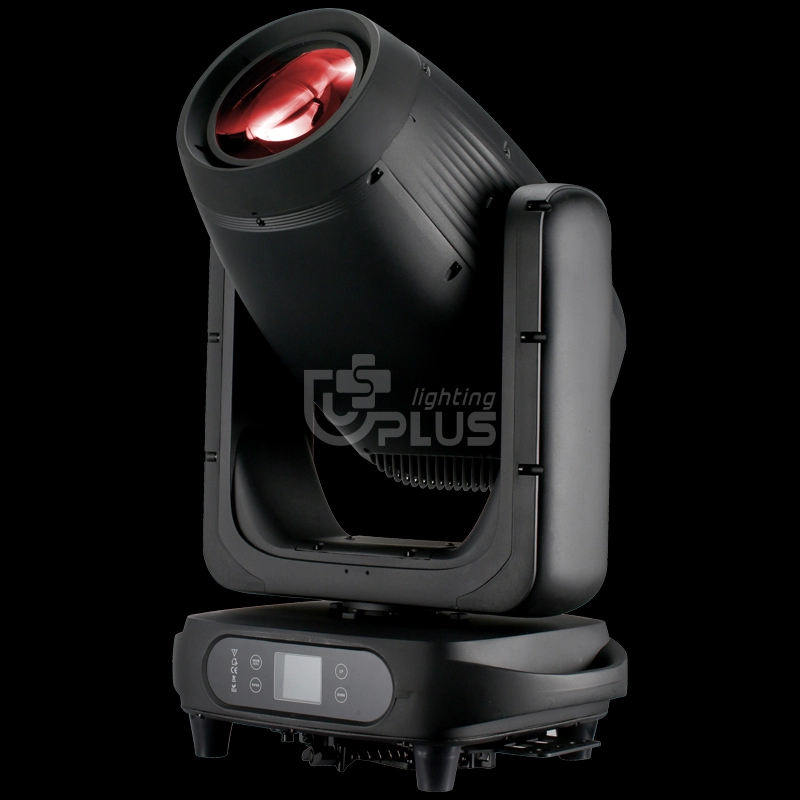
1000W Waterproof BSWF 4-in-1 Moving Head combines beam, spot, wash, and frame effects in one. IP-rated waterproof design, high-brightness output, precise control, ideal for outdoor & indoor stage events.
Stay updated on our latest news
If you have any comments or good suggestions, please leave us a message, later our professional staff will contact you as soon as possible.
Lighting Innovators
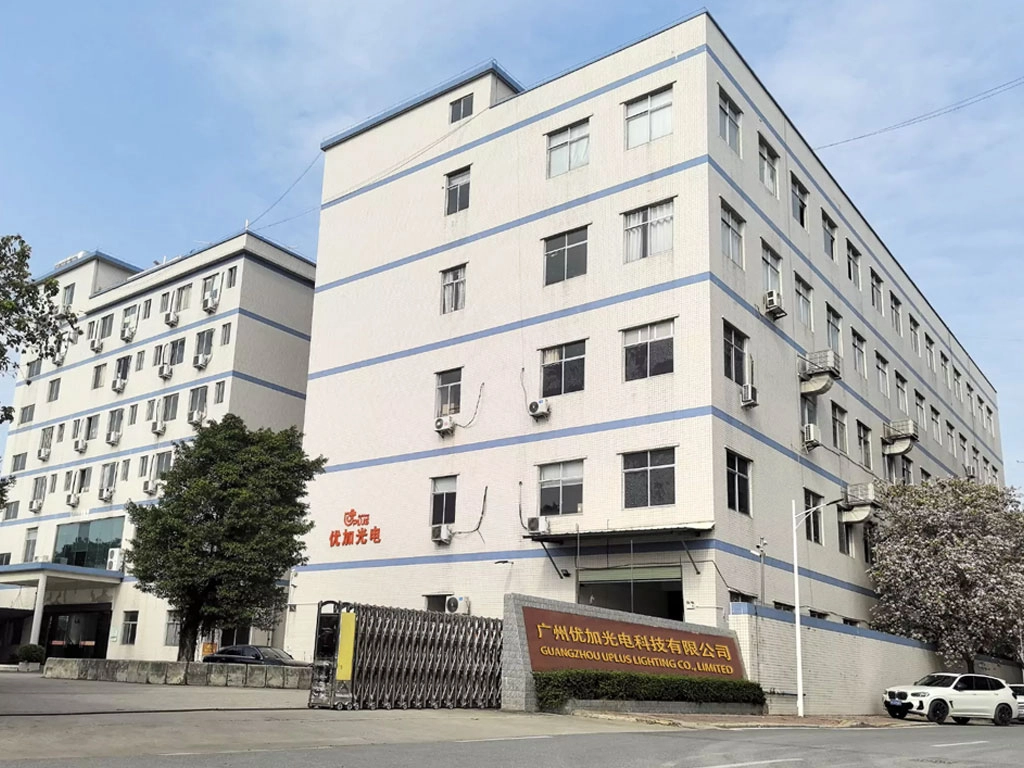
Uplus Lighting is a leading integrated company specializing in R&D, design, production, and sales of stage lighting solutions.
 Scan QR Code
Facebook
Instagram
YouTube
VK