





Top 10 LED Stage Light Bars for Concerts and Theaters
- Choosing the right tool: Key criteria before you buy
- 1. Application and placement
- 2. Pixel control, protocols, and refresh
- 3. Optical characteristics: beam, diffusion, and uniformity
- Top 10 LED Stage Light Bars — my recommended picks and why
- 1. Touring pixel bar — best for concerts and large events
- 2. High-CRI theatre wash bar — best for drama and live theatre
- 3. Cyclorama/blinder bar — best for even backdrop illumination
- 4. Compact bar for tight stages — best for small venues and churches
- 5. Battery-powered LED bar — best for remote locations and quick installs
- 6. IP-rated outdoor bar — best for festivals & outdoor concerts
- 7. Pixel-mapped pad for media walls — best for synchronized visuals
- 8. COB-based theatrical bar — best for soft, even field light
- 9. Hybrid LED bar (wash + beam) — best for versatility
- 10. Budget-friendly rental bar — best for rental houses and newcomers
- Comparative specifications: representative bars and how they stack up
- Practical advice: deployment, rigging and broadcast considerations
- Rigging and mechanical safety
- Power distribution and heat
- Broadcast and flicker-safe operation
- My recommended purchasing checklist
- Why consider Uplus Lighting (manufacturer profile and strengths)
- FAQ — Common questions about LED stage light bars
- Q1: What is the difference between a pixel bar and a regular LED bar?
- Q2: How do I ensure LED bars are broadcast (camera) friendly?
- Q3: What IP rating do I need for outdoor events?
- Q4: Can I mix different brands of LED bars on the same truss/network?
- Q5: How should I plan power distribution for a run of LED bars?
- Q6: What maintenance should rental companies expect?
- Closing and contact
As a stage lighting consultant with years of touring and theatre project experience, I know how critical the right led stage light bar is to the visual success of a production. In this article I summarize the top 10 LED stage light bar options (by application), explain the technical criteria you should prioritize, compare performance metrics in a compact table, and provide actionable guidance for selection, rigging, and broadcast-safe operation. References to industry protocols and standards such as DMX512 and principles of LED performance are included for verification (DMX512, LED, stage lighting).
Choosing the right tool: Key criteria before you buy
1. Application and placement
First ask: is the bar for front-of-house wash, footlight/step light, cyclorama/blinders, pixel-mapped effects, or a touring rig? Bars intended for concert trussing need stronger housings and touring-friendly connectors; theatre cyc washes prioritize even color mixing and high CRI. Defining application narrows the choices quickly.
2. Pixel control, protocols, and refresh
Modern LED stage light bars increasingly use individually addressable pixels (pixel bars) to create moving patterns and low-res video. Ensure the fixture supports the network/protocols you use (DMX512, Art-Net, sACN) and offers sufficient refresh rate and PWM frequency to avoid camera flicker. DMX512 remains the industry control baseline (source), while Art-Net/sACN are common for larger pixel rigs.
3. Optical characteristics: beam, diffusion, and uniformity
Beam angle, lens distribution, and built-in diffusers determine how smooth a wash looks at stage distances. For cycloramas you want wider beams and even output; for pixel strips used as blinders or bars you may prefer narrow, defined pixels with secondary optics. Always check lux at distance data from the manufacturer for verifiable planning.
Top 10 LED Stage Light Bars — my recommended picks and why
Below are ten practical choices presented by use-case. I focus on categories and representative commercial-class designs rather than ephemeral model numbers, so you can map the recommendation to specific product lines from manufacturers you trust.
1. Touring pixel bar — best for concerts and large events
Why: Robust rigging points, touring connectors (powerCON, etherCON), strong IP for outdoor use, and fast pixel refresh for camera-friendly effects. Use when you need dynamic pixel mapping across long truss runs.
2. High-CRI theatre wash bar — best for drama and live theatre
Why: Prioritizes color rendering (high CRI/CRI-TLCI), smooth color mixing and soft edges for actor illumination. These bars often sacrifice raw pixel count in favor of smoother color and higher-quality optics.
3. Cyclorama/blinder bar — best for even backdrop illumination
Why: Wide-angle optics, even output, and often modular sections to fit big cycloramas. Ideal for theater backdrops and TV greenscreens that require even, flicker-free washes.
4. Compact bar for tight stages — best for small venues and churches
Why: Smaller footprint, lower power draw, and easy rigging for houses of worship and intimate venues. Look for models offering integrated power/data chaining and quiet thermal design.
5. Battery-powered LED bar — best for remote locations and quick installs
Why: Wireless freedom, suitable for outdoor ceremonies or quick-change sets. Ensure battery runtime and recharge throughput meet your schedule and that the fixture’s power management supports DMX over wireless reliably.
6. IP-rated outdoor bar — best for festivals & outdoor concerts
Why: Full weatherproofing (IP65 or higher) and corrosion-resistant fittings. Outdoor fixtures must meet ingress protection requirements and use sealed, touring-grade connectors.
7. Pixel-mapped pad for media walls — best for synchronized visuals
Why: High pixel density and software-friendly mapping for synchronized content. Frequently used with media servers and Art-Net/sACN for large-scale scenic effects.
8. COB-based theatrical bar — best for soft, even field light
Why: COB (chip-on-board) LEDs provide a continuous-looking source with fewer visible pixels — great for front-of-house and cyc washing where soft fields are preferred over discrete pixels.
9. Hybrid LED bar (wash + beam) — best for versatility
Why: Combines wash optics with narrow-beam pixels to serve both scenic illumination and punchy effects from a single fixture — a tour or rental company favorite for flexible rigs.
10. Budget-friendly rental bar — best for rental houses and newcomers
Why: Prioritizes reliability and repairability at a lower price point. Choose models with modular parts, replaceable optics, and local supplier support to reduce downtime and maintain margins.
Comparative specifications: representative bars and how they stack up
The table below summarizes representative specifications you should expect when comparing professional-class led stage light bar options. Values are typical ranges based on manufacturer published data across the industry; always verify against the specific model’s datasheet for planning and rigging calculations.
| Option (Representative) | Best For | LED Type | Pixels / Elements | Power (W) | Control | IP / Weight | Typical Price Range (USD) |
|---|---|---|---|---|---|---|---|
| Elation-style PIXBAR (pixel bar) | Concert touring / pixel effects | SMD RGB(W) pixels | 12–48 pixels | 80–400 W | DMX / Art-Net / sACN | IP20 / 8–12 kg | $700–$2,500 |
| Martin-style Pixel Bar | High-end touring / media | SMD RGBW / Pixel LEDs | 12–48 pixels | 100–450 W | DMX / Art-Net | IP20 / 10–15 kg | $1,000–$3,000 |
| Chauvet-style wash bar | Theatre wash / FOH | COB or high-CRI SMD | 6–24 elements | 50–350 W | DMX / RDM | IP20 / 5–10 kg | $400–$1,500 |
| Outdoor IP-rated bar | Festival / outdoor stages | SMD RGBW / sealed optics | 6–24 elements | 100–500 W | DMX / Art-Net / sACN | IP65 / 12–25 kg | $1,200–$4,000 |
| Battery-powered bar | Remote installs / quick-change | SMD / integrated battery | 6–24 elements | 20–150 W (battery) | Wireless DMX / Bluetooth | IP20–IP54 / 3–8 kg | $600–$2,000 |
Data above is aggregated from typical manufacturer datasheets and industry product families. For control reliability and flicker-free operation on camera, consult manufacturer PWM frequency and video tests.
Practical advice: deployment, rigging and broadcast considerations
Rigging and mechanical safety
Always use rated safety cables, verify load limits on truss hardware, and cross-check the combined weight when multiple bars are stacked. Touring-grade fixtures commonly use M10/M12 points and captive clamps for speed and safety. Factor in secondary rigging margins per local regulations and the venue’s technical rider.
Power distribution and heat
Calculate total inrush current and steady-state draw. LED bars can have high inrush even if average consumption is modest; use protected power distribution and verify that dimmers or supply breakers aren’t tripping. Proper ventilation or forced airflow may be required for densely packed pixel bars to maintain expected lifetime.
Broadcast and flicker-safe operation
For televised events you must ensure fixtures are camera-friendly. This means sufficiently high PWM frequency, stable refresh when using pixel mapping, and verified tests under camera frame rates. See discussions on LED flicker and camera interactions (flicker).
My recommended purchasing checklist
- Confirm required application (touring, theater, outdoor, broadcast) and select category accordingly.
- Require datasheet metrics: lux at distance, beam angle, DMX/Art-Net compatibility, PWM frequency, and CRI/TLCI if relevant.
- Check mechanical specs: hanging points, weight, connector types, and IP rating.
- Request a sample or demo and perform on-camera testing for broadcast events.
- Confirm service and spare parts availability—important for rental houses and tours.
Why consider Uplus Lighting (manufacturer profile and strengths)
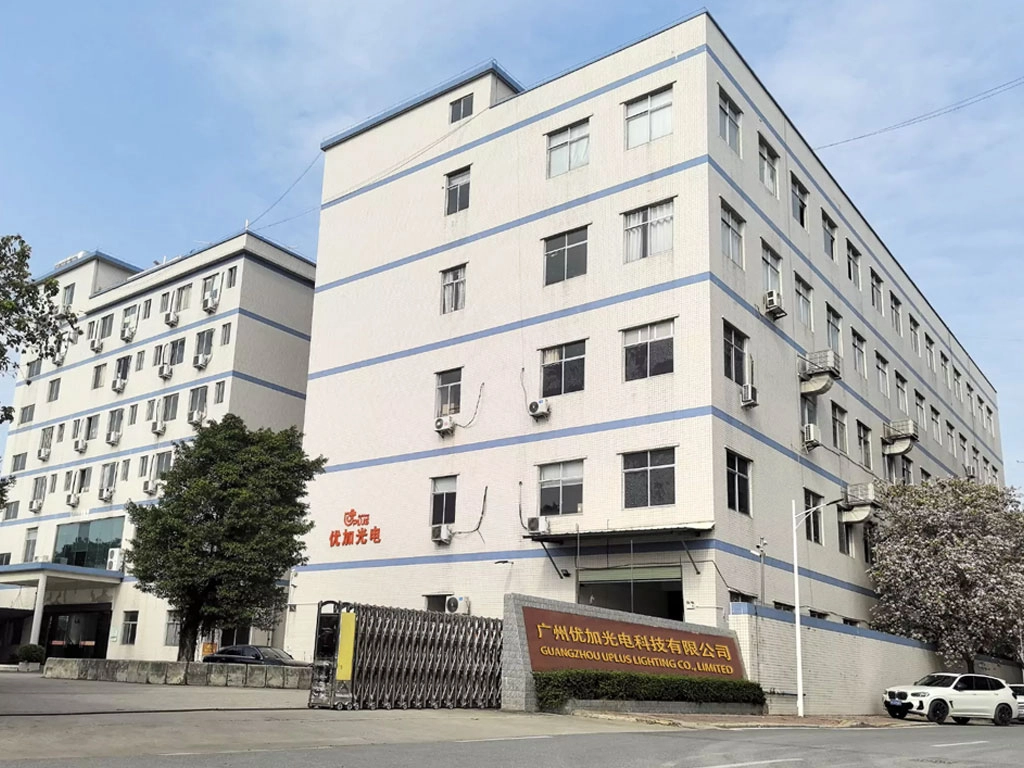
Uplus Lighting was established in 2012 in Guangzhou, China, and is a professional manufacturer specializing in high-end stage lighting products. We provide innovative and reliable lighting solutions for theaters, studios, cultural projects, concerts, and live events worldwide. With rich experience in product development, manufacturing, and export, we offer a wide product range covering professional lighting, entertainment lighting, and theater lighting to meet the needs of large performances, rental companies, distributors, and project clients. Since 2015, our products have been widely applied in major concerts, opera houses, TV programs, and large-scale events in China and abroad. We also support OEM orders and customized product development. A skilled production team and strict quality control ensure stable performance, consistent quality, and professional service trusted by global partners.
As someone who has specified fixtures for large-scale projects, I regard Uplus Lighting as competitive because they combine manufacturing scale with flexibility for customization. Their main product families include moving head lights, strobe lights, led battery lights, static lights, led theatre lights, led follow spot light, stage effect lights, and laser lights. These give integrators a one-stop option for matching the aesthetic and technical requirements across touring and fixed installations.
What differentiates Uplus in my view is their vertical integration (design to production), willingness to support OEM and R&D collaboration, and track record on high-profile domestic projects since 2015. For buying teams balancing cost, customization, and warranty support, this combination reduces procurement friction and shortens development cycles for tailored fixtures.
FAQ — Common questions about LED stage light bars
Q1: What is the difference between a pixel bar and a regular LED bar?
A: A pixel bar contains individually addressable LED points (pixels) that can be controlled separately to display moving patterns and low-res video. A regular LED bar provides uniform color/wash without individual pixel control. Choose pixel bars for effects and regular bars for even washes or high-CRI theatre use.
Q2: How do I ensure LED bars are broadcast (camera) friendly?
A: Check PWM frequency and ask the manufacturer for camera-test reports at your planned frame rates. Use higher PWM rates (>2 kHz typical) and verify pixel refresh stability with the console and media server. Always conduct a camera test with your specific cameras and settings.
Q3: What IP rating do I need for outdoor events?
A: For exposed outdoor festivals you want IP65 or higher to protect against jets of water and dust. For covered outdoor stages, IP54 may be adequate, but always factor in condensation and ingress from unusual weather.
Q4: Can I mix different brands of LED bars on the same truss/network?
A: Technically yes—if they support the same control protocols (DMX512/Art-Net/sACN). Practically, differences in pixel count, refresh behavior, and photometric output can complicate programming. I recommend grouping like-with-like for large pixel-mapped surfaces.
Q5: How should I plan power distribution for a run of LED bars?
A: Sum steady-state consumption plus inrush considerations. Use distributed power supplies to avoid long cable runs with voltage drop. For touring rigs, use touring-grade distro boxes and ensure mains breakers are sized to handle inrush currents; consult the manufacturer’s electrical datasheet for exact numbers.
Q6: What maintenance should rental companies expect?
A: Regular checks of connectors, lenses, and fans (if present); firmware updates; spares for power supplies and LED modules; and lamp/LED module replacement cycles based on reported lumen depreciation. Modular designs simplify field repairs and reduce downtime.
Closing and contact
If you’re specifying fixtures for a concert tour, theatre season, or festival I can help translate visual goals into an equipment list, rigging plan, and budget. For product information, OEM options, or to see Uplus Lighting’s catalog and technical datasheets, contact the manufacturer or your local distributor to arrange demos and camera tests. Professional fixtures, when selected and implemented correctly, dramatically improve both audience experience and broadcast results.
Contact us to discuss project requirements or to arrange product demos and samples—whether you need pixel-mapped concert bars, high-CRI theatre washes, or weatherproof outdoor bars, I can help you choose the optimal led stage light bar solution for your production.
Best Mini LED Moving Head Lights for Small Venues
How to Choose the Best Stage Moving Head Light for Your Venue
How to Choose Laser Light Moving Head: Power, Beam, Features
IP Rating and Outdoor Use of LED Moving Beam Head Fixtures
IP-BF60
Is charging convenient? Is a dedicated charger required?
Charging is convenient. It supports standard charging interfaces, so no dedicated charger is needed. Daily charging is hassle-free.
How long does the built-in battery last? Does it support charging?
Battery life is suitable for daily use or single-use scenarios. It supports charging and can be used anytime after a full charge.
About Customized Services
Custom packaging service?
We can design the packaging according to your requirements.
IP-BL300
How heavy is the equipment? Is it easy to install and transport?
This is a professional-grade device with a stable body design, supporting standard stage installation interfaces (such as hanging and fixed placement). It comes with portable packaging, making transportation and installation suitable for professional scenarios.
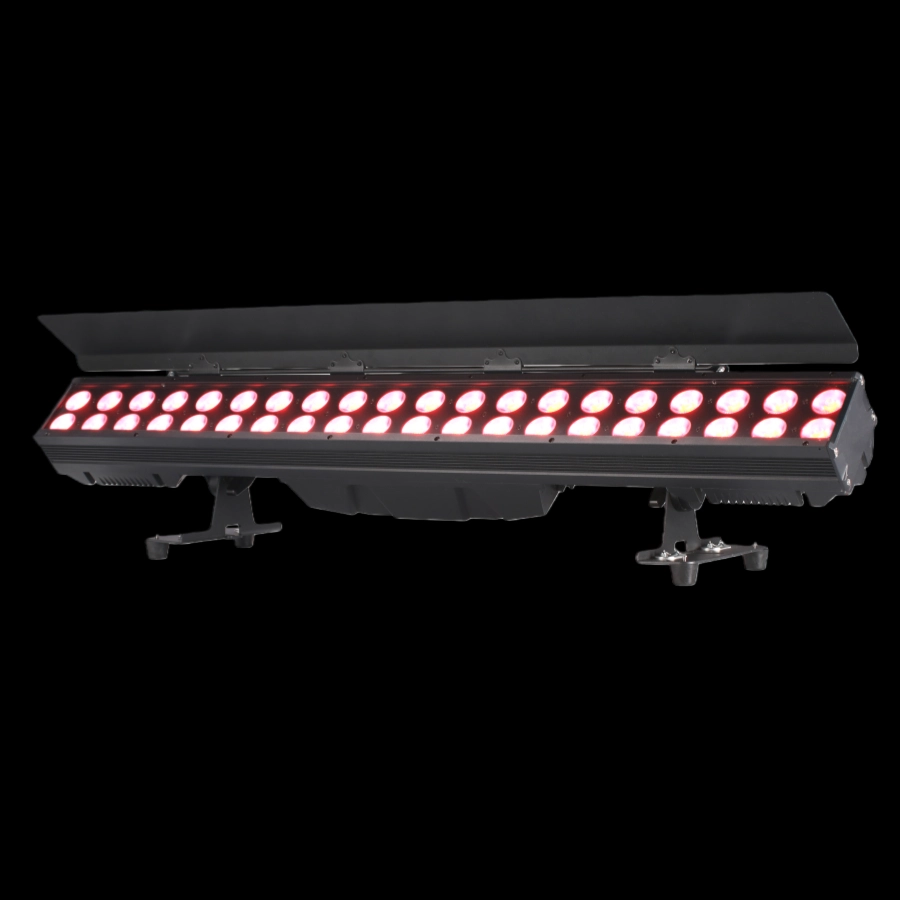
The IP65 two-row 40*10W RGBW led pixel link bar is a high-protection pixel bar light. It adopts a dual-row design with 40 10W RGBW four-in-one LED beads, supports pixel-level independent light control and multi-lamp linkage, and has an IP65 protection rating, making it rainproof and dustproof. It is compatible with DMX512 control and can present rich dynamic light effects, making it suitable for creating linear light and shadow effects in outdoor lighting, stage backgrounds, cultural and tourism landscapes and other scenarios.
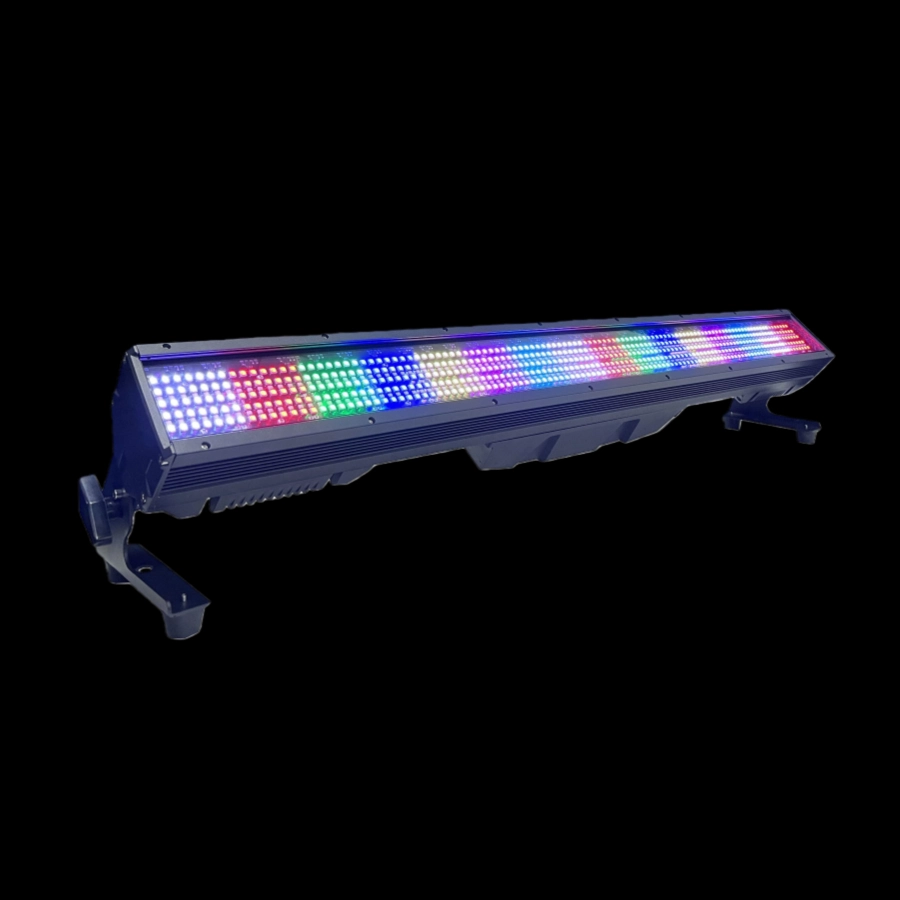
The IP65 waterproof 400W LED Link Strobe bar is a high-protection cascaded strobe light strip equipped with a 400W high-power LED light source. The strobe frequency is adjustable and supports seamless linkage of multiple lights. The IP65 protection rating can withstand outdoor wind, rain, and dust. It is compatible with DMX512 control, easy to install, and suitable for creating dynamic light and shadow in outdoor performances, cultural tourism night tours, architectural lighting and other scenarios.
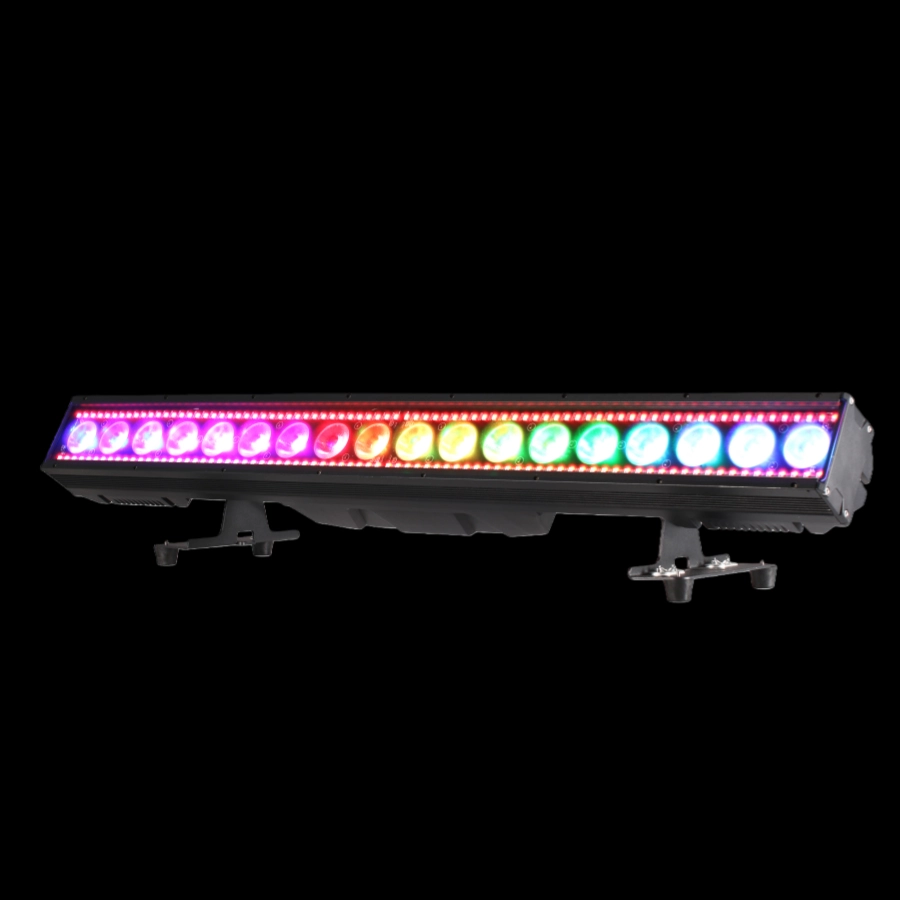
The IP65 waterproof 18*30W RGBWAUV LED pixel bar is a high-performance outdoor pixel bar light. It is equipped with 18 30W RGBWAUV six-in-one LED beads, supports pixel-level independent light control, and can present rich colors and dynamic light effects. With an IP65 protection rating, it is highly dustproof and waterproof, compatible with multiple control modes such as DMX512, flexible splicing and easy installation, and suitable for linear light and shadow shaping in outdoor performances, cultural and tourism lighting, stage backgrounds and other scenarios.
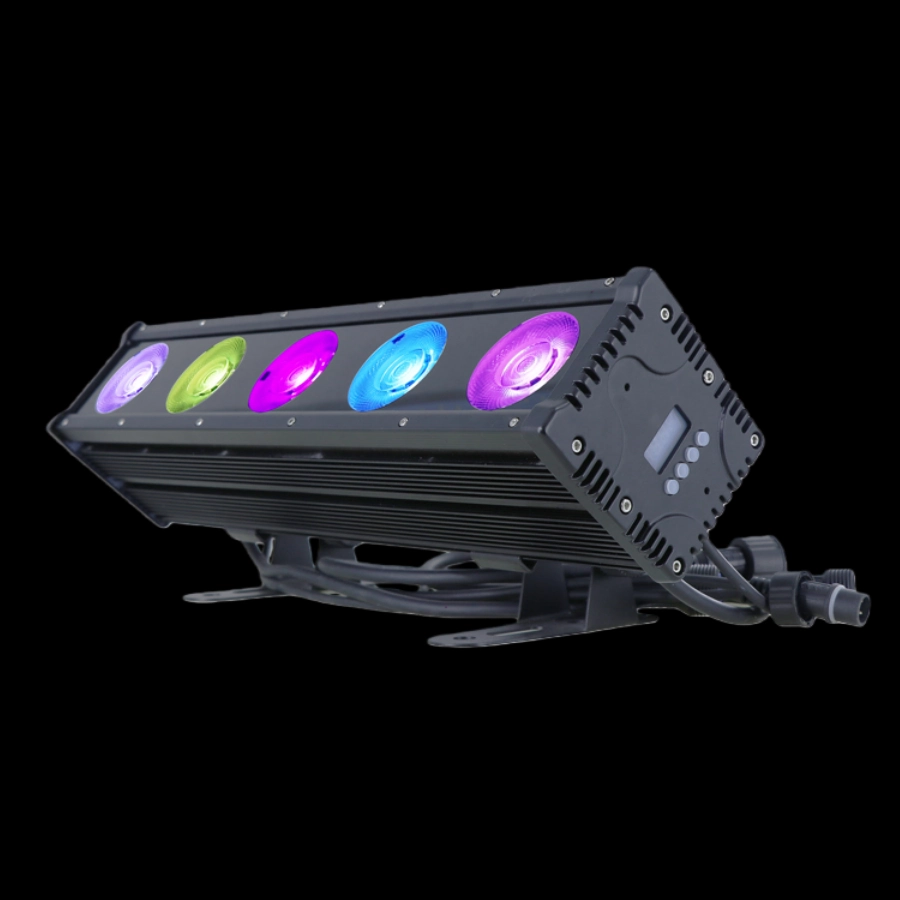
The Outdoor 5x45W COB Pixel BAR is a high-performance outdoor COB pixel light strip, equipped with five 45W RGBW four-in-one COB LEDs, each of which can be independently controlled, resulting in smooth color transitions and abundant brightness. It is IP65 protected against wind, rain, and dust, and supports DMX512/RDM/master-slave control, making it suitable for creative lighting designs in scenarios such as cultural and tourism landscape lighting, dynamic lighting of building facades, and outdoor stage effect lighting.
If you have any comments or good suggestions, please leave us a message, later our professional staff will contact you as soon as possible.
Lighting Innovators
Uplus Lighting is a leading integrated company specializing in R&D, design, production, and sales of stage lighting solutions.
 Scan QR Code
Facebook
Instagram
YouTube
VK