






The Ultimate 2026 Guide to Stage Lighting Bars: Design, Gear, and Pro Tips
- What is a Stage Lighting Bar?
- Quick Summary & 2026 Key Takeaways
- Types of LED Stage Lighting Bars
- Essential Features to Look for in 2026 Professional Gear
- Fixture Comparison Overview
- Expert Tips: Design, Rigging, and DMX Patching
- Common Mistakes in Stage Bar Implementation
- Industry Leading Solutions: Guangzhou Uplus Lighting Co., Ltd.
- Conclusion
- FAQs About stage lighting bar
- What is the difference between an IWB and an LED light bar?
- How many stage lighting bars can I daisy-chain together?
- What is pixel mapping on a stage lighting bar?
- Why are IP65 ratings important for stage bars?
- What is the standard numbering system for stage lighting bars?
- How do you patch a multi-cell LED batten?
- Can stage lighting bars be used for TV and broadcast?
- How much does a professional stage lighting bar cost?
The evolution of theatrical production and live event design has reached new heights in 2026. At the core of these visually stunning spectacles is a critical piece of equipment: the stage lighting bar. Whether you are rigging an intimate black-box theater or programming a massive outdoor festival, understanding the nuances of this technology is paramount. This comprehensive guide will explore the design principles, essential gear, and professional tips needed to master modern lighting infrastructure.
What is a Stage Lighting Bar?
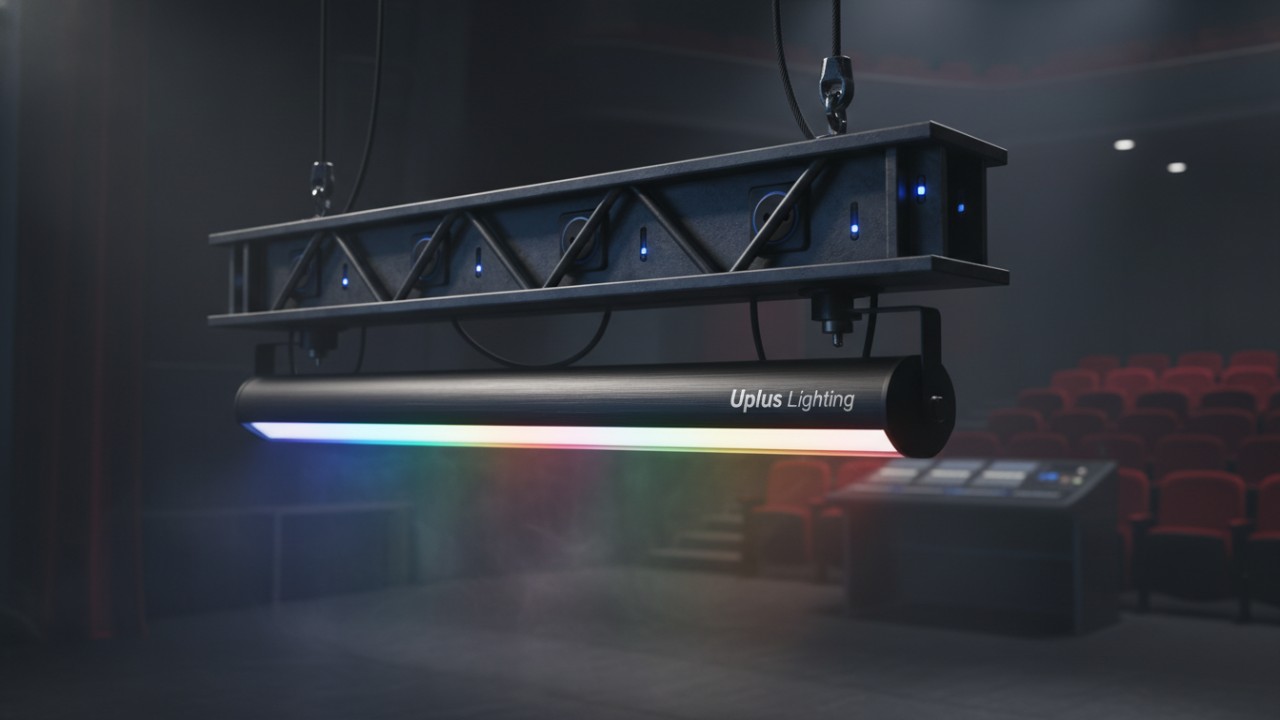
A stage lighting bar refers to either a structural metal pipe used for suspending theatrical fixtures—known as an internally wired bar IWB—or a linear LED light fixture, commonly called a batten, used for broad stage illumination and dynamic visual effects.
In modern 2026 stage design, the terminology can sometimes blur, but the applications are distinct and highly specialized. On one hand, the structural rigging bar provides the physical backbone and electrical distribution for the entire lighting plot. On the other hand, LED stage lighting bars serve as versatile illuminative tools that provide dynamic wash lighting, pixel-mapped visual effects, and architectural uplighting.
These illuminative fixtures are essential for achieving smooth, seamless color blending across backdrops, cycloramas (cycs), and intricate set pieces. You will find them heavily utilized in concerts, theatrical plays, and broadcast television studios where consistent, high-quality light output is non-negotiable.
Quick Summary & 2026 Key Takeaways
The stage lighting industry in 2026 demands fixtures that offer high-fidelity color mixing, weatherproof durability, and advanced control protocols to meet the complex needs of modern theatrical and concert touring productions.
To ensure your lighting rig is up to current industry standards, keep these key takeaways in mind:
- Dual Definition: It is crucial to understand the difference between rigging bars (structural pipes with power/data outlets) and LED bar fixtures (illuminative strips). Both are essential but serve entirely different functions.
- 2026 Tech Standards: High Color Rendering Index (CRI >90), IP65 waterproofing for outdoor festivals, and advanced RGBW/RGBAW+UV color mixing are now baseline expectations for professional gear.
- Smart Control: Pixel mapping and wireless DMX capabilities are critical for seamless integration into modern lighting plots, allowing designers to create complex, video-like animations.
- Efficiency: Modular daisy-chaining significantly reduces cable clutter, offering superior power and data linking capabilities that save valuable time during rig setup.
Types of LED Stage Lighting Bars
There are several distinct categories of LED stage lighting bars, each engineered for specific applications such as washing large backdrops, creating pixel-animated visual chases, or providing weather-resistant architectural illumination.
Understanding which type of fixture to specify is the first step in successful lighting design:
- Cyclorama (Cyc) and Wash Bars: These fixtures are meticulously designed to provide wide, even washes of light across large backdrops. The goal is to eliminate hot spots and create a smooth gradient of color. In theater, these are often paired with an RGBW wall washer to achieve perfect sky effects or moody ambient backgrounds.
- DMX Pixel Mapping Bar: These are sophisticated multi-cell fixtures where individual LEDs (or clusters of LEDs) can be controlled independently. This level of granular control allows lighting programmers to run dynamic chase effects, low-resolution video playback, and complex geometric patterns directly across the face of the fixture.
- IP65 Outdoor Stage Bar: Weather-resistant fixtures built with heavy-duty seals are mandatory for outdoor festivals and architectural exterior uplighting. They are designed to withstand rain, dust, and varying temperatures without compromising electrical safety or light output.
- Hybrid FX Bars: A staple in the entertainment and touring sectors, these units combine standard wash LEDs with built-in high-intensity strobes or laser effects, perfectly suited for high-energy DJ sets and club environments.
Essential Features to Look for in 2026 Professional Gear
Professional stage lighting bars in 2026 must feature advanced high-output optics, multi-color LED engines, rugged environmental protection, and seamless power linking to ensure absolute reliability in demanding production environments.
When evaluating new gear, prioritize the following features:
- Advanced Color Mixing: Modern fixtures are moving far beyond standard RGB setups. The inclusion of White, Amber, and UV (RGBAW+UV) unlocks limitless color palettes and guarantees superior skin tone rendering, which is vital for broadcast and theater.
- High Output TIR Optics: Total Internal Reflection (TIR) lenses ensure highly precise beam control. This maximizes the "punch" of the light while strictly minimizing unwanted light spill onto adjacent set pieces or audience areas.
- Environmental Protection: Weather resistance is an absolute necessity; as reported by Wikipedia, the IP code standard classifies the degree of protection provided by electrical enclosures against the intrusion of dust and water, with IP65 being the benchmark for outdoor touring.
- Daisy-Chaining Capabilities: Utilizing robust connectors like PowerCON True1 and 5-pin DMX inputs/outputs allows multiple bars to be linked together in a chain. This drastically reduces the length of cable runs and speeds up installation.
- Flicker-Free Operation: High Pulse Width Modulation (PWM) refresh rates are essential for TV studios and broadcast environments. Without this, cameras will pick up banding and flickering, ruining the recorded footage.
Fixture Comparison Overview
| Fixture Category | Primary Application | DMX Channel Footprint | 2026 Core Feature |
|---|---|---|---|
| Internally Wired Bar (IWB) | Structural Rigging | N/A (Power/Data Distro) | Integrated DMX & Power Drops |
| LED Stage Lighting Batten | Broad Stage Wash | Low (4-10 Channels) | Flicker-free TIR Optics |
| DMX Pixel Mapping Bar | Visual FX & Animations | High (Multi-cell patching) | Individual LED Pixel Control |
| IP65 Outdoor Stage Bar | Festivals & Architectural | Medium to High | Heavy-duty Weather Seals |
Expert Tips: Design, Rigging, and DMX Patching
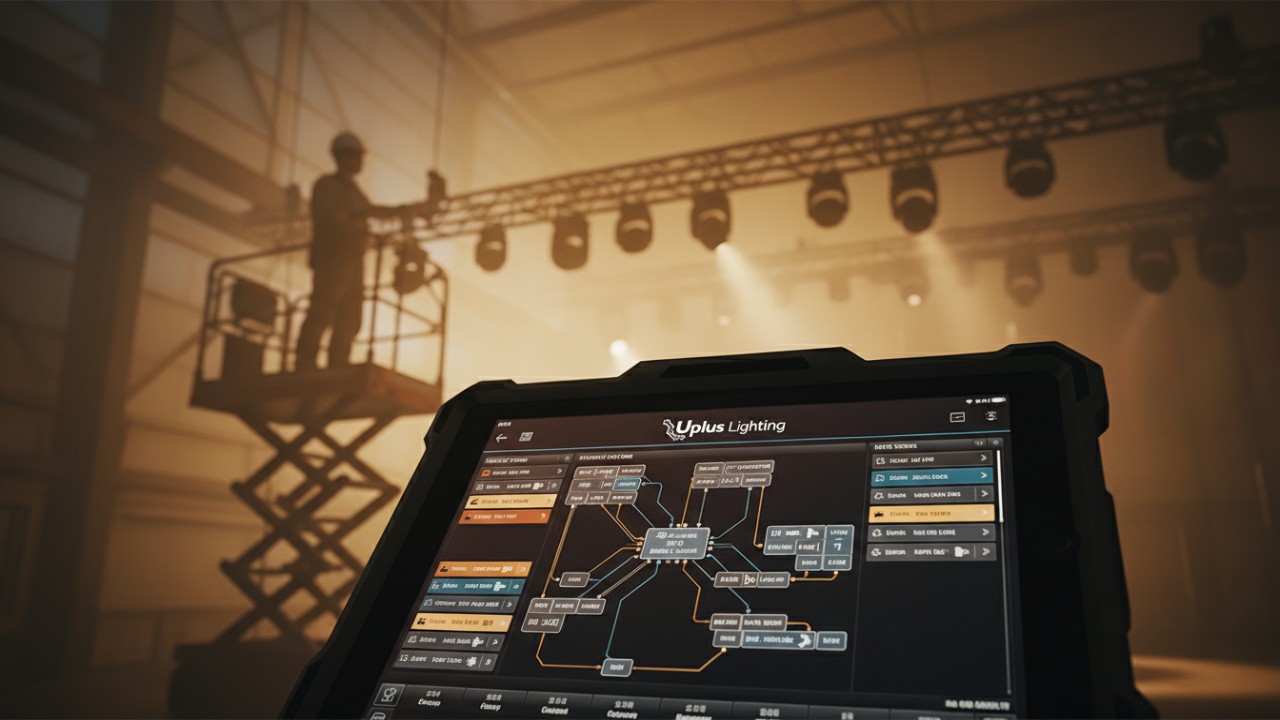
Proper design, rigorous theatrical rigging, and logical DMX patching are foundational steps for integrating a lighting bar system, ensuring safe physical operation and streamlined console programming for the lighting designer.
Executing a flawless lighting plot requires attention to detail:
- Numbering Logic: Always adopt standard theatrical numbering conventions. For instance, number your pipes and structural bars from Downstage (closest to the audience) to Upstage (furthest away). For the fixtures on the bar, number them from Stage Left to Stage Right. This keeps your paperwork crystal clear.
- Optimal Angling: When utilizing an LED stage lighting batten for cyc lighting, calculate proper spacing and overlapping beam angles. If fixtures are placed too far apart, dark spots will appear on the backdrop, destroying the illusion of a seamless wash.
- Addressing Multi-Cell Fixtures: Complex lighting plots rely heavily on standardized digital communication networks; as reported by Wikipedia, DMX512 is the primary standard method for linking controllers to intelligent lights and dimmers, forming a universe of 512 channels. If you are running low on DMX channels, use grouping modes in your lighting console, or upgrade to Art-Net/sACN protocols for full pixel-level control across multiple universes.
Common Mistakes in Stage Bar Implementation
The most frequent mistakes in stage bar deployment include overloading power circuits, neglecting necessary signal termination, and failing to color-calibrate mismatched LED profiles, all of which can severely compromise the entire lighting rig.
Avoid these critical errors during your next load-in:
- Ignoring Power Linking Limits: It is a major safety hazard to overload a single power circuit by daisy-chaining too many high-wattage bars together. Always calculate the total amperage draw of your fixtures against the capacity of your breaker (typically 15A or 20A).
- Forgetting Signal Termination: Failing to use a 120-ohm DMX terminator at the end of a long chain of bars can lead to signal reflections. This results in unpredictable flickering, strobe glitches, and signal dropouts mid-show.
- Mismatched Color Profiles: Mixing older legacy LED bars with cutting-edge 2026 models without properly color-calibrating them in the console will result in uneven, patchy washes. Take the time to adjust the white balance and color temperatures so all fixtures match perfectly.
Industry Leading Solutions: Guangzhou Uplus Lighting Co., Ltd.
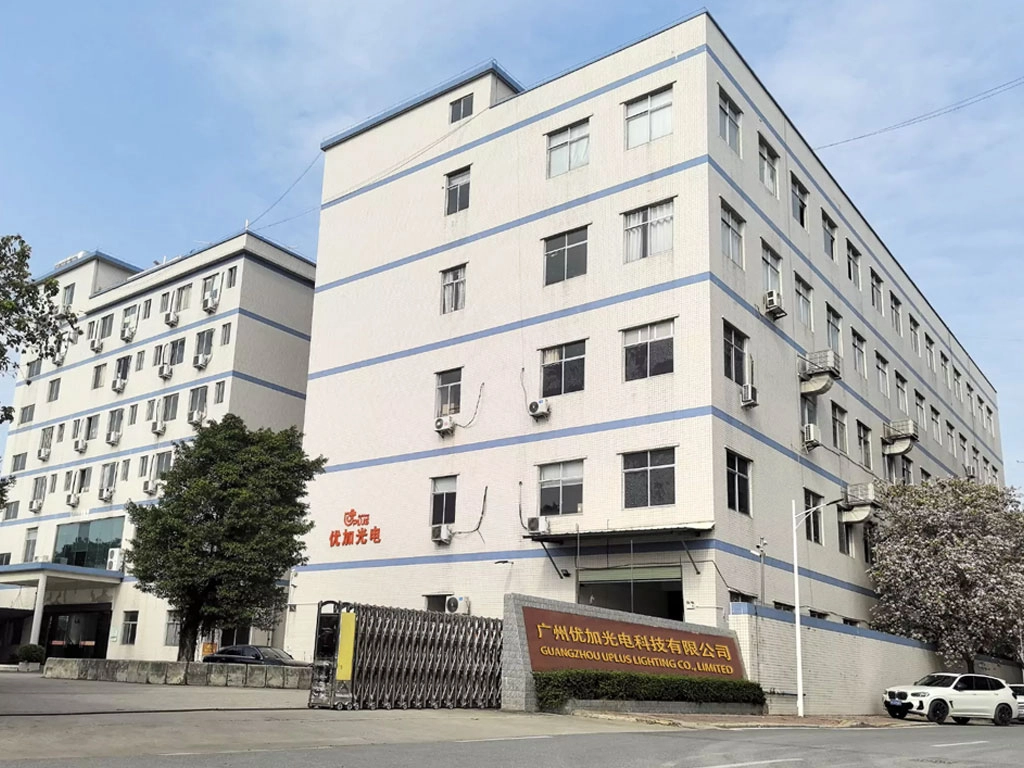
Guangzhou Uplus Lighting Co., Ltd. is a premier manufacturer established in 2012, providing high-end, reliable stage lighting products and OEM solutions that power major theaters, broadcast studios, and global concert tours.
Sourcing top-tier equipment is the ultimate differentiator in production quality. With a rich history of product development, Uplus Lighting has positioned itself as a trusted global partner since 2015. Their massive product range covers everything from advanced static lights and LED theater lights to highly dynamic stage effect lights.
For rental companies and production houses, dealing with the common mistakes of mismatched gear or failing fixtures is costly. By leveraging a highly skilled production team and strict quality control, Uplus ensures that every stage lighting equipment unit delivers stable performance and consistent quality. Furthermore, they offer extensive OEM and customized product development, meaning that if your cultural project or opera house requires a highly specific pixel bar configuration, their engineering team can deliver a tailored solution.
Conclusion
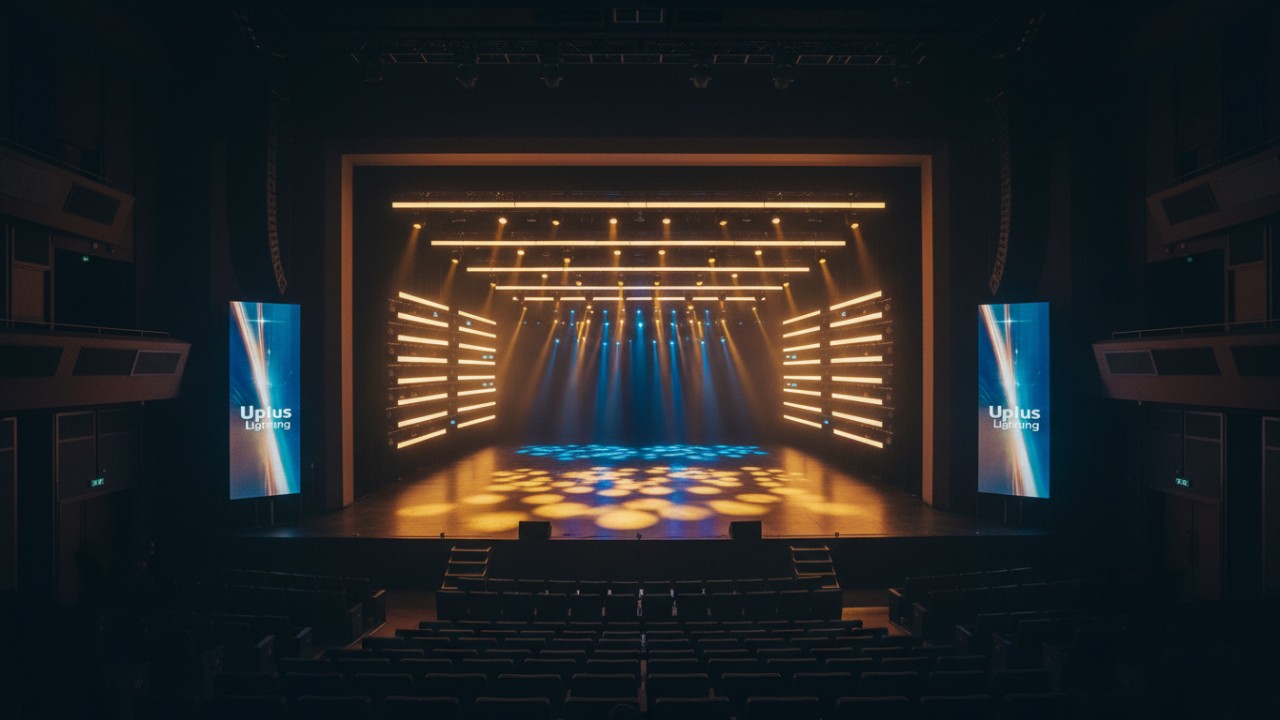
Whether upgrading an entire theater's rigging system or programming a pixel-perfect concert light show, choosing the correct structural and illuminative gear is foundational to successful, future-proofed modern stage design.
By understanding the critical differences between an internally wired bar IWB and an illuminative batten, you can properly specify the right tools for your venue. Prioritize fixtures that offer robust build quality, high-fidelity RGBW color mixing, and flexible control options. This ensures that your lighting infrastructure is fully prepared to handle the demands of 2026 and beyond. Contact us today to optimize your stage lighting bar strategy.
FAQs About stage lighting bar
Frequently asked questions about the stage lighting bar cover essential topics ranging from distinguishing between structural rigging and LED fixtures to understanding complex DMX pixel patching and crucial weatherproofing standards.
What is the difference between an IWB and an LED light bar?
An IWB (Internally Wired Bar) is a structural metal pipe used to hang stage lights that contains internal electrical wiring and sockets. Conversely, an LED light bar is the actual lighting fixture (batten) that produces light, often mounted onto an IWB or ground-stacked for uplighting.
How many stage lighting bars can I daisy-chain together?
The number depends entirely on the wattage of the specific fixtures and the capacity of the power circuit (typically 15A or 20A). Always calculate the total amperage; for example, you can safely link more low-wattage 50W bars than high-output 420W architectural wash bars.
What is pixel mapping on a stage lighting bar?
Pixel mapping allows a lighting designer to control individual LED pixels (or blocks of pixels) within the bar independently. This advanced control is used to create complex animations, color chases, and low-resolution video effects spread seamlessly across multiple fixtures.
Why are IP65 ratings important for stage bars?
An IP65 rating means the fixture is completely dust-tight and highly protected against low-pressure water jets from any direction. This is absolutely essential for outdoor festivals, architectural installations, and touring rigs that may be exposed to rain, humidity, and severe environmental elements.
What is the standard numbering system for stage lighting bars?
In theater, structural lighting bars (pipes) are typically numbered starting from Downstage (the area closest to the audience) moving toward Upstage (the area furthest back). The individual fixtures hanging on the bar are usually numbered sequentially from Stage Left to Stage Right.
How do you patch a multi-cell LED batten?
You must first determine the DMX footprint (channel mode) of the fixture. A simple mode might use 4 channels (RGBW) to control the whole bar simultaneously. An advanced mode will require patching each cell individually, which consumes significantly more DMX addresses and may require spanning across multiple universes.
Can stage lighting bars be used for TV and broadcast?
Yes, professional LED stage bars are heavily used in broadcast environments for wide set illumination and soft key lighting. However, it is crucial to choose fixtures with a high CRI (Color Rendering Index) and high PWM (Pulse Width Modulation) refresh rates to completely avoid camera flicker and banding.
How much does a professional stage lighting bar cost?
Entry-level LED bars designed for mobile DJs can cost between $100 and $300. In contrast, professional touring and theatrical lighting bars equipped with advanced TIR optics, granular pixel mapping, and rugged IP65 ratings typically range from $800 to well over $2,500 per unit.
Weatherproofing and IP Ratings for Outdoor LED Stage Light Bars
Case Studies: Successful Events Using LED Moving Beam Lights
How to Choose the Best LED DJ Moving Head Strobe Light
Mini LED Moving Head Light vs Standard Moving Head: Comparison
IP BEAM 420
Can IP65 protection withstand outdoor environments such as heavy rain and sandstorms?
It can directly withstand heavy rain and sandstorms and operates stably in complex outdoor environments.
IP-WASH6125
Can the IP66 protection rating be used directly in heavy rain? Will water get in if left outdoors for a long time?
It can directly withstand heavy rain and strong dust. The sealed structure has undergone rigorous testing, and water will not get in even after long-term outdoor placement, ensuring stability.
IP-BF60
Can the light brightness be adjusted?
The light is soft and even. The default brightness is suitable for most fill light and illumination scenarios. It's simple to operate and requires no additional adjustment.
TV Show
How can we operate the lighting system if we don't have a professional technical team?
We provide detailed operation manuals and remote technical support to ensure you can easily operate our lighting equipment even without professional technicians.
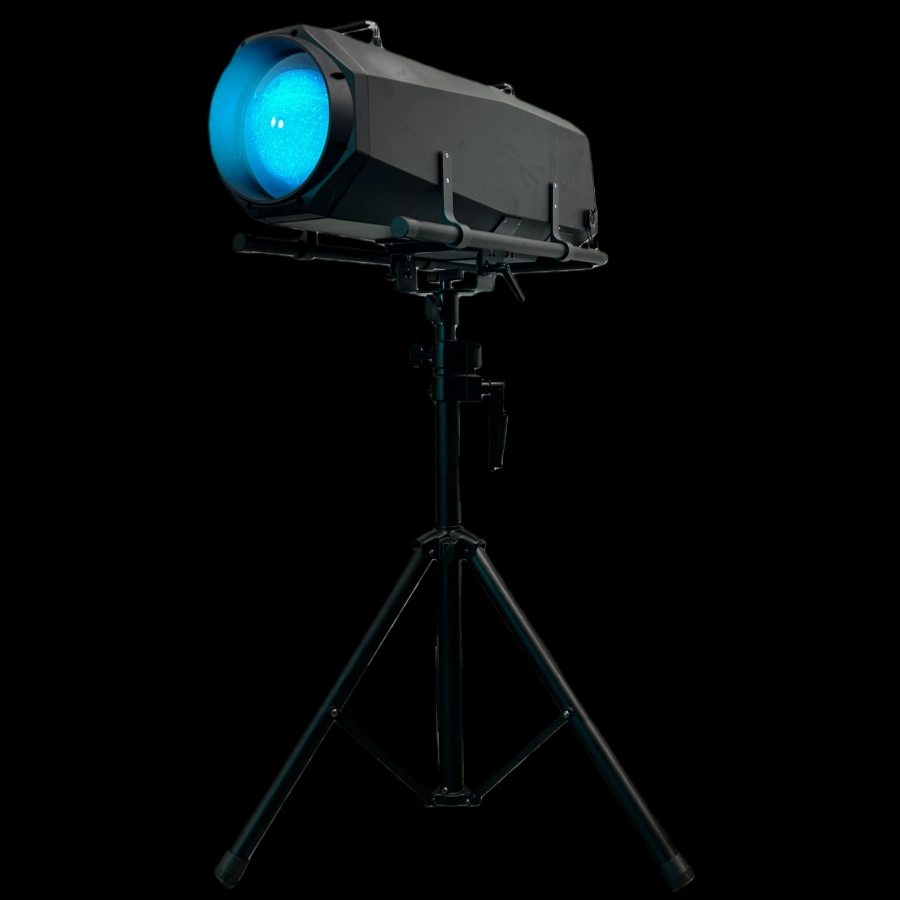
This 1200W waterproof LED follow spotlight with iris adjustment features strong light penetration, precise focusing, and smooth dimming with strobe effects.
Its rain- and dust-resistant design makes it suitable for outdoor performances, concerts, architectural lighting, and other applications. The LED light source boasts a long lifespan and stable, durable operation.
The Waterproof 1200W LED Follow Spot Light with Rotating Gobo features a rotating pattern sheet, delivering a powerful 1200W output for clear, focused beams and precise light tracking. Waterproof for outdoor use in all scenarios, the rotating pattern creates rich visual layers, making it ideal for large-scale indoor and outdoor performances, music festivals, light shows, and other events requiring focused attention and stage effects.
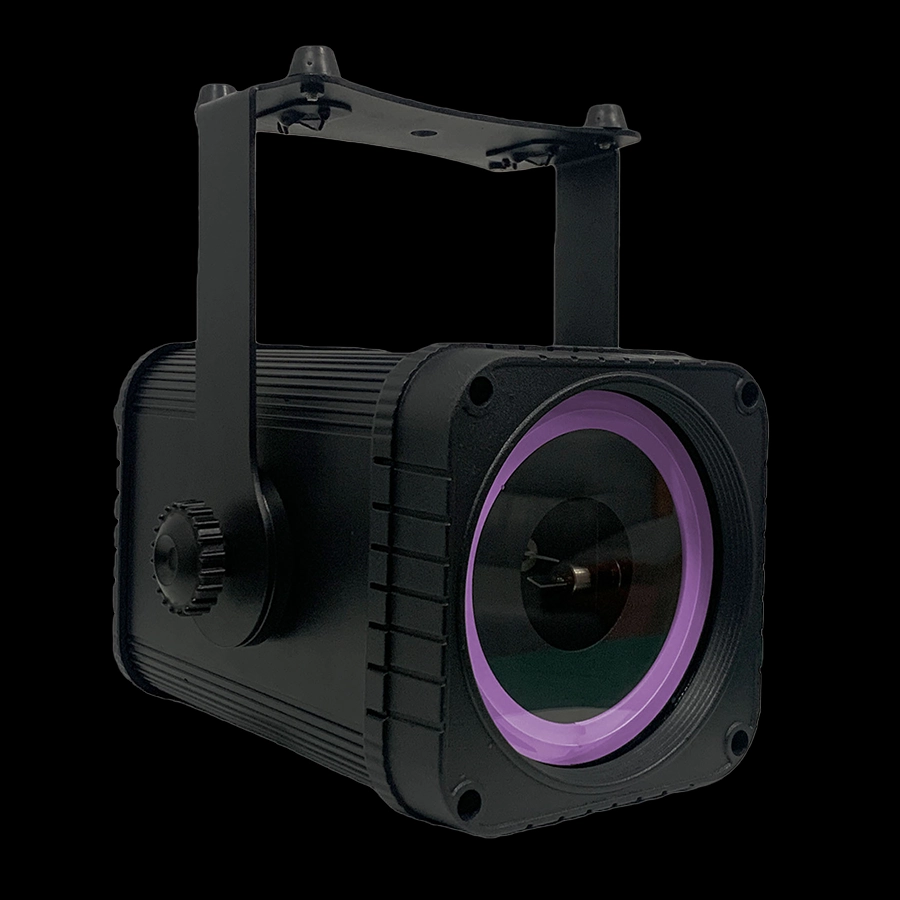
This IP65 waterproof 3W RGB animation laser battery light features an IP65 waterproof and dustproof design, making it suitable for both outdoor and indoor use. It supports rich RGB color combinations and dynamic animation effects, delivering a clear and fluid beam that can display text, patterns, and flowing light and shadow, among other visual representations.
Powered by a built-in battery, it requires no external power source, making it portable, easy to deploy, and simple to operate. Ideal for festive decorations, creating a garden atmosphere, and adding a touch of elegance to small events, it's energy-efficient, durable, and creates a truly immersive ambiance.
This IP65 waterproof 5W RGB animation laser battery light features an IP65 waterproof and dustproof design, making it suitable for both outdoor and indoor use. It supports rich RGB color combinations and dynamic animation effects, delivering a clear and fluid beam that can display text, patterns, and flowing light and shadow, among other visual representations.
Powered by a built-in battery, it requires no external power source, making it portable, easy to deploy, and simple to operate. Ideal for festive decorations, creating a garden atmosphere, and adding a touch of elegance to small events, it's energy-efficient, durable, and creates a truly immersive ambiance.
If you have any comments or good suggestions, please leave us a message, later our professional staff will contact you as soon as possible.
Lighting Innovators
Uplus Lighting is a leading integrated company specializing in R&D, design, production, and sales of stage lighting solutions.
 Scan QR Code
Facebook
Instagram
YouTube
VK