






Spot Beam vs Wash LED Light Bars: Which Is Best for Stages?
- Understanding Stage Lighting Basics
- Why beam type matters
- Key metrics: beam angle, lux, CRI and pixel control
- Standards and safety references
- Spot Beam vs Wash: Technical Comparison
- Optical design and beam control
- Photometric performance and color mixing
- Power, thermal and lifespan considerations
- Application Scenarios and Practical Trade-offs
- When to choose a spot beam led light bar
- When a wash LED light bar is better
- Cost and logistics trade-offs
- Selecting, Installing and Operating Light Bars
- Venue size, sightlines and audience experience
- Rigging, DMX and pixel addressing
- Maintenance: cleaning, cooling and firmware
- About Uplus Lighting and Why It Matters
- How Uplus’s product range maps to use cases
- FAQ
- 1. What exactly is a spot beam led light bar best used for?
- 2. Can a wash LED light bar replace spot fixtures in small venues?
- 3. How do I compare lux values between spot and wash fixtures?
- 4. Is pixel mapping possible with both types?
- 5. What maintenance should I plan for LED light bars?
- Contact and product inquiry
I often get asked by lighting designers and production managers whether a spot beam led light bar or a wash LED light bar is the better choice for a particular stage application. In this article I summarize the technical differences, on-stage effects, and operational trade-offs so you can select fixtures that meet show requirements, budget, and reliability. I draw on industry standards and practical experience to offer measurable guidance and real-world examples.
Understanding Stage Lighting Basics
Why beam type matters
Choosing between a spot beam led light bar and a wash LED light bar is fundamentally about intent: do you need tight, defined beams for texture, aerial effects and pixel mapping, or softer, even illumination for actors and scenic elements? A spot beam led light bar focuses intensity into a narrow beam angle (often under 10°), producing high lux values at distance and crisp edges. A wash LED light bar uses wider optics (commonly 20°–60°) and diffusers to create uniform field illumination with smoother falloff. Both have distinct roles in modern productions.
Key metrics: beam angle, lux, CRI and pixel control
When I compare fixtures I always check beam angle, center lux at typical throw distances, correlated color temperature (CCT), color rendering index (CRI) or TM-30 scores, and whether the unit supports pixel-level control. For example, a spot beam led light bar with a 6° beam at 10 meters will deliver significantly higher lux than a wash fixture at the same distance; this is crucial for long-throw effects. For skin tones and filmed events, CRI/CRI measures (or TM-30) should be considered; many theatrical projects require CRI 90+ for natural rendering (Wikipedia: Color rendering index).
Standards and safety references
I reference industry guidance from organizations such as the Illuminating Engineering Society (IES) and the Entertainment Services and Technology Association (ESTA) for safe rigging and photometric practices. For an overview of stage lighting principles, see Wikipedia: Stage lighting. For LED fundamentals, consult Wikipedia: Light-emitting diode and industry technical notes from IES and ESTA for rigging and photometric standards (IES, ESTA).
Spot Beam vs Wash: Technical Comparison
Optical design and beam control
A spot beam led light bar uses narrow reflector or lens optics to collimate light into sharp beams. This makes the fixture ideal for aerial shafts, backlight accents and creating hard edges. The optical quality (measured by beam homogeneity and edge definition) is a primary differentiator—professional spot bars use multi-element optics and secondary lenses to reduce artifacts and maintain consistent color across the beam.
Photometric performance and color mixing
Photometric charts reveal real differences. I typically compare center lux, beam spread, beam uniformity and total lumens. A typical spot beam led light bar might deliver 50–200% higher center lux than a comparable wash at the same distance depending on beam angle. For color, spot fixtures often use high-power single-color LEDs with tight optics, while wash bars adopt mixing techniques (RGBW, RGBA, or multi-chip LEDs) plus diffusion to flatten color across a wider field.
Power, thermal and lifespan considerations
Narrow-beam optics concentrate radiant flux and therefore demand robust thermal management. In my experience, high-quality spot beam led light bar designs include active cooling or well-engineered passive sinks and thermal protection to avoid color shift and lumen degradation. Check manufacturer photometric reports and L70 lifetime ratings; reliable manufacturers publish expected lumen maintenance curves.
Application Scenarios and Practical Trade-offs
When to choose a spot beam led light bar
I recommend a spot beam led light bar when you need: strong aerial beams, high-contrast gobos or pixel mapping, long-throw accents, and visible shafts through haze. Concerts, dance shows and large-scale events that rely on a visual beam language benefit from the intensity and definition a spot beam provides. They also excel when used as pixel-mapped fixtures for graphics because the narrow optics preserve pixel integrity over distance.
When a wash LED light bar is better
Choose wash LED light bars for even frontage lighting, cyc washes, scenic color fills, and situations where soft blending between fixtures is critical. Theatre productions, TV stages, and corporate events often require smooth, even color across a wide aperture that a wash unit delivers. Wash fixtures reduce shadows and make balancing skin tones easier on camera.
Cost and logistics trade-offs
Spot fixtures can be more expensive per lumen because of precision optics and higher-grade LEDs and drivers. Conversely, wash bars may require more units to reach comparable theatrical contrast at distance. Consider transportation, rigging points, and power distribution: fewer, higher-output spot bars may save rigging time, while more wash fixtures increase cabling and addressing complexity.
| Attribute | Spot Beam LED Light Bar | Wash LED Light Bar |
|---|---|---|
| Beam Angle | <10° (tight) | 20°–60° (wide) |
| Typical Use | Beams, aerials, pixel mapping | Front light, cyc, scenic wash |
| Center Lux at 10m | High (example: 2000–8000 lx) | Moderate (example: 300–1500 lx) |
| Color Mixing | Precise, sometimes limited diffusion | Smoother, diffusion-enhanced |
| Suitability for Pixel Mapping | Excellent | Good to Moderate |
Data examples above are representative; always consult manufacturer photometric files (IES or LDT) for exact performance. Manufacturers typically provide downloadable files for rig and lux planning—use those to run real calculations for your venue.
Selecting, Installing and Operating Light Bars
Venue size, sightlines and audience experience
I always start by modeling sightlines and audience distances. For arenas and outdoor festivals, a spot beam led light bar can create the necessary long-throw visual language. For black box theaters and TV studios, wash bars are often prioritized to ensure even actor illumination and consistent camera exposure. Consider audience comfort: excessive glare from tight spot beams aimed near audience sightlines should be avoided.
Rigging, DMX and pixel addressing
Operational complexity increases with pixel-mapped spot arrays. Ensure your control system supports pixel protocols (Art-Net, sACN) and that your console can handle the channel count. Plan DMX universes and power distro in advance. When I deploy spot beam led light bar arrays I allocate separate power groups per 8–12 fixtures to avoid inrush issues and to isolate faults without affecting the whole rig.
Maintenance: cleaning, cooling and firmware
Periodic lens cleaning preserves beam quality—dust and haze residue reduce contrast. Monitor driver temperature and update firmware when vendors release stable fixes. Keep replacement modules and spare LEDs in inventory for rental fleets; a proactive maintenance plan reduces downtime during tours.
About Uplus Lighting and Why It Matters
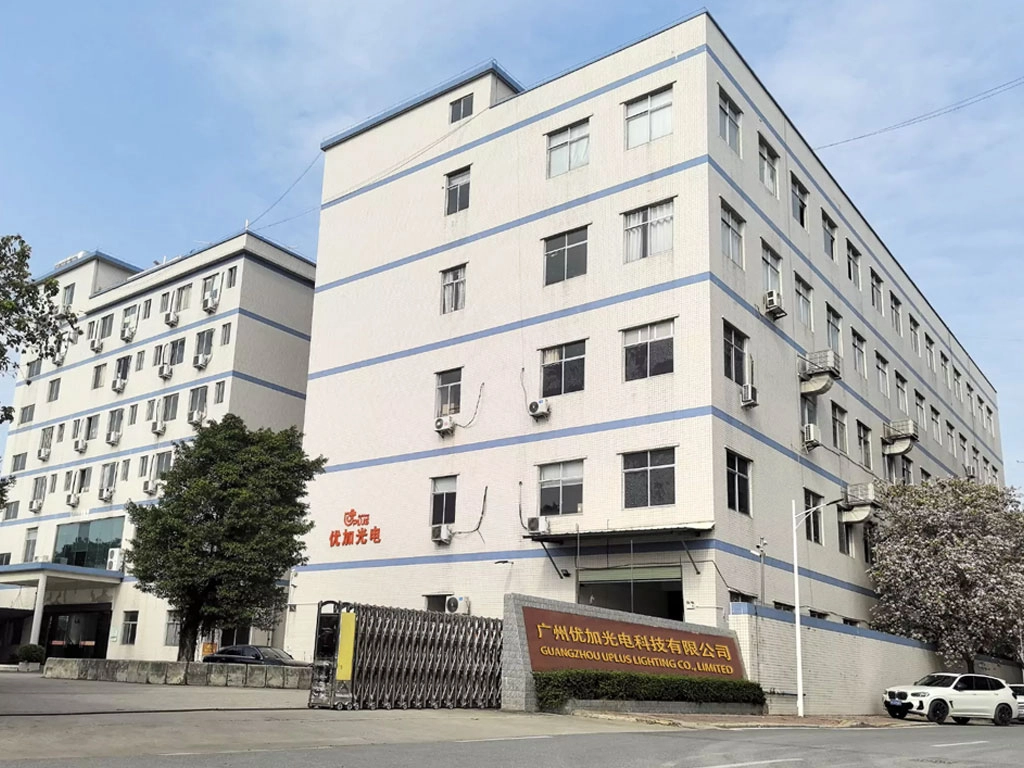
Uplus Lighting was established in 2012 in Guangzhou, China, and is a professional manufacturer specializing in high-end stage lighting products. I have worked with many manufacturers and I respect Uplus Lighting’s focus on innovative and reliable lighting solutions for theaters, studios, cultural projects, concerts, and live events worldwide. With rich experience in product development, manufacturing, and export, they offer a wide product range covering professional lighting, entertainment lighting, and theater lighting to meet the needs of large performances, rental companies, distributors, and project clients.
Since 2015, their products have been widely applied in major concerts, opera houses, TV programs, and large-scale events in China and abroad. Uplus supports OEM orders and customized product development. A skilled production team and strict quality control ensure stable performance, consistent quality, and professional service trusted by global partners. Their core product families include moving head lights, strobe lights, led battery lights, static lights, led theatre lights, led follow spot light, stage effect lights, and laser lights.
What sets Uplus Lighting apart in my view is a balanced emphasis on optical engineering and production quality. Their spot beam led light bar lines show attention to lens consistency and thermal design, while their wash fixtures emphasize color mixing and diffusion. For buyers, this means dependable photometric performance and supply-chain stability for tour and permanent install projects.
How Uplus’s product range maps to use cases
- Moving head lights: dynamic beam and wash capabilities for concerts and televised events. - Strobe lights: high-intensity effects for music and dance events. - LED battery lights: wireless flexibility for remote shoots and location work. - Static lights & LED theatre lights: reliable front-of-house and stage wash solutions. - LED follow spot light: precision tracking for performers. - Stage effect & laser lights: supplementary effects that pair well with spot arrays.
FAQ
1. What exactly is a spot beam led light bar best used for?
A spot beam led light bar is best for creating tight shafts of light, aerial effects, and pixel-mapped graphics that require high center lux and defined edges. Use it for concerts, festivals, or any application where visible beams are a design element.
2. Can a wash LED light bar replace spot fixtures in small venues?
In small venues, a wash LED light bar can sometimes substitute for spot fixtures when you prioritize even coverage over beam definition. However, if you need distinct aerial beams or long-throw intensity, wash units are not an ideal replacement.
3. How do I compare lux values between spot and wash fixtures?
Compare manufacturer photometric files (IES or LDT) at your intended throw distances. Center lux and beam angle are primary metrics; use lighting design software (e.g., WYSIWYG, Capture) to model audience areas and scenic elements with accurate photometrics.
4. Is pixel mapping possible with both types?
Yes, but a spot beam led light bar generally preserves pixel integrity better at distance due to narrow optics. Wash bars may blur pixels unless pixels are tightly binned and fitted with secondary optics.
5. What maintenance should I plan for LED light bars?
Regular lens cleaning, thermal checks, firmware updates, and spare parts inventory are essential. For touring rigs, schedule pre- and post-show inspections and periodic photometric verification to catch lumen depreciation or color shifts early.
Contact and product inquiry
If you’d like personalized recommendations for your venue or project, contact Uplus Lighting for product specs, custom OEM options, and photometric files. Visit the Uplus Lighting product pages or request a datasheet to compare spot beam led light bar models and wash fixtures for your specific needs.
References: Stage lighting — Wikipedia; Light-emitting diode — Wikipedia; Illuminating Engineering Society (IES); Entertainment Services and Technology Association (ESTA).
Where to Buy led par light
How to Choose Mini LED Spot Moving Heads for Weddings & Events
How to Spec Moving Head Wash Lights for Theaters and Clubs
Top 7r Beam Moving Head Uses for Concerts and Tours

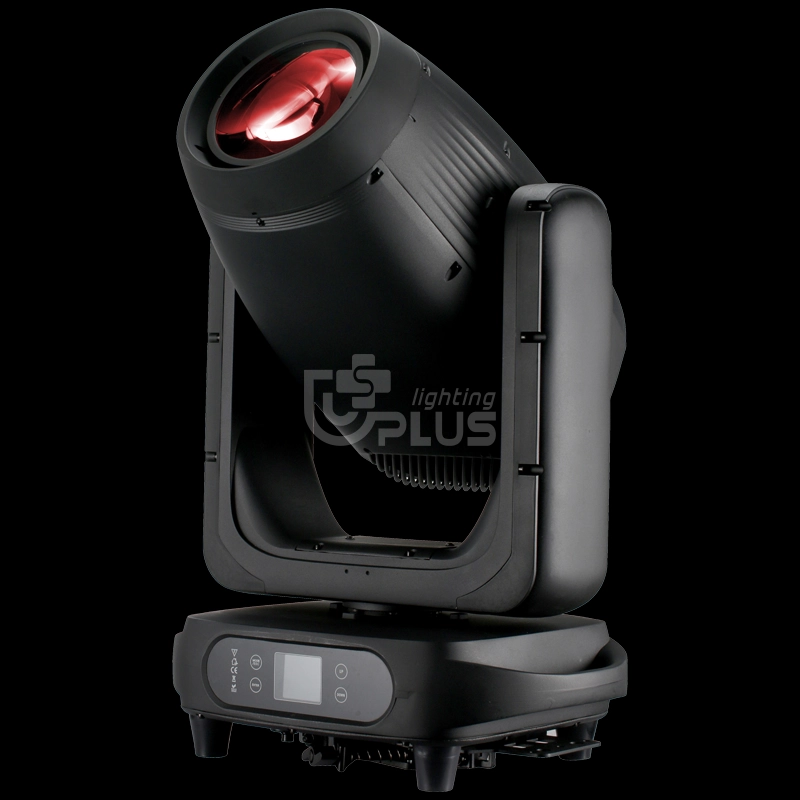
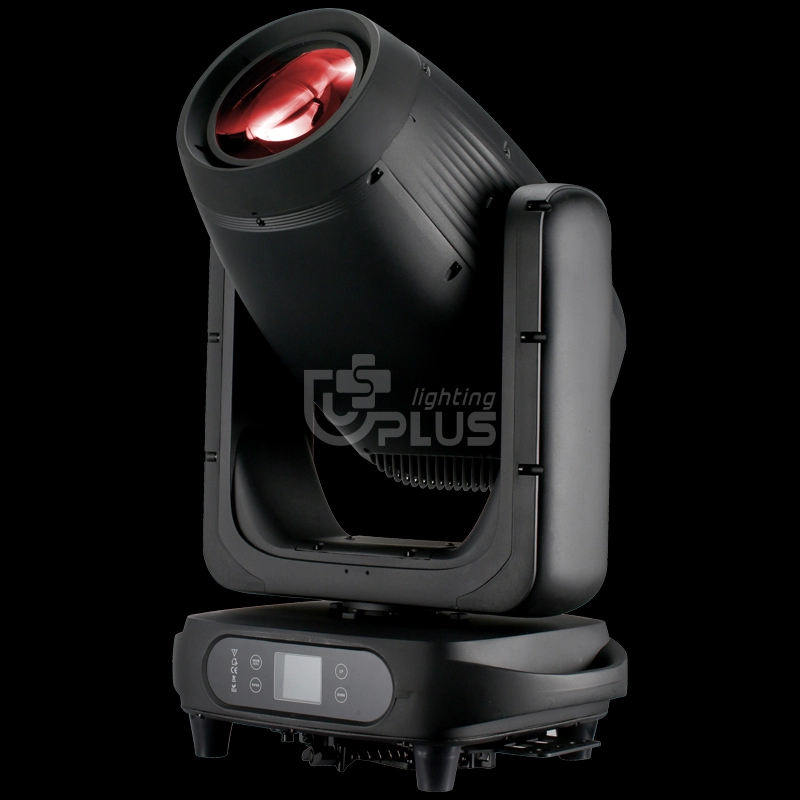
1000W Waterproof BSWF 4-in-1 Moving Head combines beam, spot, wash, and frame effects in one. IP-rated waterproof design, high-brightness output, precise control, ideal for outdoor & indoor stage events.
If you have any comments or good suggestions, please leave us a message, later our professional staff will contact you as soon as possible.
Lighting Innovators
Uplus Lighting is a leading integrated company specializing in R&D, design, production, and sales of stage lighting solutions.
 Scan QR Code
Facebook
Instagram
YouTube
VK