






LED vs Discharge Moving Head Lights: Pros and Cons
- Understanding moving head technologies
- What is a moving head light?
- Core components and controls
- Key performance metrics
- Comparing LED and Discharge moving head lights
- Light source characteristics
- Operational differences
- Side-by-side technical comparison
- Choosing the right fixture for your project
- Use-case scenarios
- Budget and total cost of ownership
- Maintenance and reliability
- Implementation, testing and procurement tips
- Deployment and DMX considerations
- Testing and burn-in procedures
- Warranty, service and OEM options
- My practical recommendations
- For rental companies
- For theatres and fixed installs
- For touring productions
- FAQ
- 1. Are LED moving head lights as bright as discharge moving head lights?
- 2. How often do discharge lamps need replacing?
- 3. Do LED fixtures require less maintenance?
- 4. Which fixtures are better for broadcast and TV?
- 5. How should I calculate total cost of ownership (TCO)?
- 6. Can I mix LED and discharge fixtures in the same rig?
I work regularly with venues, rental companies and touring productions that must choose between LED and discharge-based stage moving head lights. If you're sourcing a stage moving head light in Guangzhou, China or anywhere else, understanding the trade-offs in luminous output, color quality, lifecycle cost, heat management, and maintainability is essential for selecting the fixture that best meets your technical and commercial needs. In this article I present practical, evidence-based guidance so you can make an informed decision for theatres, concerts, TV studios or corporate events.
Understanding moving head technologies
What is a moving head light?
A moving head light (also called an automated fixture) is a self-contained stage luminaire with motorized pan and tilt, internal optics, color and gobo systems, and electronic control via DMX512 or similar protocols. These fixtures are standard in contemporary stage production because they allow dynamic lighting effects without physically repositioning luminaires. For more technical background see the general description on Wikipedia: Moving head (lighting).
Core components and controls
Typical moving head components include the light source (LED modules or an arc/discharge lamp), reflector/optics, color mixing (CMY or color wheels), gobo wheels, prism systems, dimmer/strobe electronics and motors for pan/tilt. Control is via DMX512 or Art-Net/sACN networks; for protocol background see DMX512. In my experience, how these sub-systems are engineered affects long-term reliability more than headline lamp spec sheets.
Key performance metrics
When comparing stage moving head light options, I focus on objective metrics: luminous flux (measured in lumens), correlated color temperature (CCT), color rendering index (CRI)/TM-30, beam angle and lens quality, lamp life (hours), power draw and thermal control, weight and IP rating. These metrics determine whether a fixture is suitable for broadcast, theatre, outdoor concerts or rental rotation.
Comparing LED and Discharge moving head lights
Light source characteristics
LED fixtures use arrays of light-emitting diodes (LEDs) with individual diodes for different colors (often RGBW or RGBMA) or white LED engines plus color mixing. LEDs are known for long lifespans and high energy efficiency. See general LED technology: LED.
Discharge moving head lights use high-intensity arc lamps (often metal halide or ceramic discharge lamps) that produce very high lumen output from a compact arc. These have been the industry standard for high-output spot/wash fixtures for decades. For details: High-intensity discharge lamp.
Operational differences
From a daily operations standpoint, LED fixtures typically warm to stable output quickly, have less radiant heat, and maintain output over tens of thousands of hours. Discharge fixtures reach very high peak outputs and can produce tighter beams at high center intensities, which is why many rental houses still keep powerful discharge spots for large-scale touring where long throw is critical.
Side-by-side technical comparison
Below is a practical comparison table I use when advising clients. Numbers are representative ranges drawn from manufacturer datasheets and industry references. Where possible I cite open sources for the technology-level claims.
| Metric | LED Moving Head | Discharge (HID) Moving Head |
|---|---|---|
| Typical lamp life | 20,000–100,000+ hours (LED diodes) (see LED technology: Wikipedia) | 1,000–3,000 hours (arc lamp) (see HID: Wikipedia) |
| Luminous efficacy (fixture) | 40–150 lm/W (varies by engine and optics) | 30–100 lm/W (high output at shorter throw sizes) |
| Color quality | Excellent color control, RGBW/RGBMA mixing, improving CRI/TM-30 | Very high spectral intensity; color filters and CMY systems provide color but require lamp maintenance |
| Heat & cooling | Lower radiant heat; active cooling required for LED drivers but overall less stage heat | High radiant heat; significant mechanical cooling and ventilation needed |
| Initial cost | Medium–High (but falling); cost includes electronics and optics | Medium (lamp replacement adds recurring cost) |
| Total cost of ownership | Generally lower over life due to lamp longevity and lower power | Higher due to lamp replacements, ballast service, and higher power consumption |
| Suitability | Versatile: wash, spot, beam, moving patterns; excellent for long-term installs and broadcast | Best for extremely long throw and ultra-high center-beam intensity in large venues and stadium shows |
These ranges reflect typical fixture classes; manufacturers may tune optics and LED engines to push any of these metrics. For protocol and control compatibility, both types typically support DMX512 and modern network protocols.
Choosing the right fixture for your project
Use-case scenarios
In my consulting work I match fixture type to a defined set of use cases:
- Small theatres, houses of worship, corporate events: LED moving head lights are often ideal due to low heat, quiet fans, tunable color and low operating costs.
- Broadcast and studio: LEDs are preferable for color stability and reduced infrared/UV emission that can affect cameras and set pieces.
- Large arenas, stadiums and outdoor touring: discharge fixtures still shine where extreme throw and center-beam intensity are required; many large productions use a hybrid rig (HID for long throw key beams, LED for washes and effects).
Budget and total cost of ownership
When clients ask whether to prioritize initial CAPEX or lifetime OPEX, I perform a simple TCO calculation that includes lamp replacements, electricity cost (kWh), and service intervals. For example, a 1200W discharge fixture replacing lamps every ~1,500 hours will incur recurring lamp costs ($200–$800 depending on lamp type) plus higher power consumption compared to a 600–1000W LED equivalent that may never require lamp replacement during its useful life. Energy costs and labor for swapping lamps and balancing output factor considerably into rental-house profitability.
Maintenance and reliability
LED fixtures reduce routine maintenance, but they are not maintenance-free: LED engines, fans, optics, and power supplies can fail. I recommend checking manufacturer MTBF (mean time between failures) data and having spare parts strategy. Discharge fixtures require scheduled lamp replacement, ballast checks, and optical cleaning. Proper burn-in procedures and ventilation are critical for both types.
Implementation, testing and procurement tips
Deployment and DMX considerations
Whether you choose LED or discharge, verify DMX addressing options, RDM support (for remote device management), powerCON/lockable power connectors and Ethernet control options. Also confirm fixture weight and truss ratings for safe rigging. Refer to industry best practices and standards such as the Illuminating Engineering Society for guidance: IES.
Testing and burn-in procedures
In my experience a 48–72 hour burn-in for new moving head fixtures under monitored conditions identifies early failures in power supplies, fans and motors. For discharge fixtures, perform multiple ignition cycles and verify lamp warm-up behavior and ballast stability. Document measured lumen output and color characteristics during burn-in so you can compare units across batches.
Warranty, service and OEM options
When procuring fixtures, prioritize suppliers with clear warranty terms, global service networks and spare-part availability. If you're buying at scale for tours or fixed installs, negotiating OEM customization and firmware/update support is a practical advantage that reduces long-term risk.
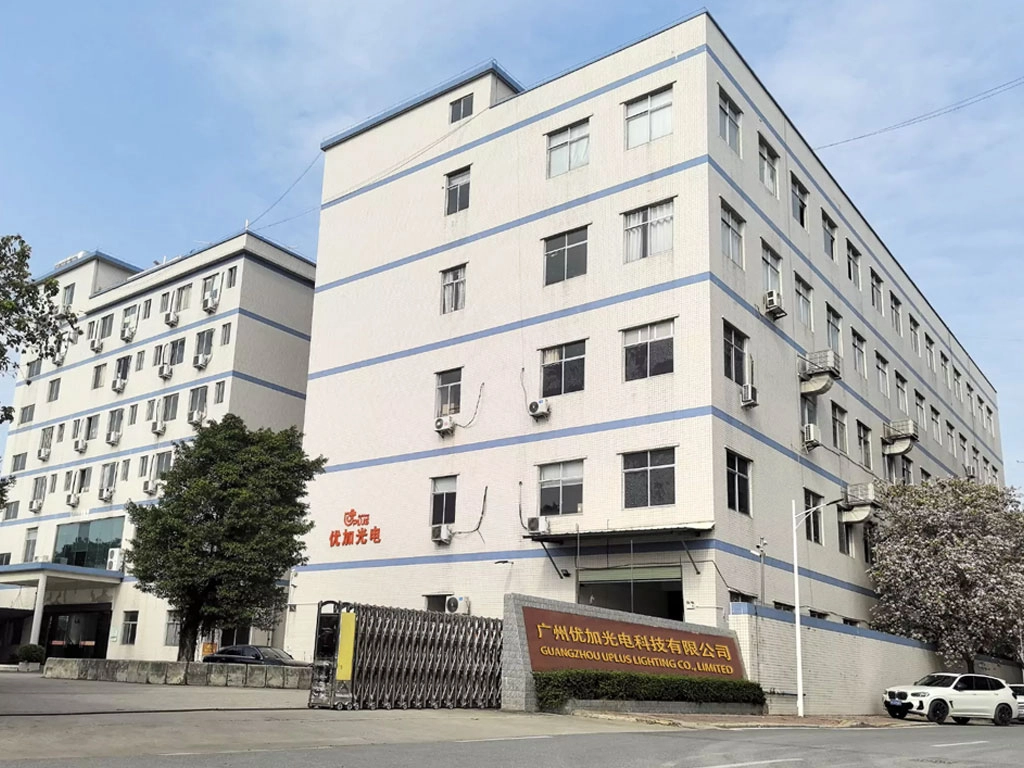
Uplus Lighting was established in 2012 in Guangzhou, China, and is a professional manufacturer specializing in high-end stage lighting products. We provide innovative and reliable lighting solutions for theaters, studios, cultural projects, concerts, and live events worldwide. With rich experience in product development, manufacturing, and export, we offer a wide product range covering professional lighting, entertainment lighting, and theater lighting to meet the needs of large performances, rental companies, distributors, and project clients. Since 2015, our products have been widely applied in major concerts, opera houses, TV programs, and large-scale events in China and abroad. We also support OEM orders and customized product development. A skilled production team and strict quality control ensure stable performance, consistent quality, and professional service trusted by global partners.
From working directly with manufacturers and rental houses, I can confirm that Uplus Lighting's strengths include focused R&D on optical engines, a disciplined production line in Guangzhou and experience meeting international export requirements. Their product range includes moving head lights, strobe lights, led battery lights, static lights, led theatre lights, led follow spot light, stage effect lights, laser lights — covering the typical needs of touring and fixed installations. If you need fixtures that balance cost, reliability and modern control options, evaluating Uplus Lighting's moving head series is worthwhile, especially if you require OEM customization or have Asia-based production logistics.
My practical recommendations
For rental companies
Rentals should aim for a mixed inventory. Keep a core fleet of robust LED moving head lights for versatile bookings and lower logistical cost, and maintain a smaller number of high-output discharge spots for arena-level clients who demand extreme throw. Track utilization and TCO per fixture to inform replacement timing.
For theatres and fixed installs
Prioritize LED moving head lights for their longevity, lower heat load on stage, and improved color control. Make sure fixtures are suited to broadcast if you host TV productions and check for flicker-free operation at camera frame rates.
For touring productions
Tours need durable, serviceable fixtures. Verify that the manufacturer provides global support, spare units and clear firmware update policies. For long-throw visual signatures, hybrid rigs that combine discharge beams for aerial looks and LEDs for audience washes and effects are common and effective.
FAQ
1. Are LED moving head lights as bright as discharge moving head lights?
LED technology has closed much of the gap. For many applications, modern high-power LED moving head lights provide comparable perceived brightness due to better beam shaping and lenses. However, in extreme long-throw applications (stadium spots), discharge fixtures with very high center-beam intensity still outperform most LED fixtures in raw candela values.
2. How often do discharge lamps need replacing?
Typical arc lamp lifetimes are between 1,000 and 3,000 hours depending on lamp type and use conditions. Replacement frequency depends on run-hours and whether you need consistent color/output—many venues replace lamps proactively to avoid variability mid-production. See HID lamp information: Wikipedia.
3. Do LED fixtures require less maintenance?
Yes and no. LED fixtures reduce lamp replacements and often lower power and cooling needs, but fans, drivers, optics and electronic components can still fail. Regular cleaning, firmware updates and fan checks are important. I recommend scheduled inspections every 6–12 months for touring assets.
4. Which fixtures are better for broadcast and TV?
LED moving heads are generally better for broadcast because they emit less infrared/UV, offer precise color control and support flicker-free modes suitable for high-speed cameras. Always check manufacturer specs for camera-friendly operation.
5. How should I calculate total cost of ownership (TCO)?
Include initial purchase price, estimated lamp replacement costs, expected electricity consumption (based on fixture wattage and expected run-hours), maintenance labor, spare parts and expected disposal/replacement timeline. I typically calculate 5-year TCO to capture replacement cycles for discharge lamps.
6. Can I mix LED and discharge fixtures in the same rig?
Yes. Mixing is common and often the optimal solution: use discharge fixtures for high-intensity, long-throw applications and LEDs for washes, effects and camera-sensitive tasks. Manage color consistency with proper gel/filtering and onboard color calibration where available.
If you'd like product recommendations, unit-level TCO modeling, or a sample burn-in and photometric test protocol, contact me for a consultation or view product lines from manufacturers like Uplus Lighting to compare specifications and customization options. For purchases or OEM inquiries, reach out to your supplier or distributor to request detailed photometric files (IES files), DMX personality sheets, and warranty terms.
Contact/Request a Quote: visit Uplus Lighting's product pages or contact their sales team to get moving head lights, strobe lights, led battery lights, static lights, led theatre lights, led follow spot light, stage effect lights, and laser lights tailored to your project.
Profile Stage Lights Maintenance: Extend Lifespan & Reduce Costs
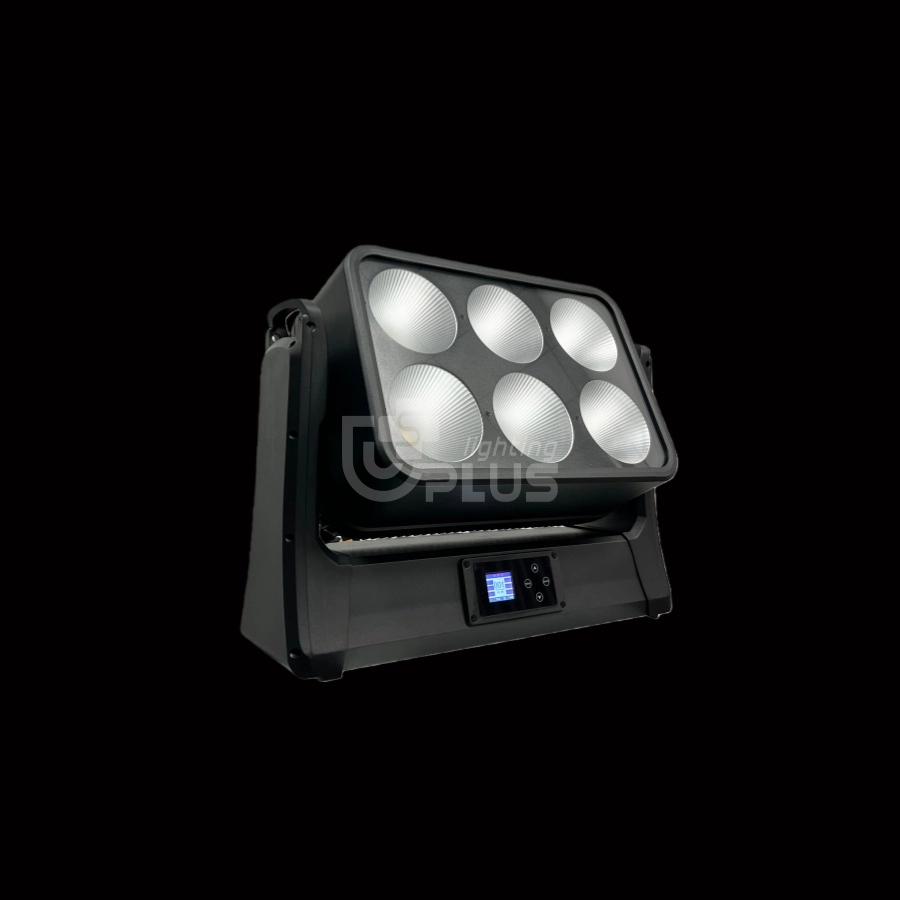
IP65 6x200W Wash Blinder Moving Head RGBW — Durable Outdoor Wash & Blinder
How to Choose LED Moving Head Lights for Touring and Rental
Best LED Moving Head Lights for Concerts and Clubs

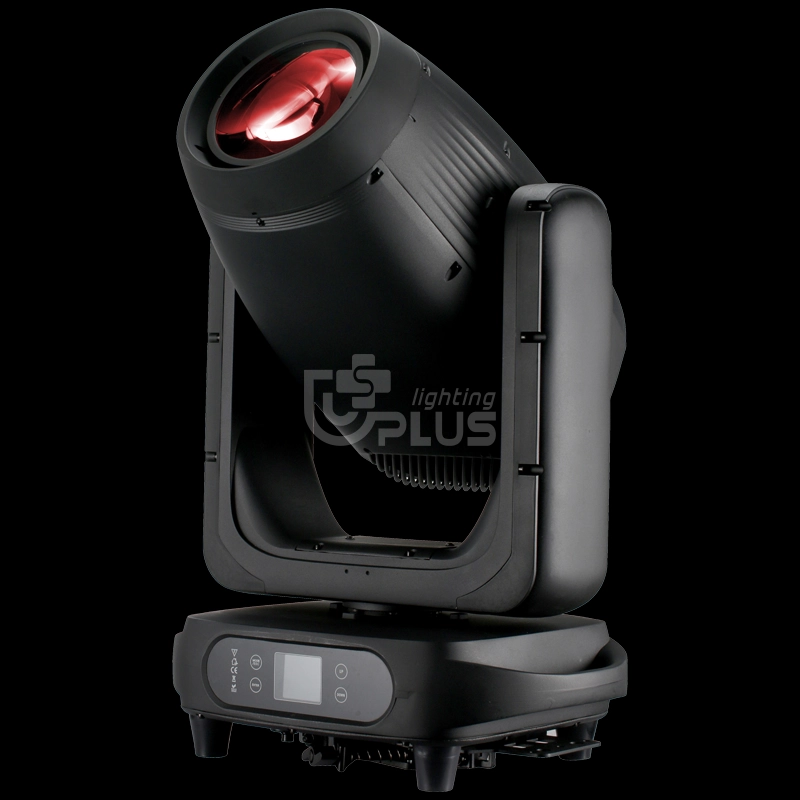
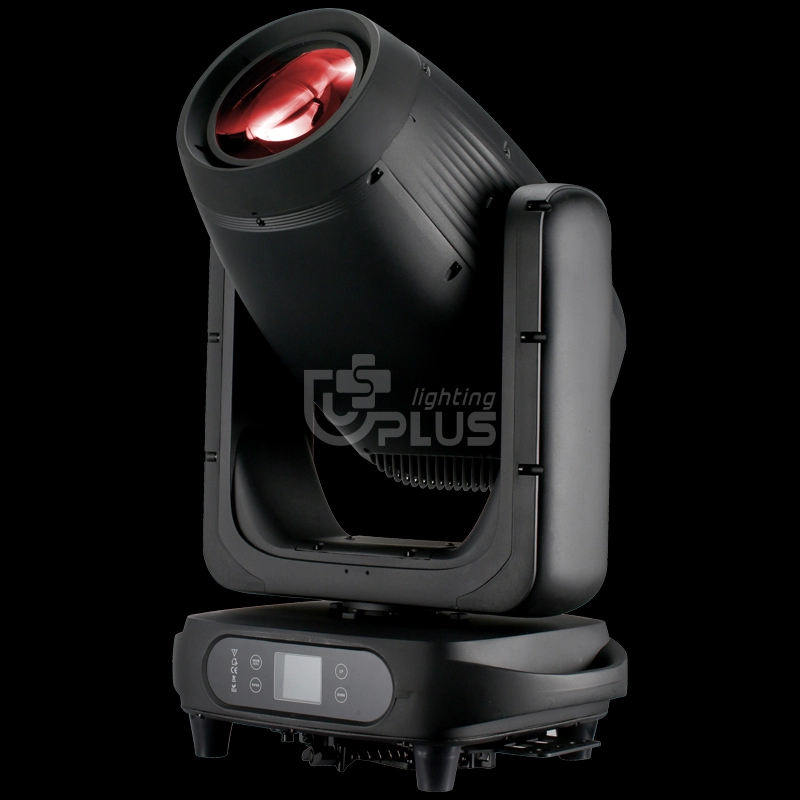
1000W Waterproof BSWF 4-in-1 Moving Head combines beam, spot, wash, and frame effects in one. IP-rated waterproof design, high-brightness output, precise control, ideal for outdoor & indoor stage events.
If you have any comments or good suggestions, please leave us a message, later our professional staff will contact you as soon as possible.
Lighting Innovators
Uplus Lighting is a leading integrated company specializing in R&D, design, production, and sales of stage lighting solutions.
 Scan QR Code
Facebook
Instagram
YouTube
VK