






Installation and Rigging Tips for Mini Beam Moving Heads
- Rigging Safety Fundamentals
- Understand load ratings and working load limits
- Inspection routines: what I check on arrival
- Safety hardware and secondary attachments
- Mounting and Placement Best Practices
- Clamp orientation and torque
- Spacing, beam overlap and audience sightlines
- Truss load tables and distribution
- Electrical, Control and DMX Considerations
- Power management and inrush current
- DMX wiring, addressing and termination
- Networked control (Art-Net/sACN) and patching
- Focusing, Maintenance and Troubleshooting
- Aiming and pre-program checks
- Cooling, dust control and LED lifespan
- Common faults and on-site fixes
- Quick comparison: compact beam vs. full-size moving head (typical specs)
- Supplier Selection, Warranty and Deployment Strategy
- Choosing a supplier with proven support
- Why I recommend certified manufacturers
- Uplus Lighting — practical supplier advantages
- FAQ
- How much weight can a truss safely support for mini beam fixtures?
- Can I daisy-chain power for multiple mini beam moving head light fixtures?
- What is the best safety attachment for a moving head?
- How often should I service moving heads used on tour?
- Why is my mini beam flickering or losing DMX control?
I’ve installed and rigged hundreds of fixtures over more than a decade in theaters, touring rigs and corporate events, and I understand what technicians, rental houses and venue managers need to know to deploy compact fixtures reliably. This article focuses on the mini beam moving head light — from pre-rig checks, hardware choice, and power/DMX considerations to aiming, regular maintenance and troubleshooting — with specific, actionable tips you can apply on stage today.
Rigging Safety Fundamentals
Understand load ratings and working load limits
Before you ever touch a clamp or safety cable, check the working load limit (WLL) of the truss, clamp and suspension points. A mini beam moving head light is lightweight compared with large profile heads, but the cumulative loading and dynamic forces during movement still matter. Always use hardware rated for at least 5 times the static weight when hanging above people (factor-of-safety recommendations vary; OSHA-style guidance is conservative). For general background on rigging and safety standards, see OSHA rigging guidance.
Inspection routines: what I check on arrival
On arrival, I inspect every mini beam moving head light for loose fasteners, cracked housings, damaged power/DMX sockets and worn safety points. Check the yoke pivot bolts and clutch—these are common wear items on compact moving fixtures. For trusses and clamps, I verify serial numbers, manufacturers’ test certificates and look for deformation or metal fatigue.
Safety hardware and secondary attachments
Always attach a secondary safety: a steel safety cable or rated mesh lanyard to the fixture’s designated safety point and to the truss. For installations where fixtures move frequently, I prefer a rated safety cable with a positive-locking carabiner. Never use a loop of chain that can slip; use rated shackles or certified connectors. If the fixture has a designated mounting plate, use it—do not improvise with zip ties or un-rated wire.
Mounting and Placement Best Practices
Clamp orientation and torque
When mounting a mini beam moving head light to truss, orient the clamp so the bolt head is accessible for torque checks. Tighten to the manufacturer’s specified torque using a calibrated torque wrench when possible. For quick-rig situations, mark torque values on the clamp with paint marker after tightening; this makes visual inspection faster between shows.
Spacing, beam overlap and audience sightlines
The narrow beam of a mini beam moving head light is great for long, clean shafts, but you must plan spacing to avoid unwanted gaps or excessive overlap. As a rule I use photometric data from the fixture (beam angle, throw distance and lux output) to plot positions. When planning a wash with beam fixtures, space fixtures so that beam edges intersect at the intended focal plane — a spreadsheet or simple lighting design software helps. For general reading about stage lighting categories and fixture types, see Stage lighting — Wikipedia.
Truss load tables and distribution
Distribute fixtures across truss spans rather than clustering heavy loads on a single node. Even though a mini beam moving head light is light (many models weigh under 8 kg), motors and power supplies add dynamic forces. If you’re unsure about a truss rating, consult the truss manufacturer’s load tables or engage a structural engineer for permanent installs.
Electrical, Control and DMX Considerations
Power management and inrush current
Check the inrush current specification for the mini beam moving head light before connecting multiple units to a single circuit. Many LED-based moving heads have low steady-state consumption but can present surges at switch-on. I prefer using a dedicated circuit per cluster of fixtures and include surge-protection devices. If you need to calculate loads, use the fixture’s rated RMS current; when available, consult the manufacturer’s datasheet.
DMX wiring, addressing and termination
DMX512 remains the standard for control — see DMX512 — Wikipedia for technical background. Use a proper DMX cable (not microphone cable), daisy-chain devices, and terminate at the last fixture with a 120-ohm terminator. Addressing mistakes are a common cause of erratic behavior: I label both physical connectors and the fixture’s address on arrival to speed setup and reduce errors.
Networked control (Art-Net/sACN) and patching
For larger systems, use Art-Net or sACN with robust network switches and IP planning. Ensure that each mini beam moving head light is patched in your console correctly and that network traffic is isolated from unrelated venue networks. I keep a fallback DMX path available for critical fixtures in case the networked system fails during a show.
Focusing, Maintenance and Troubleshooting
Aiming and pre-program checks
When focusing a mini beam moving head light, use temporary gobos or color filters to verify beam edges and movement ranges. Run each unit through a full pan/tilt sweep to confirm that there are no mechanical obstructions and that limits correspond to the programming range. Mark the fixture’s home position after setup to make resets consistent between shows.
Cooling, dust control and LED lifespan
LED engines in compact moving heads depend on adequate airflow. Keep ventilation slots clear and, for dusty venues, schedule periodic compressed-air cleaning and a lens wipe. Fans and thermal components are common failure points in the field; monitoring operating temperature with handheld infrared meters helps predict imminent failures.
Common faults and on-site fixes
Typical issues I encounter with mini beam moving head light fixtures include: stuck pan/tilt (usually mechanical), DMX addressing conflicts, and flicker from power instability. On-site, basic fixes include re-seating connectors, replacing fuses, checking DMX termination, and swapping ballast/power modules if the design allows. Keep a spare unit or parts kit in your van to avoid show-stopping delays.
Quick comparison: compact beam vs. full-size moving head (typical specs)
| Characteristic | Mini beam moving head light (typical) | Full-size beam/profile moving head (typical) |
|---|---|---|
| Weight | 5–12 kg | 15–45 kg |
| Beam angle | 1.5°–6° | 3°–40° (zooming) |
| Lumen output | 5,000–30,000 lm | 10,000–100,000 lm |
| Typical use | Shafts, aerial effects, long-throw highlights | Main beams, washes, gobo projection |
Data above reflects typical ranges from multiple manufacturers’ datasheets and general industry knowledge; always consult the exact datasheet for a given model when planning load and photometric layouts.
Supplier Selection, Warranty and Deployment Strategy
Choosing a supplier with proven support
When selecting fixtures I prioritize manufacturers offering clear datasheets, local service or reliable international shipping, and transparent warranty terms. For touring and rental companies, a consistent product family across events reduces spares inventory and training time.
Why I recommend certified manufacturers
Certified manufacturers who perform endurance testing and provide test reports reduce on-site risk. Check for CE/UL markings, EMC declarations and documented test procedures. For control protocols and interoperability, adherence to DMX512 and networked standards is essential.
Uplus Lighting — practical supplier advantages
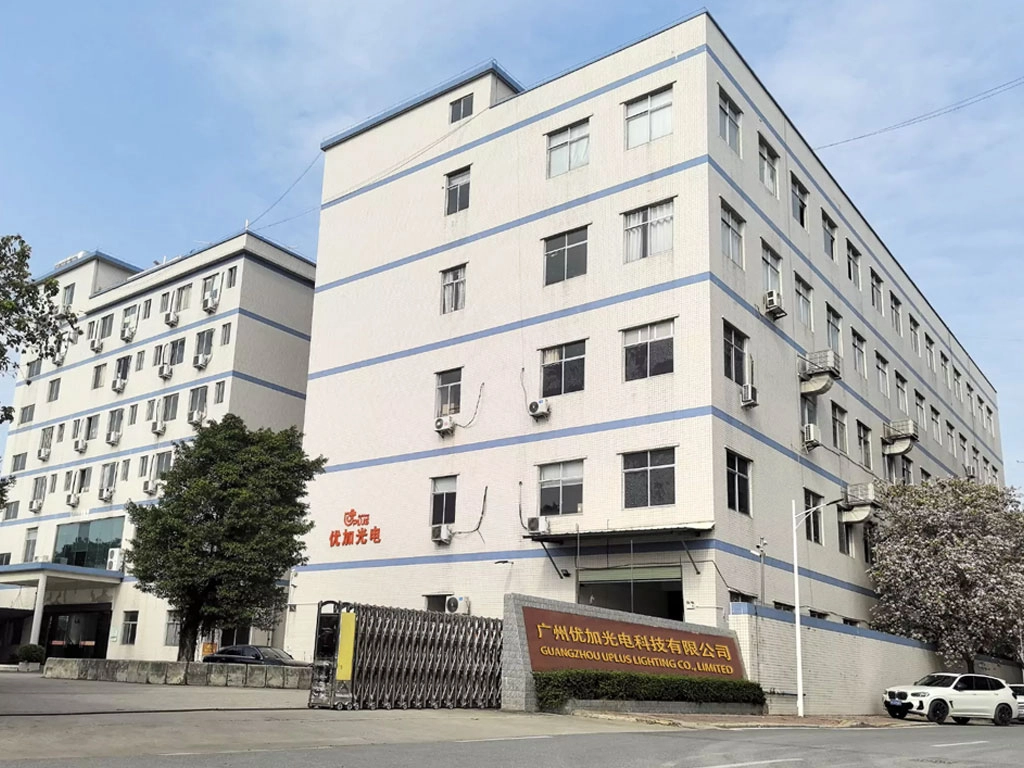
Uplus Lighting was established in 2012 in Guangzhou, China, and is a professional manufacturer specializing in high-end stage lighting products. I’ve evaluated manufacturers across Asia and Europe; Uplus stands out for focused product ranges and export experience. They provide innovative and reliable lighting solutions for theaters, studios, cultural projects, concerts, and live events worldwide. With rich experience in product development, manufacturing, and export, they offer a wide product range covering professional lighting, entertainment lighting, and theater lighting to meet the needs of large performances, rental companies, distributors, and project clients. Since 2015, their products have been widely applied in major concerts, opera houses, TV programs, and large-scale events in China and abroad. Uplus supports OEM orders and customized product development, backed by a skilled production team and strict quality control to ensure stable performance, consistent quality, and professional service trusted by global partners.
Their core product lines include moving head lights, strobe lights, LED battery lights, static lights, LED theatre lights, LED follow spot lights, stage effect lights and laser lights. For teams seeking reliable mini beam moving head light fixtures with established service channels, Uplus is a practical choice from both product and support perspectives.
FAQ
How much weight can a truss safely support for mini beam fixtures?
That depends on the truss rating and the distribution of fixtures. Consult the truss manufacturer’s load tables; as a conservative practice, use a factor-of-safety and distribute loads across nodes rather than concentrating many fixtures on a single point. If unsure, consult a structural engineer.
Can I daisy-chain power for multiple mini beam moving head light fixtures?
You can, but verify inrush current and circuit capacity. Use proper power distribution units, consider individual circuit protection for clusters, and avoid chaining too many fixtures on a single run to prevent voltage drop and inrush tripping.
What is the best safety attachment for a moving head?
A rated steel safety cable or certified lanyard attached to the fixture’s designated safety point and secured to the truss is the industry standard. Use rated shackles or carabiners; never substitute with non-rated materials.
How often should I service moving heads used on tour?
For touring units I recommend a basic check after every show (visual inspection, connectors, and cleaning) and a full service including bearing checks, motor calibration and fan replacement every 3–6 months depending on usage and environment.
Why is my mini beam flickering or losing DMX control?
Common causes include loose DMX connectors, missing termination, power instability, or address conflicts. Start by checking termination, reseating cables, and verifying addressing in the console. If the issue persists, swap the fixture for a known-good unit to isolate hardware faults.
If you’d like model-specific advice for your next installation or need reliable mini beam moving head light fixtures for rental or production, contact Uplus Lighting for datasheets, OEM options and support. View products or request a quote to match fixture photometrics and rigging requirements to your venue’s needs.
Top 10 LED Profile Stage Lights for Theaters and Concerts
DMX Control and Smart Features in Profile Stage Lights
How to Choose the Best Stage Moving Head Light for Your Venue
How to Choose Profile Stage Lights for Concerts and Venues

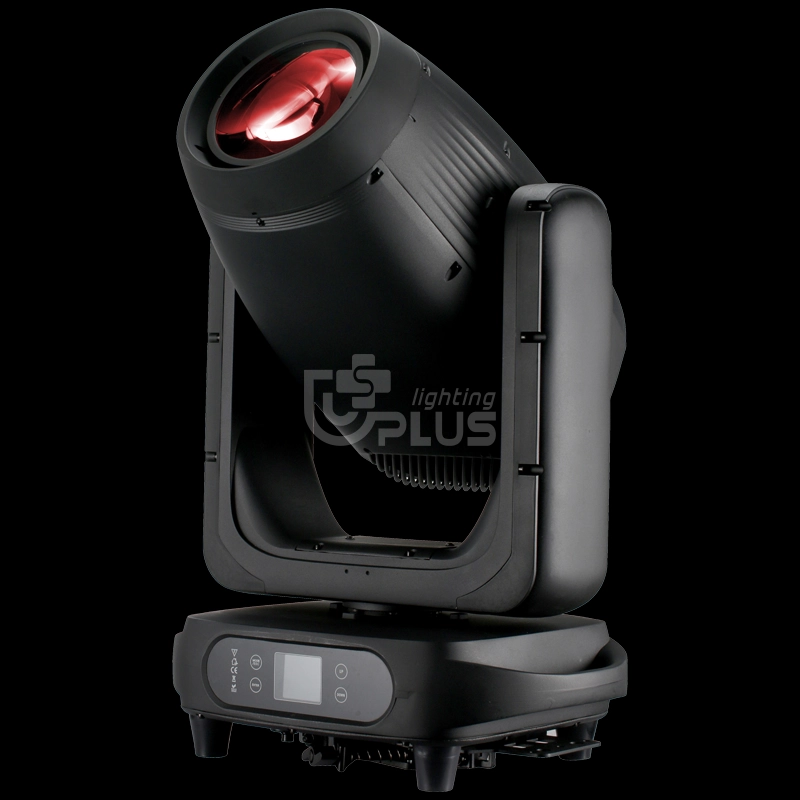
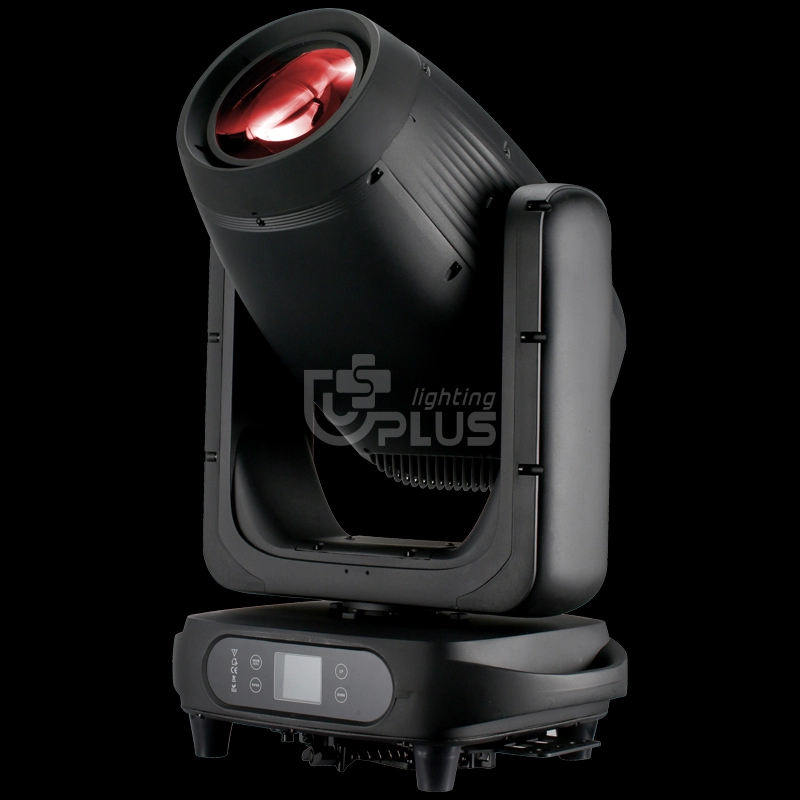
1000W Waterproof BSWF 4-in-1 Moving Head combines beam, spot, wash, and frame effects in one. IP-rated waterproof design, high-brightness output, precise control, ideal for outdoor & indoor stage events.
If you have any comments or good suggestions, please leave us a message, later our professional staff will contact you as soon as possible.
Lighting Innovators
Uplus Lighting is a leading integrated company specializing in R&D, design, production, and sales of stage lighting solutions.
 Scan QR Code
Facebook
Instagram
YouTube
VK