






Cost of Ownership: LED Moving Head Lights for Venues
- What drives venue lighting costs?
- Capital expenditure vs operating expenditure
- Hidden costs: downtime, color consistency and disposal
- Standards and interoperability
- Comparing LED moving head lights to traditional discharge moving heads
- Key technical differences
- Lifetime and lumen maintenance
- Energy efficiency and heat management
- Practical 5-year TCO model: sample comparison
- Assumptions and methodology
- Numeric results (5-year)
- Operational strategies to reduce total cost of ownership
- Right-sizing the fixture and power management
- Preventive maintenance and firmware management
- Inventory and modular swapping
- Choosing the right supplier and why it matters
- Quality, warranty and local support
- Uplus Lighting: capabilities and competitive strengths
- What to request from a vendor
- Making the decision: questions to answer for your venue
- Usage profile and programming needs
- Budget horizon and financing
- Sustainability and future-proofing
- FAQs
- 1. How long do LED moving head lights last compared with discharge moving heads?
- 2. Will LED moving heads give me the same light quality as discharge fixtures?
- 3. How do I calculate my venue’s breakeven point when switching to LED?
- 4. Are LEDs more expensive to repair?
- 5. What control protocols and standards should I ensure compatibility with?
- 6. How should I plan maintenance for LED moving head fleets?
- Contact and next steps
Summary for : As a venue lighting consultant, I analyze total cost of ownership (TCO) for led moving head light fixtures, quantifying purchase price, energy consumption, maintenance, lamp replacement, downtime and end-of-life costs. I compare LED moving heads with traditional discharge moving heads using a reproducible 5-year model, cite standards (DMX512) and industry data (DOE, Wikipedia), and give actionable operational recommendations and vendor selection criteria to help venue managers, technical directors, and rental companies make data-driven purchasing decisions.
What drives venue lighting costs?
Capital expenditure vs operating expenditure
When I evaluate lighting for a theatre or live venue, I always separate costs into capital expenditures (CapEx) — the upfront purchase price of the fixture — and operating expenditures (OpEx) — the ongoing costs to run and maintain that fixture. For moving head units, CapEx typically includes the fixture and any required accessories (rigging hardware, lenses, power/data cabling). OpEx includes electricity, lamp replacements (for discharge fixtures), periodic maintenance, DMX/network infrastructure upkeep, and the labor cost associated with service and re-lamping.
Hidden costs: downtime, color consistency and disposal
Beyond obvious line items, venues often underestimate indirect costs. Downtime during events due to lamp failure or overheating is expensive (lost performance quality, reputational risk). Color shifts and lumen depreciation over time affect programming and cue reliability. There are also environmental and disposal costs: many discharge lamps contain hazardous materials (e.g., mercury) and require compliant disposal. These hidden items can meaningfully affect total cost of ownership.
Standards and interoperability
Compatibility and adherence to control and safety standards influence long-term costs. For example, moving heads typically use the DMX512 control protocol (or Art-Net/sACN over networks) for motion, color and effects; ensuring correct implementation reduces integration time and troubleshooting. Safety and luminaire standards (e.g., IEC/EN norms for luminaires) also impact warranty, certification and insurance liabilities.
Comparing LED moving head lights to traditional discharge moving heads
Key technical differences
LED moving head lights and discharge (arc/metal-halide) moving heads differ in light source, thermal behavior, control features and maintenance profile. LED fixtures use arrays of LEDs and often incorporate onboard color-mixing, variable color temperature, and lower power draw. Discharge moving heads use high-intensity arc lamps with optics that deliver high center-beam intensity but require routine lamp replacement and warm-up/cool-down handling. For a technical overview of stage lighting categories see Stage lighting (Wikipedia).
Lifetime and lumen maintenance
LEDs are characterized by long rated lifetimes (often 30,000–100,000 hours in modern fixtures) and gradual lumen depreciation (L70 metrics), while metal-halide/discharge lamps have shorter service lives (commonly 1,000–2,000 hours) and rapid end-of-life failure modes. The U.S. Department of Energy's Solid-State Lighting program provides industry context for LED performance and lifetime claims (DOE SSL).
Energy efficiency and heat management
LED moving heads consume significantly less power for comparable perceived output because modern LEDs have higher luminous efficacy (lumens per watt). Reduced heat output also lowers cooling load on the venue and reduces thermal stress on mechanical components. However, high-power LEDs require effective heat sinks and thermal management to maintain lifetime and color stability.
Practical 5-year TCO model: sample comparison
Assumptions and methodology
To make informed purchasing decisions, I recommend building a simple, transparent model. Below is a reproducible example comparing a representative LED moving head with a representative discharge moving head over 5 years. Assumptions are conservative and adjustable for your venue's operating hours, electricity costs and labor rates. Where possible, I cite sources for lamp life and LED lifetime ranges.
| Parameter | LED Moving Head (example) | Discharge Moving Head (example) |
|---|---|---|
| Initial price (per fixture) | $3,000 | $1,500 |
| Rated power draw | 450 W | 1,200 W |
| Operating hours (5 years) | 2,000 hrs (400 hrs/year) | |
| Electricity cost | $0.12 / kWh | |
| Lamp replacements | None (LED lifetime > 50,000 hrs typical) | 1 replacement (~$300); lamp life ~2,000 hrs (metal-halide lamp) |
| Maintenance labor | $100 / year | $200 / year |
Numeric results (5-year)
| Cost item | LED Moving Head | Discharge Moving Head |
|---|---|---|
| Purchase | $3,000 | $1,500 |
| Energy (kWh cost) | 0.45 kW × 2,000 h = 900 kWh → $108 | 1.2 kW × 2,000 h = 2,400 kWh → $288 |
| Lamp replacement & disposal | $0 | $300 + $20 disposal = $320 |
| Maintenance labor (5 yrs) | $500 | $1,000 |
| Total 5-year TCO (per fixture) | $3,608 | $3,108 |
Interpretation: under the conservative assumptions above (moderate operating hours and electricity cost), the 5-year TCO of the LED example is slightly higher due to its higher initial purchase price. However, the breakeven and long-term savings of LED fixtures become apparent when:
- Operating hours increase (touring rigs, rental workloads, festivals).
- Electricity costs are higher than the assumed $0.12/kWh.
- Additional costs of downtime, lamp failures during events or frequent re-lamping labor are included.
For venues running 1,000+ hours per year, or in regions with higher electricity prices, LED moving heads typically deliver clear TCO advantages. This sensitivity is easy to test by adjusting the model inputs to reflect your venue's specifics.
Operational strategies to reduce total cost of ownership
Right-sizing the fixture and power management
I always advise selecting fixtures that match the venue’s needs rather than over-specifying. For example, using a heavy-duty beam moving head where a wash or profile is sufficient wastes power and increases heat load. Implementing power management, scheduled shutdowns, and intelligent dimming profiles reduces energy bills and extends component life.
Preventive maintenance and firmware management
LED moving head lights benefit from scheduled preventive maintenance: cleaning optical elements and fans, checking connectors and updating firmware. Firmware updates can fix control bugs (DMX reliability), improve color calibration and sometimes improve power management. A modest annual maintenance plan (log and checklist) prevents costly failures during performances.
Inventory and modular swapping
For rental companies and multi-venue operations, tracking serial numbers and usage hours lets you rotate fixtures and retire units before failures. Modular fixtures (replaceable LED engines, user-serviceable fans) reduce repair time and labor cost. I recommend storing spare modules rather than whole spare fixtures—this reduces inventory cost.
Choosing the right supplier and why it matters
Quality, warranty and local support
Warranty terms, local repair capability and consistency in quality are decisive. A longer warranty on the LED engine, clear RMA practices and local spare-part availability reduce actual TCO. I evaluate suppliers on their ability to provide documentation, firmware updates, test reports and service support networks.
Uplus Lighting: capabilities and competitive strengths
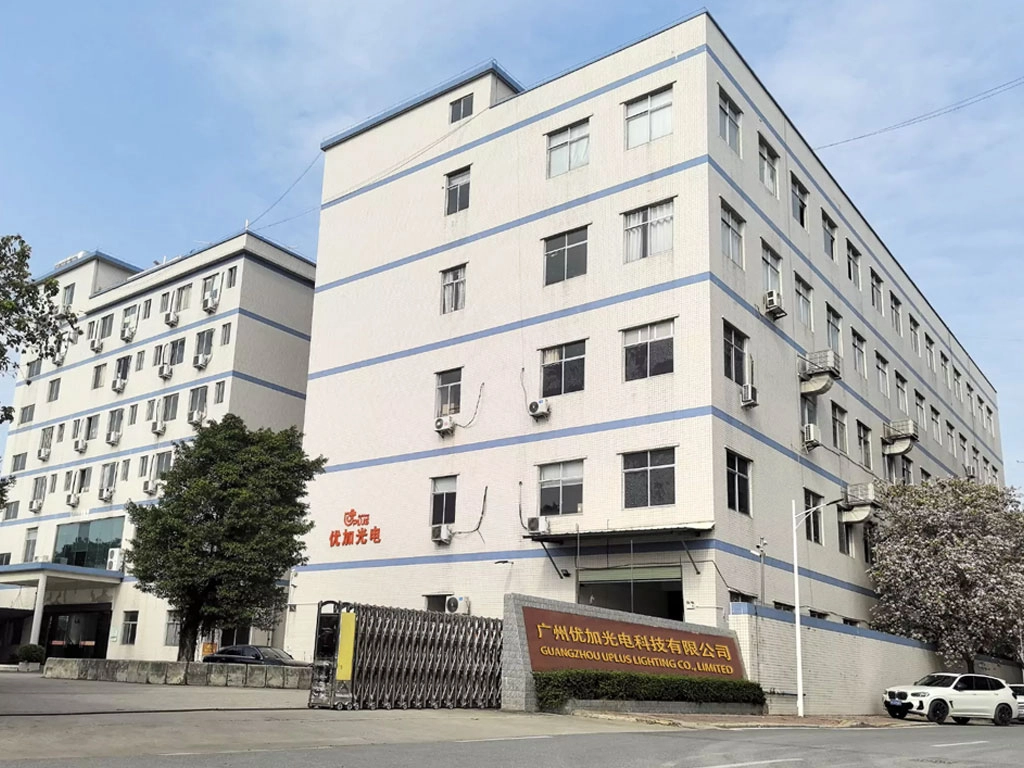
Uplus Lighting was established in 2012 in Guangzhou, China, and is a professional manufacturer specializing in high-end stage lighting products. I have followed their product development and market presence: they provide innovative and reliable lighting solutions for theaters, studios, cultural projects, concerts, and live events worldwide. With rich experience in product development, manufacturing, and export, they offer a wide product range covering professional lighting, entertainment lighting, and theater lighting to meet the needs of large performances, rental companies, distributors, and project clients. Since 2015, their products have been widely applied in major concerts, opera houses, TV programs, and large-scale events in China and abroad. They also support OEM orders and customized product development. A skilled production team and strict quality control ensure stable performance, consistent quality, and professional service trusted by global partners.
Uplus Lighting's main product categories relevant to my recommendations include moving head lights, strobe lights, led battery lights, static lights, led theatre lights, led follow spot light, stage effect lights and laser lights. Their competitive advantages are:
- Comprehensive product range for venue and rental needs (from moving heads to theatre and follow-spot solutions).
- Experience in large projects and international export, demonstrating product reliability in demanding environments.
- Support for OEM/custom development, which is valuable for venues or festivals that need tailored optics, DMX profiles or physical rigging solutions.
- Quality control and production teams that minimize unit-to-unit variance — important for color matching and predictable maintenance cycles.
What to request from a vendor
When I vet suppliers I ask for: detailed power draw curves, photometric files (IES), L70 lifetime data, DMX control documentation, firmware update policy, on-site service network, and test certifications. If hazardous materials are present (in older discharge systems), I ask for disposal support and RoHS/REACH compliance documentation.
Making the decision: questions to answer for your venue
Usage profile and programming needs
How many hours per year will the fixtures run? Is the lighting designer reliant on precise color temperature and smooth dimming for theatre, or does the venue need raw beam punch for concerts? Higher usage and frequent changeovers favor LED moving heads; precise color matching and low noise may favor specific models based on LED engine quality.
Budget horizon and financing
Are you constrained by a single-year capital budget or looking at 5–10 year lifecycle costs? If CapEx is tight but OpEx is acceptable, financing or phased replacement can let you move to LED while smoothing budget impact.
Sustainability and future-proofing
LED moving heads reduce energy consumption and environmental impact. They also pair better with modern networked control systems (Art-Net/sACN). Consider the venue’s sustainability goals and whether LED adoption supports those aims.
FAQs
1. How long do LED moving head lights last compared with discharge moving heads?
LED moving heads typically have rated lifetimes from 30,000 to 100,000 hours depending on LED engine and thermal management; discharge lamps (metal-halide/arc) commonly last 1,000–2,000 hours (source), which means more frequent replacement and associated labor costs.
2. Will LED moving heads give me the same light quality as discharge fixtures?
Modern LED moving heads can match or exceed perceived brightness for many applications due to higher efficacy and multi-chip color mixing. However, some applications (very tight long-throw beams or very high center-beam intensity) might still favor specific high-output discharge fixtures. Evaluate photometric files (IES) and in-room demos to confirm.
3. How do I calculate my venue’s breakeven point when switching to LED?
Build a simple model: input initial costs, operating hours per year, electricity price, fixture power draw, lamp replacement cost and maintenance labor. Our sample table provides a template you can adapt. Increasing hours or electricity cost lowers the breakeven time for LEDs.
4. Are LEDs more expensive to repair?
LED fixtures are generally easier to service in modular form (replace LED modules, power supplies, fans). While some components (LED engines) can be costly, the lower frequency of repairs and absence of lamp handling often results in lower lifetime maintenance costs. Check warranty and availability of spare parts from the manufacturer.
5. What control protocols and standards should I ensure compatibility with?
Ensure DMX512 compatibility (or Art-Net/sACN for networked control), correct implementation of channel mapping, and that the fixture supports the control behavior your programmers expect. Reference: DMX512.
6. How should I plan maintenance for LED moving head fleets?
Implement a preventive schedule: clean optics and fans every 6–12 months (depending on dusty environments), check cable strain reliefs, and log operating hours. Update firmware when vendor-recommended and keep a small stock of common spare parts.
Contact and next steps
If you’d like a customized TCO model for your venue or a product demo, I recommend running a site-specific analysis (hours, electricity cost, show types and downtime cost). For technical enquiries, fixtures and OEM/custom development, consider contacting Uplus Lighting — they provide a wide range of solutions including moving head lights, strobe lights, led battery lights, static lights, led theatre lights, led follow spot light, stage effect lights and laser lights, and can support customized specifications and OEM orders.
To discuss your venue’s requirements or request a quote and demo, contact Uplus Lighting’s sales and technical team for product specifications, photometrics, and warranty details.
How to Choose Mini LED Spot Moving Head Lights for Venues
Best Moving Head Wash Lights for Small Theaters and Venues
LED Stage Light Bars for Theaters, Houses of Worship, DJs
Top 10 7r beam moving head Manufacturers and Supplier Brands
IP-B1950
How is the accuracy of the 6-50° zoom adjustment? Can it be used in small spaces?
High zoom accuracy; the 6° narrow angle allows for precise focusing, suitable for localized lighting in small spaces, with no wasted light spots.
Hospitality
Can the lighting effects be adjusted according to the needs of different time periods?
Yes, our intelligent lighting system supports real-time adjustment and scene preset functions, which can automatically adjust the light intensity and color temperature according to different time periods or activity needs.
About Company
What is Uplus Lighting's main product for factories?
The main products provided by Uplus are stage lighting, related accessories, and consoles. Our products are suitable for many large-scale international performances, concerts, theaters, music festivals, TV programs, etc.
IP-WASH6125
Can the IP66 protection rating be used directly in heavy rain? Will water get in if left outdoors for a long time?
It can directly withstand heavy rain and strong dust. The sealed structure has undergone rigorous testing, and water will not get in even after long-term outdoor placement, ensuring stability.
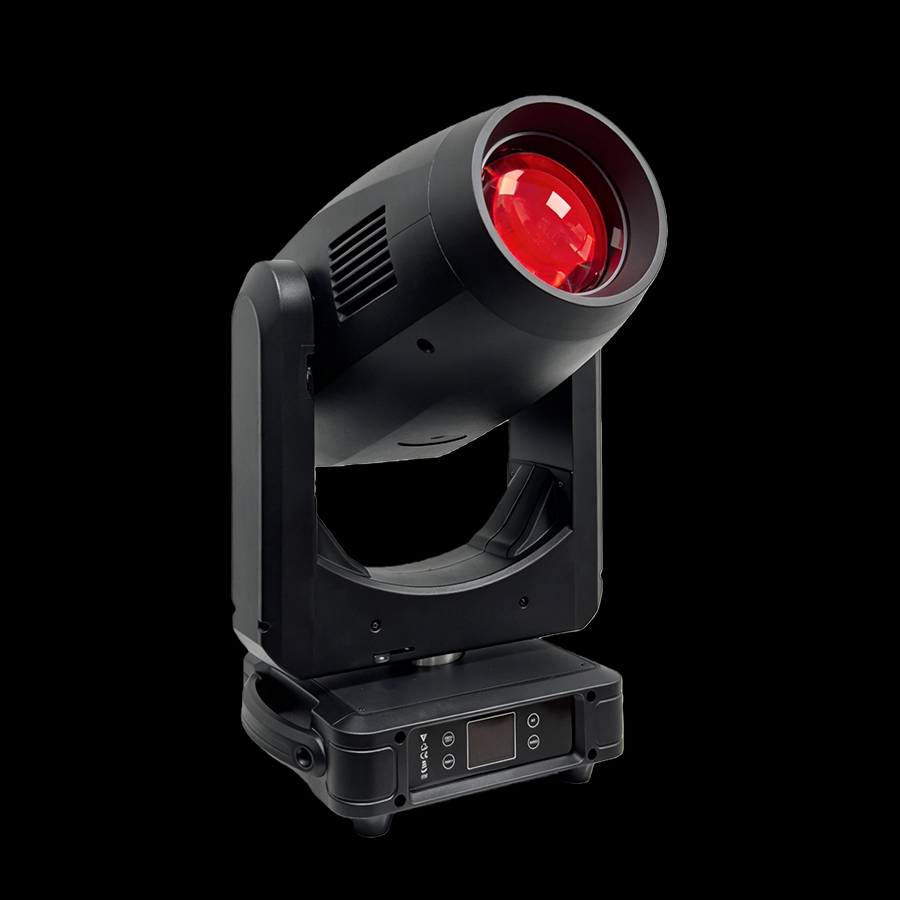
The 1000W LED profile 4-in-1 moving head integrates four core lighting effects: imaging, beam, pattern, and wall washing. It delivers powerful and full light output with precise and delicate light control, making it suitable for top-tier professional scenarios such as large-scale concerts, theater shows, and cultural tourism performances.
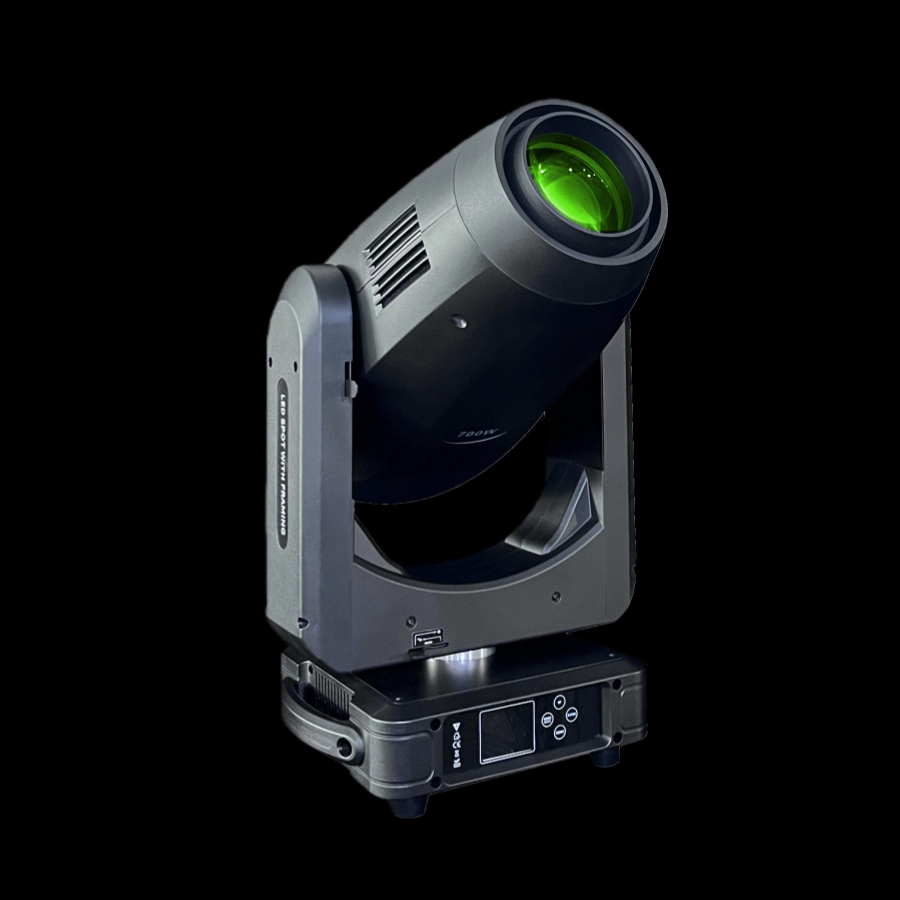
The 700W LED profile 4-in-1 moving head integrates four lighting effects: imaging, beam, pattern, and wall washing. Its high-power output delivers bright and full light, with precise and delicate light control, making it suitable for professional scenarios such as large-scale concerts, theater shows, and high-end performance venues.
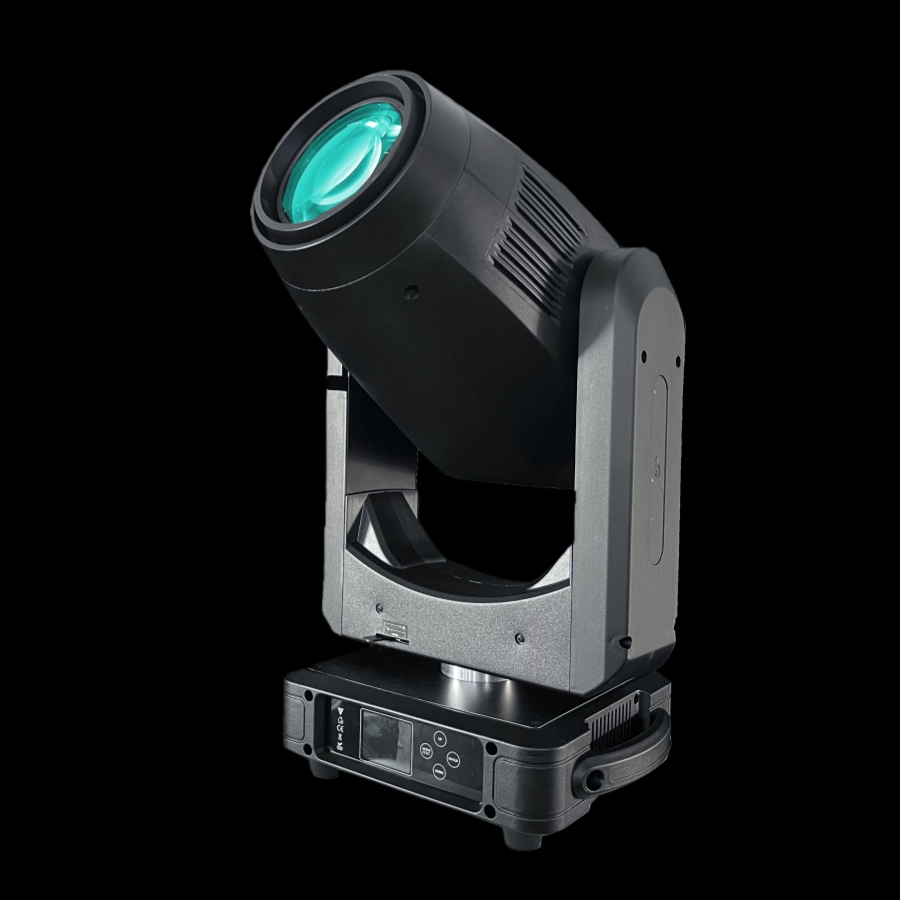
The 460W LED BSW 3-in-1 moving head integrates three core lighting effects: beam, pattern, and wall washing. The 460W high-power LED provides strong light output, and with CMY color mixing and CTO linear color temperature adjustment, the beam is sharp, the color is uniform, and the pattern is clear. It has a high-precision 540° horizontal and 270° vertical tilt, making it suitable for professional stage scenarios such as concerts, theater performances, and cultural tourism live shows.
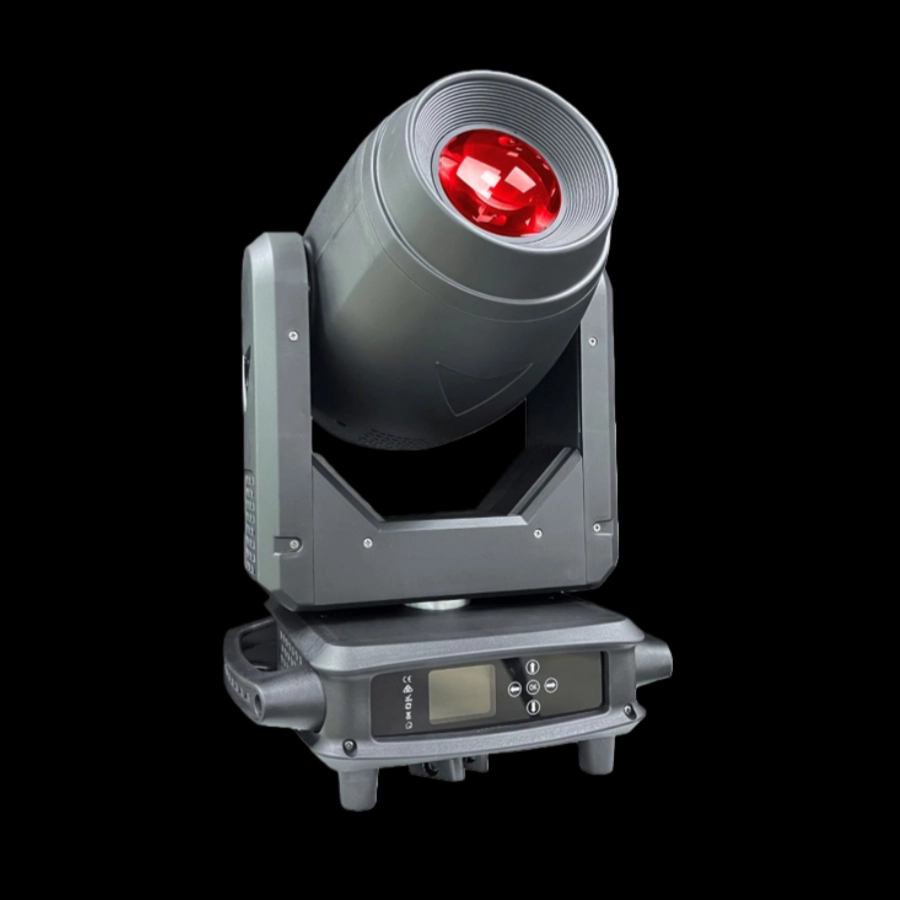
The 200W LED BSW 3-in-1 moving head integrates three lighting effects: beam, pattern, and wall washer. Its power is suitable for small and medium-sized scenes, and its light control is precise and flexible, making it suitable for creating light and shadow effects in bars, theaters, small and medium-sized performances, and other occasions.
If you have any comments or good suggestions, please leave us a message, later our professional staff will contact you as soon as possible.
Lighting Innovators
Uplus Lighting is a leading integrated company specializing in R&D, design, production, and sales of stage lighting solutions.
 Scan QR Code
Facebook
Instagram
YouTube
VK