





Best LED Moving Head Lights for Concerts and Clubs
- Understanding requirements before you buy
- Identify venue and event-specific needs
- Match fixture type to creative role
- Control & integration: DMX, RDM and network protocols
- Key technical specifications to prioritize
- Output metrics: lumens, lux at distance, and beam angle
- Optics and color system
- Mechanics and serviceability
- Choosing by category: What works best in concerts and clubs
- Beam fixtures — high-energy effects
- Spot/Profile fixtures — gobos and framing
- Wash fixtures — color coverage and mood
- Real-world comparison and sample specification table
- Power, heat and LED lifetime considerations
- Rigging, weight and safety
- Procurement strategy: Buy vs. rent vs. hybrid
- When to buy
- When to rent
- Hybrid model
- Why vendor selection matters — Uplus Lighting profile and competitive advantages
- Procurement checklist & testing tips
- On-site acceptance testing
- Documentation and warranty
- Long-term maintenance plan
- FAQ — Common questions I hear from production teams
- 1. What is the difference between a LED moving head light and a traditional discharge moving head?
- 2. How do I choose beam angle and lumen output for my venue?
- 3. Can I mix different brands of moving head lights on the same show?
- 4. What are typical maintenance costs I should budget for?
- 5. How important is CRI for moving head lights used onstage?
- Contact and next steps
Snapshot (-friendly): As a stage lighting consultant working internationally, I evaluate LED moving head light options by matching fixture type (spot, beam, wash) to room size, audience distance, rigging and power limits. I prioritize output (lumen/beam), zoom and framing flexibility, color mixing accuracy, pan/tilt mechanics, DMX/RDM control, and serviceability. This guide covers technical buying criteria, category comparisons for concerts and clubs, testable performance metrics, and vendor selection — including a detailed look at Uplus Lighting’s offerings and strengths. References to standards and technical background are provided to support specification choices.
Understanding requirements before you buy
Identify venue and event-specific needs
When I evaluate a led moving head light, the first step is clarifying the venue and programming. A 500-person nightclub with dance-focused events has different needs than a 5,000-seat concert hall. Key environment variables are ceiling height, throw distance, rigging points, and electrical capacity. For example, long-throw beam fixtures serve arena shows, while compact wash heads are better for intimate clubs.
Match fixture type to creative role
Moving head lights generally fall into three functional types: beam (narrow, high-intensity shafts), spot/spotlight (gobos, framing, edge control), and wash (soft, color blending and broad coverage). I always choose the fixture category that reflects the creative intent: precise aerial beams for effect, spots for sharp mid-air gobos and framing, and washes for overall color and skin-tone rendering.
Control & integration: DMX, RDM and network protocols
Control compatibility is non-negotiable. DMX512 remains the industry standard for lighting control — see the DMX512 overview on Wikipedia. For larger systems, RDM (Remote Device Management) and Art-Net/sACN network protocols reduce setup time and troubleshooting. I insist on fixtures that support both DMX and at least one network protocol for scalable integration.
Key technical specifications to prioritize
Output metrics: lumens, lux at distance, and beam angle
Marketing lumens can be misleading; more useful are lux measurements at given distances and beam angle specifications. The Illuminating Engineering Society (IES) publishes measurement practices for photometry — see IES. I ask manufacturers or test labs for lux at 10m/20m, beam angle ranges, and center-beam candlepower so I can model coverage and intensity for the audience area.
Optics and color system
Zoom range and quality optics determine how flexible a moving head lights installation will be. Look for fixtures with continuous zoom (e.g., 5°–50°) and high-quality glass optics for edge definition. For color, modern LED moving heads use RGBW or 7-color plus CTO systems; I prefer fixtures with at least RGBW + linear CTO emulation for accurate skin tones and pastel control. Reference on LED fundamentals: LED (Wikipedia).
Mechanics and serviceability
Pan/tilt resolution, positioning speed, encoding type (absolute or relative), and differential backlash characteristics affect programming. From a maintenance perspective, fixtures should have user-replaceable LED modules, accessible fans and filters, and clear firmware update paths. I prioritize products with published MTBF or power-cycle lifetime data and clear spare-parts policies.
Choosing by category: What works best in concerts and clubs
Beam fixtures — high-energy effects
Beam moving head lights produce tight, high-intensity shafts that read well in haze-filled environments. For concerts, I recommend beam fixtures with small beam angles (1.5°–3.5°), high center-beam intensity, and fast strobe capability. These fixtures are effect-first and are typically used as aerial accents or for house-lights-off dance sequences.
Spot/Profile fixtures — gobos and framing
Spot moving head lights (profile heads) are essential when you need crisp gobos, framing shutters, and precise edge control for singers or instrumentalists. Look for high-CRI (≥90) white sources or tunable color temperature to maintain natural skin tones, and indexed iris/framing shutters for clean crop shapes.
Wash fixtures — color coverage and mood
Wash heads are workhorses in clubs and smaller concerts. They should deliver even field coverage with smooth color mixing across zoom ranges. For venue owners who value versatility, multi-purpose wash heads with a wide zoom and advanced color wheels reduce the number of fixture types required on a rig.
Real-world comparison and sample specification table
Below I summarize typical specification ranges you’ll encounter; use this table to map fixture types to performance needs.
| Category | Typical Use | Beam Angle | Key Specs to Check |
|---|---|---|---|
| Beam moving head | Arena concerts, aerial effects | 1.5°–3.5° | Lux @ 20m, fast strobe rate, haze visibility |
| Spot / profile | Artist highlights, gobos, framing | 3°–30° (zoom) | Gobo count, framing shutters, CRI, zoom range |
| Wash | Front/side/base color washes | 10°–60° (zoom) | Evenness, color mixing, Kelvin tuning, power draw |
Data sources: I reference industry measurement practices and device manuals. For control standards see DMX512 (Wikipedia), and for photometric practices consult IES.
Power, heat and LED lifetime considerations
LED fixtures reduce heat and power compared to discharge heads, but high-output moving heads still generate significant heat. Check rated power draw, cooling method (active vs passive), and LED lifetime (L70 hours). Manufacturers should publish LED lumen maintenance figures — I treat L70 ≥ 30,000 hours as an acceptable baseline for professional equipment.
Rigging, weight and safety
Weight impacts truss loading, motorized hoist sizing, and installation time. Verify weight, center-of-gravity notes, and rigging points. Comply with local safety codes and get fixtures inspected by qualified riggers. For advice on safe rigging, industry resources and local regulations should be followed; see general stage lighting info at Wikipedia.
Procurement strategy: Buy vs. rent vs. hybrid
When to buy
I recommend buying when you have predictable, frequent programming needs: resident clubs, theaters, and production houses. Ownership delivers long-term cost savings, full control over fixture condition, and custom integration. Plan for maintenance, spare parts inventory, and firmware management.
When to rent
Renting is often best for one-off tours, occasional large concerts, or experimental configurations. A high-quality rental house will provide tested fixtures, certified rigging, and on-site tech support. For touring, renting allows access to the latest high-output beam heads without capital expenditure.
Hybrid model
Many venues adopt a hybrid model: owning a core set of versatile moving head lights (washes and a few spots) and renting specialized beam fixtures or extra inventory for peak events. This balance optimizes CAPEX and ensures production flexibility.
Why vendor selection matters — Uplus Lighting profile and competitive advantages
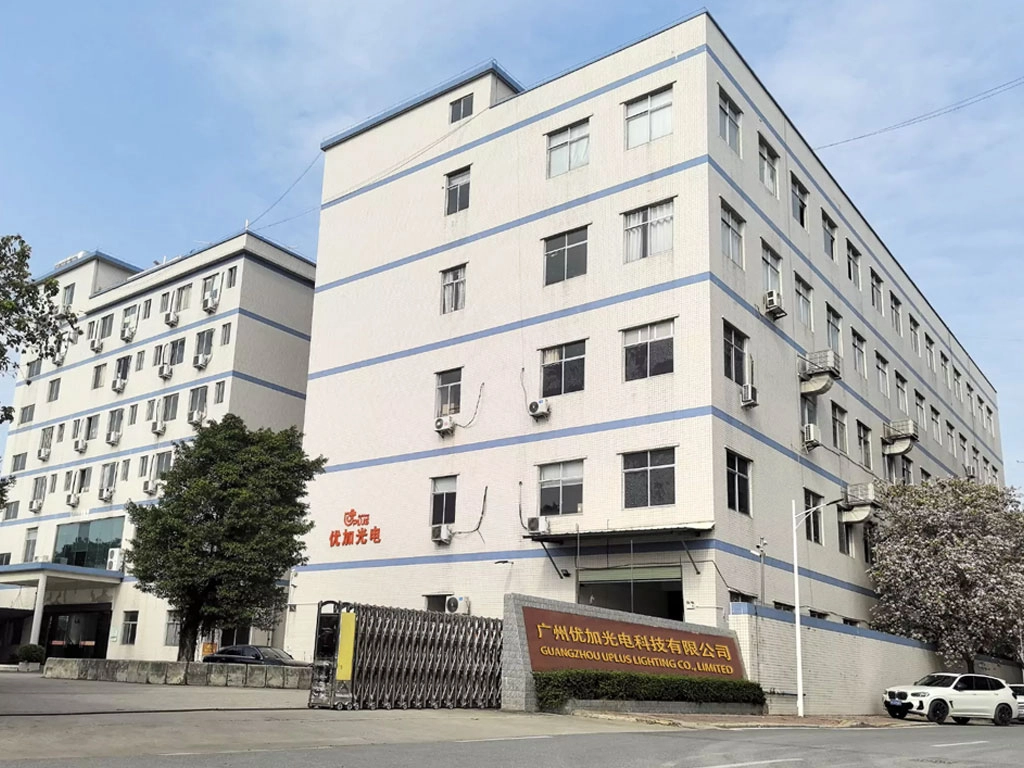
Uplus Lighting was established in 2012 in Guangzhou, China, and is a professional manufacturer specializing in high-end stage lighting products. We provide innovative and reliable lighting solutions for theaters, studios, cultural projects, concerts, and live events worldwide. With rich experience in product development, manufacturing, and export, we offer a wide product range covering professional lighting, entertainment lighting, and theater lighting to meet the needs of large performances, rental companies, distributors, and project clients. Since 2015, our products have been widely applied in major concerts, opera houses, TV programs, and large-scale events in China and abroad. We also support OEM orders and customized product development. A skilled production team and strict quality control ensure stable performance, consistent quality, and professional service trusted by global partners.
Uplus Lighting’s main product lines include moving head lights, strobe lights, led battery lights, static lights, led theatre lights, led follow spot light, stage effect lights, and laser lights. Our competitive differentiators are:
- Integrated R&D and manufacturing allowing fast customization and firmware support for complex DMX/RDM and network protocols.
- Emphasis on photometric validation and durable mechanical design — we publish test data for lux output and LED lumen maintenance on request.
- Strong export experience and on-site support for large-scale concerts and theater projects, with OEM capabilities for rental houses and integrators.
I have collaborated with Uplus Lighting on several projects where their ability to supply both standard catalog moving head lights and bespoke fixtures (special gobos, framing kits, or customized color calibration) made integration smoother and reduced commissioning time. Their attentive QC and willingness to provide spare parts kits are valuable for rental operations that must minimize downtime.
Procurement checklist & testing tips
On-site acceptance testing
When fixtures arrive, perform these tests: power-up under full load, check firmware version and network compatibility (Art-Net/sACN), measure lux at standard throw distances, test pan/tilt repeatability and gobo alignment, and perform heat/run-time tests for at least 2 hours to confirm thermal management.
Documentation and warranty
Confirm firmware update procedures, warranty scope (LED modules, power supplies, motors), and spare-parts lead times. For touring rigs, negotiate express replacement or advanced-exchange agreements.
Long-term maintenance plan
Create a schedule for cleaning optics and fans, replacing wearable parts (belts, bearings, fans), and updating backup fixtures. Keep a log of runtime hours and any error codes to identify systemic issues early.
FAQ — Common questions I hear from production teams
1. What is the difference between a LED moving head light and a traditional discharge moving head?
LED moving head lights use solid-state light sources offering lower power consumption, less heat, longer lifetime, and instant on/off compared to discharge lamps. Discharge fixtures sometimes provide higher raw lumen output for the same package but require lamp replacement and warm-up time. For most modern concert and club applications, high-output LED moving head light fixtures are the preferred standard.
2. How do I choose beam angle and lumen output for my venue?
Estimate throw distance to the furthest audience area and request lux measurements at that distance from the manufacturer. Use the table above to map fixture categories: narrow beam angles for aerial effects and long throws; wider angles for washes. Always confirm manufacturer or third-party photometric data.
3. Can I mix different brands of moving head lights on the same show?
Yes, provided they support compatible control protocols (DMX512, Art-Net/sACN). Ensure consistent channel mapping or use a lighting console’s personality library to normalize functions. Differences in pan/tilt encoding and color mixing may require programming adjustments.
4. What are typical maintenance costs I should budget for?
Budget for spare parts (power supplies, fans, replacement LEDs if not user-replaceable), labor for routine cleaning and firmware updates, and potentially insurance for touring risks. For professional fixtures, annual maintenance can range from 2% to 6% of unit cost depending on runtime and environment.
5. How important is CRI for moving head lights used onstage?
CRI (Color Rendering Index) matters when accurate skin tones and theatrical colors are critical. I recommend CRI ≥ 90 for profile/spot fixtures used on performers. Wash fixtures should also support accurate color temperatures or CTO emulation to match front-of-house color balance.
Contact and next steps
If you’d like tailored recommendations for your venue, rig or tour, I can audit your current inventory, model coverage with photometric calculations, and propose an optimized rig that balances cost, reliability and creative flexibility. For product details, O.E.M. requests, or to view Uplus Lighting’s moving head lights, strobe lights, led battery lights, static lights, led theatre lights, led follow spot light, stage effect lights, and laser lights catalog, please contact our sales team or request a quote.
Contact Uplus Lighting for spec sheets, lux charts, and demo units to test in your venue — email sales@upluslighting.com or visit our product pages to request an on-site demo.
LED vs Halogen Profile Stage Lights: Performance & Cost
IP Rating and Outdoor Use of LED Profile Stage Lights
How to Choose the Best Stage Light Moving Head for Your Venue
Custom Beam Effects: Programming Moving Beam LED Light Bars
IP-BL300
What is the power supply method? Does it require a dedicated power supply?
It uses a professional power supply interface, supporting standard power supply standards for conventional high-power equipment. No dedicated power supply is required, making it suitable for the standard power supply environment of performances and events.
IP-FP1200 IRIS
Is it power-intensive when using high-power LED lights?
LED light sources are energy-efficient, consuming far less energy than traditional follow spots, making them more economical in the long run.
IP-W1820
Is it easy for beginners to operate without a professional control panel?
It supports self-running and voice-activated modes, and starts with preset programs upon startup, making operation simple.
About Cooperation Process
How do I select the appropriate product?
Please send us an inquiry or tell us your purpose and location, and we will provide you with the appropriate product as soon as we receive your information.
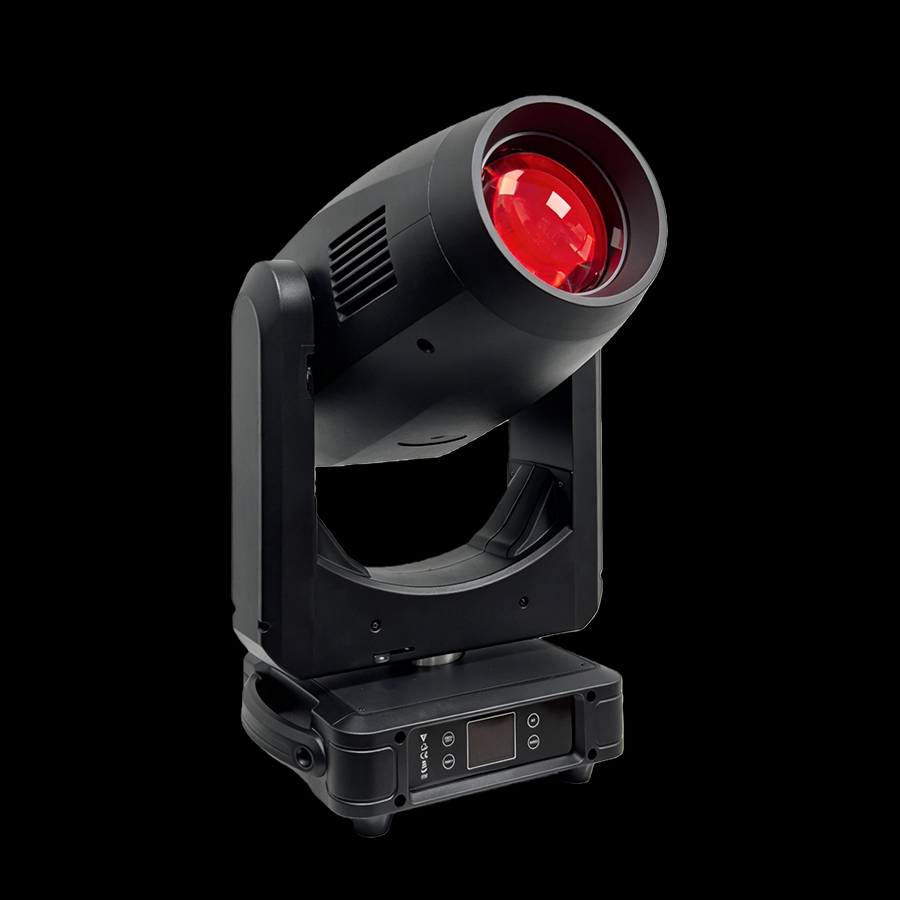
The 1000W LED profile 4-in-1 moving head integrates four core lighting effects: imaging, beam, pattern, and wall washing. It delivers powerful and full light output with precise and delicate light control, making it suitable for top-tier professional scenarios such as large-scale concerts, theater shows, and cultural tourism performances.
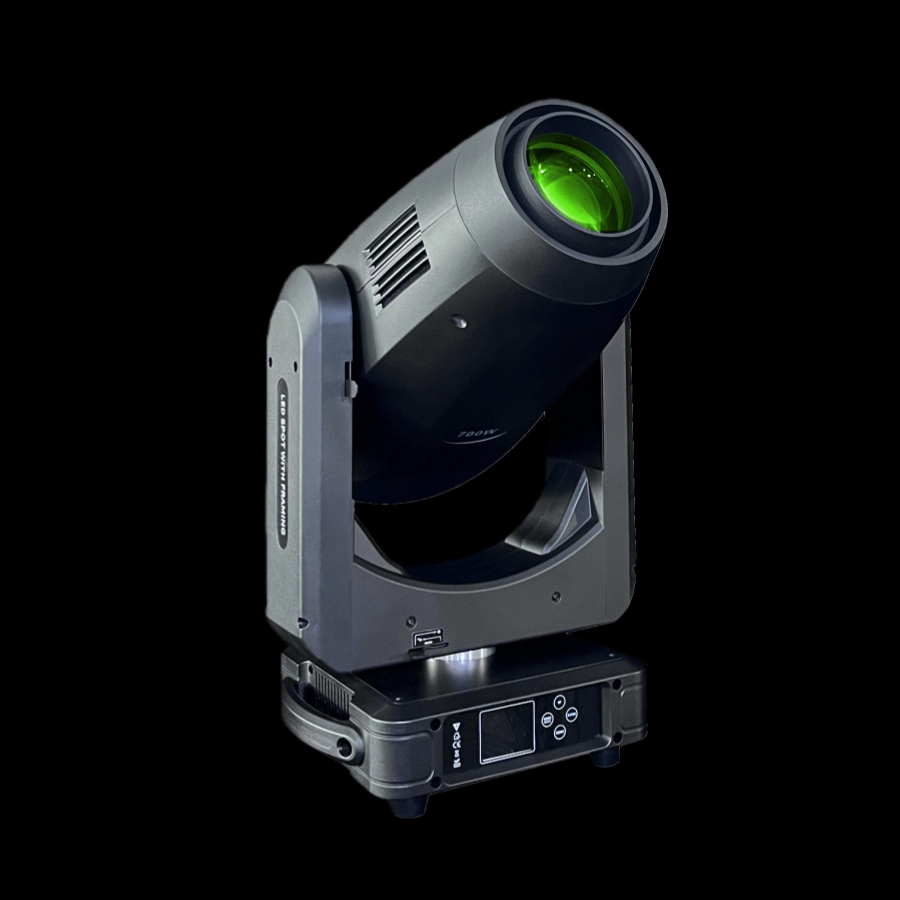
The 700W LED profile 4-in-1 moving head integrates four lighting effects: imaging, beam, pattern, and wall washing. Its high-power output delivers bright and full light, with precise and delicate light control, making it suitable for professional scenarios such as large-scale concerts, theater shows, and high-end performance venues.
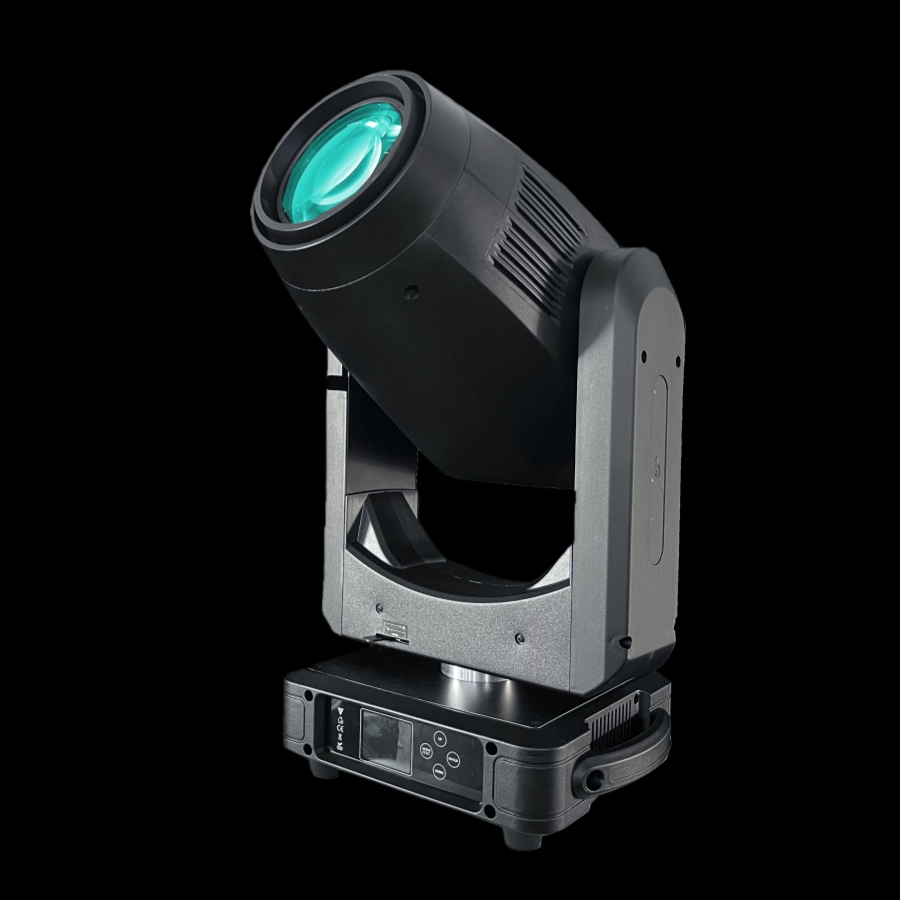
The 460W LED BSW 3-in-1 moving head integrates three core lighting effects: beam, pattern, and wall washing. The 460W high-power LED provides strong light output, and with CMY color mixing and CTO linear color temperature adjustment, the beam is sharp, the color is uniform, and the pattern is clear. It has a high-precision 540° horizontal and 270° vertical tilt, making it suitable for professional stage scenarios such as concerts, theater performances, and cultural tourism live shows.
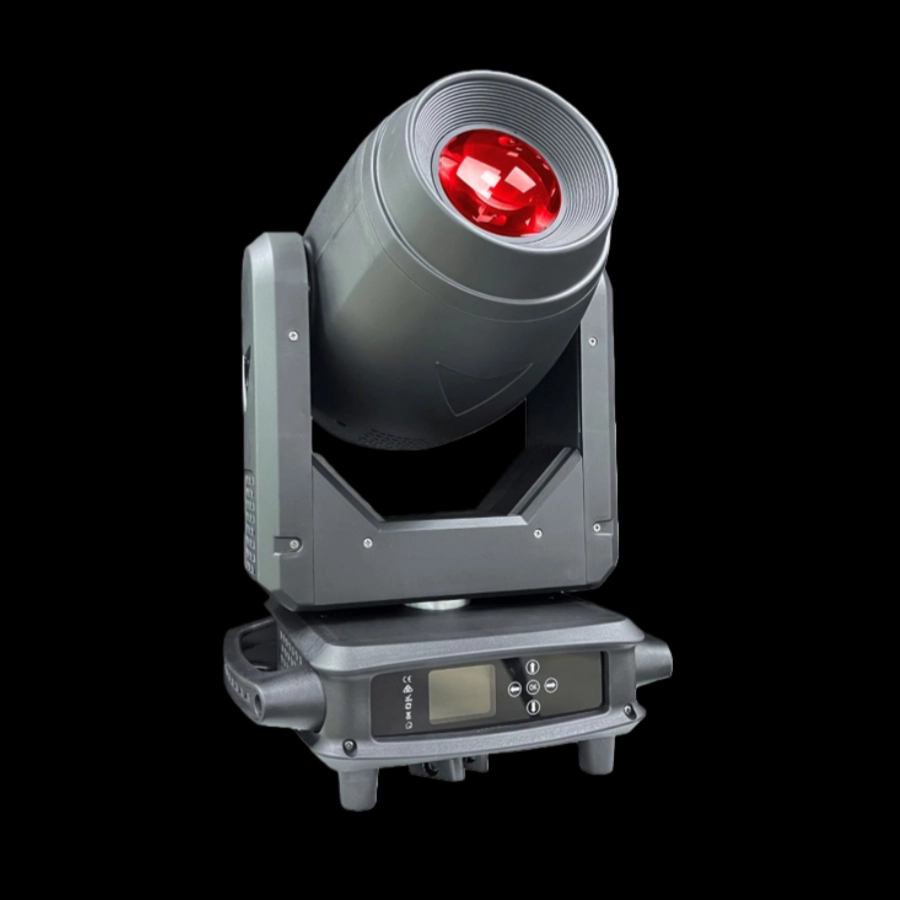
The 200W LED BSW 3-in-1 moving head integrates three lighting effects: beam, pattern, and wall washer. Its power is suitable for small and medium-sized scenes, and its light control is precise and flexible, making it suitable for creating light and shadow effects in bars, theaters, small and medium-sized performances, and other occasions.
If you have any comments or good suggestions, please leave us a message, later our professional staff will contact you as soon as possible.
Lighting Innovators
Uplus Lighting is a leading integrated company specializing in R&D, design, production, and sales of stage lighting solutions.
 Scan QR Code
Facebook
Instagram
YouTube
VK