






How to choose LED stage light bars for small venues?
Selecting the right LED stage light bars is crucial for enhancing performances in small venues. Below are six specific questions frequently asked by beginners, along with detailed answers to assist in making informed decisions.
1. How do I determine the appropriate brightness and beam angle for LED stage light bars in a small venue?
When selecting LED stage light bars for small venues, it's essential to consider both brightness and beam angle to achieve optimal illumination. Brightness is typically measured in lumens, while beam angle affects how the light spreads across the stage. For small stages, fixtures with adjustable beam angles (e.g., 15°–60°) offer flexibility to concentrate or broaden the beam as needed. Additionally, reviewing photometric data, such as candela and beam spread, can help estimate the illuminance (lux) at typical throw distances. Combining 6–12 versatile LED wash fixtures often suffices for many small venues, depending on stage size and sightline requirements.
2. What color quality metrics should I prioritize when choosing LED stage light bars for small venues?
Color quality is vital for both live viewing and video recording. Key metrics to consider include:
Color Rendering Index (CRI): Aim for fixtures with a CRI of 80 or higher for general live work; a CRI of 90 or above is preferable for color-critical lighting and accurate skin tones.
Television Lighting Consistency Index (TLCI): For venues that record or stream shows, a TLCI of 90 or higher is recommended for professional-looking video without heavy camera correction.
Color Temperature and White Presets: Choose fixtures that allow you to dial between daylight (e.g., 5600K) and tungsten (e.g., 3200K) presets, plus smooth tunable white between them.
Many modern theatrical LED fixtures support RGBW or RGBAW color mixing; adding a white emitter (W) or amber (A) improves pastel and skin-tone accuracy compared with RGB-only fixtures.
3. Which control and connectivity features should I require in LED stage light bars for small venues?
Control capabilities largely determine how the lights integrate with your console and expand over time. Essential features to consider include:
DMX512: The industry control standard; ensure fixtures support conventional DMX channels and that the fixture manual lists channel modes clearly.
Remote Device Management (RDM): Allows remote addressing and monitoring of fixture status over the same cable—valuable for venues with limited access to fixtures in the rig.
Wireless DMX: Reduces cable runs where temporary rigging or safety limits apply; test for reliability in your specific environment before committing to wireless as a primary control method.
Pixel-Mappable Fixtures: LED batons, strips, and pixel-mapped bars add scenic versatility; consider them if you plan dynamic chases or video-like effects.
Ensure the console or lighting desk you use supports the fixture’s channel modes, pixel mapping, or manufacturer fixtures library to reduce setup time.
4. How do I assess the energy efficiency and lifespan of LED stage light bars suitable for small venues?
LED technology offers significant advantages over conventional lighting in terms of energy efficiency and lifespan. LED stage lights typically consume 60–80% less energy than traditional incandescent or discharge lamps. They also have a longer lifespan, ranging from 25,000 to over 50,000 hours, compared to 500–5,000 hours for conventional lamps. This results in lower operating costs and reduced maintenance needs. When selecting fixtures, consider their power draw and ensure your venue's electrical capacity can accommodate the total load. Additionally, check the manufacturer's specifications for expected lifespan and warranty details to ensure reliability over time.
5. What are the maintenance considerations for LED stage light bars in small venues?
LED stage light bars are known for their low maintenance requirements compared to traditional lighting fixtures. However, regular upkeep is essential to ensure optimal performance and longevity. Key maintenance considerations include:
Cleaning: Dust and debris can accumulate on the fixtures, affecting light output and potentially causing overheating. Regularly clean the exterior with a soft, dry cloth. For more thorough cleaning, refer to the manufacturer's guidelines.
Inspection: Periodically check for any signs of wear or damage, such as loose connections or damaged cables. Addressing issues promptly can prevent more significant problems in the future.
Firmware Updates: Some LED fixtures may receive firmware updates that enhance functionality or fix known issues. Check with the manufacturer for any available updates and follow their instructions for installation.
Storage: When not in use, store fixtures in a dry, cool place to prevent damage from environmental factors.
By adhering to these maintenance practices, you can ensure that your LED stage light bars continue to perform effectively and have a prolonged service life.
6. How can I integrate LED stage light bars with my existing lighting setup in a small venue?
Integrating LED stage light bars into your existing lighting setup requires careful planning to ensure compatibility and achieve the desired lighting effects. Steps to consider include:
Assess Compatibility: Ensure that the new LED fixtures are compatible with your current control system, such as DMX512. Check the manufacturer's specifications for control protocols and channel modes.
Plan Fixture Placement: Determine optimal locations for the LED light bars to achieve even coverage and desired effects. Consider factors such as stage dimensions, sightlines, and audience proximity.
Update Control Settings: Program the new fixtures into your control system, assigning appropriate channels and addressing. Test all functions to ensure seamless integration.
Consider Power Requirements: Verify that your venue's electrical system can support the additional load from the new fixtures. Distribute circuits appropriately to prevent overloading.
By following these steps, you can effectively integrate LED stage light bars into your existing setup, enhancing your venue's lighting capabilities.
In conclusion, selecting the right LED stage light bars for small venues involves careful consideration of brightness, color quality, control features, energy efficiency, maintenance, and integration with existing systems. By addressing these factors, you can create an effective and dynamic lighting environment that enhances performances and engages your audience.
For personalized recommendations and a quote tailored to your venue's specific needs, please contact us at albee@upluslighting.com or visit our website at www.upluslighting.com.
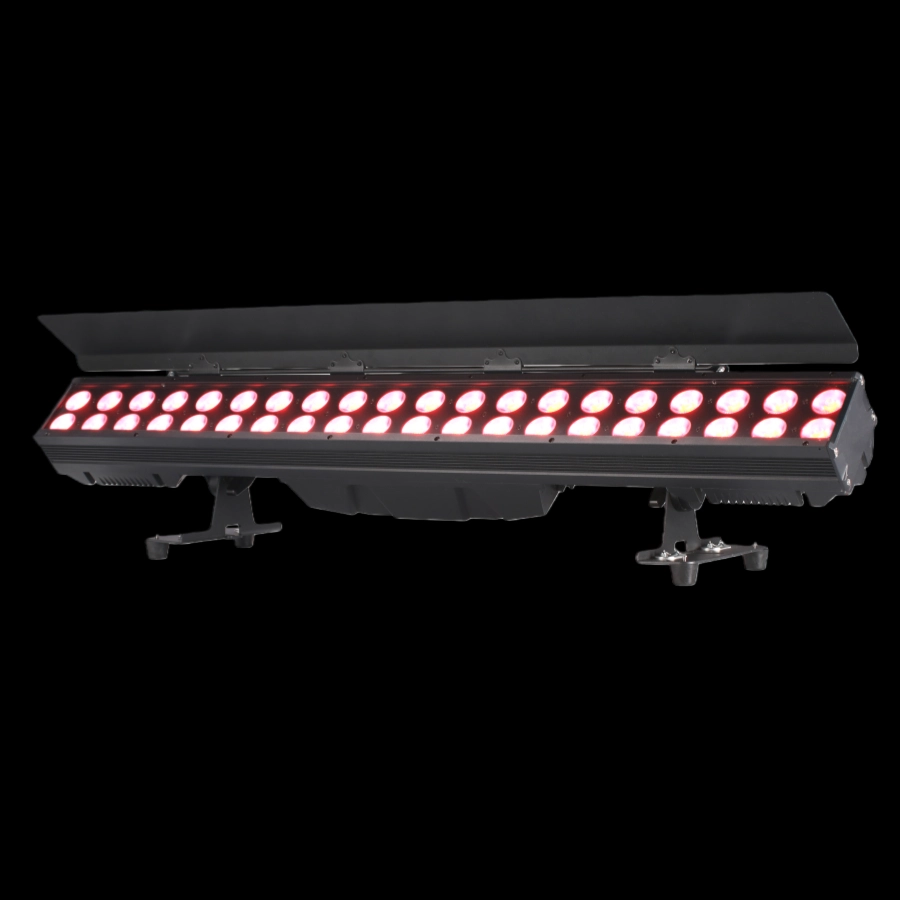
The IP65 two-row 40*10W RGBW led pixel link bar is a high-protection pixel bar light. It adopts a dual-row design with 40 10W RGBW four-in-one LED beads, supports pixel-level independent light control and multi-lamp linkage, and has an IP65 protection rating, making it rainproof and dustproof. It is compatible with DMX512 control and can present rich dynamic light effects, making it suitable for creating linear light and shadow effects in outdoor lighting, stage backgrounds, cultural and tourism landscapes and other scenarios.
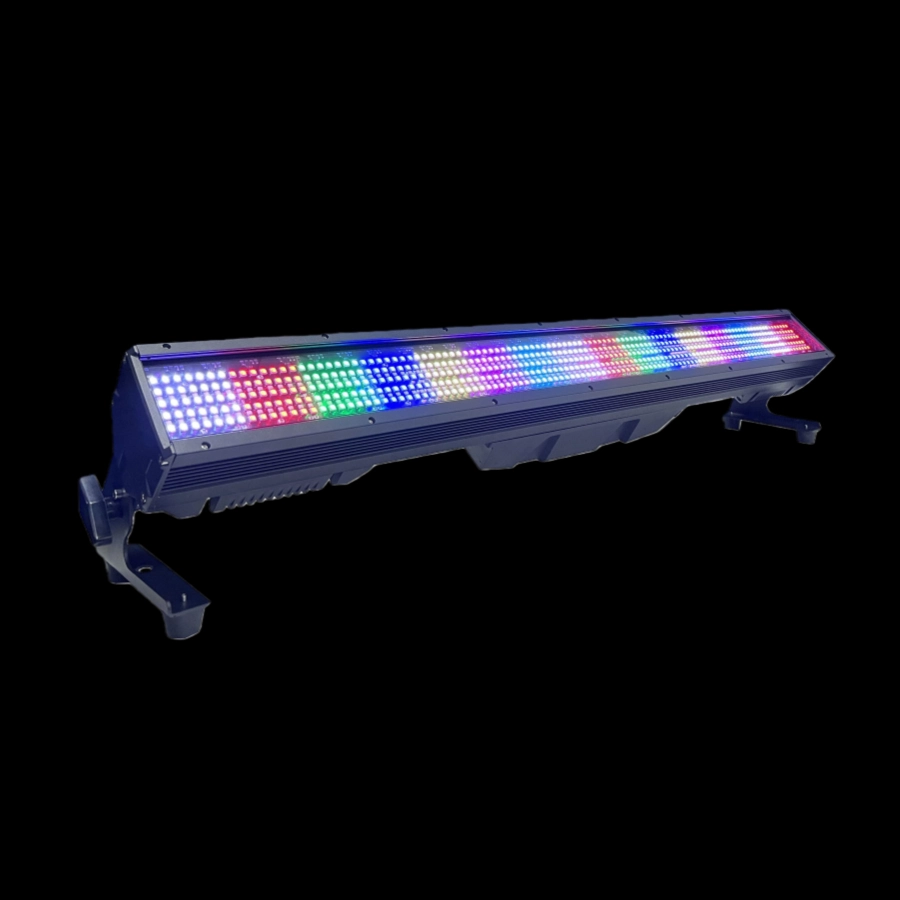
The IP65 waterproof 400W LED Link Strobe bar is a high-protection cascaded strobe light strip equipped with a 400W high-power LED light source. The strobe frequency is adjustable and supports seamless linkage of multiple lights. The IP65 protection rating can withstand outdoor wind, rain, and dust. It is compatible with DMX512 control, easy to install, and suitable for creating dynamic light and shadow in outdoor performances, cultural tourism night tours, architectural lighting and other scenarios.
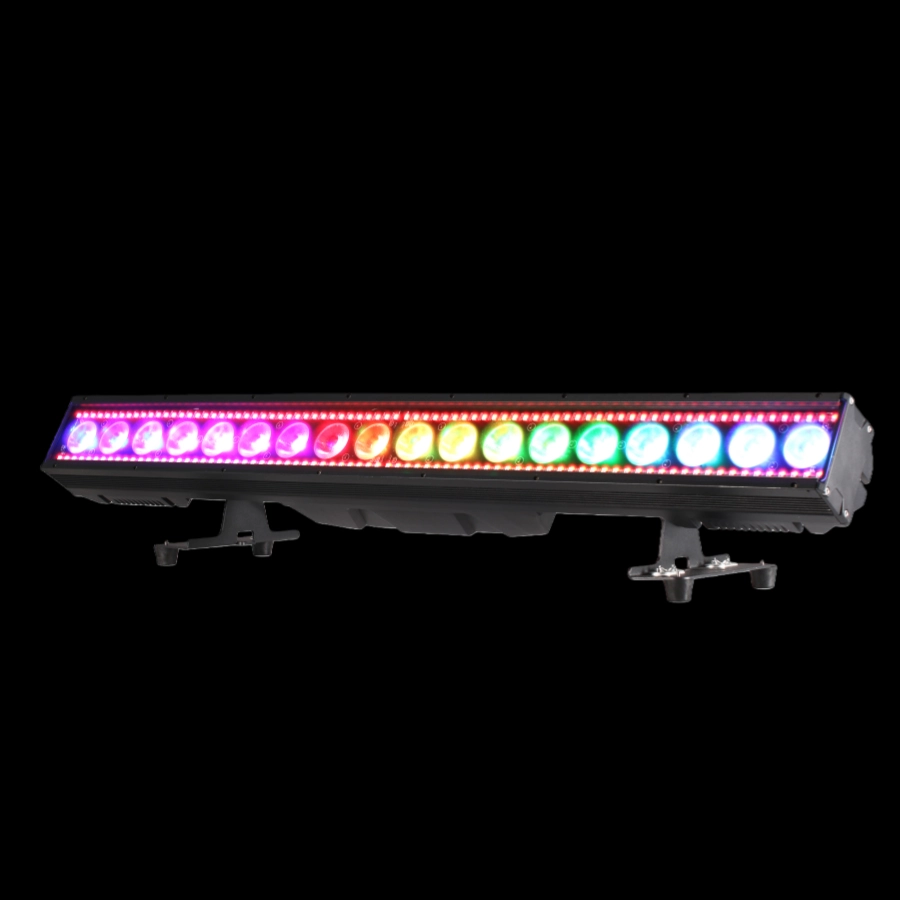
The IP65 waterproof 18*30W RGBWAUV LED pixel bar is a high-performance outdoor pixel bar light. It is equipped with 18 30W RGBWAUV six-in-one LED beads, supports pixel-level independent light control, and can present rich colors and dynamic light effects. With an IP65 protection rating, it is highly dustproof and waterproof, compatible with multiple control modes such as DMX512, flexible splicing and easy installation, and suitable for linear light and shadow shaping in outdoor performances, cultural and tourism lighting, stage backgrounds and other scenarios.
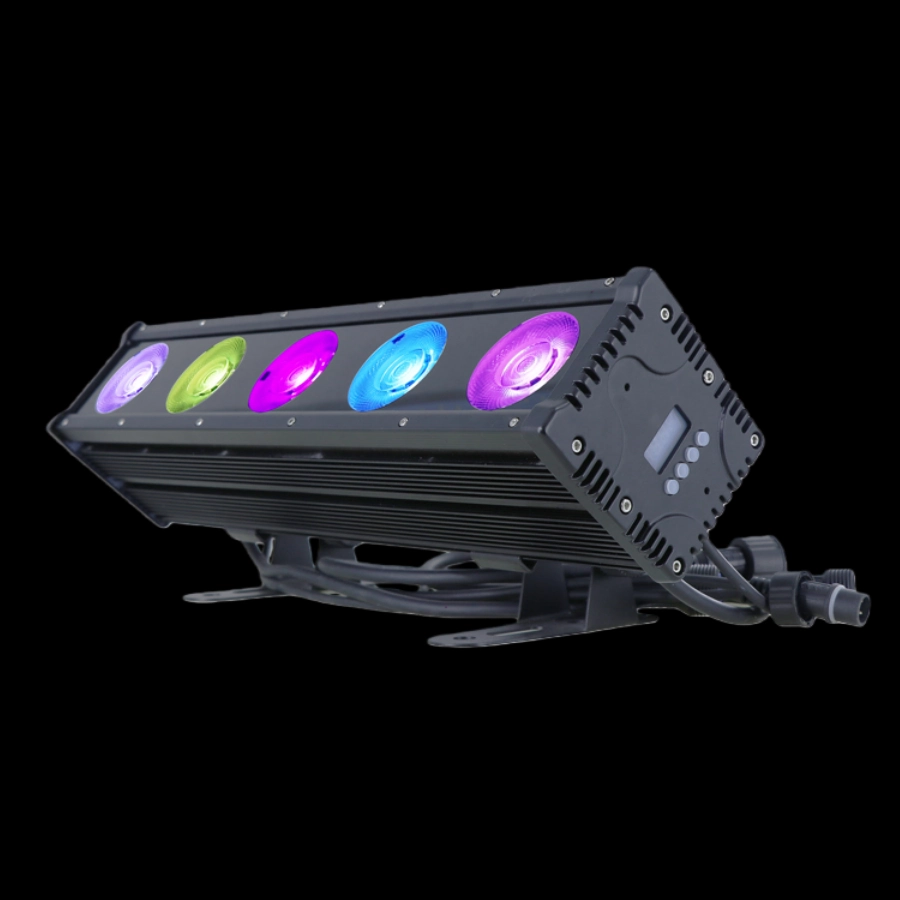
The Outdoor 5x45W COB Pixel BAR is a high-performance outdoor COB pixel light strip, equipped with five 45W RGBW four-in-one COB LEDs, each of which can be independently controlled, resulting in smooth color transitions and abundant brightness. It is IP65 protected against wind, rain, and dust, and supports DMX512/RDM/master-slave control, making it suitable for creative lighting designs in scenarios such as cultural and tourism landscape lighting, dynamic lighting of building facades, and outdoor stage effect lighting.
Stay updated on our latest news
If you have any comments or good suggestions, please leave us a message, later our professional staff will contact you as soon as possible.
Lighting Innovators
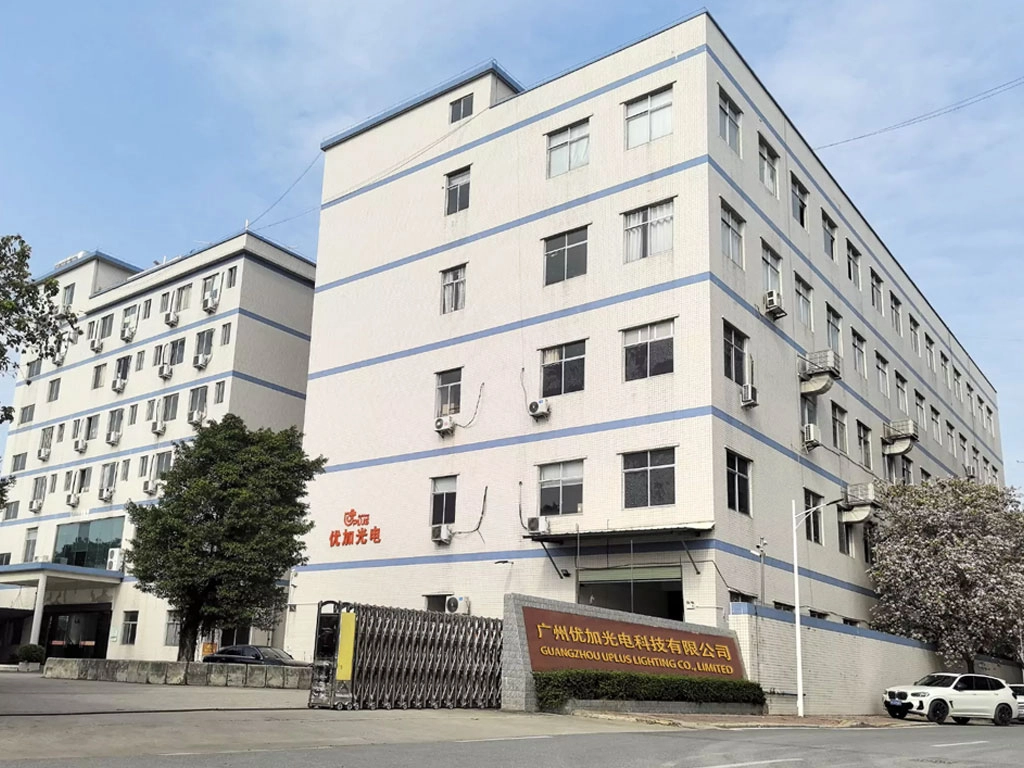
Uplus Lighting is a leading integrated company specializing in R&D, design, production, and sales of stage lighting solutions.
 Scan QR Code
Facebook
Instagram
YouTube
VK