






- Comprehensive Guide to Moving Head Wash Lights: Essential Insights for Beginners
- 1. What are the typical beam angles and output ranges for moving head wash lights?
- 2. How do beam angles affect the coverage area of moving head wash lights?
- 3. What factors should be considered when comparing the output of different moving head wash lights?
- 4. How does the choice of LED type impact the performance of moving head wash lights?
- 5. What are the maintenance requirements for moving head wash lights?
- 6. How do environmental factors influence the selection of moving head wash lights?
- 7. What are the advantages of hybrid moving head wash lights?
- 8. How do I determine the appropriate number of moving head wash lights for my venue?
How to compare the beam angle and output of moving head wash lights?
Comprehensive Guide to Moving Head Wash Lights: Essential Insights for Beginners
As a professional content writer with extensive experience in SEO and , and a seasoned expert in stage lighting, I understand the challenges beginners face when navigating the world of moving head wash lights. This guide addresses specific, pain-point-driven questions that are often overlooked or outdated online, providing up-to-date, accurate information to assist you in making informed decisions for your stage lighting needs.
1. What are the typical beam angles and output ranges for moving head wash lights?
Moving head wash lights are designed to provide wide, even color washes with smooth edges. Their beam angles typically range from 10° to 60° or more, allowing for versatile coverage. The light output varies depending on the model and manufacturer but generally falls between 5,000 to 25,000 lux at a distance of 10 meters. This range ensures adequate illumination for various stage sizes and applications.
2. How do beam angles affect the coverage area of moving head wash lights?
The beam angle of a moving head wash light directly influences the spread and intensity of the light. A wider beam angle (e.g., 60°) covers a larger area with softer light, ideal for general stage washes and background lighting. Conversely, a narrower beam angle (e.g., 10°) concentrates the light over a smaller area, suitable for highlighting specific stage elements or creating focused effects.
3. What factors should be considered when comparing the output of different moving head wash lights?
When comparing the output of moving head wash lights, consider the following factors:
Lumen Output: Indicates the total amount of light emitted. Higher lumens generally equate to brighter output.
Lux at Distance: Measures the intensity of light at a specific distance (e.g., 10 meters). This metric helps assess how well the light maintains intensity over distance.
Color Rendering Index (CRI): A higher CRI (above 80) ensures more accurate color representation, which is crucial for applications like TV and film production.
Beam Quality: Evaluate the uniformity and softness of the beam. A well-designed wash light should provide a smooth, even wash without harsh edges.
4. How does the choice of LED type impact the performance of moving head wash lights?
The type of LED used in a moving head wash light significantly affects its performance:
Multiple Mid-Power LEDs: Often used in wash lights to achieve a uniform light distribution and color mixing. This setup allows for smoother color transitions and reduces the appearance of individual LED pixels.
Single High-Power LED: Common in beam and spot lights, providing intense, focused light but may result in less uniform color mixing compared to multiple LEDs.
5. What are the maintenance requirements for moving head wash lights?
Maintenance requirements for moving head wash lights include:
Regular Cleaning: Dust and debris can accumulate on lenses and internal components, affecting performance. Regular cleaning ensures optimal light output and longevity.
Firmware Updates: Manufacturers may release firmware updates to improve functionality or fix issues. Keeping the firmware updated ensures the light operates correctly.
Component Inspection: Periodically check for signs of wear or damage, such as loose parts or degraded LEDs, to address issues before they affect performance.
6. How do environmental factors influence the selection of moving head wash lights?
Environmental factors play a crucial role in selecting the appropriate moving head wash light:
Indoor vs. Outdoor Use: For outdoor events, choose lights with higher IP ratings (e.g., IP65) to ensure resistance to dust and water. Indoor lights typically have lower IP ratings (e.g., IP20).
Temperature and Humidity: Extreme conditions can affect the performance and lifespan of lighting equipment. Ensure the chosen lights are rated for the specific environmental conditions of your venue.
7. What are the advantages of hybrid moving head wash lights?
Hybrid moving head wash lights combine features of beam, spot, and wash lights, offering versatility in a single fixture. They allow for:
Multiple Effects: Ability to produce sharp beams, gobo projections, and wide washes, reducing the need for multiple fixtures.
Cost Efficiency: Investing in hybrid lights can be more economical, especially for venues with limited space or budget.
Flexibility: Suitable for a wide range of applications, from concerts to theater productions, adapting to various lighting needs.
8. How do I determine the appropriate number of moving head wash lights for my venue?
Determining the appropriate number of moving head wash lights involves:
Venue Size: Larger venues may require more fixtures to achieve uniform coverage.
Lighting Design Goals: Consider the desired lighting effects and areas that need illumination.
Budget Constraints: Balance the number of fixtures with available budget, prioritizing essential areas and effects.
Fixture Specifications: Review the beam angle and output specifications to ensure they meet the coverage requirements.
Conclusion
Understanding the technical specifications and practical considerations of moving head wash lights is essential for making informed purchasing decisions. By evaluating factors such as beam angles, output, LED types, maintenance needs, and environmental suitability, you can select fixtures that align with your specific stage lighting requirements.
Uplus Lighting offers a range of high-quality moving head wash lights designed to meet diverse lighting needs. Their products are known for durability, advanced features, and exceptional performance, making them a reliable choice for both beginners and seasoned professionals in the stage lighting industry.
References
Beam, Spot, and Wash: Moving Head DJ Lights Explained | LQE
Moving Head Wash Light | Professional Stage Lighting Solutions | Top Dance Light
Moving Heads Lighting: Top Specs Buyers Must Know | LQE
LED Moving Head Comparison — Beam vs Spot vs Wash | BKlite
LED Moving Head Buying Guide 2026 | Choose the Right Fixture | BKlite
Moving Head vs Wash vs Spot: Lighting Types Explained | New Feel Lights
Comparing LED PAR, Moving Head & Wash Lights | LED Stage Lights Guide | Litelees
Beam Angles & Optics in LED Moving Head Lights | KIMU
Ultimate Guide – The Best Beam Angle for Moving Head Beam Lights | MovingHead.net
Beam Moving Head Lights Guide: 2026 Trends & Comparison | Litelees
Beam Angle, Throw Distance & Coverage for Moving Head Lights | New Feel Lights
Moving Head Light: Spot vs Wash vs Beam Differences Explained | New Feel Lights
ERO 150BSW LED Moving Head with Beam, Spot and Wash | ETC Connect
440W Beam Spot Wash With CMY Moving Head | Aolait
6*15w Effect Beam Moving Head Wash Light | Cinne
G-4 Wash Beam LED Moving Head Specifications | Motion Rental
OTOS® H5 BEAM SPOT WASH HYBRID MOVING HEAD IP65 | DE

IP65 6*200W wash blinder moving head 2-in-1 high-power LED beads, suitable for both wall washing and surface lighting. Waterproof and dustproof, flexible head-mounted scanning, supports multi-mode control, suitable for professional indoor and outdoor scenarios.
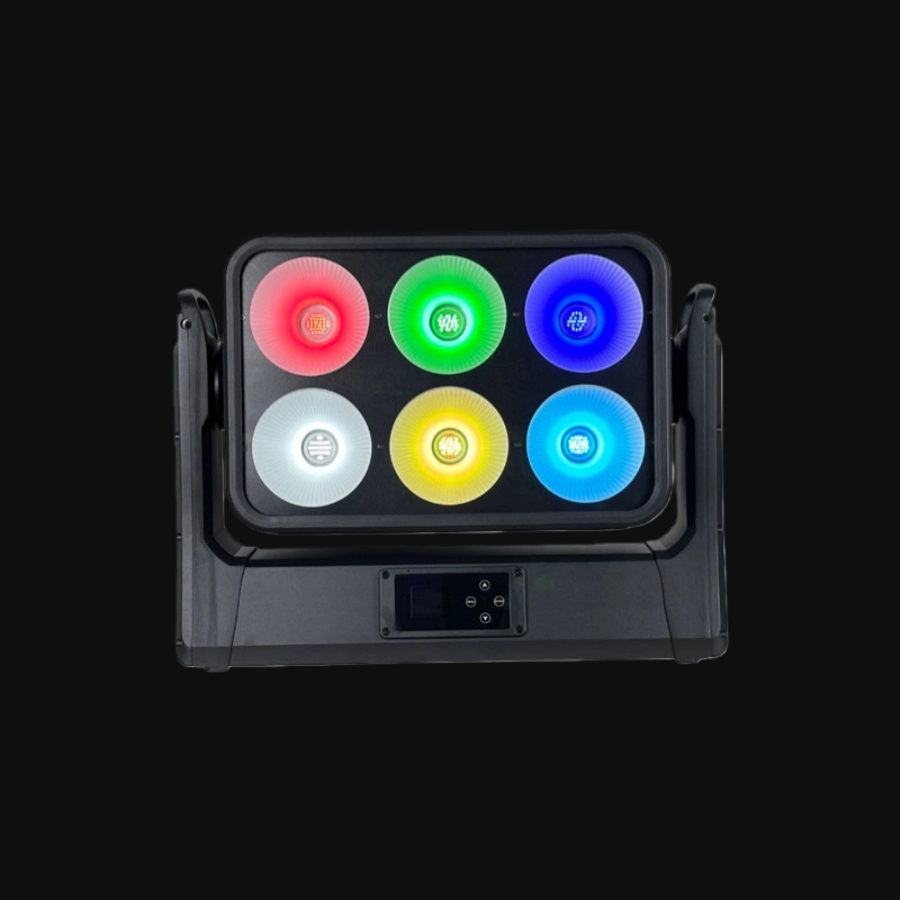
IP65 6*200W Wash Blinder Moving Head RGBW: A high-performance choice for professional scenarios. Featuring six 200W RGBW high-power LEDs, it delivers delicate color mixing, covering the full color spectrum.
Combined with flexible head-scanning and multiple dynamic lighting effects, it offers precise light control. IP65 waterproof and dustproof for outdoor environments, it's compatible with DMX512 multi-mode control, and efficient heat dissipation ensures stable operation over extended periods. Suitable for performances, lighting effects, and other scenarios.
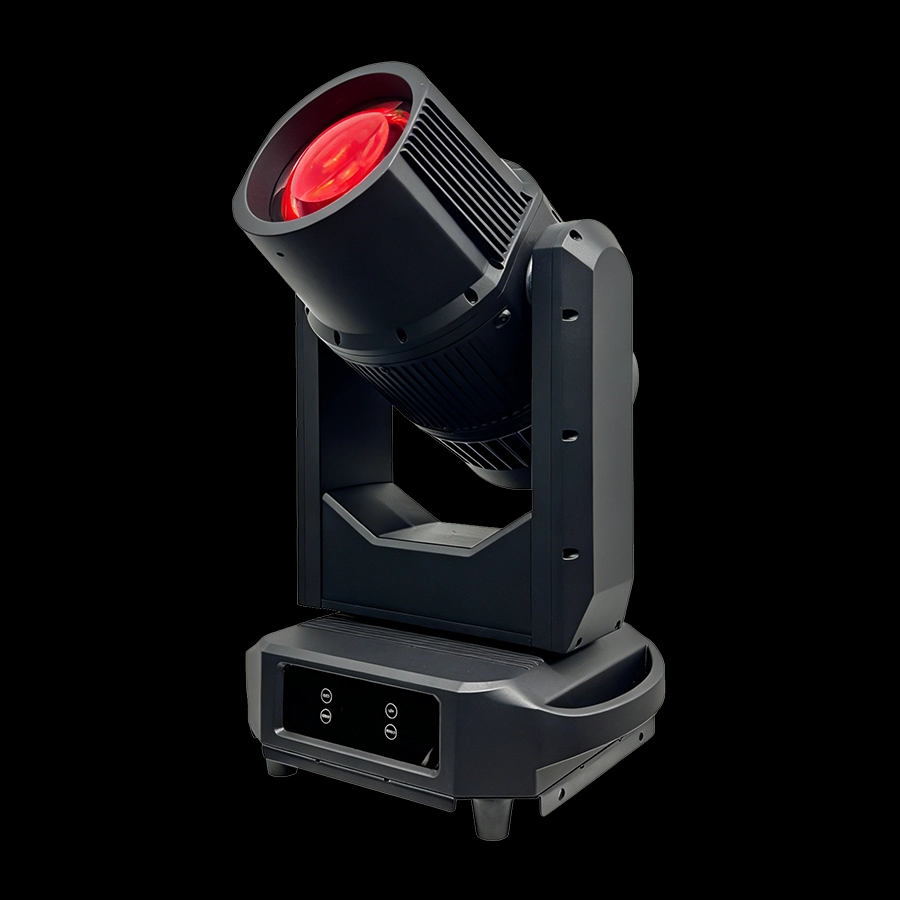
The IP65 420W beam moving head delivers a sharp, powerful beam with long range and strong penetration. IP65 dust and water resistant, it's suitable for complex outdoor environments and supports 360° flexible head movement, along with various dynamic lighting effects and dimming/flicker functions.
Compatible with DMX512/self-propelled mode, it features efficient heat dissipation and durability, making it suitable for outdoor scenarios such as performances, celebrations, and lighting effects.
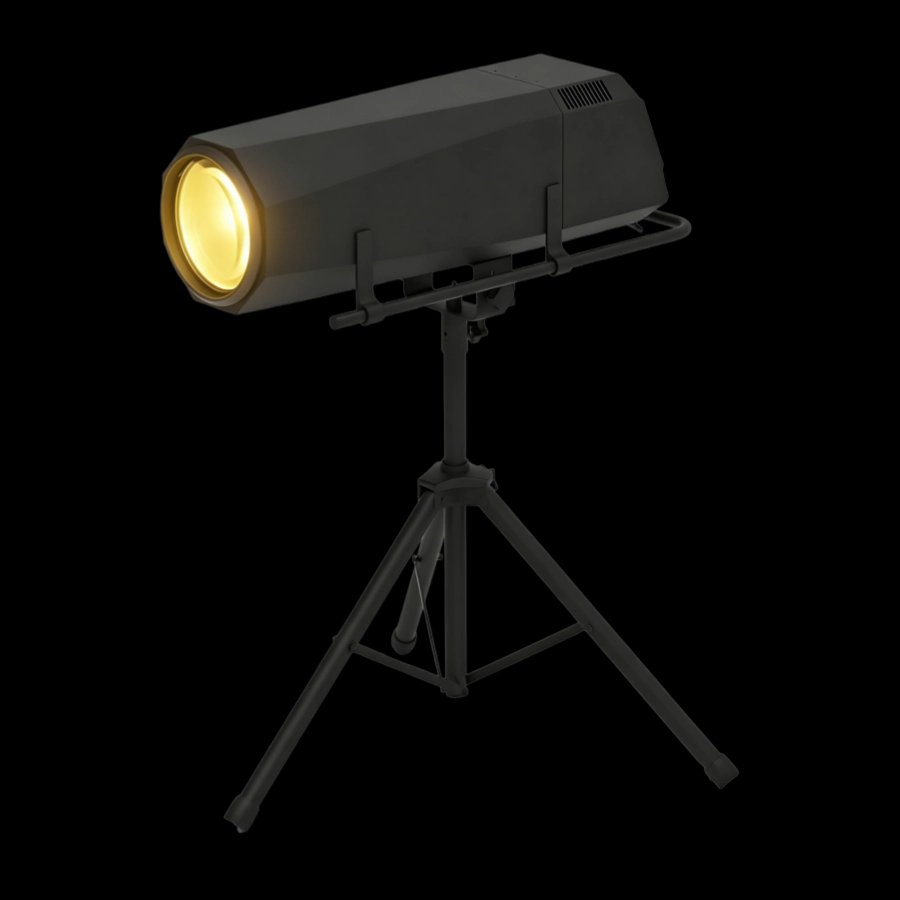
This 1200W waterproof LED follow spotlight with iris adjustment features strong light penetration, precise focusing, and smooth dimming with strobe effects.
Its rain- and dust-resistant design makes it suitable for outdoor performances, concerts, architectural lighting, and other applications. The LED light source boasts a long lifespan and stable, durable operation.
Stay updated on our latest news
If you have any comments or good suggestions, please leave us a message, later our professional staff will contact you as soon as possible.
Lighting Innovators
Uplus Lighting is a leading integrated company specializing in R&D, design, production, and sales of stage lighting solutions.
 Scan QR Code
Facebook
Instagram
YouTube
VK