






- 1. What are the unique features of Bee Eye moving head lights compared to traditional moving heads?
- 2. How does the maintenance of Bee Eye moving head lights compare to traditional moving heads?
- 3. What are the energy consumption differences between Bee Eye moving head lights and traditional moving heads?
- 4. How do the beam quality and color rendering of Bee Eye moving head lights compare to traditional moving heads?
- 5. What are the considerations for integrating Bee Eye moving head lights into existing stage lighting setups?
- 6. What are the cost implications of choosing Bee Eye moving head lights over traditional moving heads?
Bee Eye moving head light vs traditional moving head: which to buy?
1. What are the unique features of Bee Eye moving head lights compared to traditional moving heads?
Bee Eye moving head lights are distinguished by their innovative lens design, which resembles a bee's compound eye. This design allows for the creation of dynamic, kaleidoscopic beam effects that are not achievable with traditional moving heads. Unlike standard moving heads that rely on color wheels and dichroic filters, Bee Eye fixtures utilize RGBW LEDs with continuous color mixing capabilities, offering a broader spectrum of colors and smoother transitions. Additionally, the rotating lens array in Bee Eye lights enables the production of intricate patterns and textures, enhancing the visual impact of performances.
2. How does the maintenance of Bee Eye moving head lights compare to traditional moving heads?
Maintenance requirements for Bee Eye moving head lights are generally lower than those for traditional moving heads. The LED technology used in Bee Eye fixtures has a longer lifespan, often rated between 30,000 to 100,000 hours, reducing the frequency of lamp replacements. In contrast, traditional moving heads with metal-halide or HID lamps typically require replacement every 1,000 to 4,000 hours. Moreover, the absence of lamps in Bee Eye lights eliminates the need for ballast servicing and minimizes downtime associated with lamp-related issues. ((https://www.upluslighting.com/article/led-moving-head-vs-traditional-moving-head/))
3. What are the energy consumption differences between Bee Eye moving head lights and traditional moving heads?
Bee Eye moving head lights are more energy-efficient than traditional moving heads. LED technology converts a higher percentage of electrical energy into visible light and has directional output, leading to reduced power consumption. This efficiency translates to lower operational costs, especially in large-scale productions where multiple fixtures are used. Traditional moving heads, on the other hand, consume more power due to the nature of their light sources and often require additional cooling mechanisms. ((https://www.upluslighting.com/article/led-moving-head-vs-traditional-moving-head/))
4. How do the beam quality and color rendering of Bee Eye moving head lights compare to traditional moving heads?
Bee Eye moving head lights offer superior beam quality and color rendering compared to traditional moving heads. The continuous color mixing capabilities of Bee Eye fixtures allow for rich, saturated colors and smooth transitions, enhancing the visual experience. The unique lens design creates intricate beam patterns and textures, adding depth to the lighting effects. Traditional moving heads, while capable of producing tight, high-contrast beams, often rely on discrete color filters and may lack the dynamic color mixing and pattern generation found in Bee Eye lights. ((https://www.upluslighting.com/article/led-moving-head-vs-traditional-moving-head/))
5. What are the considerations for integrating Bee Eye moving head lights into existing stage lighting setups?
Integrating Bee Eye moving head lights into existing stage lighting setups requires careful consideration of several factors. First, assess the compatibility of the new fixtures with your current control systems, ensuring they support DMX512 or RDM protocols. Evaluate the power requirements and ensure your venue's electrical infrastructure can accommodate the additional load. Consider the physical dimensions and weight of the fixtures to determine appropriate rigging and mounting solutions. Additionally, plan for the maintenance and servicing of the new fixtures, including access for cleaning and potential repairs.
6. What are the cost implications of choosing Bee Eye moving head lights over traditional moving heads?
While Bee Eye moving head lights may have a higher initial purchase cost compared to traditional moving heads, they offer long-term savings through reduced maintenance and energy consumption. The extended lifespan of LED components and the elimination of lamp replacements contribute to lower operational costs over time. Additionally, the enhanced visual effects and versatility provided by Bee Eye fixtures can add value to productions, potentially leading to increased audience engagement and satisfaction. ((https://www.upluslighting.com/article/led-moving-head-vs-traditional-moving-head/))
In conclusion, Bee Eye moving head lights offer advanced features, improved energy efficiency, and reduced maintenance compared to traditional moving heads. Their unique design and capabilities make them a valuable addition to modern stage lighting setups, providing dynamic and captivating visual effects that enhance the overall performance experience.
For a personalized quote or more information on integrating Bee Eye moving head lights into your stage lighting setup, please contact us at albee@upluslighting.com or visit our website at www.upluslighting.com.
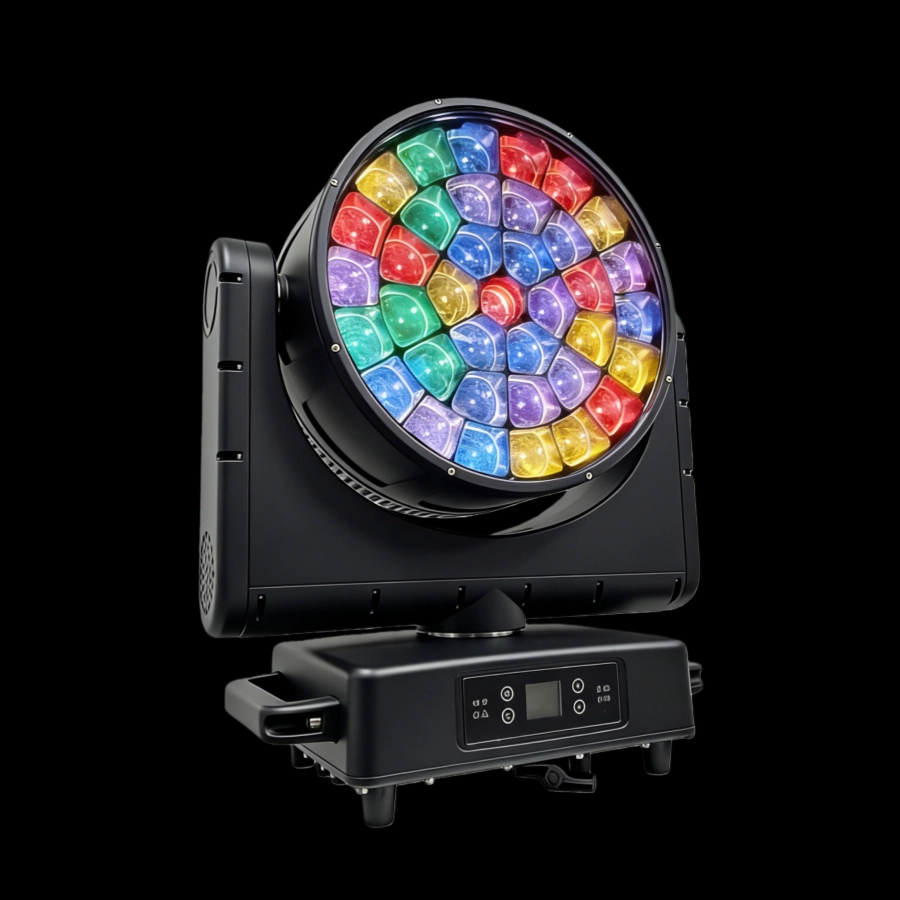
The K25: IP66 37*40W Wash Zoom & Bee Eye Moving Head is a professional-grade outdoor lighting device that integrates wall washing and bee eye effects. It features 37 groups of 40W high-power LED beads, providing strong total power. Combined with professional optical design, it achieves delicate and uniform color mixing, covering the full color spectrum.
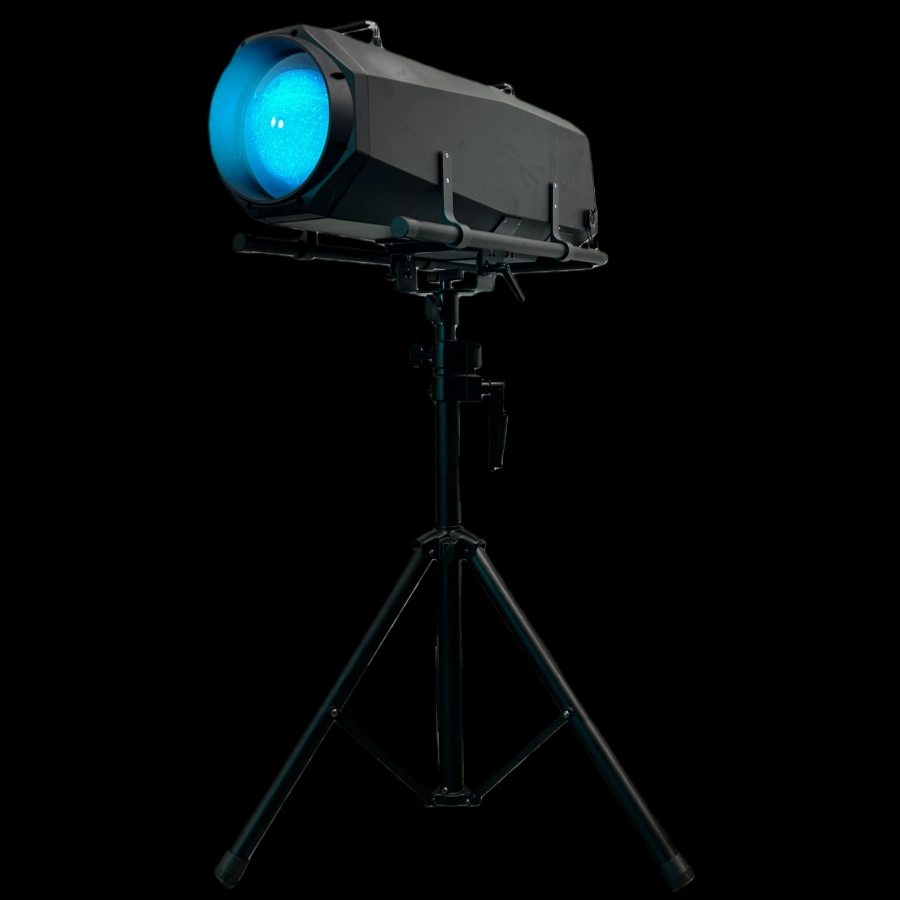
This 1200W waterproof LED follow spotlight with iris adjustment features strong light penetration, precise focusing, and smooth dimming with strobe effects.
Its rain- and dust-resistant design makes it suitable for outdoor performances, concerts, architectural lighting, and other applications. The LED light source boasts a long lifespan and stable, durable operation.
The Waterproof 1200W LED Follow Spot Light with Rotating Gobo features a rotating pattern sheet, delivering a powerful 1200W output for clear, focused beams and precise light tracking. Waterproof for outdoor use in all scenarios, the rotating pattern creates rich visual layers, making it ideal for large-scale indoor and outdoor performances, music festivals, light shows, and other events requiring focused attention and stage effects.
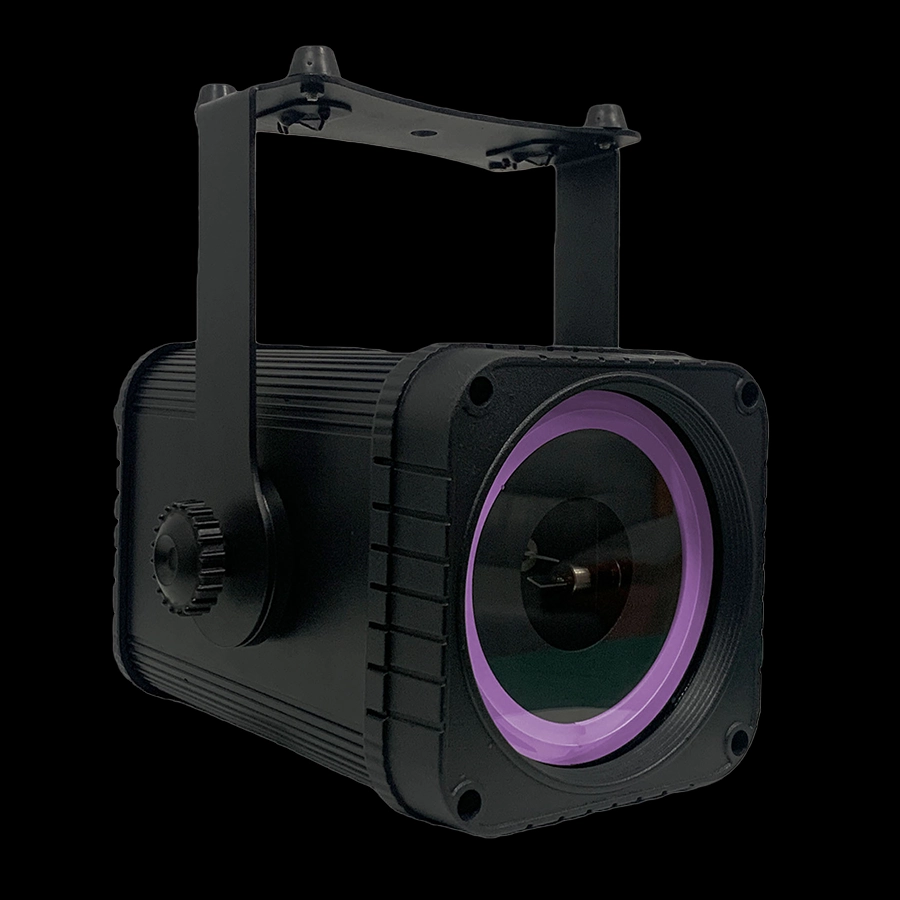
This IP65 waterproof 3W RGB animation laser battery light features an IP65 waterproof and dustproof design, making it suitable for both outdoor and indoor use. It supports rich RGB color combinations and dynamic animation effects, delivering a clear and fluid beam that can display text, patterns, and flowing light and shadow, among other visual representations.
Powered by a built-in battery, it requires no external power source, making it portable, easy to deploy, and simple to operate. Ideal for festive decorations, creating a garden atmosphere, and adding a touch of elegance to small events, it's energy-efficient, durable, and creates a truly immersive ambiance.
Stay updated on our latest news
If you have any comments or good suggestions, please leave us a message, later our professional staff will contact you as soon as possible.
Lighting Innovators
Uplus Lighting is a leading integrated company specializing in R&D, design, production, and sales of stage lighting solutions.
 Scan QR Code

Facebook
Instagram
YouTube
VK