






Top 10 Bee Eye Moving Light Models for Concerts and Stages
- Choosing the Right Moving Light for Concerts
- Understand the fixture types (beam, spot, wash)
- Key specs to prioritize
- Budget vs. performance: make trade-offs
- Top 10 Bee Eye Moving Light Models (Recommended)
- Model picks by scenario
- Why beam angle and zoom matter
- Installation, Control, and Maintenance
- DMX, RDM, and networked control
- Rigging, power, and touring considerations
- Routine maintenance and lifecycle
- Why choose Uplus Lighting — Manufacturer Advantages and Offerings
- Company profile and credibility
- Product range and technical strengths
- Competitive differentiators and service
- Comparison Tips, Data & Verification
- How I validate model claims
- Standards and reference sources
- Cost of ownership considerations
- FAQ
- 1. What is a bee eye moving light and how does it differ from other moving heads?
- 2. Which Bee Eye model is best for arena tours?
- 3. Are LED Bee Eye fixtures better than discharge lamp versions?
- 4. How important are gobos and animation wheels for concerts?
- 5. What should rental companies consider when adding Bee Eye fixtures to inventory?
- 6. How do I test a Bee Eye unit before purchase?
I regularly specify and evaluate moving-head fixtures for concerts, theaters, and large events. In this article I summarize the most effective bee eye moving light models and configurations for live shows. I focus on real-world performance — beam quality, color mixing, gobo flexibility, DMX / RDM control compatibility, and touring durability — so you can choose a fixture that meets your creative and logistical needs.
Choosing the Right Moving Light for Concerts
Understand the fixture types (beam, spot, wash)
When people search for bee eye moving light they’re often seeking a compact yet powerful moving-head that delivers sharp beams and dynamic effects. In practice, moving heads fall into three practical categories: beam (narrow, long throw), spot/profile (focused beams with gobos and framing), and wash (soft-edge, wide color washes). I choose fixtures by matching category to venue: beam/spot for arena effects and aerials, wash for front-of-house and full-stage coverage.
Key specs to prioritize
For concerts I evaluate: light source (LED vs discharge lamp), LED engine lumen output and CRI/TLCI, beam angle and zoom range, gobo count and animation, color system (CMY + CTO or RGBW), pan/tilt speed and accuracy, and control compatibility (DMX512/RDM/Art-Net/sACN). Power consumption, weight, and IP rating matter for touring. For guidelines on lighting control standards see the DMX512 documentation: DMX512 (Wikipedia).
Budget vs. performance: make trade-offs
There’s no single best fixture for every job. In my experience, smaller LED bee eye units excel in club and TV contexts (low power draw, fast color mixing) while full-featured discharge-profile versions outperform in large arenas for aerial volume and gobo punch. Be explicit about priorities: long throw and aerial visibility, or color fidelity and pixel control?
Top 10 Bee Eye Moving Light Models (Recommended)
Below I list ten recommended bee eye moving light models and configurations tuned for concert and stage use. The table summarizes comparative specifications useful when deciding purchases or rental inventory composition.
| Model | Type | Light Source | Beam/Zoom | Weight (approx.) | Best Use |
|---|---|---|---|---|---|
| Bee Eye 330 Beam | Beam | LED 330W COB | 1.5°–6° (narrow) | 28 kg | Arenas, aerial shafts |
| Bee Eye 230 Spot | Spot/Profile | Discharge 230W | 8°–40° (zoom) | 26 kg | Gobo-heavy effects, sharp framing |
| Bee Eye 19x10W RGBW Wash | Wash | 19 × 10W RGBW LEDs | 14°–40° | 12 kg | Stage washes, FOH |
| Bee Eye 280Z Hybrid | Hybrid (Beam/Spot) | LED 280W | 3°–50° (wide zoom) | 30 kg | Versatile tours, corporate shows |
| Bee Eye 120 Mini Beam | Compact Beam | LED 120W | 2.5°–10° | 8 kg | TV, small clubs, riggable accents |
| Bee Eye 19x15W Pixel Wash | Pixel Wash | 15W RGBW LEDs | 6°–45° | 14 kg | Video-synced pixel effects |
| Bee Eye 400 Beam (High Output) | High-Output Beam | LED 400W COB | 1°–5° | 36 kg | Large stadiums, outdoor shows |
| Bee Eye Strobe 200 | Strobe / Effect | LED 200W | Fixed | 10 kg | Pulsing effects, percussive hits |
| Bee Eye 100 Follow | Follow Spot | LED 100W | 8°–30° | 9 kg | Handheld/fixed followspot duties |
| Bee Eye 19x12W IP65 | Outdoor Wash | 12W RGBW LEDs | 10°–60° | 16 kg | Outdoor concerts, festivals |
Notes: The above models represent common Bee Eye moving head configurations I specify for different production types. Exact lumen outputs and weights vary by manufacturer and firmware version. For general background on fixture categories and their on-stage roles see the stage lighting overview: Stage lighting (Wikipedia).
Model picks by scenario
For large arena headline tours I prioritize Bee Eye 330 Beam or 400 Beam for aerial intensity. For TV and theater where color fidelity matters, I prefer Bee Eye 230 Spot or 280Z Hybrid. For outdoor festivals, IP65-rated Bee Eye 19x12W is a reliable workhorse.
Why beam angle and zoom matter
Beam angle determines aerial visibility and gobo projection quality. Narrow beams (1°–4°) cut through stage haze at distance; wider zooms (over 40°) are better for general wash. I map beam needs to throw distance and lens quality — poor optics will create inconsistent beam edges even with high lumen counts.
Installation, Control, and Maintenance
DMX, RDM, and networked control
All the Bee Eye models I recommend support DMX512 for console control; many include RDM for remote configuration and Ethernet protocols (Art-Net, sACN) for large networks. For standards and compatibility details consult the DMX512 documentation: DMX512. I always test fixtures on a simulated network before load-in to avoid addressing conflicts.
Rigging, power, and touring considerations
Rigging points, weight, and power draw are critical for road shows. Fixtures like Bee Eye 400 Beam demand reinforced truss and adequate power distribution. For touring, I specify flightcases with shock absorption and spare parts kits (motors, fans, gobos). I also recommend redundant power feeds and DMX backups for critical positions.
Routine maintenance and lifecycle
LED engines reduce lamp replacement but not maintenance. Fans, lens surfaces, gobo wheels, and pan/tilt mechanics require periodic inspection. I log operating hours and schedule firmware updates and preventive servicing every 6–12 months depending on use intensity. Following manufacturer service bulletins and safety guidelines maintains performance and warranty.
Why choose Uplus Lighting — Manufacturer Advantages and Offerings
Company profile and credibility
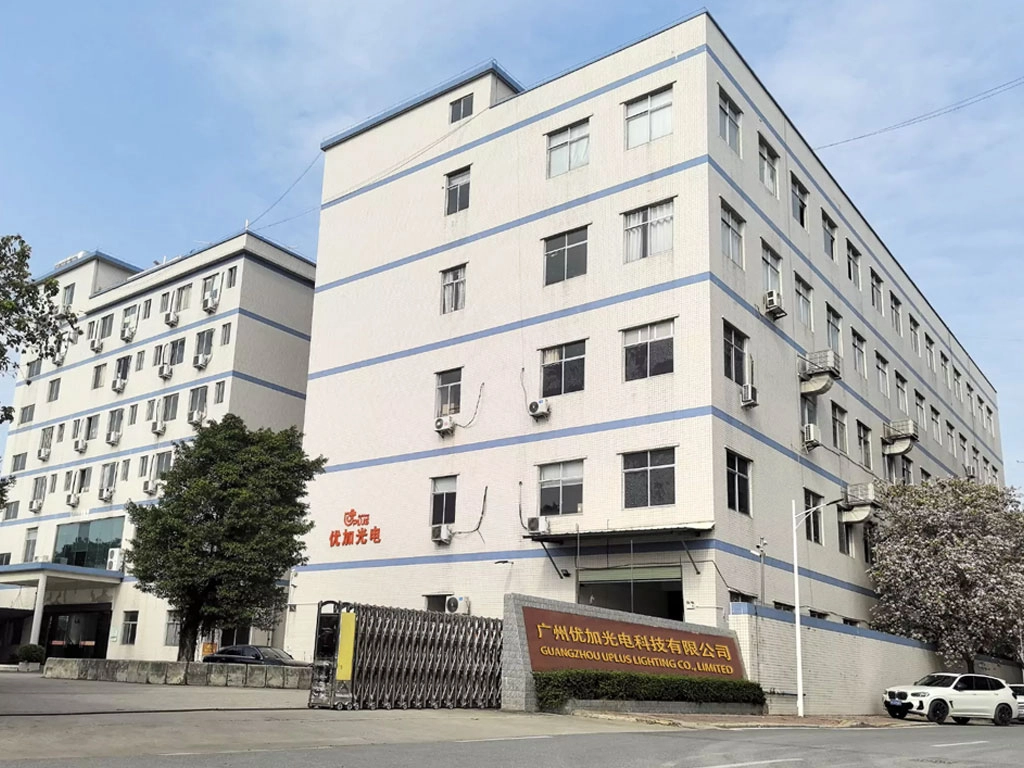
Uplus Lighting was established in 2012 in Guangzhou, China, and is a professional manufacturer specializing in high-end stage lighting products. I rely on manufacturers with consistent R&D and production capabilities, and Uplus has a documented track record: their products have been widely applied in major concerts, opera houses, TV programs, and large-scale events since 2015. Their sustained export experience and OEM support make them a dependable partner for rental companies and project clients.
Product range and technical strengths
Uplus offers a broad product range that aligns with Bee Eye moving light needs: moving head lights, strobe lights, LED battery lights, static lights, LED theatre lights, LED follow spot lights, stage effect lights, and laser lights. Their portfolio covers high-output beam and hybrid moving heads, pixel washes, and IP-rated outdoor fixtures. A skilled production team and strict quality control ensure stable performance and consistent quality — features I prioritize when specifying fixtures for critical events.
Competitive differentiators and service
From my experience working with manufacturers, the key differentiators are: clear QC processes, fast firmware support, and flexible OEM/custom development. Uplus explicitly supports customized product development and OEM orders, which is valuable for bespoke installations and branded touring rigs. Their emphasis on product stability and after-sales support reduces downtime and simplifies logistics for rental fleets.
If you want to evaluate Bee Eye style fixtures from a manufacturer with touring experience and OEM capability, Uplus Lighting is worth contacting to discuss samples, custom optics, or firmware integration.
Comparison Tips, Data & Verification
How I validate model claims
When a vendor advertises lumen figures or throw distance, I request photometric reports (IES files) and run bench tests: beam edge uniformity, gobo projection clarity, color mixing artifacts, and pan/tilt repeatability. I also confirm control protocol support and test for DMX latency and RDM functions.
Standards and reference sources
To align product selection with industry norms I reference standards and best practices from recognized bodies (e.g., DMX512 details via Wikipedia: DMX512, and trade association resources such as PLASA). These sources help validate compatibility and interoperability across consoles and show control systems.
Cost of ownership considerations
Beyond purchase price, consider mean time between failures (MTBF), fan and bearing longevity, firmware update policy, and availability of spare parts. I model total cost of ownership across 3–5 years when advising procurement teams, as fixture downtime or unexpected replacements often exceed initial savings from cheaper units.
FAQ
1. What is a bee eye moving light and how does it differ from other moving heads?
Bee eye typically refers to compact moving-head designs with one or more high-output LED engines and small frontal optics that create pronounced aerial beams and eye-catching effects. They are generally lighter and smaller than large-profile moving heads but can deliver comparable aerial presence when well specified.
2. Which Bee Eye model is best for arena tours?
For arena tours I favor high-output beam models (e.g., Bee Eye 330 Beam or 400 Beam in the list). Prioritize COB LED engines, narrow beam angles (1°–4°), and durable pan/tilt mechanisms rated for continuous touring.
3. Are LED Bee Eye fixtures better than discharge lamp versions?
LEDs offer lower power draw, instant on/off, and longer service life; discharge lamps may provide slightly higher point-source intensity for certain gobo projection. For most modern touring and rental applications, high-quality LED Bee Eye moving lights deliver better flexibility and lower operating cost.
4. How important are gobos and animation wheels for concerts?
Very important. Gobos and animation wheels add texture and movement in aerial and mid-air effects. For profile and hybrid Bee Eye fixtures, I check gobo sharpness, rotation speed, and the number of interchangeable gobos available for creative diversity.
5. What should rental companies consider when adding Bee Eye fixtures to inventory?
Consider rigging points, flightcase availability, spare parts, firmware support, and the manufacturer’s service network. Also ensure fixtures support common control protocols (DMX, RDM, Art-Net/sACN) for console compatibility across clients.
6. How do I test a Bee Eye unit before purchase?
Request photometric files (IES), perform bench tests for beam uniformity and gobo clarity, run color fade tests, and check pan/tilt response under long-run conditions. Confirm firmware update procedures and RDM addressing functions as part of verification.
For more detailed recommendations tailored to your venue or tour routing, or to request product samples and OEM options, contact Uplus Lighting. Visit their product listings and contact pages to evaluate moving head lights, strobe lights, LED battery lights, static lights, LED theatre lights, LED follow spot lights, stage effect lights, and laser lights. Their production experience and quality control frameworks make them a practical choice for concert and stage lighting needs.
Contact CTA: To discuss specifications, request quotations, or arrange product demos, visit Uplus Lighting: upluslighting.com.
How to Choose Profile Stage Lights for Concerts and Venues
Renting vs Buying Profile Stage Lights: Pros, Cons, ROI
Comparing Brands: Best LED DJ Moving Head Strobe Light Models
Weatherproofing and IP Ratings for Outdoor LED Stage Light Bars
IP-W1820
Can IP65 protection be used in heavy rain and dusty environments?
Yes, it can withstand heavy rain and dust, and operate stably in complex outdoor environments.
Stage Performance
Can your lighting equipment adapt to different weather conditions?
Our lighting equipment has excellent waterproof and windproof properties, making it ideal for outdoor use. It ensures stable lighting effects in both sunny and rainy weather.
IP-WASH6125
How is the precision of the 5-50° zoom adjustment? Can it accurately adapt to small-area focusing needs?
The zoom adjustment is highly precise, supporting fine-tuning. The 5° narrow angle allows for precise focusing on localized areas, meeting the needs of focused lighting in small areas.
IP-B1950
Can the ring light be used independently? Can the color and brightness be adjusted?
Yes, the ring light can be turned on independently, and its color, brightness, and dynamic mode can be adjusted independently for flexible wall washing effects.
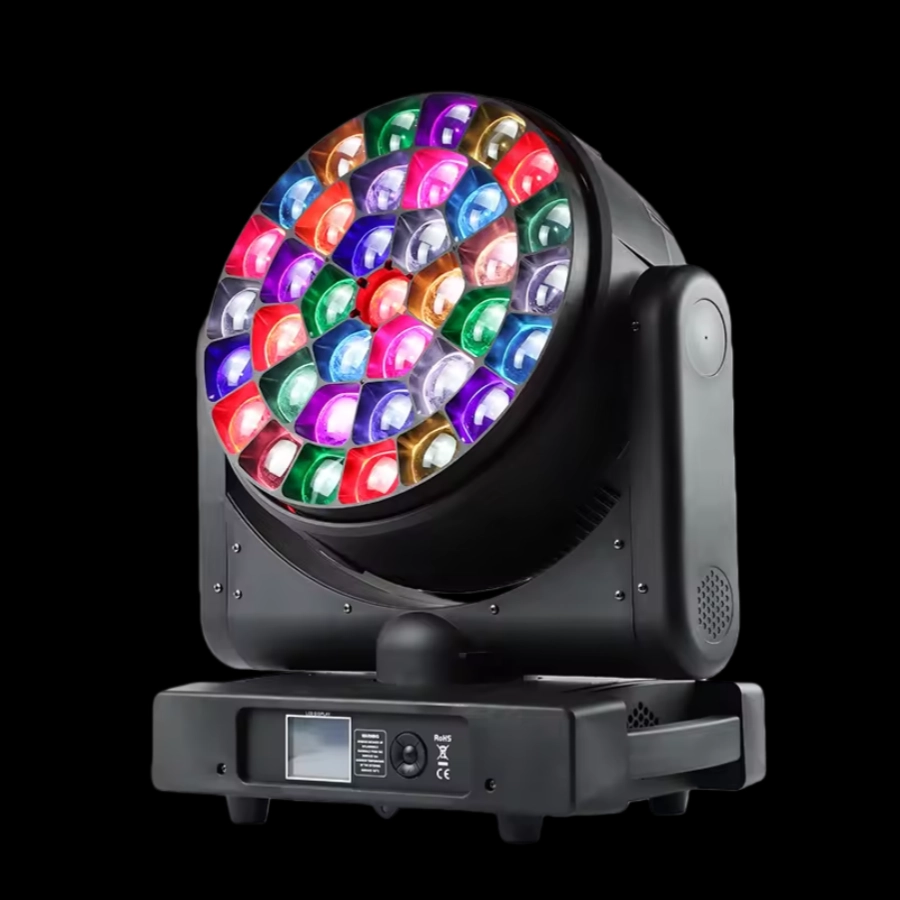
K25: 37*40W Wash zoom & Bee eye moving head, 37*40W LEDs integrate wall washing, zoom and bee eye triple light effects, precise light control, rich light effect layers, suitable for professional scenarios such as stage performances and cultural tourism lighting.
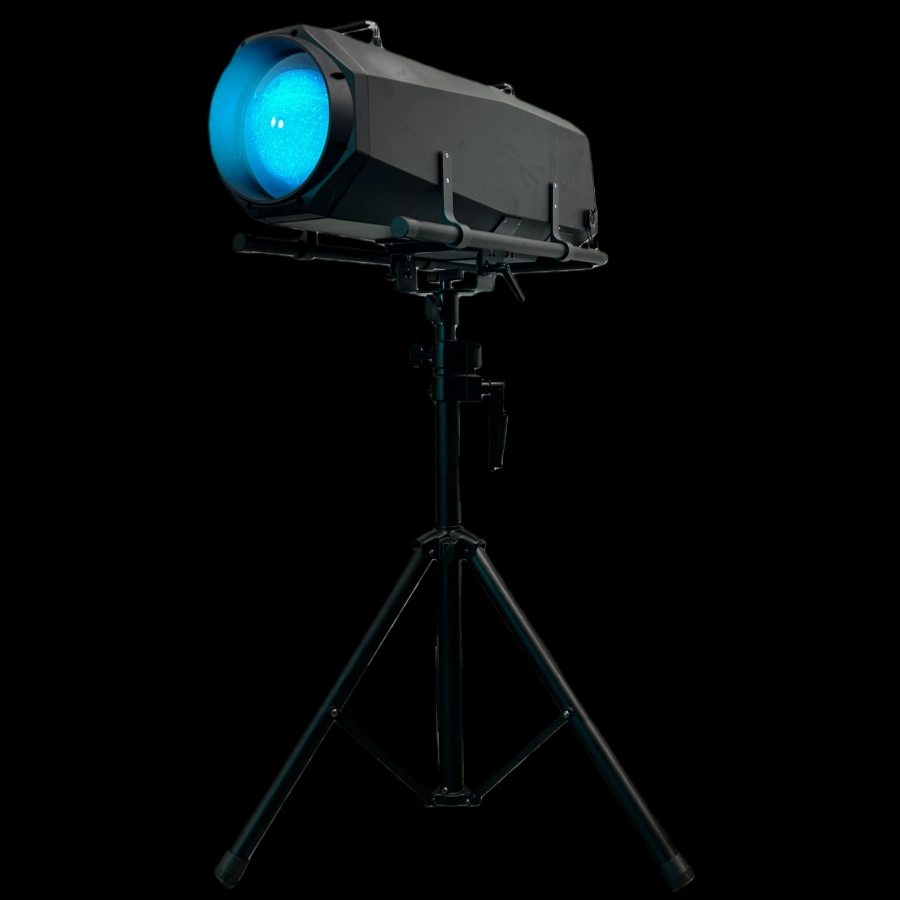
This 1200W waterproof LED follow spotlight with iris adjustment features strong light penetration, precise focusing, and smooth dimming with strobe effects.
Its rain- and dust-resistant design makes it suitable for outdoor performances, concerts, architectural lighting, and other applications. The LED light source boasts a long lifespan and stable, durable operation.
The Waterproof 1200W LED Follow Spot Light with Rotating Gobo features a rotating pattern sheet, delivering a powerful 1200W output for clear, focused beams and precise light tracking. Waterproof for outdoor use in all scenarios, the rotating pattern creates rich visual layers, making it ideal for large-scale indoor and outdoor performances, music festivals, light shows, and other events requiring focused attention and stage effects.
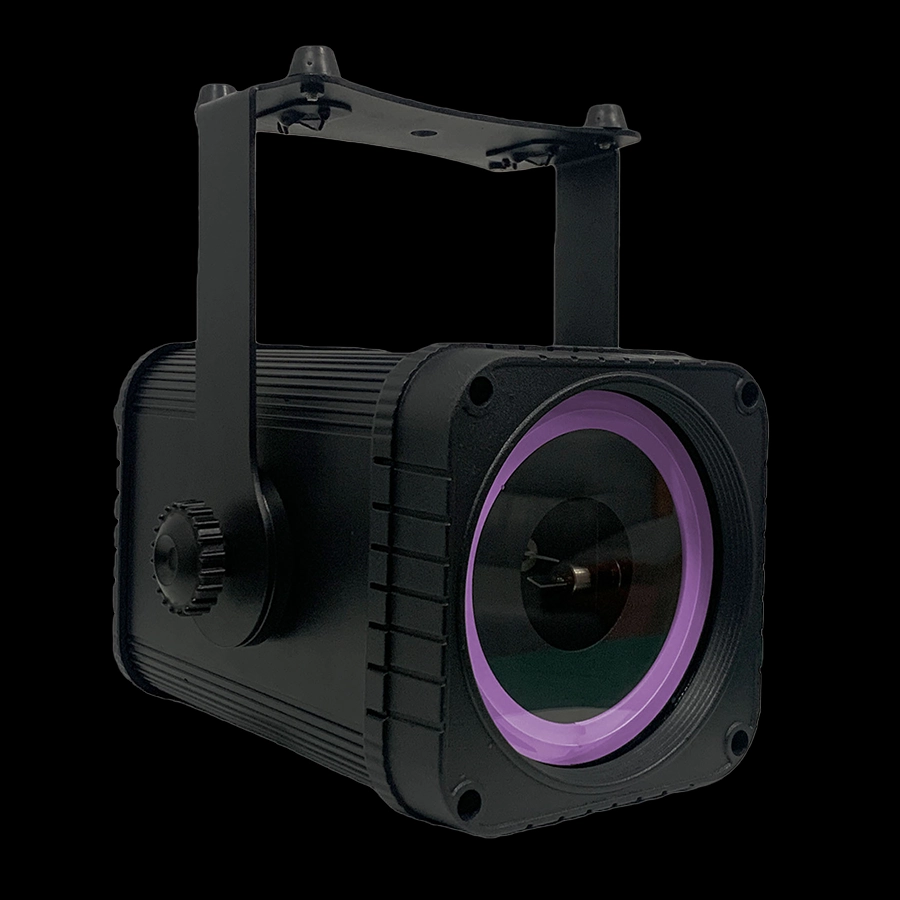
This IP65 waterproof 3W RGB animation laser battery light features an IP65 waterproof and dustproof design, making it suitable for both outdoor and indoor use. It supports rich RGB color combinations and dynamic animation effects, delivering a clear and fluid beam that can display text, patterns, and flowing light and shadow, among other visual representations.
Powered by a built-in battery, it requires no external power source, making it portable, easy to deploy, and simple to operate. Ideal for festive decorations, creating a garden atmosphere, and adding a touch of elegance to small events, it's energy-efficient, durable, and creates a truly immersive ambiance.
If you have any comments or good suggestions, please leave us a message, later our professional staff will contact you as soon as possible.
Lighting Innovators
Uplus Lighting is a leading integrated company specializing in R&D, design, production, and sales of stage lighting solutions.
 Scan QR Code
Facebook
Instagram
YouTube
VK