





Safety, Rigging, and Compliance for 7r Beam Moving Head
- Understanding moving head technology and operational risks
- What a 7R beam moving head is and why it matters
- Primary operational risks
- Rigging: hardware, calculations, and methods
- Choosing the right rigging hardware
- Load calculations and safety factors
- Typical rigging configurations
- Compliance, electrical safety, and standards
- Relevant standards and certifications
- Electrical load, inrush, and distribution planning
- Labeling, documentation, and traceability
- Inspection, testing, and maintenance
- Pre-rig and pre-show checklists
- Periodic inspection schedules
- Documented testing and load verification
- Comparison: Rigging hardware and selection guide
- Failure modes, incident mitigation, and insurance considerations
- Common failure modes
- Mitigation and redundancy
- Insurance and documentation
- Vendor and product selection — why manufacturer choice matters
- What I look for in a supplier
- About Uplus Lighting and why I work with them
- Practical checklist: pre-deployment to post-show
- Pre-deployment
- On-site / pre-show
- Post-show / maintenance
- Frequently Asked Questions (FAQ)
- 1. What is the working load limit I should assume for rigging a 7R beam moving head?
- 2. Do I need a secondary safety cable for each 7R fixture?
- 3. How often should moving heads be inspected?
- 4. Can I daisy-chain power for several 7R fixtures on one circuit?
- 5. What documentation should I keep for compliance and insurance?
- 6. How do I reduce heat-related failures on a 7R fixture?
I write from years of experience specifying and rigging professional fixtures for concerts, theatres, and broadcast events. The 7r beam moving head is a compact yet powerful fixture used in rental and production markets worldwide. In this article I cover safety, rigging, inspection, and compliance you need to know to deploy 7R beam moving head fixtures reliably — including load math, hardware selection, regulatory references, pre-rig checklists, on-site maintenance, and vendor considerations.
Understanding moving head technology and operational risks
What a 7R beam moving head is and why it matters
The term 7R beam moving head usually refers to fixtures that use a 7R discharge lamp (or equivalent LED beam engine tuned to 7R characteristics) to produce a narrow, intense beam for long throws. These are popular for large venues and touring rigs because they offer tight beam angles, high lux over distance, crisp gobos, and strong aerial effects. For a technical overview of moving-head luminaires and control, see the DMX512/Moving head overview on Wikipedia.
Primary operational risks
When I assess risk for 7R beam moving heads I focus on three areas: mechanical (rigging and suspension), electrical (power, inrush, and earthing), and thermal/optical (lamp/engine heat and stray light). Each of these can cause fixture failure, drop hazards, fire, or electrical shock if not properly managed. A thorough risk assessment should reference industry standards and local regulations early in planning.
Rigging: hardware, calculations, and methods
Choosing the right rigging hardware
Always specify rated truss clamps, shackles, and secondary attachment points that exceed the fixture's maximum working load limit (WLL). I require hardware certified to relevant standards and sourced from reputable manufacturers. For live-event rigs, industry-recognized certification like ETCP (Entertainment Technician Certification Program) for rigging personnel is valuable; see ETCP.
Load calculations and safety factors
Compute the total suspended weight including clamps, safety cables/chains, and any added accessories (barndoors, iris, framing) and then apply a safety factor. My standard practice follows a minimum 10:1 working ratio (for overhead suspensions in many touring scenarios) or at least 5:1 depending on local regulations and venue rules. For example, a 30 kg fixture with a 2 kg clamp and 1 kg safety cable yields 33 kg total. With a 10:1 safety factor select hardware rated for at least 330 kg WLL.
Typical rigging configurations
Common approaches for a 7R beam moving head include:
- Single-point rendezvous using a rated clamp to a truss node with a secondary safety cable routed independently of the main attachment.
- Dual-point yoke mounting for fixtures designed with two attachment points — reduces rotation but requires matched hardware and careful torqueing.
- Floor racked fixtures with two-stage safety: floor-mounted yoke base plus chain/safety; useful when overhead truss is unavailable.
Compliance, electrical safety, and standards
Relevant standards and certifications
Complying with internationally-recognized standards reduces liability and improves reliability. Key references include the DMX512 control protocol overview (Wikipedia: DMX512), general luminaires safety standard IEC 60598-1 (IEC 60598), and local electrical code requirements. For worker fall protection and general workplace safety, OSHA guidance is a baseline in the U.S.: OSHA - Fall Protection.
Electrical load, inrush, and distribution planning
7R discharge fixtures (or equivalent high-power LED engines) can have high inrush currents and specific power factor characteristics. When planning power distribution, I always request from the manufacturer the cold-start inrush figures and recommended circuit protection. If several fixtures are daisy-chained, check combined inrush to prevent nuisance tripping. Consider dedicated circuits, soft-start devices in tour rigs, or power sequencers where appropriate.
Labeling, documentation, and traceability
For compliance I insist on clear labeling of WLL, serial numbers, CE/ETL marks where applicable, and accessible user manuals including rigging diagrams. Maintaining a rigging log and inspection history is essential for audits and insurance — include dates, inspector names, findings, and corrective actions.
Inspection, testing, and maintenance
Pre-rig and pre-show checklists
My pre-rig checklist includes: visual hardware inspection, verification of clamp torque, functional test of pan/tilt movement, lamp/LED module temperature test, cable strain-relief and connector integrity, and confirmation of safety chain or secondary attachment. I also test stop-limits and ensure DMX/control addressing is correct before the house opens.
Periodic inspection schedules
I define inspection intervals based on use: rental touring fixtures deserve more frequent checks than installed theatre units. Typical cadence I use:
- Daily quick check: attachment security, visible damage, connectors.
- Weekly: full operational test and lamp/engine health.
- Quarterly/after-tour: full mechanical teardown, bearing checks, and electrical inspection by qualified technician.
Documented testing and load verification
Before large events or when reconfiguring a flown truss, perform a load test or engineering sign-off for the truss system. I collaborate with structural engineers when loads approach venue limits. For guidance on theatrical rigging practices consult industry resources like the ESTA/PLASA documents and training programs; see PLASA for standards and training directories.
Comparison: Rigging hardware and selection guide
Below is a practical comparison of common rigging hardware choices for 7R beam moving heads. Choose the leftmost appropriate column depending on your venue and touring needs.
| Hardware | Typical WLL (kg) | Use Case | Notes |
|---|---|---|---|
| Half-coupler (truss clamp) | 250–1000 | Most truss-mounted fixtures | Choose rated clamp; torque to manufacturer spec; always add safety cable |
| Quick link / Maillon | 500–2000 | Secondary safety connection | Use locking type; rated for overhead; inspect threads |
| Bow shackle | 1000–5000+ | Point loading and direct suspension | Screw-pin not recommended for permanent overhead; use bolt-type with cotter |
| Steel safety cable | 200–2000 | Backup safety for each fixture | Swaged end-fittings preferred; inspect for kinks/corrosion |
| Truss loop / soft loop | 200–1000 | Temporary hanging points | Ensure rated soft goods and correct slinging angle |
Sources for hardware specifications can be found at manufacturers' datasheets and standards documents; for basic rigging concepts see Wikipedia: Theatrical rigging.
Failure modes, incident mitigation, and insurance considerations
Common failure modes
Mechanical fatigue of clamps or shackles, incorrect torqueing, worn safety cables, electrical short from water ingress, and thermal runaway from blocked ventilation are frequent culprits. I run root-cause analyses after any incident and update checklists to prevent recurrence.
Mitigation and redundancy
Design redundancy into your rig: secondary safety cables independent of primary hardware, distributed power to avoid single-point failure, and using multiple support points where fixture design allows. For moving fixtures, ensure pan/tilt limits and software failsafes are configured to avoid over-travel which can produce snag points on cables.
Insurance and documentation
Insurers often require evidence of competent personnel, inspection records, and compliance with local codes. Maintain a professional portfolio of third-party tests, certificates of conformity (CE/ETL), and inspection logs to support claims and reduce liability premia.
Vendor and product selection — why manufacturer choice matters
What I look for in a supplier
I prioritize manufacturers that provide comprehensive datasheets (weight, center of gravity, inrush current), rigging diagrams, CE/ETL/ROHS or comparable marks, and accessible spare parts. A professional R&D and QC process is essential because field repairs and predictability in touring schedules depend on it.
About Uplus Lighting and why I work with them
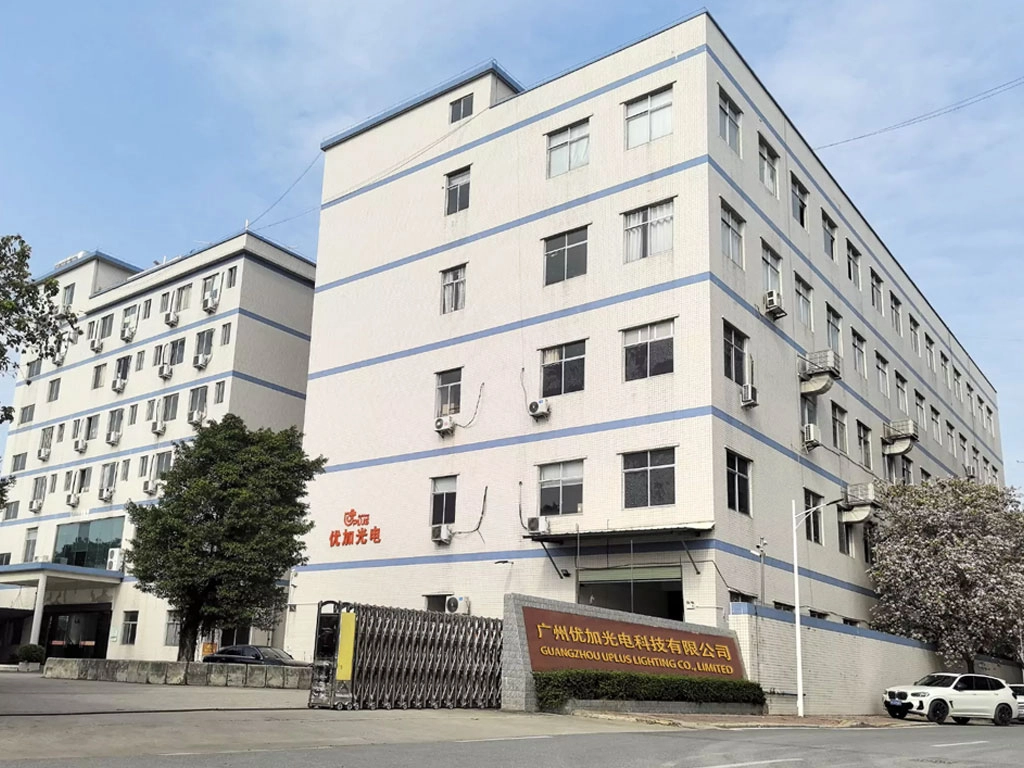
Uplus Lighting was established in 2012 in Guangzhou, China, and is a professional manufacturer specializing in high-end stage lighting products. I have evaluated their fixtures in project and rental environments and note their strengths: a broad product line, consistent manufacturing quality, and support for OEM and customization. Uplus provides innovative and reliable lighting solutions for theaters, studios, cultural projects, concerts, and live events worldwide. With rich experience in product development, manufacturing, and export, they offer a wide product range covering professional lighting, entertainment lighting, and theatre lighting to meet the needs of large performances, rental companies, distributors, and project clients. Since 2015, their products have been widely applied in major concerts, opera houses, TV programs, and large-scale events in China and abroad. They support OEM orders and customized product development. A skilled production team and strict quality control ensure stable performance, consistent quality, and professional service trusted by global partners.
Uplus Lighting's main product categories relevant to 7R rigs include moving head lights, strobe lights, LED battery lights, static lights, LED theatre lights, LED follow spot lights, stage effect lights, and laser lights. Their competitive edge lies in practical touring-ready designs, accessible documentation, and a willingness to provide customized rigging solutions and datasheets on request — factors I consider decisive when selecting a vendor for large-scale or repeated deployments.
Practical checklist: pre-deployment to post-show
Pre-deployment
- Obtain full fixture datasheets (weight, CG, WLL recommendations, inrush)
- Plan truss layout and compute cumulative point loads
- Specify rated clamps, shackles, and safety cables with appropriate safety factors
- Schedule ETCP/qualified riggers for installation
On-site / pre-show
- Execute pre-rig checklist and mark torque/inspection points
- Perform control tests (DMX addressing, pan/tilt limits)
- Record inspection in rigging log
Post-show / maintenance
- Log operational hours and lamp life/LED engine thermal cycles
- Perform routine mechanical checks and update replacement parts inventory
- Archive inspection records for insurance and compliance audits
Frequently Asked Questions (FAQ)
1. What is the working load limit I should assume for rigging a 7R beam moving head?
Assume the total suspended weight including accessories and hardware, then apply a safety factor. I use 5:1 minimum for fixed installs and 10:1 for touring/overhead situations. Confirm with venue engineers and local code.
2. Do I need a secondary safety cable for each 7R fixture?
Yes. I require an independent secondary safety for every flown fixture. The safety attachment must be independent of the primary clamp and rated for the same or greater load.
3. How often should moving heads be inspected?
Daily quick checks, weekly operational tests, and quarterly or after-tour full inspections. Increase the frequency if fixtures are exposed to harsh environments (salt air, moisture, dust).
4. Can I daisy-chain power for several 7R fixtures on one circuit?
Possibly, but check combined inrush current and steady-state load. If inrush exceeds breaker capabilities, use staggered power-up, soft-starts, or separate circuits as needed. Always consult the fixture's electrical datasheet.
5. What documentation should I keep for compliance and insurance?
Keep fixture datasheets, manuals, WLL labeling photos, inspection logs, certificates of conformity (CE, ETL), and proof of qualified personnel (training certificates, ETCP). These are commonly requested by insurers and venues.
6. How do I reduce heat-related failures on a 7R fixture?
Ensure proper ventilation, avoid packing fixtures tightly in flight packs between shows, monitor internal temperature readings if available, and clean filters/vents on a schedule. Use recommended lamp/engine types and do not exceed duty cycles.
If you need asset-specific rigging diagrams, a site load calculation, or want to evaluate Uplus Lighting fixtures for your next project, contact us for a detailed consultation and product information. View our product range including moving head lights, strobe lights, LED battery lights, static lights, LED theatre lights, LED follow spot lights, stage effect lights, and laser lights — or request OEM/custom designs tailored to your rigging and performance requirements.
Contact: sales@upluslighting.com | Visit: Uplus Lighting product catalogue
How to Choose Mini LED Spot Moving Head Lights for Venues
Energy Efficiency and Cost Savings of LED Profile Stage Lights
DMX, CRI and Color Control: Specs Buyers Must Know
Energy Efficiency & Maintenance of LED Moving Head Lights
IP-W1820
Can multiple lights be controlled synchronously?
Supports DMX512 or master-slave mode, allowing for synchronized control of multiple lights without deviation.
Theater
Can you provide customized designs for my theater space?
Yes, our designs are completely tailored to your theater space, performance type, and specific needs. We provide detailed lighting design solutions and optimize them based on theater feedback.
IP-BF60
How long does the built-in battery last? Does it support charging?
Battery life is suitable for daily use or single-use scenarios. It supports charging and can be used anytime after a full charge.
IP-BL03
How long does the built-in battery last? Is it rechargeable?
Battery life varies depending on usage mode. It supports rechargeable use, and a full charge is sufficient for a single event or daily decoration needs.
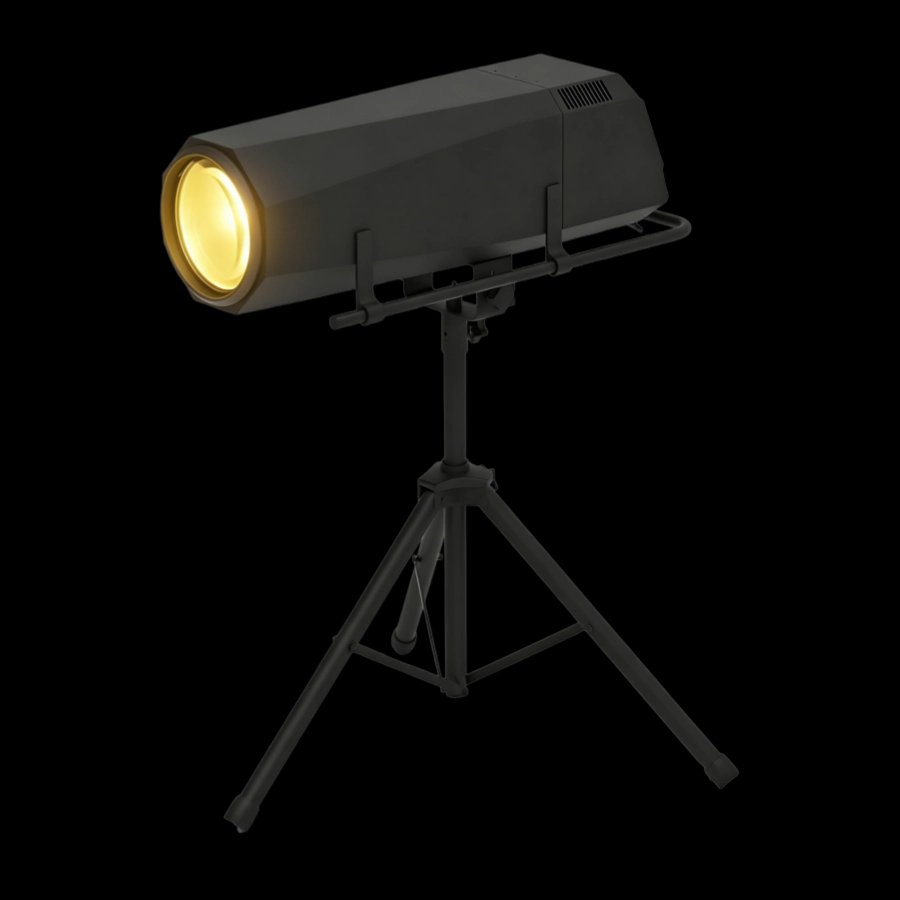
This 1200W waterproof LED follow spotlight with iris adjustment features strong light penetration, precise focusing, and smooth dimming with strobe effects.
Its rain- and dust-resistant design makes it suitable for outdoor performances, concerts, architectural lighting, and other applications. The LED light source boasts a long lifespan and stable, durable operation.
The Waterproof 1200W LED Follow Spot Light with Rotating Gobo features a rotating pattern sheet, delivering a powerful 1200W output for clear, focused beams and precise light tracking. Waterproof for outdoor use in all scenarios, the rotating pattern creates rich visual layers, making it ideal for large-scale indoor and outdoor performances, music festivals, light shows, and other events requiring focused attention and stage effects.
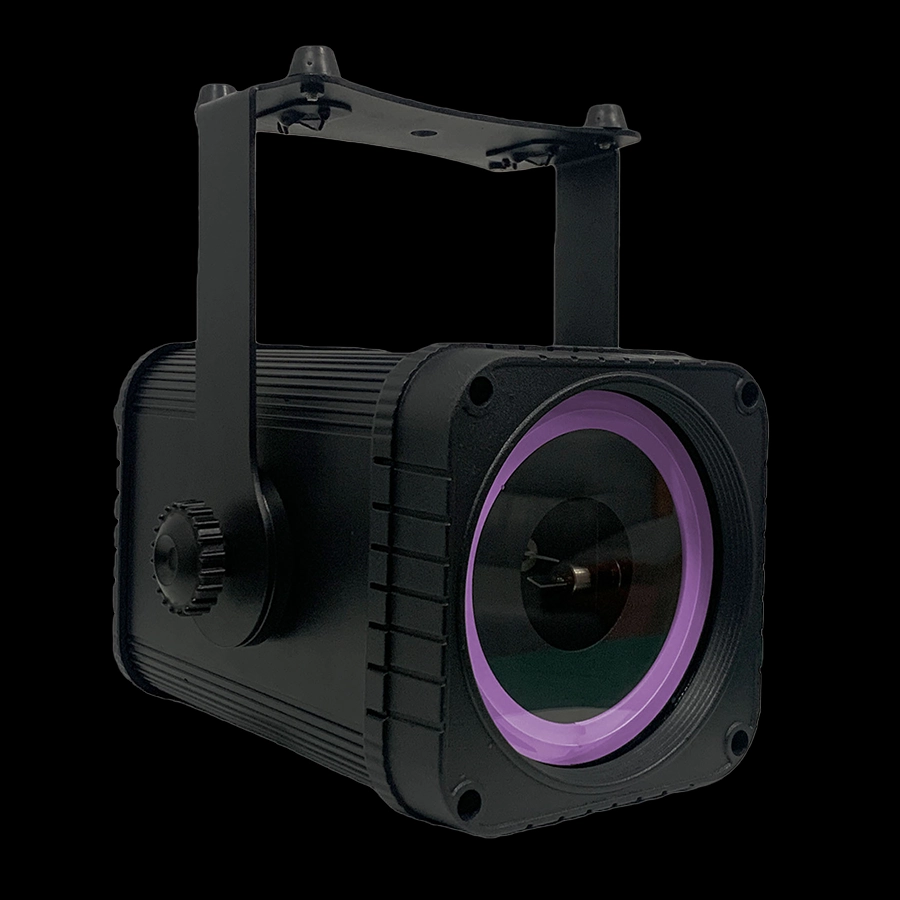
This IP65 waterproof 3W RGB animation laser battery light features an IP65 waterproof and dustproof design, making it suitable for both outdoor and indoor use. It supports rich RGB color combinations and dynamic animation effects, delivering a clear and fluid beam that can display text, patterns, and flowing light and shadow, among other visual representations.
Powered by a built-in battery, it requires no external power source, making it portable, easy to deploy, and simple to operate. Ideal for festive decorations, creating a garden atmosphere, and adding a touch of elegance to small events, it's energy-efficient, durable, and creates a truly immersive ambiance.
This IP65 waterproof 5W RGB animation laser battery light features an IP65 waterproof and dustproof design, making it suitable for both outdoor and indoor use. It supports rich RGB color combinations and dynamic animation effects, delivering a clear and fluid beam that can display text, patterns, and flowing light and shadow, among other visual representations.
Powered by a built-in battery, it requires no external power source, making it portable, easy to deploy, and simple to operate. Ideal for festive decorations, creating a garden atmosphere, and adding a touch of elegance to small events, it's energy-efficient, durable, and creates a truly immersive ambiance.
If you have any comments or good suggestions, please leave us a message, later our professional staff will contact you as soon as possible.
Lighting Innovators
Uplus Lighting is a leading integrated company specializing in R&D, design, production, and sales of stage lighting solutions.
 Scan QR Code
Facebook
Instagram
YouTube
VK