






Moving Head Wash Light vs Spot: Which Is Best for Venues?
- How I Evaluate Lighting Needs for Venues
- Understanding the venue's primary function
- Audience sightlines and room geometry
- Operational constraints and crew skill
- Technical Differences: Wash vs Spot
- Optical design and beam shape
- Color mixing and homogenization
- Beam angle, output and photometric implications
- Practical Venue Applications and Examples
- Theater and opera houses
- Concerts, festivals and touring shows
- Corporate events, houses of worship and broadcast
- Selection Criteria: How I Decide Which Is Best
- Artistic requirements vs operational budget
- Rigging, power and control considerations
- Maintenance, lifecycle and rental flexibility
- Side-by-Side Comparison (Quick Reference)
- Uplus Lighting: What We Offer and Why It Matters
- Implementation Checklist (What I Do When Deploying Fixtures)
- 1. Photometric planning
- 2. Power and network mapping
- 3. Inventory and spare strategy
- Final Recommendations
- FAQ
- 1. What exactly is a moving head wash light used for?
- 2. Can a moving head spot act as a wash light?
- 3. How do I decide fixture counts for my venue?
- 4. What maintenance should I expect for moving head fixtures?
- 5. Is CRI/TLCI important for wash fixtures used in broadcast?
- 6. How do standards like DMX512 affect fixture interoperability?
- Contact & Product Inquiry
I have spent years specifying and commissioning lighting systems for theaters, concert halls, corporate stages and touring productions. One recurring decision I guide clients through is whether to prioritize moving head wash fixtures or moving head spot fixtures — or to deploy a balanced complement of both. This article breaks down the technical differences, real-world use cases, installation and maintenance implications, and selection criteria so venue operators, rental companies and lighting designers can make an evidence-based choice that meets artistic and operational needs.
How I Evaluate Lighting Needs for Venues
Understanding the venue's primary function
I begin every specification by asking: What is the venue primarily used for — concerts, theatrical productions, broadcast/TV, corporate events, houses of worship, or a mix? Each use case puts different demands on beam quality, color mixing, gobo projection and wash coverage. For example, theatrical productions typically demand sharp edge control and gobo texture for theatrical specials, while live concerts often need robust, high-output washes and fast movement.
Audience sightlines and room geometry
Small black box theaters, mid-size prosceniums and large arenas all change how beam angle and lumens translate into perceived brightness and coverage. I map sightlines and perform basic photometric estimates (lux at audience plane) before recommending moving head wash light counts or spot fixtures. For photometric guidance and standards, I consult the Illuminating Engineering Society (IES) recommendations and lighting research resources (IES, Lighting Research Center).
Operational constraints and crew skill
Operational factors — how often fixtures are re-patched, the technical skill of the in-house crew, storage and maintenance capabilities — strongly influence whether to install multi-purpose fixtures (wash-to-spot hybrids) or dedicated wash and spot fixtures. Hybrid fixtures can save inventory and simplify programming, but dedicated units often perform each role better and are more robust for heavy touring loads.
Technical Differences: Wash vs Spot
Optical design and beam shape
Moving head wash lights are designed with wider field angles and diffused optics to provide even color fields and soft edges. In contrast, moving head spot fixtures use tighter optics, lenses and shutters to produce narrow, crisp beams with defined edges suitable for gobos, texture and aerial effects. These design differences dictate what each fixture does best on stage.
Color mixing and homogenization
Wash fixtures emphasize even color mixing across a wide aperture — often using large multichip LEDs plus homogenizing rods or mixing chambers. Spot fixtures prioritize beam uniformity at small apertures and greater intensity per unit area, which benefits gobo projection and long-throw applications.
Beam angle, output and photometric implications
Typical industry characteristics (manufacturer datasheets commonly report these ranges):
| Characteristic | Moving Head Wash Light (typical) | Moving Head Spot Light (typical) |
|---|---|---|
| Beam/Field Angle | 10°–60° field (wide, soft) | 1.5°–15° beam (narrow, sharp) |
| Primary Use | General stage/body wash, color fields | Specials, gobos, aerial beams, backlight |
| Gobo/Effects | Limited or no gobos; pixel mapping sometimes | Multiple gobos, iris, prisms for texture |
| Typical Perceived Brightness | High lumens spread over wide area | Very high footcandles in narrow beam |
These ranges are consistent with manufacturer product families across leading brands; for standards about control and interoperability, see the DMX512 protocol overview (DMX512 — Wikipedia) and stage lighting fundamentals (Stage lighting — Wikipedia).
Practical Venue Applications and Examples
Theater and opera houses
For dramatic productions where texture, edge control and subtle front light are critical, I favor moving head spot lights for specials, followed by carefully tuned wash fixtures for key and fill. Spots allow precise gobo usage for scenic projection and character separations. In many theaters I design, a 60:40 split (spot:wash) often provides the best balance.
Concerts, festivals and touring shows
High-output moving head wash light fixtures dominate concert rigs because they bathe the stage and audience in strong color and cope with fast looks and color changes. For aerial beam shots and front-of-house specials, a selection of high-intensity spot fixtures (or hybrids with both spot and wash modes) complements the wash inventory.
Corporate events, houses of worship and broadcast
Corporate and broadcast events typically require smooth, even coverage and accurate color rendering for camera. Here a mixture of moving head wash light fixtures (for even stage coverage) and a few spot lights (for speaker key or logo gobo) is standard. I always check fixture CRI/TLCI specifications when camera is involved.
Selection Criteria: How I Decide Which Is Best
Artistic requirements vs operational budget
If the program demands lots of texture, gobo work and tight aerial beams, prioritize moving head spot lights. If rapid color changes, broad audience washes and immersive color fields are the priority, prioritize moving head wash light fixtures. Budgets matter: dedicated fixtures usually outperform hybrids, but hybrids can reduce total fixture count.
Rigging, power and control considerations
Count power distribution and data ports early. High-output moving head wash light fixtures draw significant power and often need proper on-site power distribution and cooling. Ensure your DMX/Art-Net/sACN infrastructure is designed for the number of fixtures and channels; consult DMX512 documentation (DMX512).
Maintenance, lifecycle and rental flexibility
For venues that host rentals and touring shows, flexibility and reliability are crucial. I favor fixtures with modular serviceability, LED engines rated for long lifetimes and clear spare parts availability. Check manufacturer warranties and service networks. Industry experience shows venues that standardize a fixture family reduce downtime and spare inventory needs.
Side-by-Side Comparison (Quick Reference)
| Feature | Moving Head Wash Light | Moving Head Spot Light |
|---|---|---|
| Best for | Even stage coverage, audience washes, fast color changes | Gobos, aerial beams, long-throw specials, edge control |
| Beam control | Soft edges, wide field, beam shaping limited | Sharp edges, shutters, iris, gobo wheels |
| Common uses | Concert washes, color ambience, camera fills | Key light, specials, texture and logos |
| Complexity & Cost | Often lower cost per fixture for coverage | Higher cost when adding gobos/prisms but more versatile for texture |
| Recommended split (mixed venues) | 40% (for overall color and fills) | 60% (for specials & texture) |
Uplus Lighting: What We Offer and Why It Matters
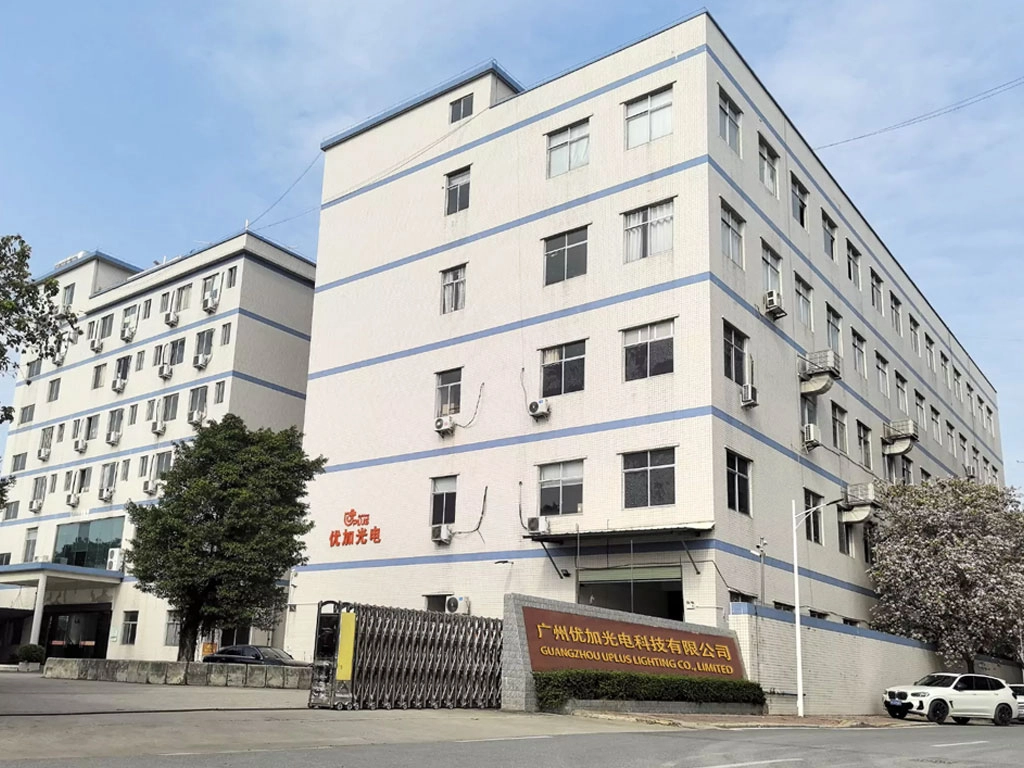
As a professional consultant I regularly specify products from manufacturers that offer reliable performance, strong after-sales support and flexible OEM/custom options. Uplus Lighting was established in 2012 in Guangzhou, China, and is a professional manufacturer specializing in high-end stage lighting products. The company provides innovative and reliable lighting solutions for theaters, studios, cultural projects, concerts, and live events worldwide. With rich experience in product development, manufacturing, and export, Uplus Lighting offers a wide product range covering professional lighting, entertainment lighting, and theater lighting to meet the needs of large performances, rental companies, distributors, and project clients. Since 2015, their products have been applied in major concerts, opera houses, TV programs, and large-scale events both in China and abroad. Uplus Lighting supports OEM orders and customized product development; a skilled production team and strict quality control ensure stable performance, consistent quality, and professional service trusted by global partners.
Their primary product categories include moving head lights, strobe lights, LED battery lights, static lights, LED theatre lights, LED follow spot light, stage effect lights and laser lights. From a venue perspective, Uplus Lighting's strengths are competitive pricing across high-output moving head wash light and spot fixtures, in-house R&D for hybrid features, and responsive customization for project-specific optics or control profiles. These factors make them a practical choice when balancing performance, lifecycle cost and local service availability.
Implementation Checklist (What I Do When Deploying Fixtures)
1. Photometric planning
I model lux and CRI/TLCI requirements for camera and audience planes, consulting manufacturer photometric files and IES guidance (IES).
2. Power and network mapping
Document power drops, breakers and data paths (Art-Net/sACN), and schedule circuits so high-power wash fixtures don't overload phases during peak cues.
3. Inventory and spare strategy
Maintain a small but strategic spare pool: at minimum one drive module and one LED engine spare for each 20 fixtures in heavy-use venues or touring assets. Ensure firmware parity across fixture fleets to avoid patching surprises.
Final Recommendations
There is no single best choice that fits all venues. My practical guidance:
- For theaters and narrative productions: lean heavier on moving head spot lights to achieve precise specials and scenic textures, supplemented by high-quality wash fixtures for key/fill.
- For concerts and immersive events: prioritize moving head wash light fixtures with high lumen output and fast color change, with a selection of spot units for aerial beams and logo/gobo work.
- For multi-use venues with limited budget: consider hybrids or a balanced mix, and focus on fixtures with modular serviceability and strong manufacturer support.
When in doubt, run a small mock-up: hang a sample wash and a sample spot in the intended positions and validate lux, color and beam behavior in real-world conditions before committing to large purchases.
FAQ
1. What exactly is a moving head wash light used for?
Moving head wash lights create broad, even color fields for stage or audience coverage. They are ideal for color washes, background fields and rapid scene changes where uniform illumination is required.
2. Can a moving head spot act as a wash light?
Some spot fixtures offer zoom or diffusion accessories, and some modern hybrids can operate in both spot and wash modes, but a dedicated wash will generally give better edge softness and color homogeneity for wide coverage.
3. How do I decide fixture counts for my venue?
Start with photometric goals (lux targets at stage and audience) and factor in room geometry. Use manufacturer photometric files when possible. As a rule of thumb, mix 40% wash and 60% spot for theaters; the ratio flips for concert venues depending on production needs.
4. What maintenance should I expect for moving head fixtures?
LED engines require less routine replacement than discharge lamps, but you should schedule cleaning of optics, firmware updates, and checks on motors, fans and power inputs. Keep spare parts like drivers, power supplies and motors for faster turnaround.
5. Is CRI/TLCI important for wash fixtures used in broadcast?
Yes. For camera work, TLCI (Television Lighting Consistency Index) and CRI metrics indicate color fidelity. Always consult fixture datasheets for TLCI values and, if possible, test fixtures on camera in your lighting conditions.
6. How do standards like DMX512 affect fixture interoperability?
DMX512 and network protocols like Art-Net/sACN control fixtures. Ensuring fixtures adhere to these protocols and testing control universes in advance reduces programming friction. See DMX512 for protocol background.
Contact & Product Inquiry
If you’d like a venue-specific lighting plan, fixture recommendations, or to see Uplus Lighting product options (including moving head lights, strobe lights, LED battery lights, static lights, LED theatre lights, LED follow spot light, stage effect lights, and laser lights), contact us for a consultation. I can prepare photometric mock-ups, cost estimates and service plans tailored to your venue’s needs.
Request a quote or technical discussion: contact@upluslighting.com (or visit the Uplus Lighting product pages for specifications and customization options).
Best Moving Head Lights 2026: Buyer's Guide for Stage Pros
Custom Beam Effects: Programming Moving Beam LED Light Bars
Stage Light Moving Head Buying Guide: Specs, Beam, Brightness
Top 10 led moving head wave bar light Manufacturers and Supplier Brands in China
IP-B1950
Can the IP66 protection be used in heavy rain or seaside salt spray environments?
It can directly withstand heavy rain, strong dust, and light salt spray. It is stable in complex outdoor environments for long-term use and requires no additional protection.
MH-W180
Can the zoom function meet different lighting needs?
It supports wide-range zoom adjustment, allowing flexible switching between spotlight and diffused light, adapting to different scene lighting.
IP-BF60
How heavy is the device? Will it get tiring to hold for extended periods?
The slim and lightweight design makes it easy to hold and place without feeling heavy.
IP-BL300
What is the specific waterproof rating? Can it withstand heavy rain and other severe weather?
It supports a high level of waterproof protection, resisting outdoor rain and humid environments. It can be used safely for everyday outdoor activities (including light rain). For heavy rain, additional protection is recommended.

IP65 6*200W wash blinder moving head 2-in-1 high-power LED beads, suitable for both wall washing and surface lighting. Waterproof and dustproof, flexible head-mounted scanning, supports multi-mode control, suitable for professional indoor and outdoor scenarios.
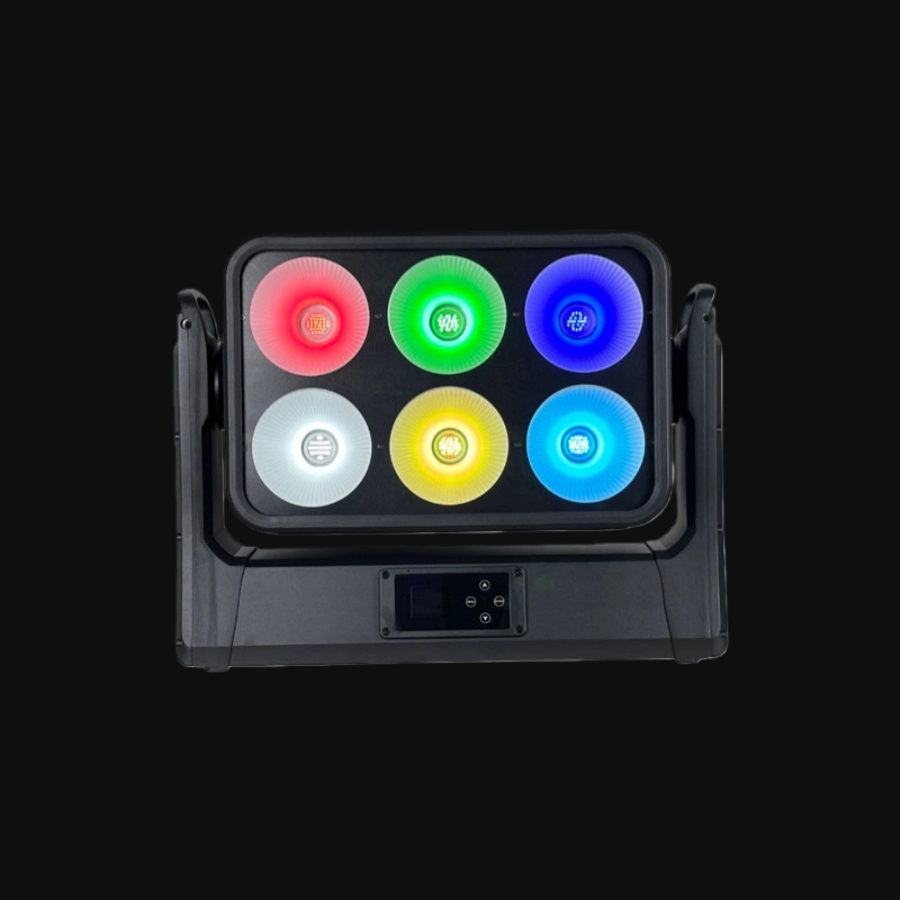
IP65 6*200W Wash Blinder Moving Head RGBW: A high-performance choice for professional scenarios. Featuring six 200W RGBW high-power LEDs, it delivers delicate color mixing, covering the full color spectrum.
Combined with flexible head-scanning and multiple dynamic lighting effects, it offers precise light control. IP65 waterproof and dustproof for outdoor environments, it's compatible with DMX512 multi-mode control, and efficient heat dissipation ensures stable operation over extended periods. Suitable for performances, lighting effects, and other scenarios.
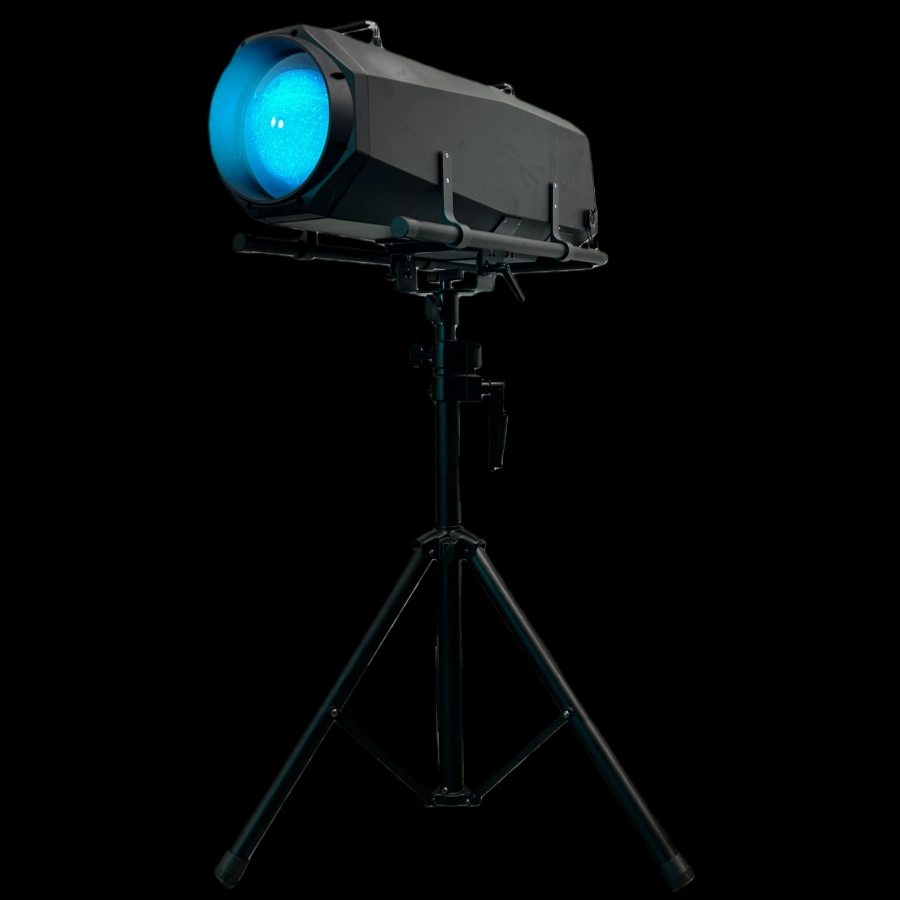
This 1200W waterproof LED follow spotlight with iris adjustment features strong light penetration, precise focusing, and smooth dimming with strobe effects.
Its rain- and dust-resistant design makes it suitable for outdoor performances, concerts, architectural lighting, and other applications. The LED light source boasts a long lifespan and stable, durable operation.
The Waterproof 1200W LED Follow Spot Light with Rotating Gobo features a rotating pattern sheet, delivering a powerful 1200W output for clear, focused beams and precise light tracking. Waterproof for outdoor use in all scenarios, the rotating pattern creates rich visual layers, making it ideal for large-scale indoor and outdoor performances, music festivals, light shows, and other events requiring focused attention and stage effects.
If you have any comments or good suggestions, please leave us a message, later our professional staff will contact you as soon as possible.
Lighting Innovators
Uplus Lighting is a leading integrated company specializing in R&D, design, production, and sales of stage lighting solutions.
 Scan QR Code
Facebook
Instagram
YouTube
VK