






Compare LED Moving Head vs Traditional Moving Head Lights
- Why fixture choice matters in modern productions
- Design impact: color, beam and creative freedom
- Operational impact: logistics, power and crew time
- Regulatory and venue considerations
- Technical comparison: LED moving head vs traditional moving head
- Light source, optic quality and beam control
- Lifetime, lumen maintenance and thermal behavior
- Energy use and efficiency
- Operational considerations and total cost of ownership
- Maintenance, spares and workshop time
- Noise, heat and venue comfort
- Resale value and future-proofing
- Choosing the right moving head for your project
- Performance needs checklist
- When traditional HID may still be preferable
- Decision flow — quick guide
- Real-world metrics and standards I use
- L70/L80 lifetime metrics and how to read them
- Photometric verification
- Fixture standards and safety
- Uplus Lighting: capabilities and how we compare
- FAQs
- 1. How long does an LED moving head light typically last compared with a traditional moving head?
- 2. Are LED moving heads as bright as discharge moving heads for long-throw applications?
- 3. Which option saves more money over the life of the fixture?
- 4. Do LEDs provide the same color quality for skin tones and camera work?
- 5. What maintenance should I expect for LED moving head lights?
- 6. Can I retrofit older fixture inventories with LED engines?
- Contact and next steps
I spend my days specifying, testing and commissioning moving fixtures for theatres, concerts and broadcast studios. In this article I compare the two dominant families of intelligent moving heads — LED moving head light fixtures and traditional moving head lights that use discharge lamps (commonly metal halide/HID). I focus on measurable differences (lifespan, power, thermal behavior, color and beam control), operational implications (maintenance, rental/tour readiness, noise) and purchasing decisions (capex vs TCO). Wherever possible I cite industry sources and standards so you can verify the claims and apply them to your projects.
Why fixture choice matters in modern productions
Design impact: color, beam and creative freedom
Your choice between an LED moving head light and a traditional moving head directly affects color rendering, color-mixing options and beam shaping. LED fixtures provide multi-chip color systems and continuous CTO/CCT control allowing rich palettes without gobo changes. Traditional discharge fixtures typically rely on color wheels and dichroic filters, which offer familiar, saturated looks and very tight beams favored for long-throw applications.
Operational impact: logistics, power and crew time
Operational constraints often drive the decision more than pure aesthetics. LED moving head light fixtures consume less power, generate less heat and usually require far less lamp replacement and warm-up time. For rental companies and touring shows these factors reduce truck-space, on-site labor and downtime between shows.
Regulatory and venue considerations
Venues and broadcasters increasingly require fixtures that meet energy and photometric best practices. Guidance from the Illuminating Engineering Society (IES) and energy-efficiency programs encourages LED adoption in many institutional projects (see IES resources https://www.ies.org).
Technical comparison: LED moving head vs traditional moving head
Light source, optic quality and beam control
LED moving head light fixtures use arrays of high-power LEDs and sophisticated mixing optics (often including zoom optics and secondary lenses). This enables smooth CMY/RGB or RGBW(A) mixing and flexible beam angles. Traditional moving heads use a single high-intensity discharge lamp with reflector and ellipsoidal-style optics, producing a very tight, coherent beam with excellent punch over long throws.
Lifetime, lumen maintenance and thermal behavior
LED modules typically have rated lifetimes of 30,000–100,000 hours to L70 or L80 depending on binning and cooling. By contrast, metal-halide/HID lamps used in traditional moving heads usually need replacement every 1,000–4,000 hours and exhibit rapid lumen drop-off near end of life. Lower heat from LEDs reduces fixture surface temperature and extends service intervals for mechanical parts and lenses.
Energy use and efficiency
LED moving heads generally consume less power for equivalent perceived output because LEDs convert a higher percentage of electrical energy to visible light and have directional output. Government energy guidance for LED lighting can be found at the U.S. Department of Energy: https://www.energy.gov/energysaver/led-lighting. This efficiency often translates to reduced generator or venue electrical costs on large productions.
| Feature | LED moving head light | Traditional (HID/discharge) moving head |
|---|---|---|
| Typical light source | Multi-chip LEDs (RGB, RGBW, RBGA, COB) | Metal-halide / HID lamp (e.g., 250W–1200W) |
| Rated lifetime | 30,000–100,000 hours (L70/L80) (see DOE and LED tech references) | 1,000–4,000 lamp hours (lamp replacement required) |
| Power consumption (typical ranges) | 150W–800W (fixture-dependent) | 400W–1,500W (lamp + ballast) |
| Color control | Continuous color mixing, adjustable CCT, multiple presets | Color wheels, CT filters, dichroics — discrete steps |
| Beam quality | Good to excellent; excellent for mid-throw; some LED units match long-throw performance | Very tight, high-contrast beam with long-throw superiority |
| Maintenance | Low (no lamps to replace; fans/optics cleaning) | Higher (lamp changes, ballast servicing, more lamp-related downtime) |
| Initial cost | Often comparable or higher for feature-rich LED units | Often lower initial cost for basic units |
| Total cost of ownership | Often lower over life due to energy & lamp savings | Often higher due to lamp, spare lamp stock, and energy use |
For photometric and measurement standards consult the Illuminating Engineering Society and published fixture photometric files (IES/IESNA). The IES publishes best practices which I use when comparing fixture output and beam distribution: https://www.ies.org.
Operational considerations and total cost of ownership
Maintenance, spares and workshop time
From my experience managing rental inventories, LED moving head light fixtures reduce workshop time dramatically. You do not need to stock lamps and you avoid on-site lamp failures that force schedule changes. Instead you manage fans, thermal pads and driver electronics. Traditional moving heads require lamp inventory, qualified technicians to change lamps and recalibrate color and intensity after replacement.
Noise, heat and venue comfort
LED fixtures run cooler and, depending on design, can be quieter because they often run lower power and use more efficient cooling systems. Many theatres and broadcast studios prefer LED for lower ambient heat and reduced HVAC impact. This is a practical consideration in TV studios where camera sensitivity to heat and noise matters a lot.
Resale value and future-proofing
LED moving heads generally hold value better due to continued industry shift toward LEDs and energy-conscious procurement. They also allow firmware updates and modular upgrades (e.g., new color profiles or DMX modes), which can extend usable life. When verifying claims, check manufacturers' datasheets and firmware update policies.
Choosing the right moving head for your project
Performance needs checklist
- Throw distance: for very long throws prefer high-output discharge or high-lumen LED fixtures specifically rated for long throw.
- Color fidelity: if natural skin tones and high CRI are vital, select LED fixtures with high CRI LEDs or tunable white profiles and review manufacturer CRI/TLCI data.
- Power & venue limits: if power is constrained, prioritize LED moving head light fixtures for lower draw.
- Touring vs fixed install: touring benefits more from LED due to lower maintenance and quicker rigging turnover.
When traditional HID may still be preferable
I still specify traditional moving head lights for a subset of applications: extremely long-throw concert spot fixtures where single-source coherence is essential, or when a specific “look” provided by a discharge lamp (filament luminaire characteristics) is required. However, modern high-power LEDs and hybrid designs have closed the gap in many cases.
Decision flow — quick guide
If you want a concise decision path: prioritize LED moving head light fixtures for general-purpose theatres, TV studios, houses of worship, corporate events and touring racks where energy, maintenance and flexibility matter. Consider traditional fixtures when you need unmatched long-throw punch or when the artistic director specifically requests the discharge lamp aesthetic.
Real-world metrics and standards I use
L70/L80 lifetime metrics and how to read them
Manufacturers quote LED life in L70 or L80 hours — the time until the LED array retains 70% or 80% of initial lumen output. These metrics are standardized approaches to describe lumen depreciation (see LED technology overview at Wikipedia: https://en.wikipedia.org/wiki/Light-emitting_diode).
Photometric verification
Always review IES photometric files and manufacturer photometric reports. Where possible I compare measured lux at target distances using published photometric curves, and I ask manufacturers for measurement data performed in accredited labs. For operational energy comparisons I reference U.S. Department of Energy material on LED efficiency: https://www.energy.gov/energysaver/led-lighting.
Fixture standards and safety
Look for compliance with relevant safety and EMC standards (IEC, CE) and professional entertainment standards from ESTA/PLASA where applicable. ESTA maintains technical standards and recommended practices for entertainment technology (see https://tsp.esta.org/tsp/).
Uplus Lighting: capabilities and how we compare
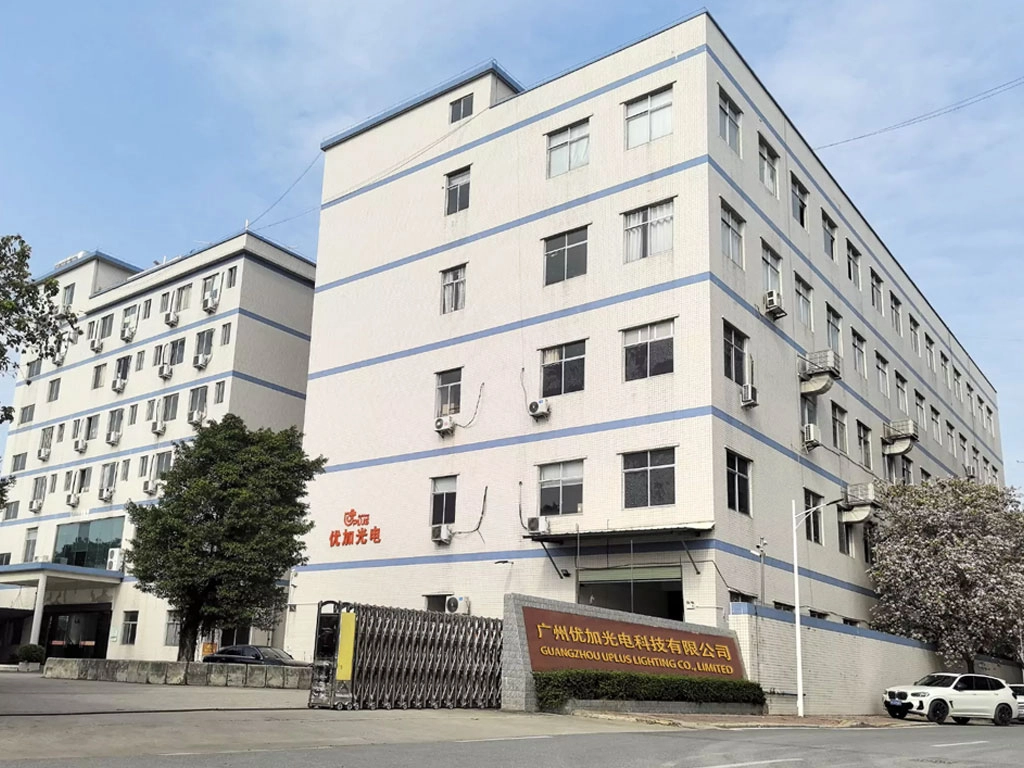
Uplus Lighting was established in 2012 in Guangzhou, China, and is a professional manufacturer specializing in high-end stage lighting products. We provide innovative and reliable lighting solutions for theaters, studios, cultural projects, concerts, and live events worldwide. With rich experience in product development, manufacturing, and export, we offer a wide product range covering professional lighting, entertainment lighting, and theater lighting to meet the needs of large performances, rental companies, distributors, and project clients. Since 2015, our products have been widely applied in major concerts, opera houses, TV programs, and large-scale events in China and abroad. We also support OEM orders and customized product development. A skilled production team and strict quality control ensure stable performance, consistent quality, and professional service trusted by global partners.
In practice, Uplus Lighting competes by combining:
- Comprehensive product lines including moving head lights, strobe lights, led battery lights, static lights, led theatre lights, led follow spot light, stage effect lights and laser lights.
- R&D-driven product improvements and firmware updates that make LED moving head light fixtures more versatile and serviceable in the field.
- Manufacturing quality control and full production traceability, which matter for rental houses and repeat-tour clients.
Where I have specified Uplus Lighting products, they delivered competitive photometric performance, reliable firmware stability and a sensible service spare policy. If you evaluate fixtures, ask for IES files and lifetime test reports; Uplus and other reputable manufacturers provide those on request.
FAQs
1. How long does an LED moving head light typically last compared with a traditional moving head?
LED fixtures are typically rated for tens of thousands of hours (commonly 30,000–100,000 hours to L70/L80), whereas traditional HID lamps require replacement every 1,000–4,000 hours. Check manufacturer L70/L80 ratings and real photometric tests for specifics (see DOE LED guidance).
2. Are LED moving heads as bright as discharge moving heads for long-throw applications?
Modern high-power LED moving head light fixtures can match or approach HID long-throw performance, but single-source HID fixtures still often produce the tightest, most coherent beam at extreme distances. When specifying, compare published lux at target distances from manufacturer photometric files.
3. Which option saves more money over the life of the fixture?
LED moving head lights frequently have a lower total cost of ownership due to reduced lamp purchases, lower power consumption and less workshop labor. Compute TCO using your local energy cost, expected operating hours and lamp replacement schedules to be accurate.
4. Do LEDs provide the same color quality for skin tones and camera work?
High-CRI LED fixtures and those with adjustable CCT can reproduce natural skin tones and perform well for broadcast. Always request CRI/TLCI data and camera tests from the manufacturer for critical broadcast or film applications.
5. What maintenance should I expect for LED moving head lights?
Maintenance generally includes periodic fan and heatsink cleaning, firmware updates, lubrication of mechanical parts if specified, and inspection of connectors and optical elements. No routine lamp change is required. Maintain a small stock of common electronics spares if you run touring racks.
6. Can I retrofit older fixture inventories with LED engines?
Some manufacturers offer retrofit or hybrid solutions, but retrofitting a legacy moving head is often complex due to thermal, optical and control integration. In many cases, replacing with a modern LED moving head light is more effective long-term.
Contact and next steps
If you need help selecting fixtures for a specific venue, tour or project, I can review your program requirements (throw distances, power limits, artistic goals) and provide a short list of recommended models, including IES photometrics and TCO estimates. For product inquiries or OEM/custom development, Uplus Lighting supports project partnerships and sample evaluation.
Contact us to discuss your project needs or to request product datasheets and photometric files. Explore Uplus Lighting moving head lights and other products to evaluate performance for your next production.
Best led moving beam light manufacturers and supplier brands
DMX vs Wireless Control for LED DJ Moving Head Strobe Lights
How to Choose Mini LED Spot Moving Heads for Weddings & Events
Top 10 mini led spot moving head light Manufacturers and Supplier Brands
IP-B1950
Can the ring light be used independently? Can the color and brightness be adjusted?
Yes, the ring light can be turned on independently, and its color, brightness, and dynamic mode can be adjusted independently for flexible wall washing effects.
IP-BS906
What outdoor environments does IP65 protection cover?
Dustproof and waterproof, suitable for common outdoor scenarios such as rain and camping with dew.
IP-BL300
What is the range of head-tilt angles? Is it flexible to operate?
The head-tilt angle coverage is wide, supporting flexible horizontal and vertical multi-angle scanning. With a professional controller, operation is precise and convenient, allowing for quick switching of dynamic effects.
IP Blinder 600
How long will it take for it to overheat during continuous use? How is the heat dissipation?
It has a built-in high-efficiency heat dissipation system, supporting 24 hours of continuous operation without overheating, ensuring stable operation.
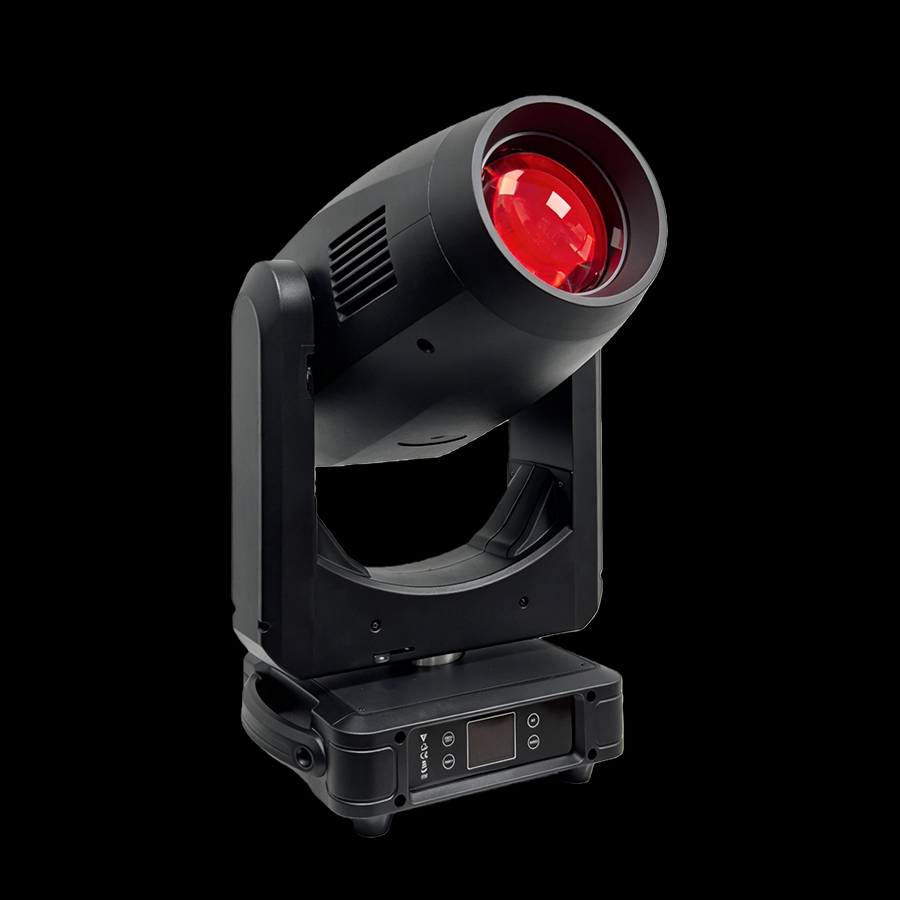
The 1000W LED profile 4-in-1 moving head integrates four core lighting effects: imaging, beam, pattern, and wall washing. It delivers powerful and full light output with precise and delicate light control, making it suitable for top-tier professional scenarios such as large-scale concerts, theater shows, and cultural tourism performances.
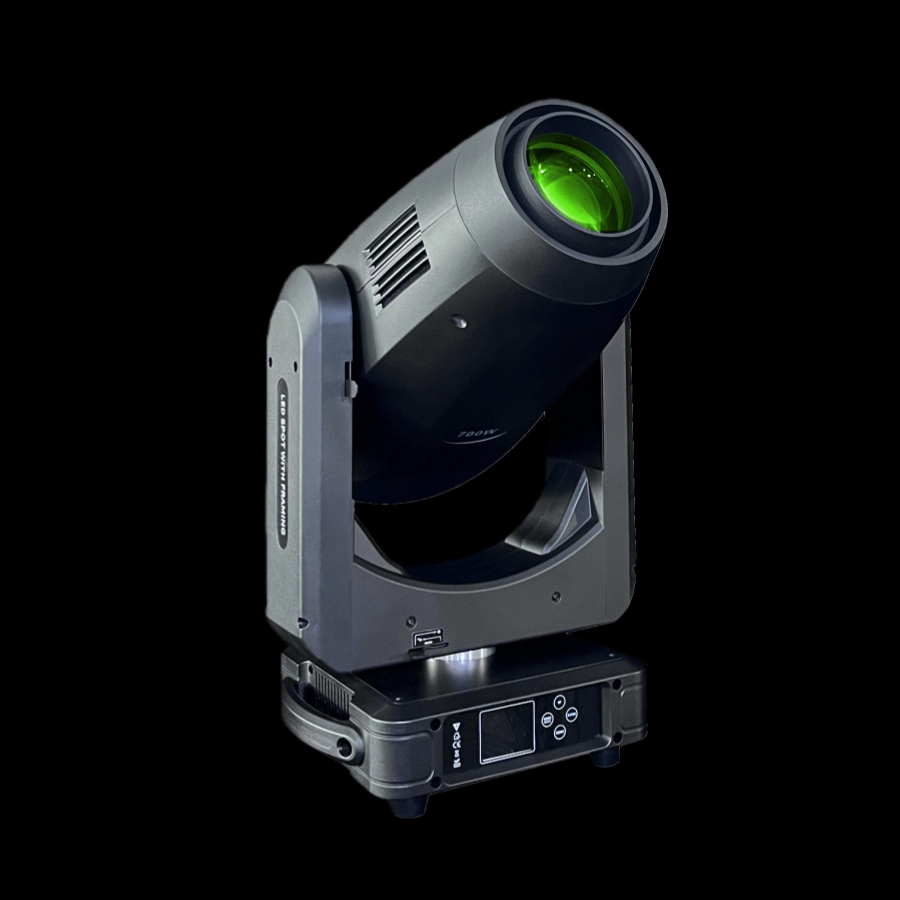
The 700W LED profile 4-in-1 moving head integrates four lighting effects: imaging, beam, pattern, and wall washing. Its high-power output delivers bright and full light, with precise and delicate light control, making it suitable for professional scenarios such as large-scale concerts, theater shows, and high-end performance venues.
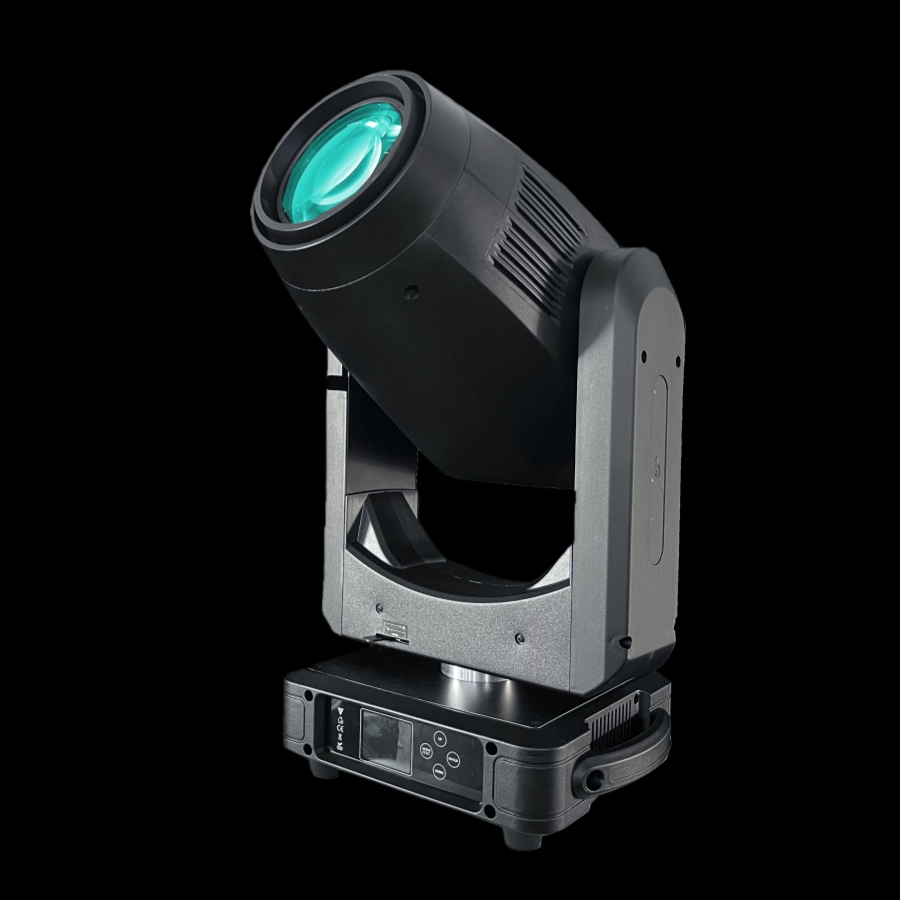
The 460W LED BSW 3-in-1 moving head integrates three core lighting effects: beam, pattern, and wall washing. The 460W high-power LED provides strong light output, and with CMY color mixing and CTO linear color temperature adjustment, the beam is sharp, the color is uniform, and the pattern is clear. It has a high-precision 540° horizontal and 270° vertical tilt, making it suitable for professional stage scenarios such as concerts, theater performances, and cultural tourism live shows.
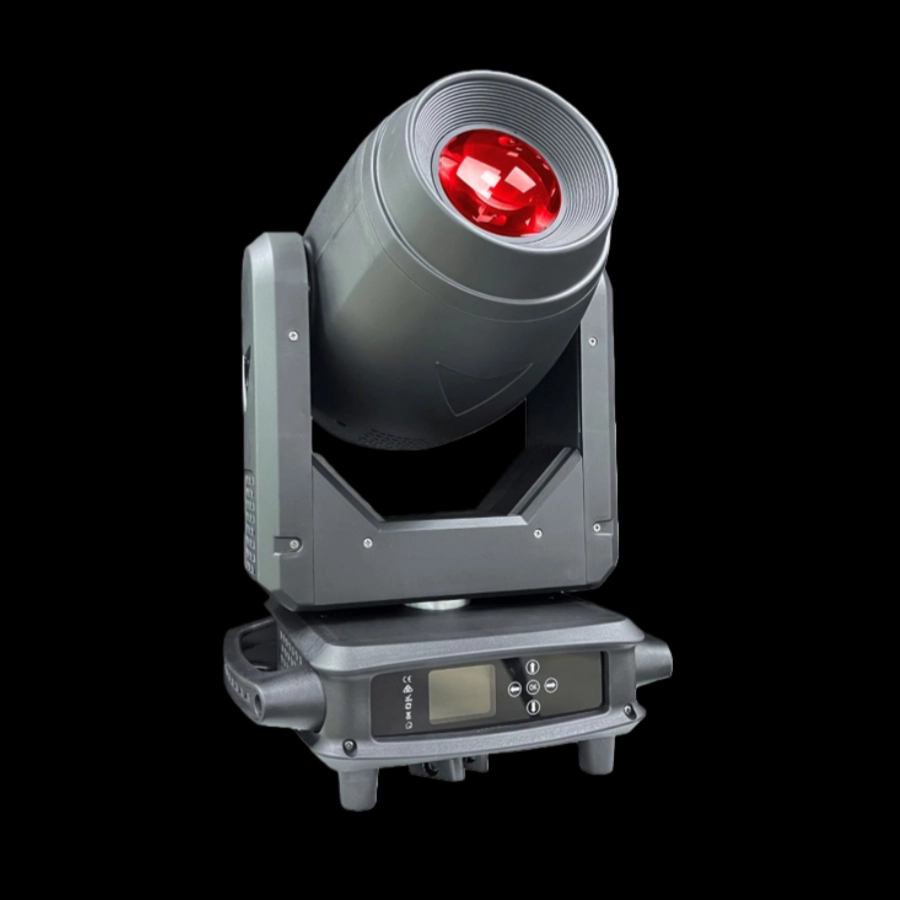
The 200W LED BSW 3-in-1 moving head integrates three lighting effects: beam, pattern, and wall washer. Its power is suitable for small and medium-sized scenes, and its light control is precise and flexible, making it suitable for creating light and shadow effects in bars, theaters, small and medium-sized performances, and other occasions.
If you have any comments or good suggestions, please leave us a message, later our professional staff will contact you as soon as possible.
Lighting Innovators
Uplus Lighting is a leading integrated company specializing in R&D, design, production, and sales of stage lighting solutions.
 Scan QR Code
Facebook
Instagram
YouTube
VK