






Energy Efficiency and ROI of LED Moving Beam Stage Lights
- Understanding Power Consumption in Modern Stage Lighting
- How LED engines differ from discharge lamps
- Typical power ranges and what they mean
- Measuring ROI: Energy, Maintenance, and Operational Savings
- Key cost components to include
- Example ROI calculation: assumptions and method
- Operational Benefits Beyond Simple kWh Savings
- Reduced heat load and HVAC savings
- Maintenance labor, downtime, and reliability
- Photometric stability and color control
- Comparative Table: LED Moving Beam vs. Discharge Moving Head
- Making a Purchase Decision: Practical Criteria I Use
- Match photometric performance to use-case
- Consider total cost of ownership and operational profile
- Serviceability and spare parts
- Uplus Lighting: Manufacturer Profile and How They Fit in This Picture
- Practical Recommendations and Next Steps
- Run an on-site audit
- Request data sheets and IES files
- Plan for spares and service
- Frequently Asked Questions (FAQ)
- 1. How much energy does an led moving beam head stage light actually save?
- 2. Are LED moving beam heads as bright as discharge-based units?
- 3. How long do LED moving beam heads last?
- 4. Will switching to LED moving heads reduce HVAC costs?
- 5. What payback period should I expect?
- 6. How should I choose between vendors?
I write from long experience advising theaters, rental companies, and production houses on lighting upgrades. In this article I analyze the energy efficiency and real-world ROI of the led moving beam head stage light compared with traditional lamp-based moving heads. The summary below is optimized for and local search: many venues and rental companies in Guangzhou, China and other regional markets have reduced operating costs and improved performance by switching to LED moving beam fixtures; I document how those savings are realized and how to evaluate payback in your own context.
Understanding Power Consumption in Modern Stage Lighting
How LED engines differ from discharge lamps
LED moving beam head stage light fixtures use LED arrays or high-power LED engines with electronic drivers. Unlike high-intensity discharge (HID) lamps (xenon, metal-halide), LEDs convert a higher percentage of electrical power into light and much less into heat. The U.S. Department of Energy summarizes the advantages of LEDs in general lighting efficiency and long life: energy.gov/energysaver/led-lighting. For stage lighting this translates into lower fixture wattage for comparable illuminance and significantly reduced lamp replacement cost.
Typical power ranges and what they mean
Typical modern LED moving beam fixtures use between 250 W and 600 W of input power depending on beam aperture and effects (many professional beam heads centre around 300–450 W). By contrast, traditional discharge moving heads often use 700 W to 1,200 W lamp systems plus ballast losses. When spec’ing fixtures I look at actual measured input power and lux/footcandles at throw distance rather than lumen claims—it's the effective illuminance at the stage or beam target that determines whether a lower-wattage LED truly replaces a brighter lamp-based unit.
Measuring ROI: Energy, Maintenance, and Operational Savings
Key cost components to include
To calculate ROI you must include: initial capital cost, energy consumption (kWh), lamp replacement and consumables, maintenance labor, and ancillary costs such as HVAC savings from reduced heat load. I always recommend facilities use a multi-year view (3–7 years) because LED lifetime advantages accumulate over time.
Example ROI calculation: assumptions and method
I use transparent, verifiable assumptions and show the math so you can substitute your local numbers. Key inputs:
- Electricity cost: $0.12 per kWh (U.S. average used for example; see U.S. EIA electricity FAQ: eia.gov/tools/faqs)
- Fixture power: LED moving beam = 400 W; discharge moving head = 1,200 W
- Fixture capital cost: LED = $3,200; discharge = $2,200 (examples for pro fixtures; adjust to your quotes)
- Discharge lamp replacement: $300 per lamp, replacement interval 1,000 hours (typical for many HID lamps; see Wikipedia: Metal-halide lamp)
- Analysis horizon: 5 years
Energy saving per hour = (1,200 W - 400 W) = 800 W = 0.8 kW. Annual energy saving = 0.8 kW * annual hours. Annual lamp cost saved depends on hours/year divided by lamp life.
| Scenario (hrs/year) | Annual Energy Saving (kWh) | Annual Energy $ Saved (@ $0.12/kWh) | Annual Lamp Replacement Savings | Total Annual Savings | Payback on Extra Capital ($1,000) |
|---|---|---|---|---|---|
| 300 | 0.8 * 300 = 240 | $28.80 | $300 * (300/1000) = $90 | $118.80 | 1000 / 118.80 = 8.4 years |
| 1,000 | 800 kWh | $96.00 | $300 * (1000/1000) = $300 | $396.00 | 1000 / 396 = 2.5 years |
| 2,000 | 1,600 kWh | $192.00 | $300 * (2000/1000) = $600 | $792.00 | 1000 / 792 = 1.26 years |
Interpretation: In low-usage scenarios (e.g., small house with 300 run-hours per year) payback may exceed typical fixture lifetime for some buyers, but in rental, concert, or TV use (1,000–2,000 hours/year) LED moving heads pay back quickly primarily because of lamp replacement savings and lower power draw.
Operational Benefits Beyond Simple kWh Savings
Reduced heat load and HVAC savings
Reduced waste heat from LEDs lowers HVAC demand in enclosed venues. Every kilowatt saved in lighting roughly equates to 3,412 BTU/hour of reduced heat load (1 kW = 3,412 BTU/hr). For example, the 0.8 kW saving per fixture above is ~2,730 BTU/hr per fixture; multiplied over multiple fixtures and long event durations this can reduce air-conditioning runtime and peak load. For guidance on HVAC interactions with lighting loads see ASHRAE resources and building energy modeling best practices (ASHRAE publishes standards and guidance; see ashrae.org).
Maintenance labor, downtime, and reliability
LED fixtures remove the frequent lamp change cycle. Lamp replacement is a direct cost (lamp parts) and an indirect cost (labor, downtime, and recalibration). In touring and broadcast contexts the reliability and instant restrike of LEDs reduce risk and labor — fewer on-site lamp swaps, fewer spare-lamp inventory costs, and fewer calibration cycles.
Photometric stability and color control
High-end LED moving beam head stage light units provide stable color temperature, programmable color wheels (or additive color mixing), and more consistent lumen maintenance (L70 lifetimes often 30,000–50,000+ hours per manufacturer claims). The U.S. DOE provides general LED lifetime and lumen maintenance discussion: energy.gov. I recommend checking manufacturer L70/L80 figures and independent photometric tests when assessing long-term performance.
Comparative Table: LED Moving Beam vs. Discharge Moving Head
| Feature | LED Moving Beam Head | Discharge (HID) Moving Head |
|---|---|---|
| Typical Power | 250–600 W | 700–1,200 W (lamp) + ballast losses |
| Lamp/Lifespan | LED modules 30,000–50,000+ hrs (L70/L80) | HID lamps 750–2,000 hrs; frequent replacement (xenon/metal-halide) |
| Maintenance | Lower (less lamp replacement; modular service) | Higher (lamp inventory, alignment, ballast service) |
| Initial Cost | Typically higher for feature-rich LED head | Often lower initial purchase (legacy models) |
| Heat Output | Lower; benefits HVAC | Higher heat; increases cooling needs |
| Color/Effects | Wide programmable color mixing; fast effects | Excellent beam quality; color wheels/gobos depend on model |
Making a Purchase Decision: Practical Criteria I Use
Match photometric performance to use-case
Ensure the led moving beam head stage light you're evaluating delivers the required beam intensity and quality at the throw distances you need. Ask for IES/photometric files, on-axis lux charts, and real-world demo footage. Don't rely on headline lumen numbers alone.
Consider total cost of ownership and operational profile
For rental companies and high-usage venues, prioritize lower total cost of ownership (TCO) and quick payback. For low-usage houses, weigh upfront cost against expected lifetime hours. Use the ROI calculation above with your local electricity price and actual run-hours to see your payback period.
Serviceability and spare parts
Check warranty terms, availability of spare LED modules, and local service support. A well-supported product with accessible modules will have lower long-term maintenance cost and downtime.
Uplus Lighting: Manufacturer Profile and How They Fit in This Picture
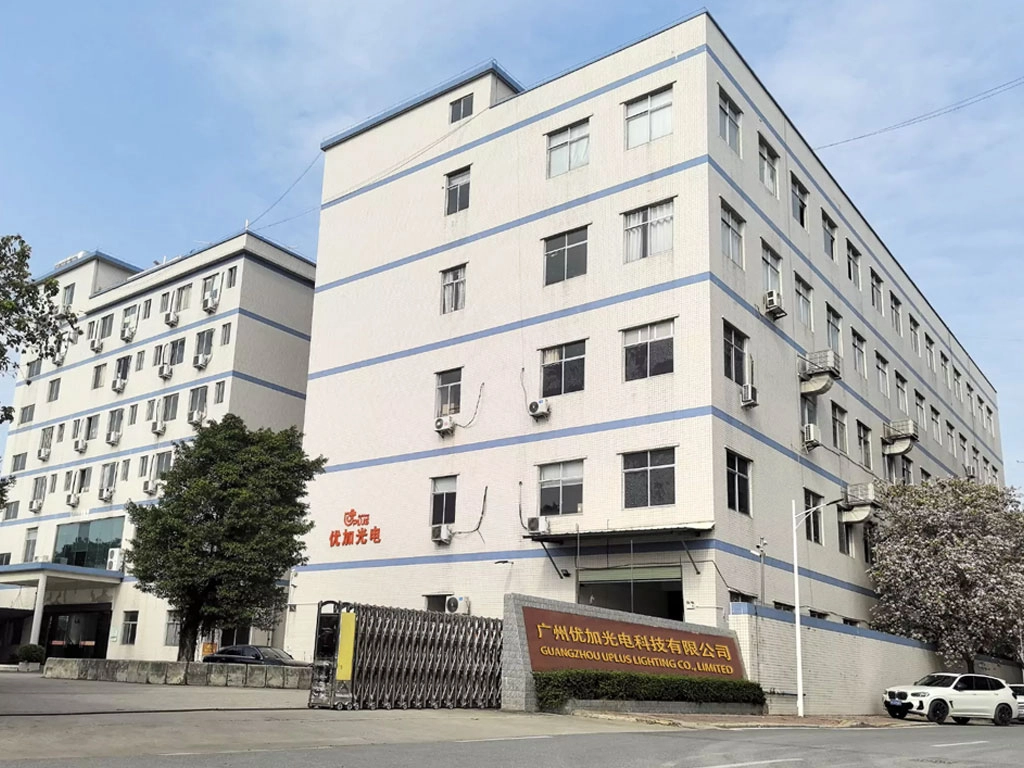
Uplus Lighting was established in 2012 in Guangzhou, China, and is a professional manufacturer specializing in high-end stage lighting products. I have followed Uplus Lighting's product development and global deployments; their systems are engineered for theaters, studios, cultural projects, concerts, and live events worldwide. With experience in product development, manufacturing, and export, Uplus provides a wide product range covering professional lighting, entertainment lighting, and theater lighting to meet the needs of large performances, rental companies, distributors, and project clients.
Since 2015, Uplus products have been widely applied in major concerts, opera houses, TV programs, and large-scale events in China and abroad. They support OEM orders and customized product development. A skilled production team and strict quality control ensure stable performance, consistent quality, and professional service trusted by global partners.
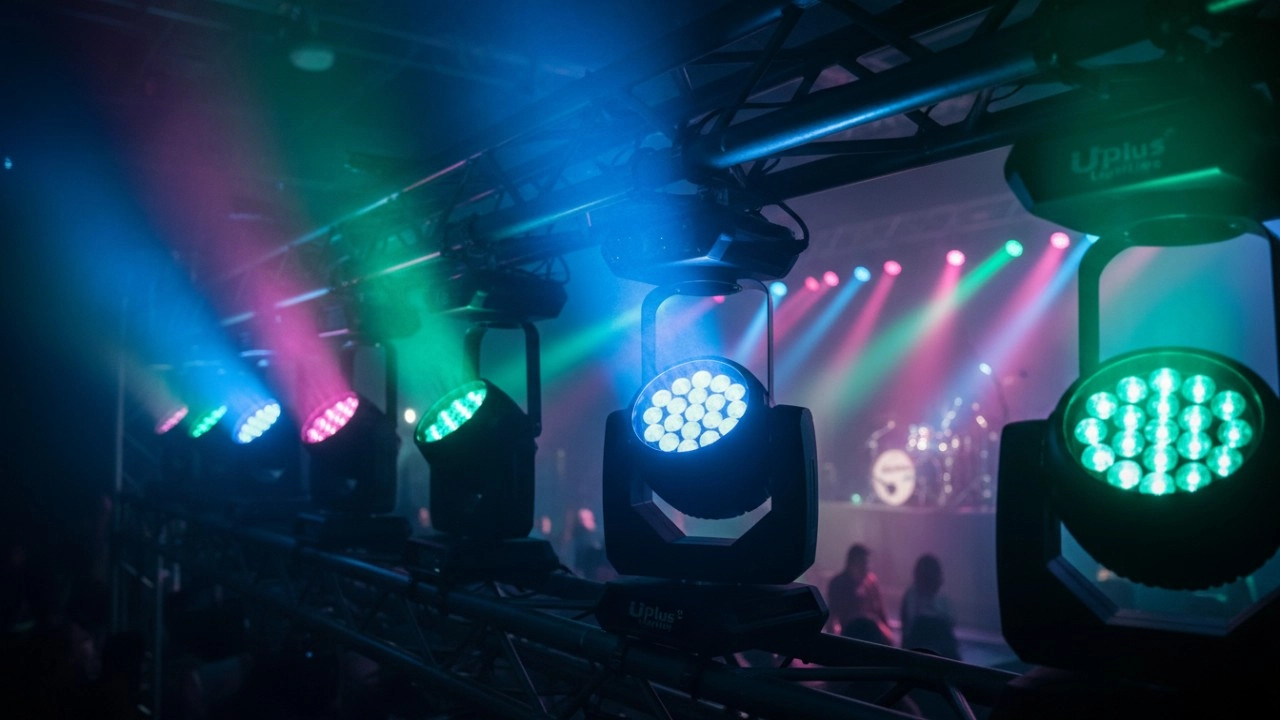
Uplus Lighting core products include moving head lights, strobe lights, led battery lights, static lights, led theatre lights, led follow spot light, stage effect lights, and laser lights. Their product lines include LED moving beam head units designed to offer competitive lumen output, robust cooling, and serviceable modular designs targeted at rental and theatre markets. When comparing vendors, Uplus emphasizes:
- Competitive photometric performance for power draw
- Modular component design for field service
- Export experience and compliance with international shipping and safety norms
These factors matter when you evaluate lifecycle costs and ROI for LED upgrades. If you are considering a large retrofit or fleet purchase, look for documented case studies (photometric tests, long-term service records) and request performance data for your typical show profiles.
Practical Recommendations and Next Steps
Run an on-site audit
I recommend measuring existing fixture power draw, collecting run-hour records for typical events, and auditing lamp replacement history. This will allow a precise TCO model for your venue.
Request data sheets and IES files
Ask suppliers for measured photometric files, measured input power under typical modes (not only max specs), and L70/L80 lifetime figures. Cross-check claims against independent tests where possible.
Plan for spares and service
Factor in spare parts, trained technicians, and a warranty/support agreement. For high-utilization fleets the right service support is as important as the initial CAPEX.
Frequently Asked Questions (FAQ)
1. How much energy does an led moving beam head stage light actually save?
Savings depend on the specific fixtures compared and your usage. A common real-world comparison is 400 W (LED) versus 1,200 W (discharge): ~0.8 kW saved per fixture. Multiply by hours of use and local kWh price to get annual saving. Use the sample calculation above to adapt to your numbers.
2. Are LED moving beam heads as bright as discharge-based units?
Many high-end LED moving beam head models can match or exceed apparent beam brightness for most applications, especially in medium to long throws. Always compare measured lux at your throw distances and photometric files rather than relying on lumen claims.
3. How long do LED moving beam heads last?
LED modules are commonly rated for 30,000–50,000 hours (L70/L80). This significantly reduces lamp replacement cycles compared with HID lamps that often require replacement every 750–2,000 hours depending on lamp type.
4. Will switching to LED moving heads reduce HVAC costs?
Yes—lower fixture power results in lower waste heat. For each kW of lighting power saved, you reduce roughly 3,412 BTU/hr of heat gain. Estimate your total fixture reduction and consult your HVAC engineer for detailed energy modeling.
5. What payback period should I expect?
Payback varies by usage profile. Using conservative assumptions, high-usage operations (1,000–2,000 hours/year) often see payback in 1–3 years due to energy and lamp savings. Low-usage venues may see longer payback. Use the ROI tables above with your local electricity price and run-hours.
6. How should I choose between vendors?
Compare measured photometric data, verified power draw, warranty and service terms, and references from similar venues. Consider manufacturers with experience exporting and supporting international clients if your operation requires that capability.
If you'd like specific ROI calculations using your venue's run-hours and electricity price, or photometric comparisons between fixtures, contact me or view product specs from manufacturers like Uplus Lighting. For inquiries or quotes, reach out to Uplus Lighting: they can provide datasheets, IES files, and OEM/custom development support to fit professional touring, theatre, and broadcast needs.
Contact / View Products: For product lines, demos, and technical consultation, visit Uplus Lighting or contact their sales team to request IES files and service options suitable for your lead times and project scope.
Weatherproofing and IP Ratings for Outdoor LED Stage Light Bars
DMX vs Wireless Control for LED DJ Moving Head Strobe Lights
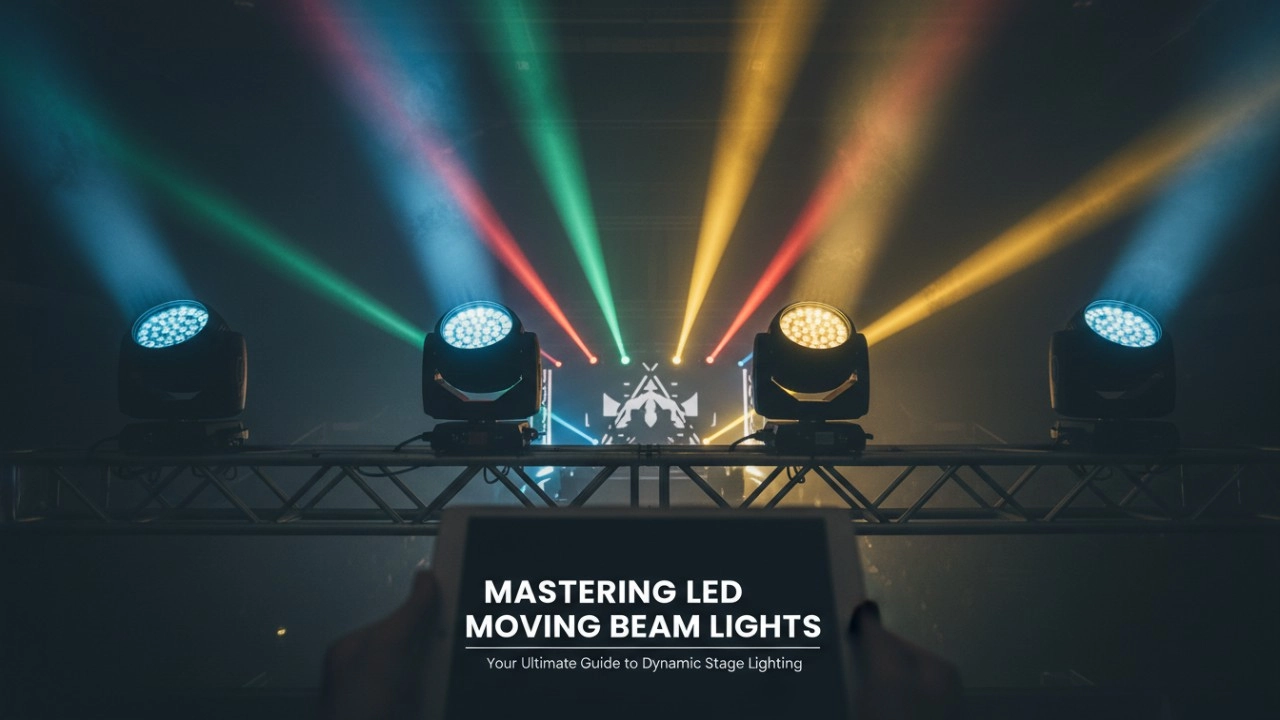
2026 Ultimate Guide: Best LED Moving Beam Lights for Every Budget [Buyer’s Guide]
The Definitive 2026 LED Par Light Handbook: From Pro Stage Setup to DMX Control
IP Mini Blinder
Can the strobe mode and frequency be customized?
Supports multiple mode switching, with flexible frequency adjustment to suit different environments.
IP-BL05
Can I customize animated patterns or text?
It supports preset text, patterns, and light and shadow effects. No complicated operations are required; switching is as simple as one click.
Hospitality
Can the lighting effects be adjusted according to the needs of different time periods?
Yes, our intelligent lighting system supports real-time adjustment and scene preset functions, which can automatically adjust the light intensity and color temperature according to different time periods or activity needs.
IP-BL300
What is the power supply method? Does it require a dedicated power supply?
It uses a professional power supply interface, supporting standard power supply standards for conventional high-power equipment. No dedicated power supply is required, making it suitable for the standard power supply environment of performances and events.
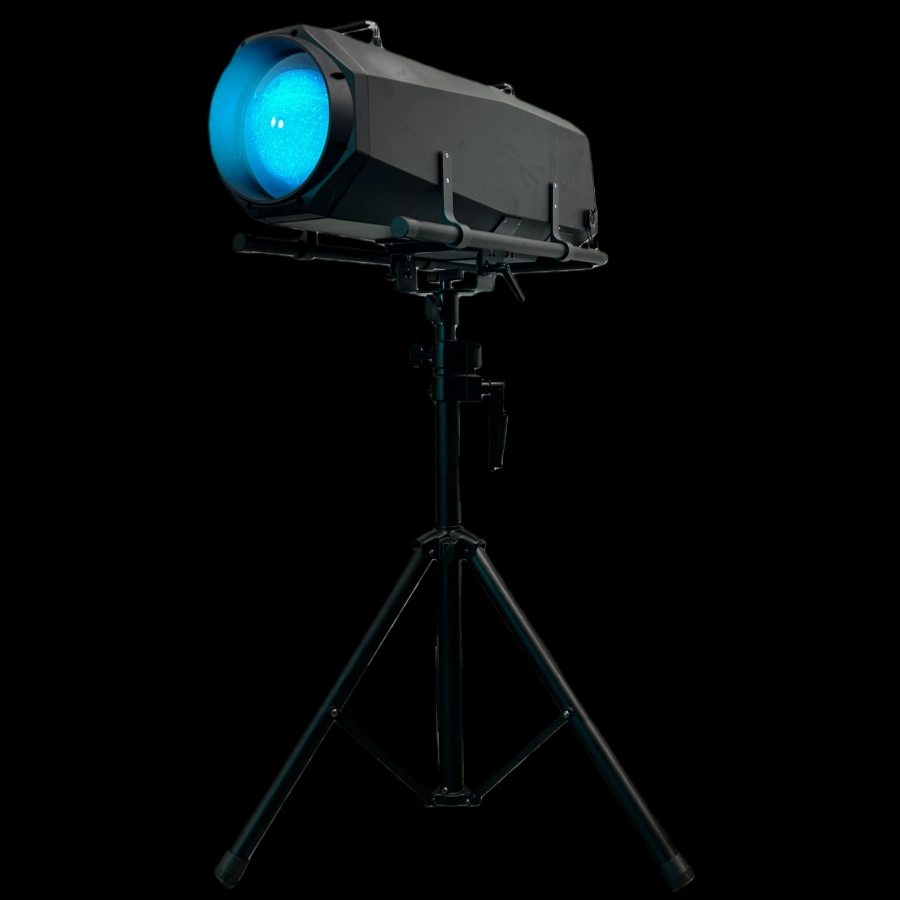
This 1200W waterproof LED follow spotlight with iris adjustment features strong light penetration, precise focusing, and smooth dimming with strobe effects.
Its rain- and dust-resistant design makes it suitable for outdoor performances, concerts, architectural lighting, and other applications. The LED light source boasts a long lifespan and stable, durable operation.
The Waterproof 1200W LED Follow Spot Light with Rotating Gobo features a rotating pattern sheet, delivering a powerful 1200W output for clear, focused beams and precise light tracking. Waterproof for outdoor use in all scenarios, the rotating pattern creates rich visual layers, making it ideal for large-scale indoor and outdoor performances, music festivals, light shows, and other events requiring focused attention and stage effects.
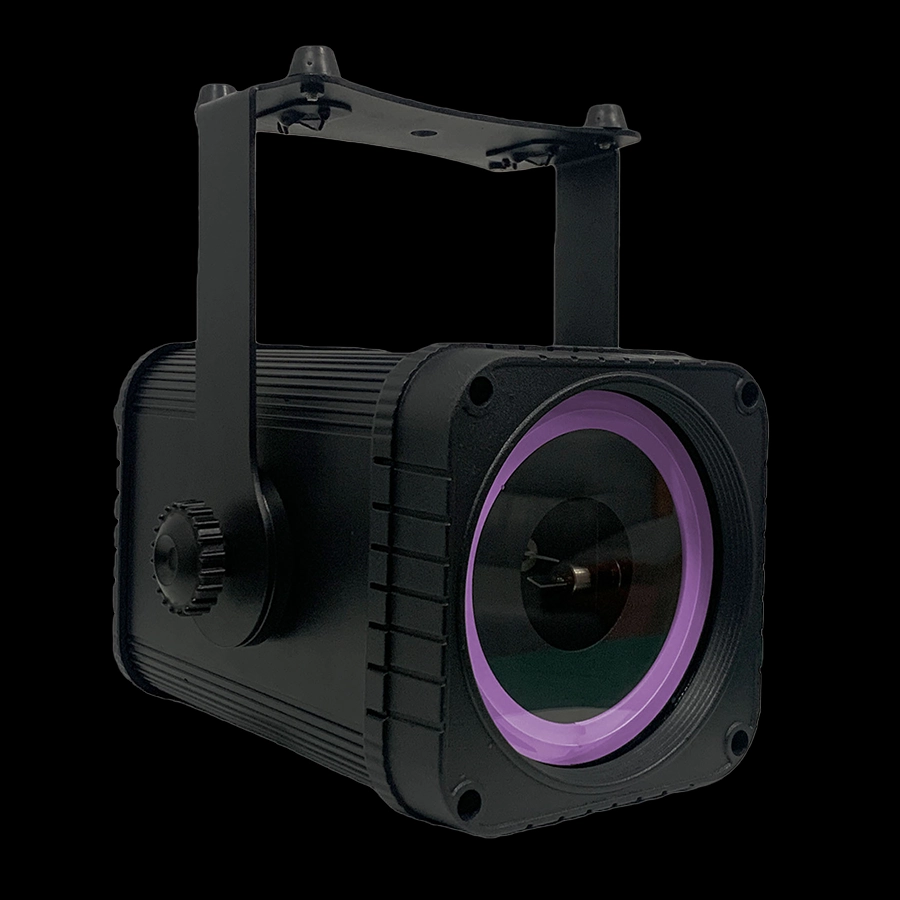
This IP65 waterproof 3W RGB animation laser battery light features an IP65 waterproof and dustproof design, making it suitable for both outdoor and indoor use. It supports rich RGB color combinations and dynamic animation effects, delivering a clear and fluid beam that can display text, patterns, and flowing light and shadow, among other visual representations.
Powered by a built-in battery, it requires no external power source, making it portable, easy to deploy, and simple to operate. Ideal for festive decorations, creating a garden atmosphere, and adding a touch of elegance to small events, it's energy-efficient, durable, and creates a truly immersive ambiance.
This IP65 waterproof 5W RGB animation laser battery light features an IP65 waterproof and dustproof design, making it suitable for both outdoor and indoor use. It supports rich RGB color combinations and dynamic animation effects, delivering a clear and fluid beam that can display text, patterns, and flowing light and shadow, among other visual representations.
Powered by a built-in battery, it requires no external power source, making it portable, easy to deploy, and simple to operate. Ideal for festive decorations, creating a garden atmosphere, and adding a touch of elegance to small events, it's energy-efficient, durable, and creates a truly immersive ambiance.
If you have any comments or good suggestions, please leave us a message, later our professional staff will contact you as soon as possible.
Lighting Innovators
Uplus Lighting is a leading integrated company specializing in R&D, design, production, and sales of stage lighting solutions.
 Scan QR Code
Facebook
Instagram
YouTube
VK