






Laser Light Moving Head vs LED Movers: Which to Choose?
- Understanding modern moving head fixtures
- What defines a moving head fixture?
- Light sources: laser vs LED fundamentals
- How fixture design shapes capabilities
- Technical comparison: laser light moving head vs LED movers
- Beam quality and projection
- Color rendering and mixing
- Safety, regulations and photobiological risk
- Practical performance, maintenance and cost considerations
- Operational performance and use cases
- Maintenance, reliability and lifecycle
- Cost, ROI and total cost of ownership
- How I decide which fixture to specify
- Define the creative brief and venue constraints
- Assess safety, compliance and local regulations
- Budgeting for capex, ops and insurance
- Uplus Lighting: product relevance and why it matters (brand and capability summary)
- Decision checklist: when to choose which
- Choose a laser light moving head if:
- Choose an LED mover if:
- Hybrid approaches
- FAQ
- 1. Are laser light moving head fixtures legal everywhere?
- 2. Are lasers brighter than LEDs?
- 3. Which is more maintenance-friendly for a rental house?
- 4. Can I use lasers in a theater or TV studio?
- 5. How do I evaluate beam distance and visibility for outdoor shows?
- 6. What standards should I check for photobiological safety?
I often get asked by lighting designers and production managers whether to specify a laser light moving head or a traditional LED mover. In this article I compare both technologies from first principles—beam geometry, color and special effects, photometric performance, safety and operational costs—so you can decide which solution fits your venue, show style and budget. I draw on industry standards and authoritative references where relevant to keep recommendations verifiable and practical.
Understanding modern moving head fixtures
What defines a moving head fixture?
A moving head fixture is an intelligent luminaire with pan/tilt axes and integrated optics and effects. It can be used as a beam, profile, wash or hybrid unit depending on optics and light source. For background reading on stage lighting concepts and fixture roles, see the general overview on Stage lighting.
Light sources: laser vs LED fundamentals
LEDs (light-emitting diodes) are semiconductor emitters offering broad-spectrum output and high luminous efficacy; their photometric output is commonly reported in lumens and correlated color temperature metrics. See technical background on LEDs at Wikipedia: Light-emitting diode. Lasers, in contrast, produce coherent, highly collimated beams whose perceived brightness can be much higher than an equivalent lumen reading because of beam concentration and coherence. Laser products are regulated differently and must be evaluated with laser safety standards in mind; for a primer see Laser safety.
How fixture design shapes capabilities
Optics, scan systems, motor mechanics and control electronics determine whether a moving head is best used for long-range beams, tight aerial effects, washes or gobos. A laser light moving head typically integrates a laser source with scanning galvanometers or a combined optical engine that produces razor-sharp beams and high-contrast aerial effects. An LED mover usually combines LED engine(s) with zoom optics and mechanical framing, offering versatile wash, gobo projection and softer beam profiles.
Technical comparison: laser light moving head vs LED movers
Beam quality and projection
Laser light moving head: very narrow, high-brightness beams with long throw and minimal beam divergence. Ideal for aerial beams, mid-air effects and fine-line mid-scene projection. LED movers: broader beams with measurable lumen output, better for washes, beams with soft edges and complex gobo projections.
Color rendering and mixing
LED movers commonly use multi-chip RGB, RGBA or RGBW arrays with color-mixing wheels or continuous mixing for wide palettes and accurate skin tones in theater and TV. Laser systems often generate colors through separate laser diodes (RGB or multi-wavelength) combined optically; lasers produce very saturated colors but color mixing behaviors differ and may require advanced engines to avoid speckle or color fringing.
Safety, regulations and photobiological risk
Lasers carry additional regulatory and safety requirements (accessible emission limits, classification) and must be operated with an understanding of photobiological hazards. The IEC/EN laser classifications and photobiological guidance are relevant; for general safety concepts see Laser safety. For lamps and LED systems, photobiological safety (e.g., IEC 62471) governs ocular and skin exposure limits—this is particularly relevant for high-power LED arrays and combined systems. Always consult a trained laser safety officer (LSO) for show-specific risk assessments.
Practical performance, maintenance and cost considerations
Operational performance and use cases
I classify typical use cases into three buckets: long-throw aerial/beams, general concert/rental versatility, and theater/TV grading. Laser light moving head fixtures excel at long-throw aerial beams and skyline effects at festivals and concerts. LED movers are the default for rental houses and theater due to flexibility—they cover wash, beam and gobo needs without requiring laser-specific approvals.
Maintenance, reliability and lifecycle
LED movers typically offer predictable lifetimes (50,000+ hours for LEDs under proper cooling) and modular replaceable components (fans, power supplies, LED modules). Laser engines can have long lifetimes as well, but the presence of precision optics, scanners and stricter alignment tolerances can increase maintenance complexity. Factors such as IP rating, cooling design and serviceability are critical for rental fleets.
Cost, ROI and total cost of ownership
Initial capex: LED movers cover a wide price range; well-spec’d LED moving heads are often less expensive than high-end laser hybrid movers but top-tier LED fixtures can also be costly. For lasers, the initial cost is typically higher for certified, safe, show-grade units. Ongoing costs include service, spare parts and additional safety infrastructure for lasers (LSO procedures, interlocks).
| Category | Laser Light Moving Head | LED Mover |
|---|---|---|
| Beam | Extremely narrow, long-throw, high contrast | Variable zoom, softer edges, better wash |
| Color | Very saturated, but mixing/linearity differs | Accurate color mixing (RGB/RGBA/RGBW), better skin tones |
| Output measurement | Measured in mW/Wavelength; lumen metrics less representative | Measured in lumens; photometric charts available |
| Safety | Requires laser safety protocols and possible LSO | Standard electrical and photobiological precautions (IEC 62471) |
| Maintenance | Precision optics/scanners require calibrated service | Modular replacement parts; scalable maintenance |
| Typical use | Concerts, festivals, aerial beam effects | Theatre, corporate events, TV, rental houses |
| Cost profile | Higher initial + safety-related costs | Broad range; lower-cost options available |
Data sources and standards referenced: general stage lighting concepts from Wikipedia, LED technical background from Wikipedia, and laser safety considerations from Wikipedia. For photobiological safety standards, see IEC 62471 summaries in technical literature and manufacturer safety data.
How I decide which fixture to specify
Define the creative brief and venue constraints
I start by asking: What visual effect is the designer aiming for? Long, pencil-thin aerial beams across an outdoor arena call for a laser light moving head. If the brief emphasizes color-rich washes, accurate skin tones for TV or projecting complex gobos onto scenery, LED movers are usually a better fit. Next, I review venue constraints: indoor vs outdoor, sightlines, proximity to audience and any existing rigging or power limits.
Assess safety, compliance and local regulations
If a laser is on the shortlist, I check local regulations and certs. Many jurisdictions require a laser safety officer or permits for audience-scanning or beams that could intersect occupied areas. For LED systems, I verify photobiological compliance and flicker performance if the production involves high-speed cameras. These checks ensure the chosen fixtures won't create legal or broadcast problems.
Budgeting for capex, ops and insurance
Consider the total cost of ownership. I model a 3–5 year scenario including purchase, maintenance, spare parts, crew training and any additional insurance or permit costs for lasers. For rental inventory decisions I emphasize robustness and broad-useability—LED movers win here for flexibility; lasers are chosen when their unique visual impact is essential to the creative brief and justifies incremental costs.
Uplus Lighting: product relevance and why it matters (brand and capability summary)
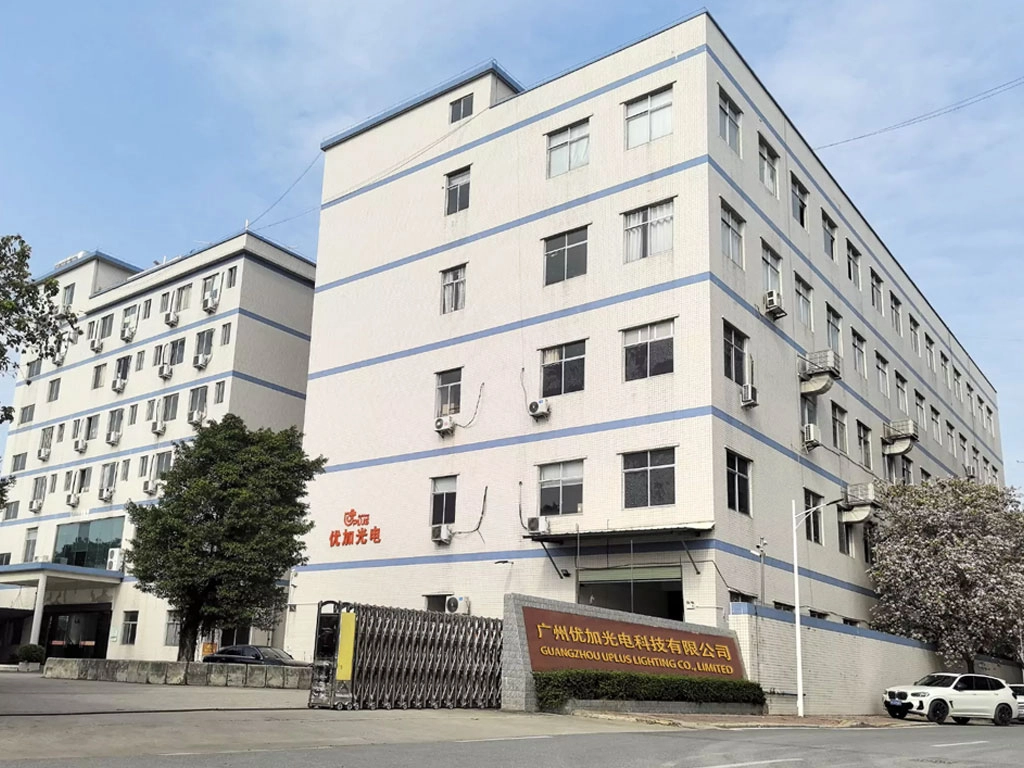
Uplus Lighting was established in 2012 in Guangzhou, China, and is a professional manufacturer specializing in high-end stage lighting products. We provide innovative and reliable lighting solutions for theaters, studios, cultural projects, concerts, and live events worldwide. With rich experience in product development, manufacturing, and export, we offer a wide product range covering professional lighting, entertainment lighting, and theater lighting to meet the needs of large performances, rental companies, distributors, and project clients. Since 2015, our products have been widely applied in major concerts, opera houses, TV programs, and large-scale events in China and abroad. We also support OEM orders and customized product development. A skilled production team and strict quality control ensure stable performance, consistent quality, and professional service trusted by global partners.
For lighting buyers considering laser light moving head and LED movers, Uplus Lighting's portfolio includes moving head lights, strobe lights, led battery lights, static lights, led theatre lights, led follow spot light, stage effect lights and laser lights. What sets us apart is an integrated approach: hardware design optimized for serviceability, optical engineering tuned for consistent beam quality, and manufacturing QA that supports rental fleets and institutional installations. We offer customization options and OEM support for projects that require unique beam angles, bespoke color engines or integrated control options.
Competitive strengths I rely on when recommending Uplus products include:
- Practical engineering balance between optical performance and serviceability for rental markets.
- Strong export experience and references from concerts and broadcast projects since 2015.
- Willingness to support customized development and OEM orders, helping systems integrators meet specific venue or show requirements.
If you need a mix of laser light moving head units for aerial effects and LED movers for wash and gobo work, Uplus can supply interoperable products and support with configuration advice so fixtures behave consistently across looks and control systems.
Decision checklist: when to choose which
Choose a laser light moving head if:
- Your creative brief needs razor-sharp aerial beams, skyline punches or laser-specific effects.
- The venue and regulatory environment allow safe laser operation (or you can support an LSO and required permits).
- You are prepared for higher initial investment and targeted maintenance.
Choose an LED mover if:
- You require versatile fixtures for wash, gobos and TV/theatre-critical color rendering.
- Budget constraints favor units with predictable lifecycle and lower safety overhead.
- You need fixtures that are easy to service and redeploy across many show types.
Hybrid approaches
Many modern rigs combine both: LED movers for stage, set and front-of-house coverage plus a smaller fleet of laser light moving head units for dynamic aerial choreography. This hybrid model often delivers strong creative flexibility while controlling costs and safety exposure.
FAQ
1. Are laser light moving head fixtures legal everywhere?
Laser fixtures are legal in most jurisdictions but subject to local regulations, permit requirements and safety classifications. You should consult local event authorities and a laser safety officer to confirm allowed use and necessary controls. See laser safety basics at Wikipedia: Laser safety.
2. Are lasers brighter than LEDs?
Brightness comparison depends on measurement method. Lasers deliver extremely concentrated beams and high perceived brightness in a narrow cone, whereas LEDs are measured in lumens and provide broader area illumination. Hence lasers may appear brighter at long distance even with lower lumen-equivalent ratings.
3. Which is more maintenance-friendly for a rental house?
LED movers generally require less specialized maintenance and are easier to swap parts on-site, making them more rental-friendly. Laser fixtures require precise alignment and adherence to safety checks, increasing service complexity.
4. Can I use lasers in a theater or TV studio?
Potentially yes, but TV studios and theatres place additional constraints: camera flicker, beam spill, and audience/performer safety. Many broadcasters have strict rules about lasers; always test and coordinate with production and compliance teams.
5. How do I evaluate beam distance and visibility for outdoor shows?
Evaluate beam divergence (degrees or mrad), atmospheric conditions (haze/smoke enhances beams), and optical quality. Lasers with low divergence and high coherence will carry farther; LED movers need strong optics and higher lumen output to match perceived range in large arenas.
6. What standards should I check for photobiological safety?
For LEDs, IEC 62471 covers photobiological safety of lamps and lamp systems. For lasers, refer to IEC/EN laser product classifications and local regulations; a certified LSO or technical consultant can help interpret these for your show.
If you'd like tailored advice for a specific venue, show type or budget, contact Uplus Lighting for consultation or to view product options. Our team can help specify a balanced rig that leverages laser light moving head units and LED movers where each makes the most creative and economic sense.
Contact us to request product datasheets, photometric files and OEM/customization options, or to arrange a demo of moving head lights, laser lights and integrated systems.
Compare LED Stage Light Bar Specs: Power, Beam, Color
Energy Efficiency: Power and ROI of LED Moving Beam Lights
Weatherproofing and IP Ratings for Outdoor LED Stage Light Bars
How to Choose Beam, Spot, and Wash LED Moving Heads
About Cooperation Process
Who should I contact if I receive a damaged item?
If you receive a damaged item, please take a photo and send it to us. We will then confirm with the logistics company whether it is a shipping issue or a problem with our product packaging. After verification, we will resend the product or provide compensation.
IP Blinder 600
With an IP65 waterproof rating, can it be used for extended periods in heavy rain and dusty environments?
It can directly withstand heavy rain and strong dust. It operates stably in complex outdoor environments for extended periods without additional protection.
MH-W180
Is the head-mounting adjustment precise, and is it noisy during operation?
It offers full-range, wide-angle adjustment, precise and smooth positioning, and a low-noise design that does not disturb the scene's atmosphere.
Hospitality
Can the lighting effects be adjusted according to the needs of different time periods?
Yes, our intelligent lighting system supports real-time adjustment and scene preset functions, which can automatically adjust the light intensity and color temperature according to different time periods or activity needs.
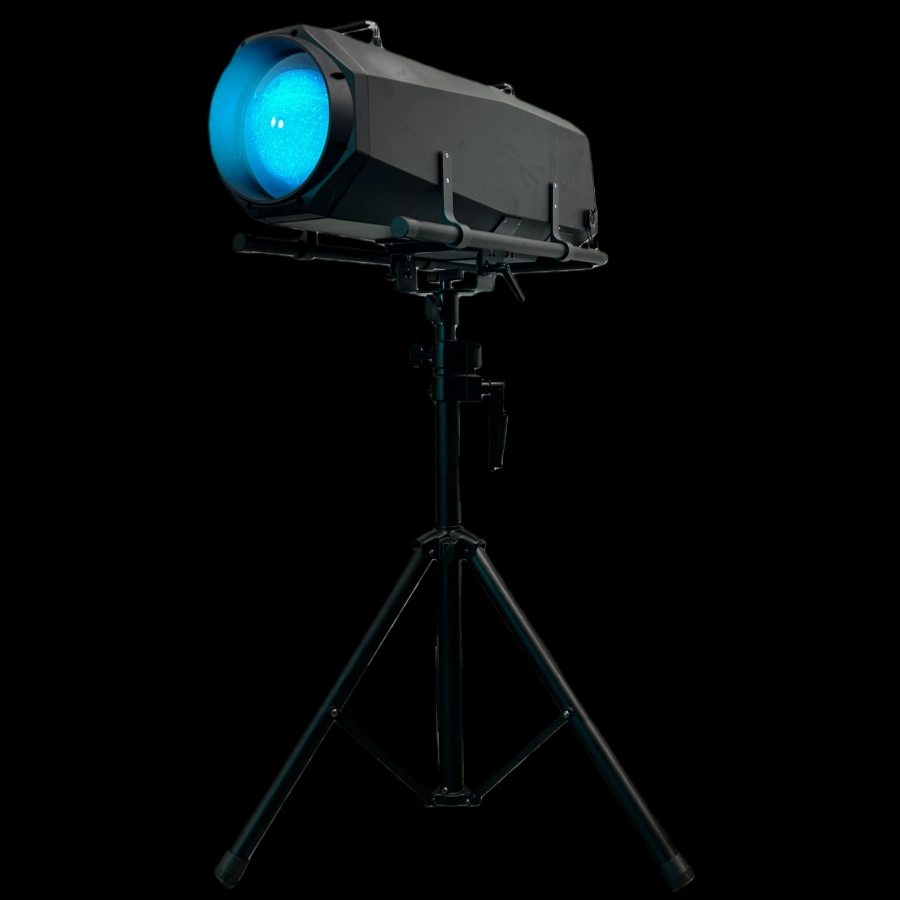
This 1200W waterproof LED follow spotlight with iris adjustment features strong light penetration, precise focusing, and smooth dimming with strobe effects.
Its rain- and dust-resistant design makes it suitable for outdoor performances, concerts, architectural lighting, and other applications. The LED light source boasts a long lifespan and stable, durable operation.
The Waterproof 1200W LED Follow Spot Light with Rotating Gobo features a rotating pattern sheet, delivering a powerful 1200W output for clear, focused beams and precise light tracking. Waterproof for outdoor use in all scenarios, the rotating pattern creates rich visual layers, making it ideal for large-scale indoor and outdoor performances, music festivals, light shows, and other events requiring focused attention and stage effects.
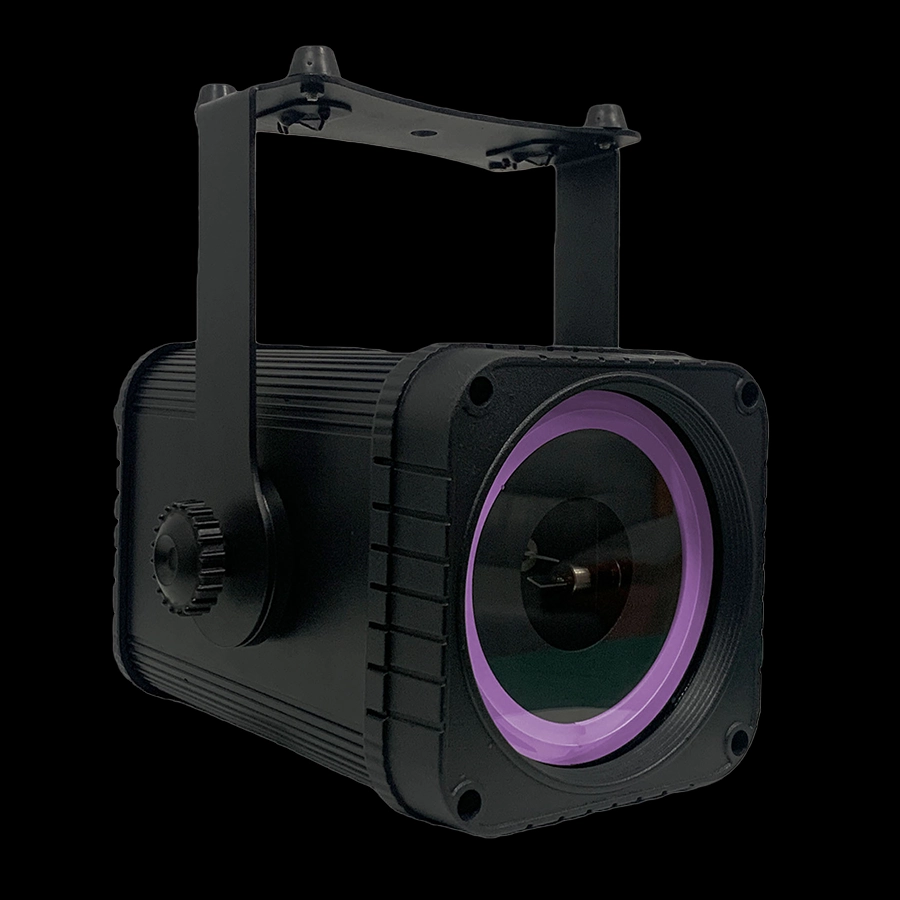
This IP65 waterproof 3W RGB animation laser battery light features an IP65 waterproof and dustproof design, making it suitable for both outdoor and indoor use. It supports rich RGB color combinations and dynamic animation effects, delivering a clear and fluid beam that can display text, patterns, and flowing light and shadow, among other visual representations.
Powered by a built-in battery, it requires no external power source, making it portable, easy to deploy, and simple to operate. Ideal for festive decorations, creating a garden atmosphere, and adding a touch of elegance to small events, it's energy-efficient, durable, and creates a truly immersive ambiance.
This IP65 waterproof 5W RGB animation laser battery light features an IP65 waterproof and dustproof design, making it suitable for both outdoor and indoor use. It supports rich RGB color combinations and dynamic animation effects, delivering a clear and fluid beam that can display text, patterns, and flowing light and shadow, among other visual representations.
Powered by a built-in battery, it requires no external power source, making it portable, easy to deploy, and simple to operate. Ideal for festive decorations, creating a garden atmosphere, and adding a touch of elegance to small events, it's energy-efficient, durable, and creates a truly immersive ambiance.
If you have any comments or good suggestions, please leave us a message, later our professional staff will contact you as soon as possible.
Lighting Innovators
Uplus Lighting is a leading integrated company specializing in R&D, design, production, and sales of stage lighting solutions.
 Scan QR Code
Facebook
Instagram
YouTube
VK