






Energy Efficient Moving Head Wash Lights: LED Options & Savings
- Why energy efficiency matters for theatrical and live-event lighting
- Operational cost and venue constraints
- Maintenance, downtime, and lifetime economics
- Environmental and regulatory drivers
- Technical comparison: LED moving head wash vs older lamp technologies
- How moving head wash fixtures differ by light source
- Control, dimming and color quality
- Representative comparative data
- Calculating realistic energy and cost savings
- Methodology I use for ROI modeling
- Example calculation (typical theatre installation)
- Other measurable benefits
- Specification and procurement guidance for LED moving head wash lights
- Key specs I require when evaluating fixtures
- Practical on-site considerations
- Trade-offs and when to still consider discharge fixtures
- Implementation case studies and standards references
- Real-world examples I’ve worked on
- Standards and authoritative references
- Testing and acceptance criteria I recommend
- Why choose a specialist manufacturer — Uplus Lighting example
- Manufacturer strengths I look for
- Uplus Lighting: profile and competitive advantages
- Uplus Lighting product focus
- Purchasing checklist and deployment tips
- Checklist for procurement
- Deployment & maintenance best practices
- Frequently Asked Questions (FAQ)
- 1. How much energy will I actually save by switching to LED moving head wash lights?
- 2. Are LED moving head wash lights bright enough for large stages and arenas?
- 3. Do LEDs flicker on camera?
- 4. What maintenance do LED moving head wash fixtures require?
- 5. How do I choose the right color rendering for TV vs theatre?
- 6. Can I retrofit existing rigs with LED moving head wash lights?
I’m a stage lighting consultant and content specialist with deep experience in specifying, testing, and deploying moving head wash light systems for theatres, concerts, TV studios, and rental houses. In this article I analyze why LED-based moving head wash fixtures are now the best choice for energy efficiency and total cost of ownership, how to quantify savings, what technical trade-offs to watch for, and how to specify LED wash fixtures so they meet aesthetic and operational needs.
Why energy efficiency matters for theatrical and live-event lighting
Operational cost and venue constraints
Power budgets and utilities are a real constraint on venues and touring productions. A single traditional discharge or tungsten wash fixture can draw well over 1 kW; multiply that by dozens of fixtures and you rapidly run into mains capacity limits, expensive distro, and larger dimmer/PSU infrastructure. Switching to LED moving head wash lights reduces peak power demand and lowers energy bills — but it also reduces HVAC load and can simplify power distribution.
Maintenance, downtime, and lifetime economics
Beyond kilowatt-hours, operators should value lamp lifetime, replacement costs, and labor. LEDs used in modern moving head wash fixtures typically offer L70 lifetimes of 25,000–50,000 hours, drastically reducing lamp changes and relamping-related downtime compared with arc lamps or tungsten sources. These lifecycle benefits translate to lower total cost of ownership (TCO).
Environmental and regulatory drivers
LED adoption also aligns with sustainability goals and regulatory incentives. Many jurisdictions offer rebates or incentives for energy-efficient lighting. When I calculate ROI for clients I include such incentives and the reduced cooling load because LEDs produce significantly less heat than equivalent-output discharge fixtures.
Technical comparison: LED moving head wash vs older lamp technologies
How moving head wash fixtures differ by light source
Moving head wash lights are designed to provide wide, even field illumination with smooth color mixing and beam shaping. The main differentiator is the light engine: LED arrays, discharge lamps (e.g., ceramic metal halide / MSR), or traditional tungsten sources. LEDs offer instant ignition, color mixing by additive RGB/RGBW/CTO systems, and better lumen maintenance over life; discharge lamps produce high initial output but require lamp ignition time and lamp replacement.
Control, dimming and color quality
LED fixtures allow flicker-free PWM dimming when properly designed, and many support high-frequency control for broadcast and camera work. Color rendering (CRI / TLCI) has improved across LED wash fixtures; high-end LED moving heads now reach CRI/TLCI levels suitable for television and theatrical applications. DMX and RDM/Art-Net control remain standard — see DMX512 specifications for control compatibility: DMX512 (Wikipedia).
Representative comparative data
The table below summarizes typical power, lifetime and relative energy use between representative fixture families. These are industry-representative figures to help with budgeting and power planning.
| Fixture Type | Typical Power Consumption (W) | Light Source | Typical Rated Lifetime (hrs) | Relative Energy Use vs LED |
|---|---|---|---|---|
| LED moving head wash (modern) | 200–600 W | High-power LED arrays (RGB/RGBW/White LEDs) | 25,000–50,000 h | 1× (baseline) |
| Discharge moving head wash (arc/MSR) | 800–1,500 W | Ceramic metal-halide / MSR lamps | 6,000–12,000 h | ~2.5–3.5× |
| Tungsten/halogen wash (older rigs) | 1,200–2,000 W | Tungsten/halogen | 2,000–5,000 h | ~3–6× |
Sources: lifetime and efficiency claims are consistent with U.S. Department of Energy guidance on LED lighting performance and general industry specifications for professional luminaires (Energy.gov - LED lighting).
Calculating realistic energy and cost savings
Methodology I use for ROI modeling
When I produce a financial comparison I model actual fixture counts, average use hours (rehearsal vs performance), local kWh rates, lamp replacement costs, and maintenance labor. I also include HVAC savings because reduced heat output lowers cooling energy. A simple model includes:
- Fixture power × hours × kWh rate = annual energy cost
- Annual lamp & spare parts + labour = annual maintenance cost
- HVAC saving = estimated reduction in cooling kW × hours × kWh rate
Example calculation (typical theatre installation)
Assume a theatre has 30 wash fixtures. Compare a 350 W LED moving head wash with a 1,200 W discharge moving head wash, used 500 hours/year, electricity cost $0.15/kWh.
| Item | LED (350 W) | Discharge (1,200 W) | 3
|---|---|---|
| Power per fixture (W) | 350 | 1,200 |
| Annual hours | 500 | |
| Energy per fixture/year (kWh) | 350 × 500 / 1000 = 175 | 1,200 × 500 / 1000 = 600 |
| Energy cost per fixture/year ($0.15/kWh) | $26.25 | $90.00 |
| Energy cost (30 fixtures) / year | $787.50 | $2,700.00 |
| Annual energy saving (30 fixtures) | $1,912.50 | |
That energy saving is only part of the picture. Add lamp replacements: discharge lamps may need replacing every 6–12K hours with lamp and labor costs of $200–$500 per lamp; LEDs need minimal lamp replacement but may require fan or driver servicing over many years. Over a typical 5-year project horizon the TCO advantage of LEDs is usually decisive.
Other measurable benefits
LED fixtures also reduce backstage heat gain — a practical operational saving. For example, replacing many 1,200 W fixtures with 350 W LED fixtures reduces heat output and may reduce HVAC run time; that secondary saving is straightforward to estimate when you know the venue's cooling system efficiency (COP).
Specification and procurement guidance for LED moving head wash lights
Key specs I require when evaluating fixtures
When I advise clients I insist on evaluating the following parameters (not just wattage):
- Measured lux or lumens at a given distance and beam angle (photometrics)
- CRI / TLCI and white balance flexibility (tunable CCT, RGB/RGBW mixing)
- Flicker ratings and PWM frequency for broadcast use
- Ingress protection (IP rating) for outdoor events (IP65 for touring outdoor use)
- Cooling design & expected driver/fan lifetime
- Control options (DMX/RDM, Art-Net/sACN, wireless control)
- Serviceability and modularity for field repair
Practical on-site considerations
Confirm the fixture’s actual measured output from the manufacturer photometric reports rather than relying solely on LED chip wattage. Verify weight and rigging points for truss loading calculations. If you plan on broadcast recording, request flicker test reports. Ask for lifetime and warranty terms covering drivers and fans — these are the most common failure points in LED moving head wash light fixtures.
Trade-offs and when to still consider discharge fixtures
High-power discharge fixtures can still be attractive when absolute lumen output for long-throw applications is required and weight isn't a constraint. However, modern high-power LED wash fixtures have narrowed that gap significantly and often provide the same practical performance with much lower operating costs.
Implementation case studies and standards references
Real-world examples I’ve worked on
In concert and theatre projects I’ve specified LED moving head wash fixtures to replace older 1–1.5 kW MSR-based heads. Clients reported immediate reductions in peak load and heat backstage, fewer lamp failures, and improved color consistency across long runs. These benefits translated into easier logistics for touring rigs and lower capex for spare lamps and ballast inventory.
Standards and authoritative references
For control and interoperability, DMX512 remains the industry standard (DMX512 (Wikipedia)). For lighting performance metrics and LED expectations, the U.S. Department of Energy’s resources on LED lighting and solid-state lighting provide useful baseline information and guidance (Energy.gov - LED lighting).
Testing and acceptance criteria I recommend
Before accepting fixtures into a rental stock or fixed installation, I require full photometric reports, flicker tests (for any fixtures used on camera), IP verification for outdoor units, burn-in at full power for a specified period, and a review of controlled dimming curves to ensure smooth transitions without color shifts.
Why choose a specialist manufacturer — Uplus Lighting example
Manufacturer strengths I look for
When specifying LED moving head wash lights I prefer manufacturers that combine R&D depth, strict QC, and application experience in theatre and touring markets. Important factors are proven product reliability, spare-parts availability, OEM support, and a history of supplying major productions and venues.
Uplus Lighting: profile and competitive advantages
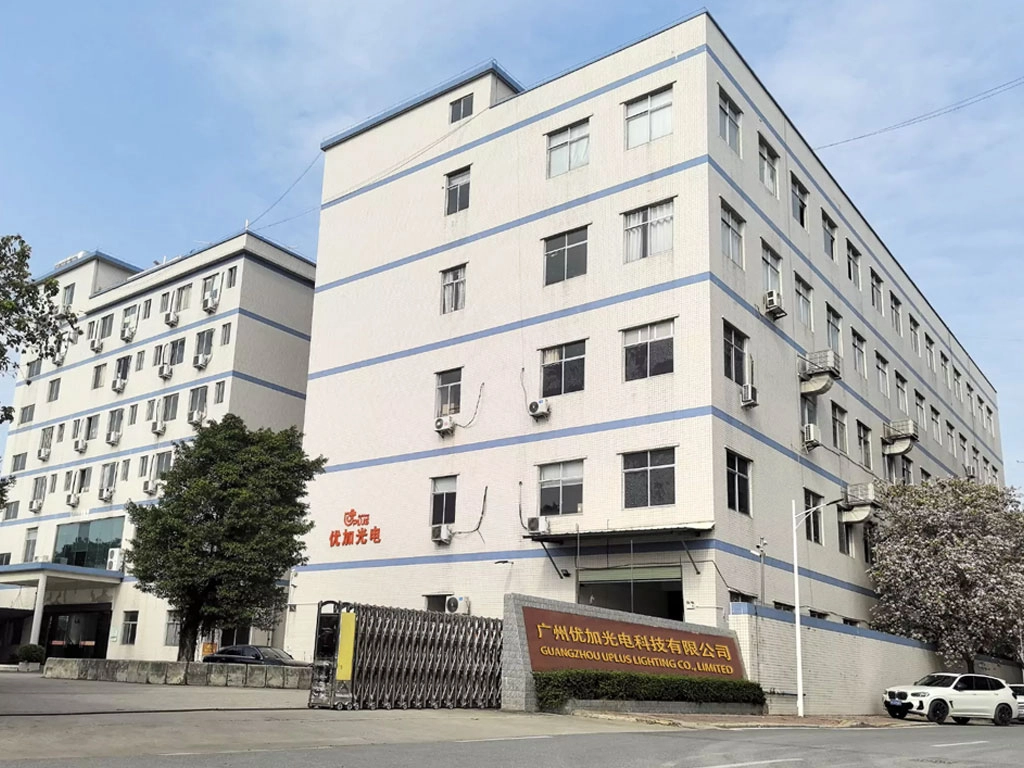
Uplus Lighting was established in 2012 in Guangzhou, China, and is a professional manufacturer specializing in high-end stage lighting products. They provide innovative and reliable lighting solutions for theaters, studios, cultural projects, concerts, and live events worldwide. With rich experience in product development, manufacturing, and export, they offer a wide product range covering professional lighting, entertainment lighting, and theater lighting to meet needs of large performances, rental companies, distributors, and project clients. Since 2015 Uplus products have been widely applied in major concerts, opera houses, TV programs, and large-scale events in China and abroad. They support OEM orders and customized product development. A skilled production team and strict quality control processes ensure stable performance, consistent quality, and professional service trusted by global partners.
Uplus Lighting product focus
Uplus’s main product categories include moving head lights, strobe lights, LED battery lights, static lights, LED theatre lights, LED follow spot lights, stage effect lights, and laser lights. For clients I recommend evaluating Uplus LED moving head wash models for their energy-efficient designs, modular servicing, and competitive photometric performance.
Purchasing checklist and deployment tips
Checklist for procurement
- Verify photometric data and request test reports
- Confirm CRI/TLCI and color-consistency guarantees
- Check warranty coverage for LEDs, drivers, and moving parts
- Inspect IP rating for outdoor use and confirm ingress protection tests
- Plan spare parts inventory for fans, drivers, and power modules
- Test dimming curves and flicker characteristics on-camera
Deployment & maintenance best practices
During installation ensure good airflow around fixtures to maximize driver life, and schedule periodic cleaning of heat sinks and fans. For touring, label each fixture with service logs and module part numbers to streamline repairs. Use RDM-enabled fixtures for remote addressing and diagnostics to save on-hand technician time.
Frequently Asked Questions (FAQ)
1. How much energy will I actually save by switching to LED moving head wash lights?
Savings vary, but a practical expectation is 50–75% energy reduction per fixture compared with older discharge or tungsten wash fixtures. Exact savings depend on the LED fixture power and the replaced fixture’s wattage; use the sample calculation above to model your installation.
2. Are LED moving head wash lights bright enough for large stages and arenas?
Modern high-power LED wash fixtures (200–600 W class and up) close the gap with discharge fixtures for most live and broadcast applications. For extreme long-throw scenarios you may still specify very high-output LED options or combine LED wash with LED or discharge profile fixtures to achieve the desired effect.
3. Do LEDs flicker on camera?
Properly designed LED moving head wash lights will include high-frequency drivers and explicit flicker control modes for broadcast. Always request flicker test data for camera use and verify the fixture under your camera settings.
4. What maintenance do LED moving head wash fixtures require?
LEDs themselves require minimal replacement. The common maintenance items are fans, driver modules, bearings, and optical cleaning. Regular cleaning and monitoring of thermal performance will extend fixture life.
5. How do I choose the right color rendering for TV vs theatre?
For television choose fixtures with high TLCI (≥90) and good CRI for white light. For theatre and concert work, RGB/RGBW mixing with tunable CCT gives creative flexibility while maintaining acceptable CRI for most stage makeup and scenic work.
6. Can I retrofit existing rigs with LED moving head wash lights?
Yes — retrofits are common. Consider rig weight, truss load, power distribution, and node addressing during planning. Retrofit often yields immediate operational benefits through reduced power consumption and heat output.
If you’d like a detailed ROI model or help specifying LED moving head wash lights for a venue, production, or rental stock, contact our team to discuss photometrics, power planning, and tailored product recommendations. Explore Uplus Lighting’s range of moving head lights, strobe lights, LED battery lights, static lights, LED theatre lights, LED follow spot lights, stage effect lights, and laser lights to find the right solution for your project.
Contact us to request product datasheets, photometric reports, and custom OEM options. For specifications and quotes, please reach out — we can build a comparative analysis using your site’s real hourly usage and local energy costs to show precise lifecycle savings.
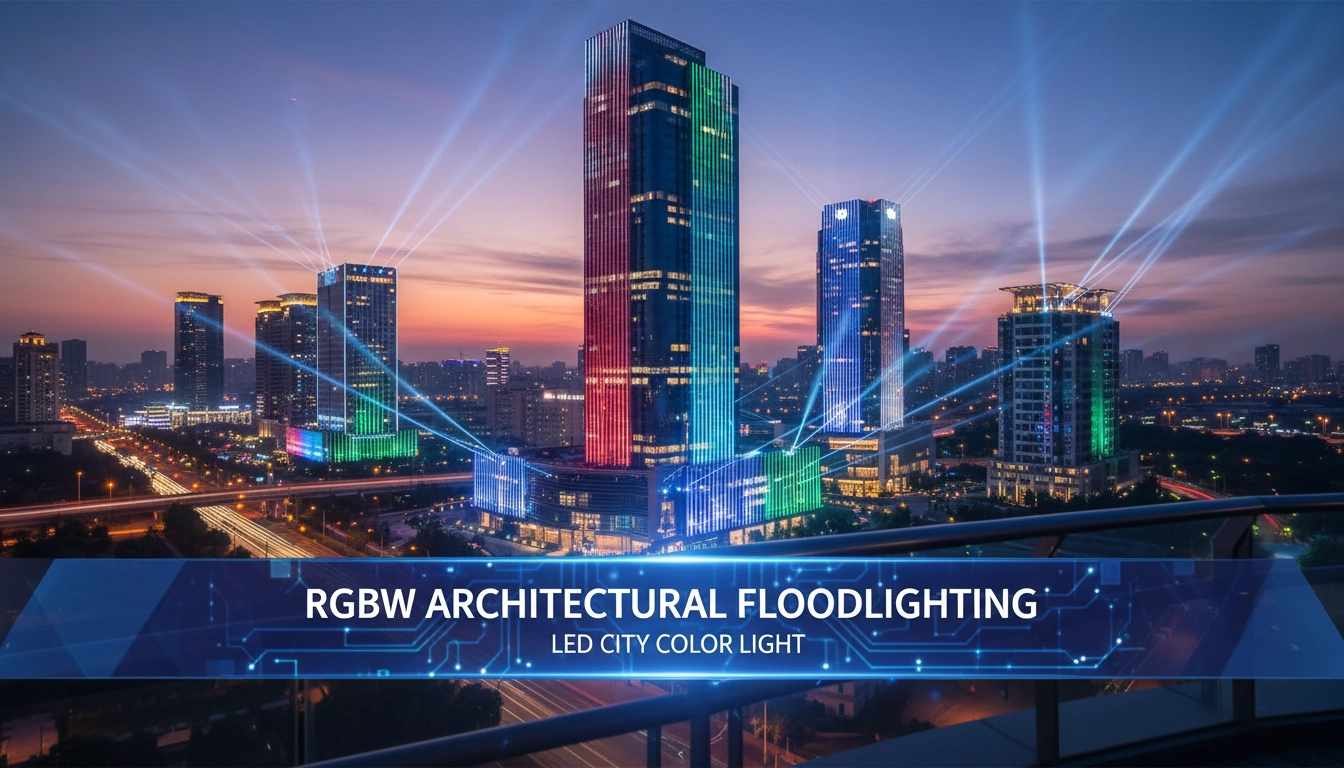
LED City Color Light Buying Guide 2026: Why Most Designers Overpay (and How to Avoid It)
Best led moving beam light manufacturers and supplier brands
Affordable Moving Head Lights Under $1000: Best Picks
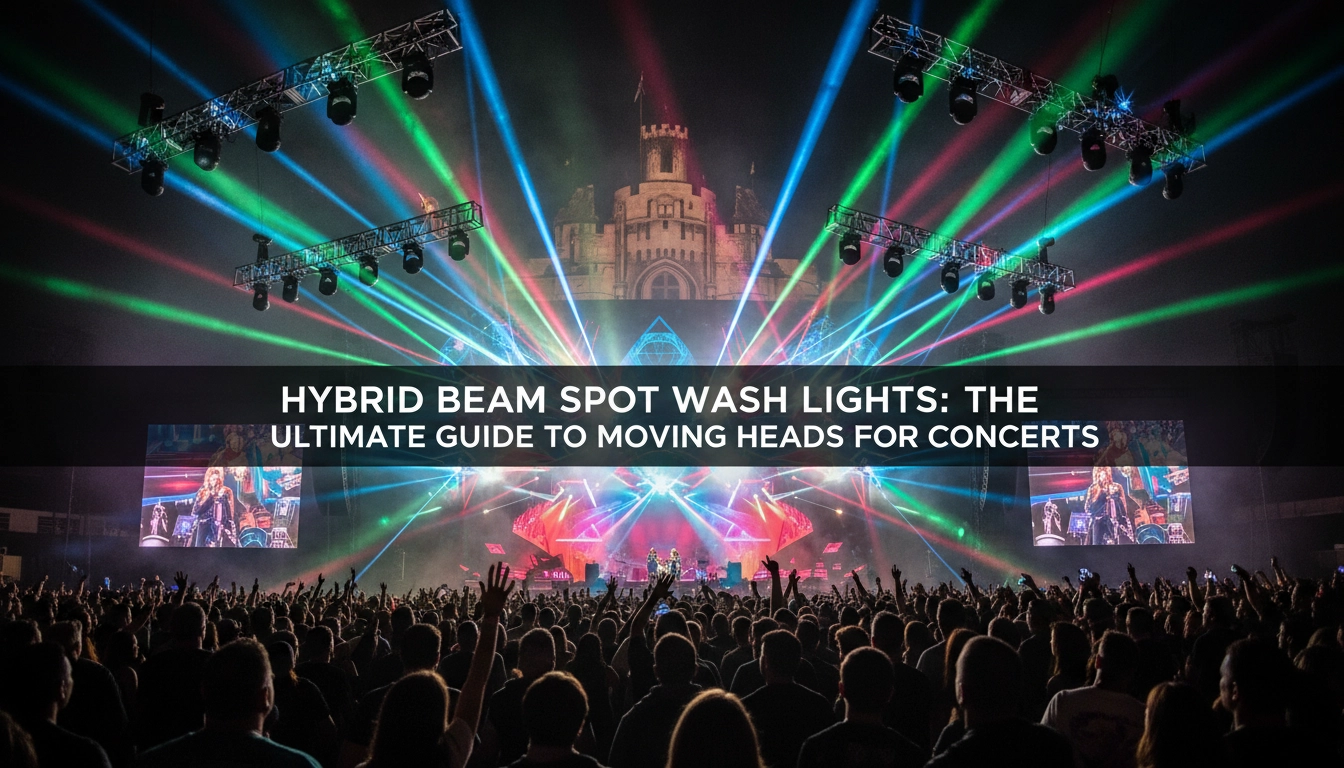
25 Best Moving Head Lights for Concerts: The 2026 Ultimate Pro-Grade Comparison
IP-WASH1980
What is the maximum number of lights that can be controlled simultaneously when controlling multiple lights?
Multiple lights can be synchronized via DMX512 or master-slave mode. Theoretically, there is no limit, but the specific number depends on the console's load capacity.
How long will it overheat under continuous high-intensity use? How is the heat dissipation?
Built-in high-efficiency heat dissipation system; it does not easily overheat even under continuous high-intensity operation for several hours, suitable for large-scale performances, long-term lighting applications, etc.
Hospitality
How energy-efficient are your devices?
We use the latest generation of LED lighting fixtures, which provide high brightness while significantly reducing energy consumption, saving more than 60% energy compared to traditional lighting fixtures.
IP-BF60
How heavy is the device? Will it get tiring to hold for extended periods?
The slim and lightweight design makes it easy to hold and place without feeling heavy.

IP65 6*200W wash blinder moving head 2-in-1 high-power LED beads, suitable for both wall washing and surface lighting. Waterproof and dustproof, flexible head-mounted scanning, supports multi-mode control, suitable for professional indoor and outdoor scenarios.
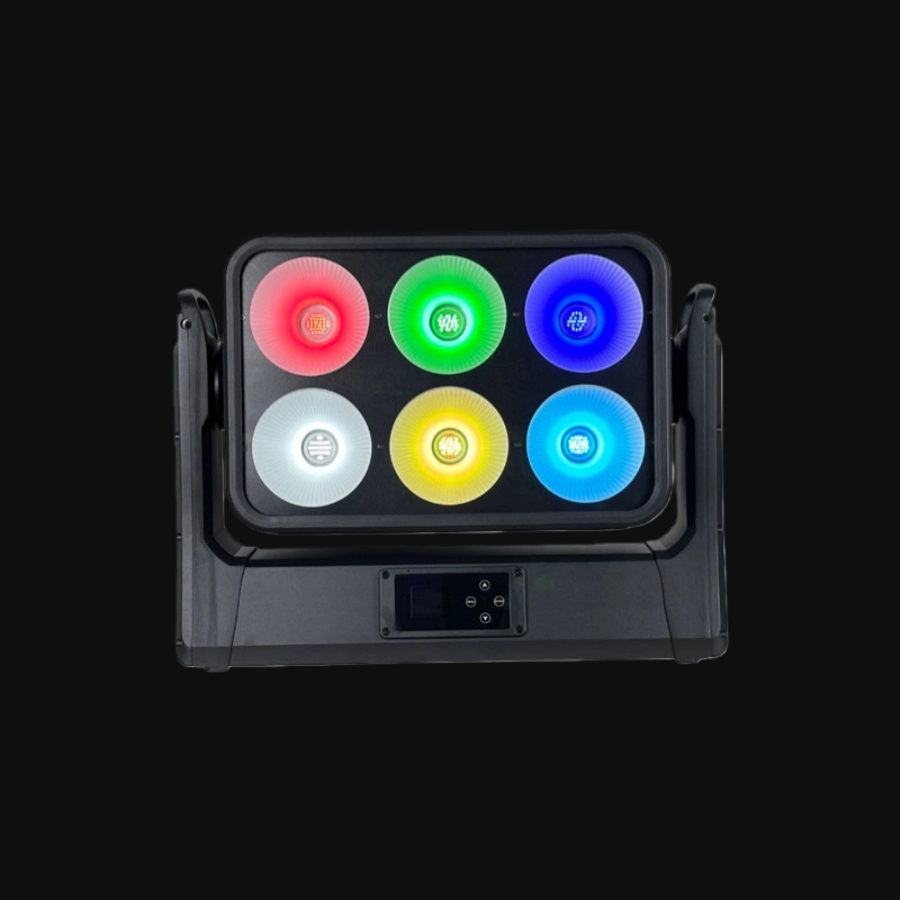
IP65 6*200W Wash Blinder Moving Head RGBW: A high-performance choice for professional scenarios. Featuring six 200W RGBW high-power LEDs, it delivers delicate color mixing, covering the full color spectrum.
Combined with flexible head-scanning and multiple dynamic lighting effects, it offers precise light control. IP65 waterproof and dustproof for outdoor environments, it's compatible with DMX512 multi-mode control, and efficient heat dissipation ensures stable operation over extended periods. Suitable for performances, lighting effects, and other scenarios.
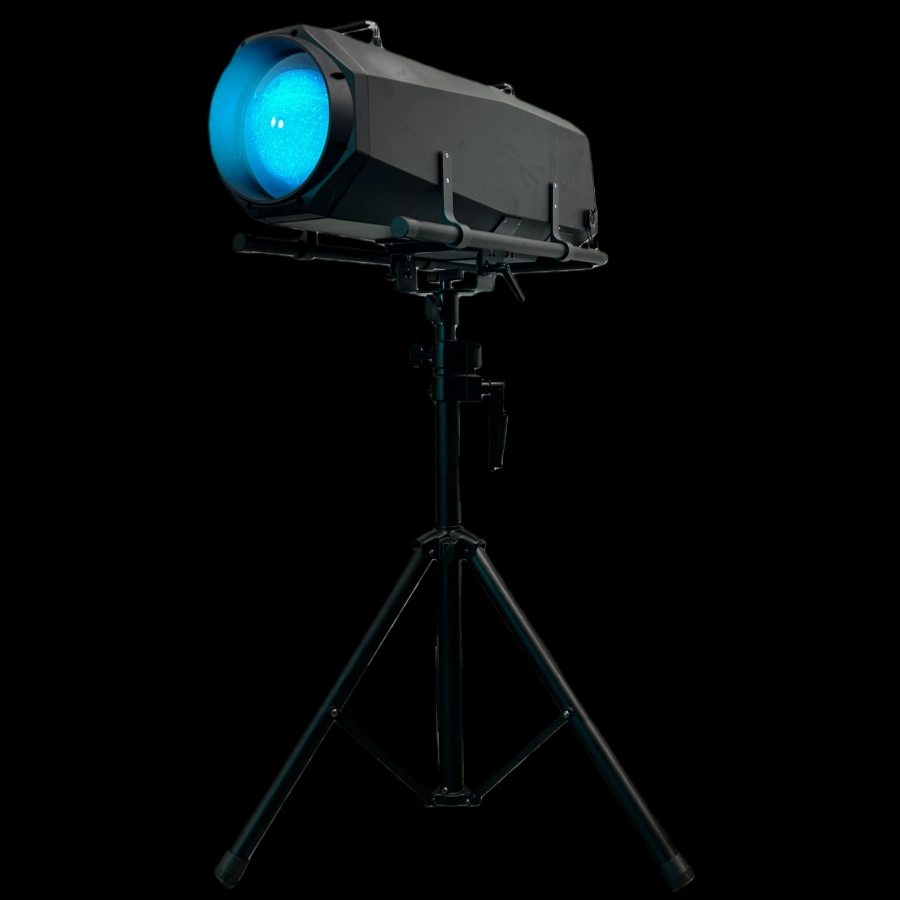
This 1200W waterproof LED follow spotlight with iris adjustment features strong light penetration, precise focusing, and smooth dimming with strobe effects.
Its rain- and dust-resistant design makes it suitable for outdoor performances, concerts, architectural lighting, and other applications. The LED light source boasts a long lifespan and stable, durable operation.
The Waterproof 1200W LED Follow Spot Light with Rotating Gobo features a rotating pattern sheet, delivering a powerful 1200W output for clear, focused beams and precise light tracking. Waterproof for outdoor use in all scenarios, the rotating pattern creates rich visual layers, making it ideal for large-scale indoor and outdoor performances, music festivals, light shows, and other events requiring focused attention and stage effects.
If you have any comments or good suggestions, please leave us a message, later our professional staff will contact you as soon as possible.
Lighting Innovators
Uplus Lighting is a leading integrated company specializing in R&D, design, production, and sales of stage lighting solutions.
 Scan QR Code
Facebook
Instagram
YouTube
VK