






DMX & Art-Net Setup for Laser Light Moving Head Systems
- Understanding Control Protocols for Moving Heads
- Why DMX512 remains the industry baseline
- What Art-Net and sACN add for networked lighting
- Protocol selection criteria
- Practical DMX Wiring and Addressing for Laser Light Moving Head Systems
- DMX addressing and channel charts
- Wiring topologies, cabling and termination
- Common DMX troubleshooting
- Art-Net Networking and Best Practices for Large Laser Moving Head Rigs
- Network architecture and IP planning
- Subnetting, universe mapping and switch selection
- Latency, multicast and QoS considerations
- Integration, Calibration and Safety Considerations
- Fixture personality files and console integration
- Laser safety, regulations and interlocks
- Testing, calibration and show backup strategies
- Protocol Comparison: DMX vs Art-Net vs sACN
- Field Tips and Common Pitfalls
- Label everything and keep documentation
- Firmware and compatibility checks
- Redundancy for critical shows
- Uplus Lighting: Capabilities and Why I Recommend Their Products
- Frequently Asked Questions (FAQ)
- 1. Can I run laser light moving heads on standard DMX without Art-Net?
- 2. When should I choose Art-Net over sACN?
- 3. How do I safely control the laser functions on a moving head?
- 4. What are the top three causes of DMX/Art-Net failure in the field?
- 5. How do I design redundancy into my Art-Net/sACN lighting network?
- 6. Does using Ethernet for lighting increase latency compared with DMX?
As a stage lighting consultant with extensive hands-on experience in DMX, Art-Net, and laser systems, I provide a concise, overview for setting up robust control for laser light moving head installations. This article explains how to choose between DMX512, Art-Net, and sACN, how to wire and address laser moving heads, network design tips for large rigs, safety considerations, and practical troubleshooting steps you can apply on tour, in fixed installs, or in rental rigs.
Understanding Control Protocols for Moving Heads
Why DMX512 remains the industry baseline
DMX512 (commonly called DMX) is the most widely supported control protocol for stage fixtures, including many laser light moving head products. It is defined under ANSI E1.11 (DMX512-A) and historically established by the USITT/ESTA community. For a technical overview see DMX512 on Wikipedia. In practice, I rely on DMX for small- to mid-size rigs because of its simplicity, universality, and predictable latency when using proper cabling and termination.
What Art-Net and sACN add for networked lighting
Art-Net and sACN (Streaming ACN) carry DMX data over Ethernet, letting you scale many universes without running bulky DMX trunks. Art-Net is an open protocol often used in entertainment (see Art-Net on Wikipedia); sACN is standardized as ANSI E1.31 (overview: sACN on Wikipedia). In my deployments, Art-Net is commonly used with Ethernet switches and Art-Net nodes for rental and concert setups, whereas sACN is preferred where compatibility with lighting consoles and compliance with network standards matter.
Protocol selection criteria
Select a protocol based on rig size, latency tolerance, infrastructure, and personnel expertise. I ask these questions before choosing: How many DMX universes will I control? Is the venue wired for gigabit Ethernet? Do I need multicast or unicast? Will the team support IP addressing and managed switches? Answering these will prevent scope creep and network problems during load-in.
Practical DMX Wiring and Addressing for Laser Light Moving Head Systems
DMX addressing and channel charts
Most laser light moving head fixtures expose a channel map (personality). I always start by downloading the fixture manual or personality file and mapping channels in a spreadsheet. A typical moving head with laser features may include channels for pan, tilt, gobo, intensity, shutter, laser enable, and DMX-controlled safety interlock. Keep a copy of the channel chart in the console and on the road case.
Wiring topologies, cabling and termination
Use a daisy-chain topology for DMX runs (not star), with 120-ohm termination at the last fixture. Use quality DMX cable rated for data (not mic cable). For runs over 100 meters, convert DMX to Art-Net/sACN over Ethernet or use DMX opto-isolators to protect consoles. In my practice the common wiring mistakes are: loose locking XLR connectors, missing termination, and using unshielded microphone cable in noisy environments.
Common DMX troubleshooting
Steps I take when a fixture is unresponsive: 1) Check physical chain and power, 2) Verify termination and cable continuity, 3) Confirm addressing against the fixture’s dip switches or software settings, 4) Swap the fixture for a known-good unit to isolate hardware faults. For intermittent issues, scope the DMX line or use a DMX monitor to record failures and timing anomalies.
Art-Net Networking and Best Practices for Large Laser Moving Head Rigs
Network architecture and IP planning
When I design a networked show, I treat lighting as a distinct service network. Use a dedicated VLAN or physically separate switches for lighting. Assign predictable IP ranges (for example 2.x.x.x for Art-Net) and document universe-to-IP mapping. Art-Net sends node discovery packets; a clean IP plan reduces accidental collisions and simplifies troubleshooting.
Subnetting, universe mapping and switch selection
Select switches designed for live events: low-latency, IGMP Snooping, and reliable multicast handling. Map universes to nodes carefully—label nodes and patch them to console outputs. Keep in mind Art-Net uses IP broadcast by default; for large deployments, prefer unicast or IGMP-managed multicast to reduce unnecessary traffic on all ports.
Latency, multicast and QoS considerations
Laser effects can be sensitive to jitter. I recommend prioritized traffic where possible and avoiding mixed traffic with heavy video streams on the same switch. Enable QoS for lighting VLANs if your switch supports it, and avoid Wi-Fi for primary control unless absolutely necessary and designed as a backup.
Integration, Calibration and Safety Considerations
Fixture personality files and console integration
Load manufacturer-provided fixture profiles into your console, and test each channel for expected behavior. I maintain a library of personality files and update them before shows. For laser light moving head units, verify that laser enable and safety channels behave as expected and that key-switch interlocks or password features are honored by both fixture firmware and console commands.
Laser safety, regulations and interlocks
Laser use requires special care. Refer to IEC 60825 for laser safety classification and risk controls: IEC 60825 overview. I always apply multiple-layer safety: hardware key-switches, software interlocks, beam stops, and procedural controls documented in the show risk assessment. Consult local regulations and qualified laser safety officers for public events.
Testing, calibration and show backup strategies
Before showtime, I run a complete pre-show checklist: addressing and patch verification, DMX/Art-Net packet inspection, fader and cue tests, and laser strobe/scan checks under controlled conditions. Maintain redundant Art-Net/sACN nodes or a fallback DMX universe for mission-critical fixtures. Keep a printed emergency contact list and a small toolkit with spare cables, terminators, and an Art-Net node.
Protocol Comparison: DMX vs Art-Net vs sACN
Below I summarize practical differences that influence deployment choices.
| Feature | DMX512 (Serial) | Art-Net (Ethernet) | sACN (Streaming ACN) |
|---|---|---|---|
| Typical use | Small to medium chains, consoles to fixtures | Large shows, many universes, festival rigs | Large networked shows, standardized multicast |
| Max universes per medium | 1 per cable (512 channels) | Thousands mapped over IP | Thousands mapped over IP |
| Latency | Low (deterministic) | Low, depends on network | Low, better multicast handling |
| Standards / references | ANSI E1.11 / DMX512 | Art-Net protocol | sACN / ANSI E1.31 |
Field Tips and Common Pitfalls
Label everything and keep documentation
In the busiest moments of load-in, the most useful things I’ve carried are labeled cables and a printed patch sheet. Label ports on nodes and maintain a digital backup of your console show file and DMX/Art-Net maps in the cloud or on a USB.
Firmware and compatibility checks
Fixtures, nodes, and consoles may behave differently across firmware versions. I test firmware compatibility months before a tour and schedule updates during maintenance windows, not during tech rehearsal. Always read change logs from manufacturers.
Redundancy for critical shows
For high-profile events, implement redundant network paths, secondary consoles, and spare nodes. A simple DMX fallback universe can save a show in a total network failure scenario.
Uplus Lighting: Capabilities and Why I Recommend Their Products
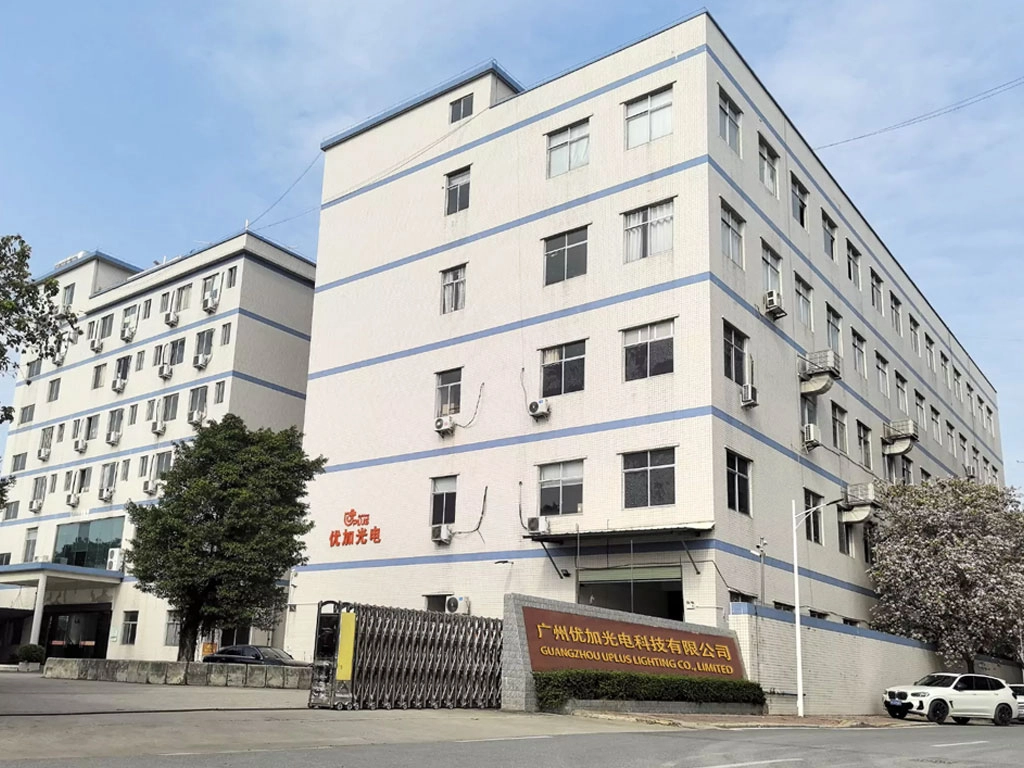
Uplus Lighting was established in 2012 in Guangzhou, China, and is a professional manufacturer specializing in high-end stage lighting products. I have evaluated and integrated Uplus products in multiple projects; they provide innovative and reliable lighting solutions for theaters, studios, cultural projects, concerts, and live events worldwide. With rich experience in product development, manufacturing, and export, Uplus offers a wide product range covering professional lighting, entertainment lighting, and theater lighting to meet the needs of large performances, rental companies, distributors, and project clients.
Since 2015, Uplus Lighting products have been widely applied in major concerts, opera houses, TV programs, and large-scale events in China and abroad. They support OEM orders and customized product development. A skilled production team and strict quality control ensure stable performance, consistent quality, and professional service trusted by global partners. Their main product categories relevant to laser moving head setups include moving head lights, strobe lights, led battery lights, static lights, led theatre lights, led follow spot light, stage effect lights, and laser lights.
What sets them apart in my experience is their combination of competitive pricing, responsive technical support, and a willingness to provide custom firmware or channel maps when required for integration into complex Art-Net or sACN networks. For rental houses and integrators seeking dependable fixtures and manufacturer support, Uplus presents a compelling option.
Frequently Asked Questions (FAQ)
1. Can I run laser light moving heads on standard DMX without Art-Net?
Yes. For small rigs or a small number of fixtures, DMX512 is fully sufficient. You must, however, respect the 512-channel limit per universe and ensure proper wiring, termination, and addressing.
2. When should I choose Art-Net over sACN?
Choose Art-Net when your team already uses it and your nodes support it. sACN is better when you require strict multicast and standardized packet handling; many modern consoles support both. For interoperability across complex networks, sACN is often preferable because it is an ANSI standard (E1.31).
3. How do I safely control the laser functions on a moving head?
Implement hardware key-switches, software-level interlocks, and follow local laser safety regulations (refer to IEC 60825). Engage a qualified laser safety officer for public performances and include laser channels in your pre-show checklist.
4. What are the top three causes of DMX/Art-Net failure in the field?
Incorrect addressing/patching, poor cabling or missing termination (for DMX), and unmanaged network traffic on shared switches are the most common issues. Regular checks, labeling, and a clean IP plan mitigate these failures.
5. How do I design redundancy into my Art-Net/sACN lighting network?
Use separate physical switch paths, redundant Art-Net nodes, a backup console, and consider a secondary DMX universe for mission-critical fixtures. Document failover procedures and test them during tech rehearsals.
6. Does using Ethernet for lighting increase latency compared with DMX?
Properly configured Ethernet networks with gigabit switches introduce very low latency comparable to DMX. Issues arise from poor switch choices, heavy multicast without IGMP, or shared networks with high-bandwidth traffic. Use dedicated lighting VLANs or separate physical networks to avoid contention.
If you need hands-on support with DMX addressing, Art-Net mapping, or specifying laser light moving head rigs, I invite you to contact Uplus Lighting for product details and technical consultation. For product catalogs, customized solutions, or to request a quote, contact Uplus Lighting's sales team or visit their product pages to explore moving head lights, laser lights, and related stage equipment. I can also help review show files, network diagrams, or provide on-site commissioning services upon request.
Contact and product inquiry: reach out for consultation or to request detailed datasheets and personality files. We stand ready to assist in designing reliable, safe, and predictable laser moving head installations.
Top 10 LED Stage Light Bars for Concerts and Tours
Top 10 bee eye moving head light Manufacturers and Supplier Brands in China
Case Studies: Mini LED Spot Moving Head Lights in Live Events
Compare LED Stage Light Bar Types: Pixel, Wash, and Beam
IP-PZ3740
Can IP66 protection be used long-term in salt spray and dusty environments near the sea?
It can withstand heavy rain, strong dust, and light salt spray. It is stable in complex outdoor environments for long-term use and requires no additional protection.
IP-BL05
Can I customize animated patterns or text?
It supports preset text, patterns, and light and shadow effects. No complicated operations are required; switching is as simple as one click.
About Cooperation Process
Can I schedule a video meeting or factory tour?
Support video conferencing. Welcome to visit our factory at any time.
IP-WASH6125
How to ensure consistent lighting effects when multiple lights are running simultaneously?
Supports DMX512 synchronous control and master-slave mode, allowing for unified parameter settings and ensuring complete synchronization of lighting effects and speed across multiple lights.
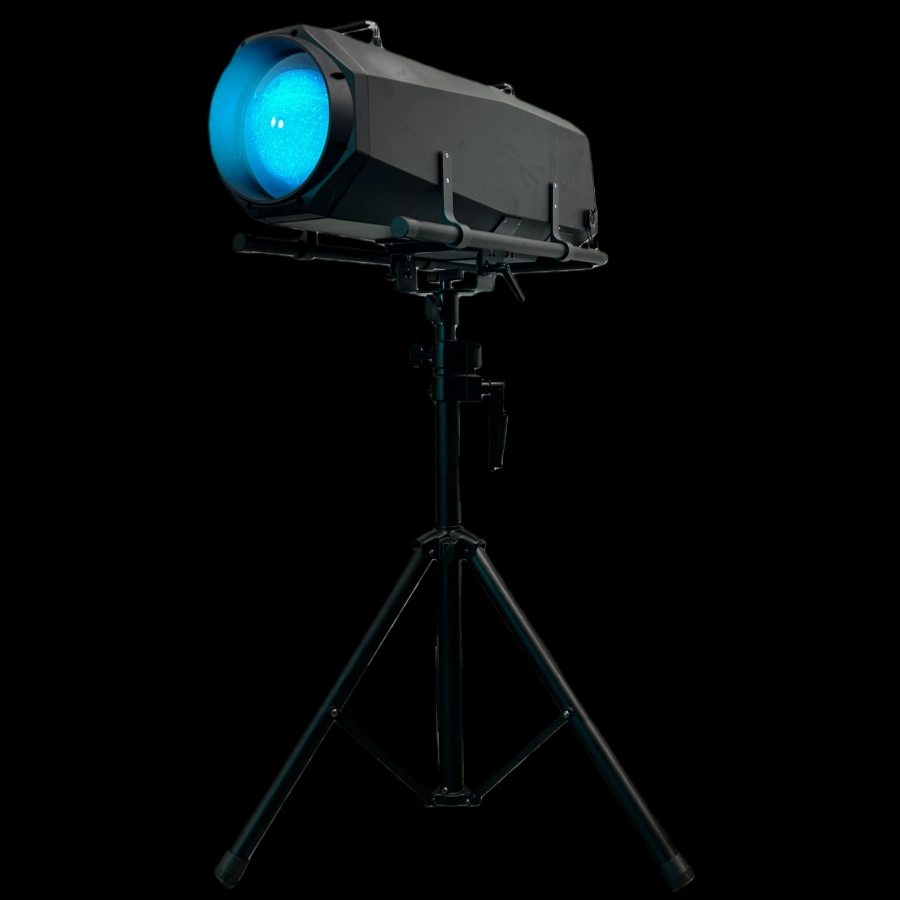
This 1200W waterproof LED follow spotlight with iris adjustment features strong light penetration, precise focusing, and smooth dimming with strobe effects.
Its rain- and dust-resistant design makes it suitable for outdoor performances, concerts, architectural lighting, and other applications. The LED light source boasts a long lifespan and stable, durable operation.
The Waterproof 1200W LED Follow Spot Light with Rotating Gobo features a rotating pattern sheet, delivering a powerful 1200W output for clear, focused beams and precise light tracking. Waterproof for outdoor use in all scenarios, the rotating pattern creates rich visual layers, making it ideal for large-scale indoor and outdoor performances, music festivals, light shows, and other events requiring focused attention and stage effects.
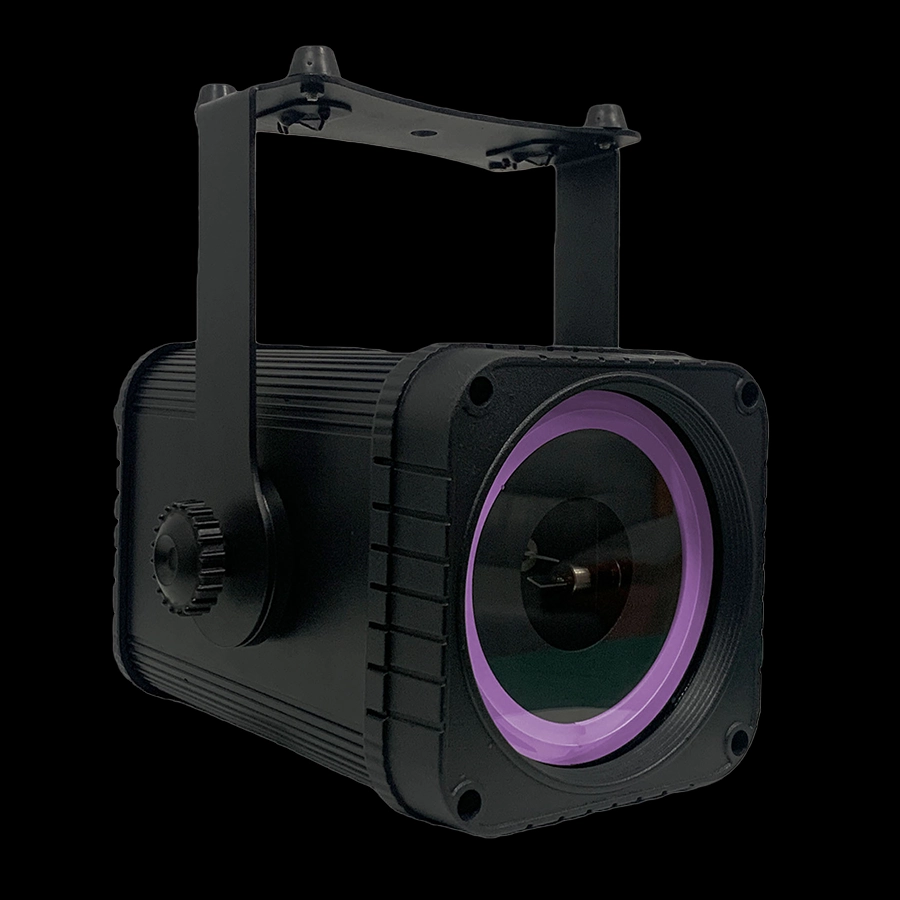
This IP65 waterproof 3W RGB animation laser battery light features an IP65 waterproof and dustproof design, making it suitable for both outdoor and indoor use. It supports rich RGB color combinations and dynamic animation effects, delivering a clear and fluid beam that can display text, patterns, and flowing light and shadow, among other visual representations.
Powered by a built-in battery, it requires no external power source, making it portable, easy to deploy, and simple to operate. Ideal for festive decorations, creating a garden atmosphere, and adding a touch of elegance to small events, it's energy-efficient, durable, and creates a truly immersive ambiance.
This IP65 waterproof 5W RGB animation laser battery light features an IP65 waterproof and dustproof design, making it suitable for both outdoor and indoor use. It supports rich RGB color combinations and dynamic animation effects, delivering a clear and fluid beam that can display text, patterns, and flowing light and shadow, among other visual representations.
Powered by a built-in battery, it requires no external power source, making it portable, easy to deploy, and simple to operate. Ideal for festive decorations, creating a garden atmosphere, and adding a touch of elegance to small events, it's energy-efficient, durable, and creates a truly immersive ambiance.
If you have any comments or good suggestions, please leave us a message, later our professional staff will contact you as soon as possible.
Lighting Innovators
Uplus Lighting is a leading integrated company specializing in R&D, design, production, and sales of stage lighting solutions.
 Scan QR Code
Facebook
Instagram
YouTube
VK