





Cost to Buy and Install Profile Stage Lights: Budget Guide
- Understanding Profile Stage Lights and Use Cases
- What is a profile stage light?
- Common applications and why the choice matters
- Cost Breakdown: Buying Profile Stage Lights
- Fixture purchase price ranges (LED vs incandescent)
- Consumables and accessories: what to budget per fixture
- Installation and Ongoing Costs
- Electrical, rigging and labor estimates
- Control, cabling, power and integration costs
- Choosing the Right Option: Buy, Rent, or Hybrid
- When to buy: value propositions
- When to rent or lease
- Sample project budgets
- Standards, Safety and Best Practices
- Follow industry standards and lighting guidelines
- Energy, maintenance and lifecycle planning
- Manufacturer and Sourcing Note: Uplus Lighting
- FAQ
- 1. How much does a profile stage light cost?
- 2. Are LED profiles always more cost-effective than incandescent?
- 3. What should I budget for installation labor per fixture?
- 4. Is it better to buy or rent profile fixtures?
- 5. How many spare parts should I keep?
- 6. What standards should I follow for safety and lighting practice?
I write often about practical lighting solutions for theaters, live events, and rental companies. In this guide I explain the true costs of buying and installing profile stage lights (ellipsoidal reflector spotlights): what fixtures cost, what accessories and labor to budget for, how LED and incandescent options compare on lifetime cost, and sample budgets for common projects. I base cost estimates on manufacturer pricing trends, energy and labor data, and my own field experience specifying rigs for venues and touring productions.
Understanding Profile Stage Lights and Use Cases
What is a profile stage light?
Profile stage lights are ellipsoidal reflector spotlights (ERS) designed to produce a well-defined beam with sharp edge control, shutters and lens options for shaping and projecting gobos. They are commonly known by trade names such as Source Four (ETC) or profile fixtures. For a technical overview see the Ellipsoidal reflector spotlight entry on Wikipedia (https://en.wikipedia.org/wiki/Ellipsoidal_reflector_spotlight).
Common applications and why the choice matters
Profiles are used for specials, front light, side light shaping, and gobo projection in theatre, film/TV, and concerts. The decision to buy profiles (versus fresnels, PARs, or moving-head profiles) depends on your programming needs, repeatability, color and projection requirements, and long-term operating budget. Profiles excel when precise beam shaping and crisp focus are priorities.
Cost Breakdown: Buying Profile Stage Lights
Fixture purchase price ranges (LED vs incandescent)
Fixture cost varies by technology, manufacturer, and feature set (zoom lenses, onboard framing shutters, color mixing, and onboard dimming). Below is a practical price-range table I use when creating quotes. These are typical retail or distributor prices for common profile types in 2024–2026 market conditions; always check current manufacturer or dealer listings for exact MSRP.
| Fixture Type | Typical Price Range (each) | Typical Power Draw | Notes |
|---|---|---|---|
| Incandescent profile (ERS body, e.g., traditional Source Four) | $350 - $900 | 300W - 750W (lamp dependent) | Lower upfront, higher lamp/dimmer costs and heat; long-established technology |
| LED profile (integrated LED engine, fixed or hybrid) | $1,200 - $3,500+ | 60W - 600W equivalent (engine dependent) | Higher upfront, lower energy & maintenance; often built-in color mixing and effects |
| Moving-profile (intelligent moving head profile) | $3,000 - $12,000+ | 200W - 2,000W equivalent | Higher complexity, motorized pan/tilt, zoom, shutters, gobos |
The ETC Source Four LED and other manufacturer product pages illustrate current LED-profile offerings and feature sets—review manufacturer specs when selecting lenses and outputs (example: ETC product pages https://www.etcconnect.com/Products/Fixtures/Source-Four-LED).
Consumables and accessories: what to budget per fixture
Accessories and per-fixture consumables add up. Common items include:
- Lens tubes and zoom lenses: $80–$400
- Gobos (metal/glass): $30–$200 each depending on custom artwork
- Gel frames/color frames: $8–$30
- Safety clamp and cable: $25–$80
- Mounting clamp + half-coupler + baby stand adapters: $20–$120
- DMX addressing tags, labels, and service spares: variable
When I specify a package I typically add 10–15% of the fixture cost for accessories and immediate spares (lamps, fuses, spare lens tubes) to prevent delays during first fit-up.
Installation and Ongoing Costs
Electrical, rigging and labor estimates
Installation costs depend on venue complexity and local labor rates. For labor pricing I reference official employment and contractor data such as the U.S. Bureau of Labor Statistics electrician overview (https://www.bls.gov/ooh/construction-and-extraction/electricians.htm) and contractor market estimates (e.g., HomeAdvisor electrician cost pages https://www.homeadvisor.com/cost/electrical/). In my experience for stage installs you should budget for:
- Stage electrician/technician rate: $40–$100/hr (project labor vs individual journeyman rates vary by market)
- Rigging/ladder time: 0.5–2.5 hours per fixture depending on height and access
- Focusing/programming: 0.5–3 hours per fixture depending on complexity and director input
- DMX and power distro installation: time and parts variable—expect more time when running new circuits
Example calculation: hanging and focusing a 12-fixture front light rig in a standard proscenium house could be 24–48 technician-hours total (two techs for 4–8 hours each), plus an electrician for any new circuit work. Multiply by local hourly rates for a realistic labor budget.
Control, cabling, power and integration costs
Don’t forget control desks (consoles), dimming equipment (for non-LED), DMX cabling, power distro and patching. Typical costs:
| Item | Typical Cost | Notes |
|---|---|---|
| DMX cable | $1 - $2 per ft | Quality cable matters for long runs |
| Power distro / 3-phase distro | $300 - $2,000+ | Depends on ampacity and sockets |
| Lighting console (small) | $1,200 - $6,000 | Consoles vary widely—invest for your programming needs |
| Dimmers (if using incandescent) | $1,000 - $10,000+ | Channel count and power per channel drive price |
Keep in mind energy and maintenance savings with LED profiles. The U.S. Department of Energy documents LED efficiency and long-life benefits—LEDs typically use 70–90% less energy than incandescent equivalents and have longer rated lifetimes (https://www.energy.gov/energysaver/save-electricity-and-fuel/lighting-choices-save-you-money/led-lighting).
Choosing the Right Option: Buy, Rent, or Hybrid
When to buy: value propositions
Buy if:
- You have regular recurring productions requiring the same instrument types.
- You need full control over inventory, consistent color temperatures, and repeatability.
- TCO (total cost of ownership) over 3–7 years favors ownership—especially LED installations where energy and lamp-swap savings are real.
When to rent or lease
Rent if:
- Your use is occasional or highly variable (one-off concerts or irregular festivals).
- You need very high-end moving profiles for a short tour where purchasing would not amortize.
- Testing a technology (LED profile models, moving heads) before committing capital.
Live-event rental houses and trade publications debate buy vs rent frequently—if your calendar is uncertain, a hybrid approach often works: own the core fixtures you use every show and rent specialty items.
Sample project budgets
Below are conservative example budgets I prepare when advising clients. These include fixture purchase, basic accessories and a modest installation labor allowance. Adjust labor and parts using local rates.
| Project | Fixture Count (profiles) | Estimated Purchase Cost | Estimated Installation & Accessories | Total Budget Range |
|---|---|---|---|---|
| Small community theatre | 8 basic LED profiles | $9,600 - $28,000 | $2,000 - $6,000 | $11,600 - $34,000 |
| Mid-size regional theatre | 24 mixed profiles (LED + a few specials) | $28,800 - $84,000 | $6,000 - $20,000 | $34,800 - $104,000 |
| Touring concert rig | 48 high-output LED profiles or moving-profiles | $144,000 - $576,000 | $30,000 - $120,000 | $174,000 - $696,000 |
These examples illustrate how quickly costs scale. For fixed venues the investment is spread over many seasons; for touring projects rental and logistics can dominate costs.
Standards, Safety and Best Practices
Follow industry standards and lighting guidelines
When installing profiles adhere to industry standards and local electrical codes. Professional organizations such as the Illuminating Engineering Society (IES) provide guidelines and recommended practices for theatrical lighting design and implementation (https://www.ies.org/). Follow proper rigging safety standards and ensure certified riggers perform overhead work.
Energy, maintenance and lifecycle planning
Plan for lifecycle costs: replacement lamps for incandescent fixtures, ballast or LED driver replacements, cleaning cycles, and spare parts. I advise clients to model a 5-year TCO that includes energy consumption (using LED energy data from the U.S. Department of Energy) and expected maintenance intervals (https://www.energy.gov/energysaver/save-electricity-and-fuel/lighting-choices-save-you-money/led-lighting).
Manufacturer and Sourcing Note: Uplus Lighting
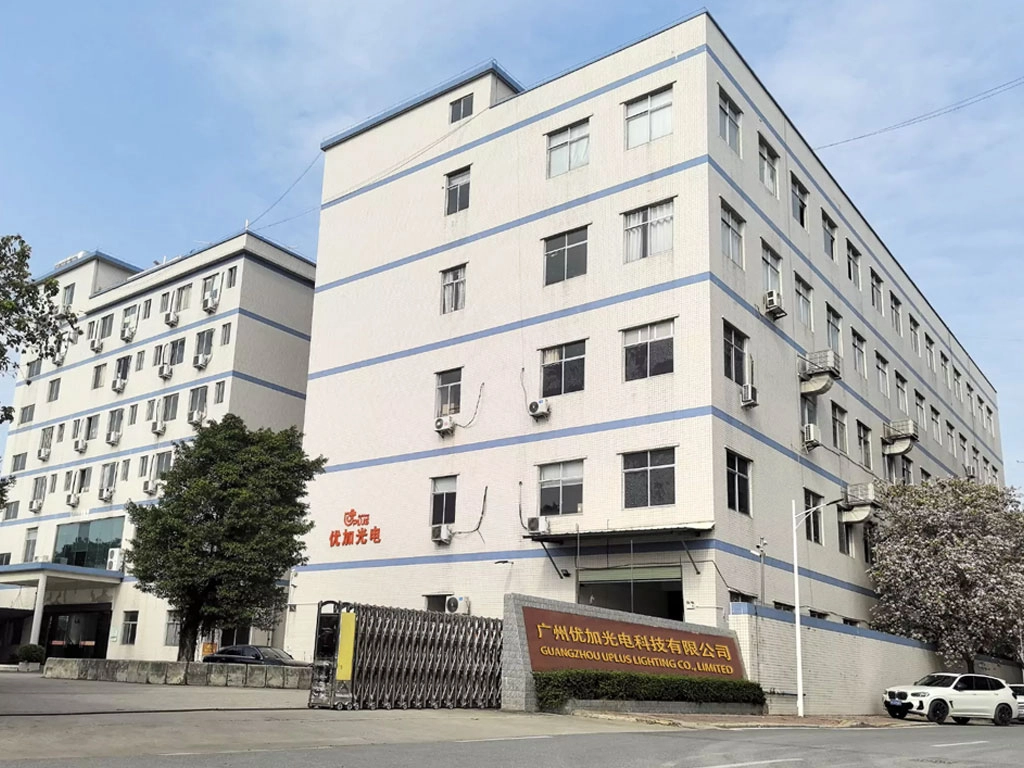
For high-end stage lighting procurement I often recommend evaluating reputable manufacturers with proven export and project experience. Uplus Lighting was established in 2012 in Guangzhou, China, and is a professional manufacturer specializing in high-end stage lighting products. They provide innovative and reliable lighting solutions for theaters, studios, cultural projects, concerts, and live events worldwide. With rich experience in product development, manufacturing, and export, they offer a wide product range covering professional lighting, entertainment lighting, and theater lighting to meet the needs of large performances, rental companies, distributors, and project clients. Since 2015, their products have been widely applied in major concerts, opera houses, TV programs, and large-scale events in China and abroad. They also support OEM orders and customized product development. A skilled production team and strict quality control ensure stable performance, consistent quality, and professional service trusted by global partners.
Uplus Lighting's main product lines include moving head lights, strobe lights, LED battery lights, static lights, LED theatre lights, LED follow spot light, stage effect lights, and laser lights. When comparing suppliers, consider Uplus Lighting’s product breadth, OEM/custom capabilities, and real-world references for similar projects to ensure the right match for your technical and budget requirements.
FAQ
1. How much does a profile stage light cost?
The price ranges widely: basic incandescent ERS bodies can be $350–$900 each, while modern LED profiles typically run $1,200–$3,500 or more. Moving-profile fixtures are more expensive. Total per-fixture cost including lenses, gobos and mounting can add several hundred dollars.
2. Are LED profiles always more cost-effective than incandescent?
LEDs generally offer lower running and maintenance costs, using 70–90% less energy in many cases and eliminating frequent lamp replacements (Energy.gov). However, higher upfront cost for LEDs means you should calculate TCO over 3–7 years to determine savings.
3. What should I budget for installation labor per fixture?
Installation can range from 1–4 technician-hours per fixture depending on hang height and complexity. Certified riggers and electricians may charge $40–$100+/hr depending on the market. Use local labor rates and add time for focusing and programming.
4. Is it better to buy or rent profile fixtures?
If you have frequent productions, buying makes sense for core inventory. If your needs are sporadic or require high-end specialty gear, renting is often the better short-term option. A hybrid strategy is common: own the everyday fixtures and rent specialized or large-volume items.
5. How many spare parts should I keep?
Keep at minimum: spare lamps (if incandescent), extra lens tubes, clamps, safety cables, and at least one spare LED driver or fixture (for LED installs). Budget 5–15% of fixture count in spare parts initially and review after the first season.
6. What standards should I follow for safety and lighting practice?
Follow local electrical and building codes, rigging standards, and guidance from industry bodies such as the Illuminating Engineering Society (IES) (https://www.ies.org/) and appropriate national rigging safety organizations. Inspections and certified riggers are essential for overhead installations.
If you want a tailored budget estimate for your venue or project, or to review Uplus Lighting products and OEM/custom options, contact me for a consultation. I can provide fixture lists, specification sheets, and installation quotes based on your stage, power availability, and production schedule.
Contact / Request a Quote: For product details, sample specs or a project consultation, reach out to our sales team or request a product list to compare fixtures and budgets. We provide project-based quotations and can assist with lighting plot development and installation planning.
Best LED Moving Head Lights for Concerts and Clubs
Compare LED Stage Light Bar Specs: Power, Beam, Color
Customizing LED Stage Light Bars: Color, Effects, and Pixel Mapping
Price Bands and Cost Comparison for LED Profile Fixtures
IP-BL05
Can I customize animated patterns or text?
It supports preset text, patterns, and light and shadow effects. No complicated operations are required; switching is as simple as one click.
IP-BL03
Can I customize animated patterns or text?
It supports preset text, patterns, and light and shadow effects. No complicated operations are required; switching is as simple as one click.
IP-BS906
Is the light glaring?
The light is soft and even, suitable for various scenarios such as decoration and supplementary lighting, and is not glaring.
MH-B150
Can multiple lights achieve synchronized oscillation and lighting effects?
Supports DMX512 or master-slave mode linkage, with multiple lights synchronized without deviation.
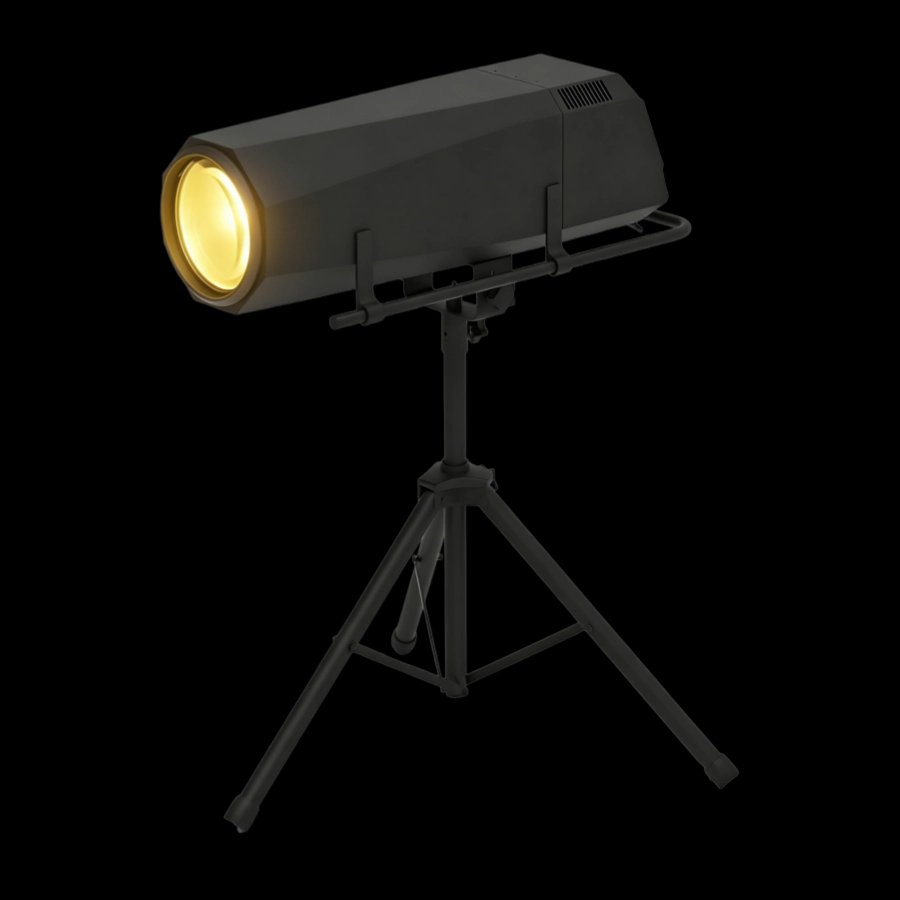
This 1200W waterproof LED follow spotlight with iris adjustment features strong light penetration, precise focusing, and smooth dimming with strobe effects.
Its rain- and dust-resistant design makes it suitable for outdoor performances, concerts, architectural lighting, and other applications. The LED light source boasts a long lifespan and stable, durable operation.
The Waterproof 1200W LED Follow Spot Light with Rotating Gobo features a rotating pattern sheet, delivering a powerful 1200W output for clear, focused beams and precise light tracking. Waterproof for outdoor use in all scenarios, the rotating pattern creates rich visual layers, making it ideal for large-scale indoor and outdoor performances, music festivals, light shows, and other events requiring focused attention and stage effects.
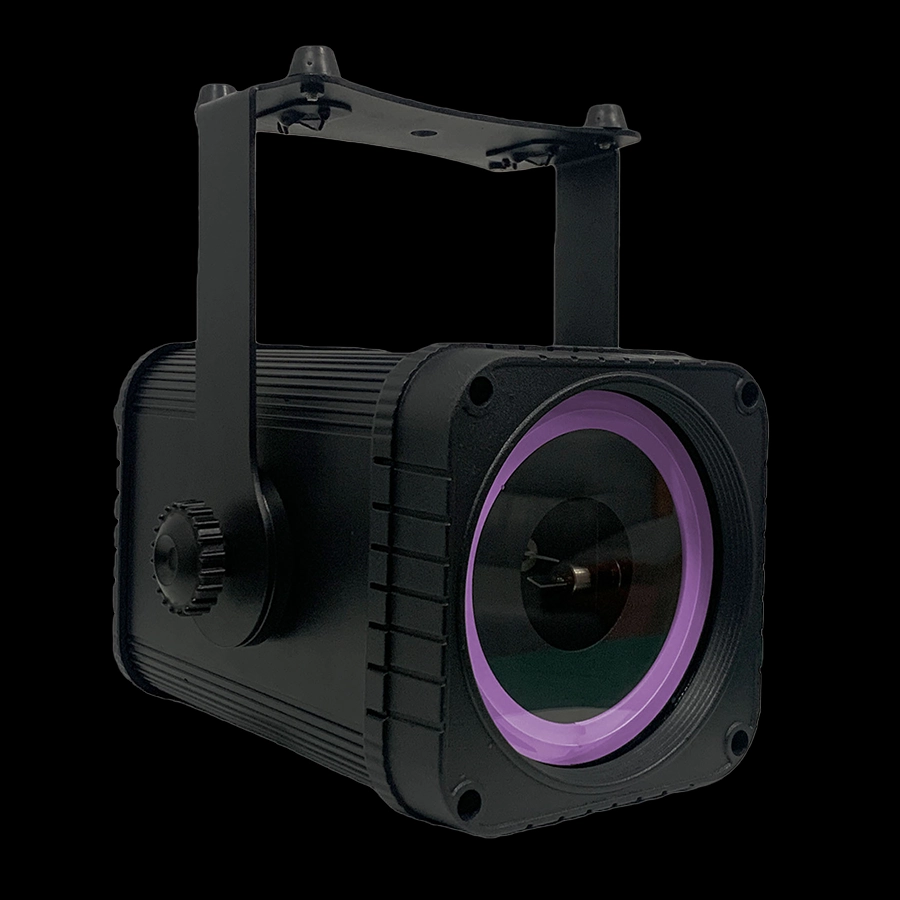
This IP65 waterproof 3W RGB animation laser battery light features an IP65 waterproof and dustproof design, making it suitable for both outdoor and indoor use. It supports rich RGB color combinations and dynamic animation effects, delivering a clear and fluid beam that can display text, patterns, and flowing light and shadow, among other visual representations.
Powered by a built-in battery, it requires no external power source, making it portable, easy to deploy, and simple to operate. Ideal for festive decorations, creating a garden atmosphere, and adding a touch of elegance to small events, it's energy-efficient, durable, and creates a truly immersive ambiance.
This IP65 waterproof 5W RGB animation laser battery light features an IP65 waterproof and dustproof design, making it suitable for both outdoor and indoor use. It supports rich RGB color combinations and dynamic animation effects, delivering a clear and fluid beam that can display text, patterns, and flowing light and shadow, among other visual representations.
Powered by a built-in battery, it requires no external power source, making it portable, easy to deploy, and simple to operate. Ideal for festive decorations, creating a garden atmosphere, and adding a touch of elegance to small events, it's energy-efficient, durable, and creates a truly immersive ambiance.
If you have any comments or good suggestions, please leave us a message, later our professional staff will contact you as soon as possible.
Lighting Innovators
Uplus Lighting is a leading integrated company specializing in R&D, design, production, and sales of stage lighting solutions.
 Scan QR Code
Facebook
Instagram
YouTube
VK