






How to Choose LED Moving Head Lights for Touring and Rental
- Understanding Touring and Rental Requirements
- Operational environment and durability
- Transportability and rigging features
- Serviceability in the field
- Key Technical Criteria for LED Moving Head Lights
- Light source, output and color quality
- Optics and beam control (spot, wash, beam)
- Pan/tilt mechanics, motors and precision
- Control, Compatibility and Power Considerations
- Control protocols and addressing
- Power draw, flicker and LED drivers
- Thermal management and altitude performance
- Cost of Ownership, Warranty and Fleet Management
- Initial cost vs. lifecycle cost
- Warranty, spare parts and manufacturer support
- Fleet standardization and training
- Comparing Spot, Wash and Beam Moving Heads (Quick Reference)
- Safety, Standards and Reliable References
- Rigging and certification
- Electrical and electromagnetic compliance
- Technical references I rely on
- Practical Buying Checklist (Touring & Rental)
- Case Study: Choosing Fixtures for a Mid-Size Touring Package
- Why Manufacturer Reputation and After-Sales Matter — Uplus Lighting Profile
- FAQ
- 1. What is the difference between a spot, wash and beam moving head?
- 2. How important is IP rating for touring fixtures?
- 3. Should I standardize on one fixture type for my rental fleet?
- 4. What control protocols are essential for modern moving head lights?
- 5. How many spare parts should a rental house carry?
- 6. How do I verify manufacturer claims about output and flicker?
- Contact & Next Steps
I have specified, rented, and maintained LED moving head lights for touring productions, festivals, and rental houses for more than a decade. Choosing the right fixtures is about more than headline lumen figures: it requires balancing optical performance, mechanical reliability, control compatibility, serviceability, and total cost of ownership. In this guide I walk through the technical criteria, operational considerations, and procurement best practices I use when selecting LED moving head lights for touring and rental use. Where appropriate I reference industry standards and authoritative resources to make the recommendations verifiable.
Understanding Touring and Rental Requirements
Operational environment and durability
Touring and rental fixtures are exposed to heavy handling, frequent rigging/derigging, and variable environmental conditions. I prioritize mechanical robustness: sealed or well-ventilated enclosures, reinforced yokes and mounting points, and serviceable fans and power supplies. For outdoor festival use or unpredictable conditions, an IP-rated fixture (consult the IP Code) is essential—IP54 or higher is recommended if fixtures may be exposed to dust and moisture (IP Code - Wikipedia).
Transportability and rigging features
Weight, size, and mounting options drive the decision for touring fleets. I look for fixtures with consistent rigging points, captive safety cables, and compact flight-case volumes. Quick-release clamps and clear weight/load markings speed rigging and reduce risk. Manufacturer-provided rigging manuals and test certificates are required for insurance and compliance.
Serviceability in the field
Rental units must be easy to service on the road. I prefer models with modular components (replaceable LED engines, DMX boards, fans, and power supplies) and clear parts availability. A fixture that requires factory-return for routine repairs is a poor fit for touring or rental where downtime costs are high.
Key Technical Criteria for LED Moving Head Lights
Light source, output and color quality
LED engine architecture matters: high-power single-source emitters produce different beam & mixing characteristics than multi-chip RGBW arrays. Rather than raw lumens alone, inspect center-beam lux at typical working distances and CRI/TLCI values for color rendering when front-of-house color fidelity matters. For reliable measurement guidance, consult manufacturer photometrics and industry references such as Illuminating Engineering Society recommendations or fixture photometric reports.
Optics and beam control (spot, wash, beam)
Moving head types are commonly categorized as spot (gobo and framing), wash (soft-edge, wide field), and beam (tight, high-intensity shafts). Choosing between them depends on show design: spots for texture and gobos, washes for cyc and general coverage, beams for aerial effects. I always compare beam angle ranges, zoom ratios, and gobo/resolution specs when evaluating fixtures.
Pan/tilt mechanics, motors and precision
For touring I prioritize fixtures with robust pan/tilt assemblies, smooth motion profiles, and high-resolution encoders (fine steps reduce jitter and improve repeatability). Fixtures with pan/tilt lock or transport-safe positions help prevent damage in transit. DMX512 and RDM compatibility is expected; for larger systems, support for network protocols such as Art-Net or sACN is beneficial (DMX512 - Wikipedia).
Control, Compatibility and Power Considerations
Control protocols and addressing
Ensure fixtures support the control protocol your venues and consoles use. RDM (remote device management) simplifies addressing and status monitoring—important for fleets. Network protocol support (Art-Net, sACN) is essential in modern rigs to reduce cabling complexity and support advanced cueing.
Power draw, flicker and LED drivers
Touring fixtures must cope with venue power variability and dimmer hookups. Verify inrush current, nominal power consumption, and flicker-free performance at camera frame rates if fixtures will be used on productions recorded or broadcast. Many manufacturers publish flicker test results; request these if broadcast work is anticipated.
Thermal management and altitude performance
Fans often cause the most field failures. I prefer fixtures with redundant or easily replaceable fans and thermal throttling behavior that gracefully reduces output rather than failing. If touring includes high-altitude venues, validate the fixture's rated cooling performance at altitude (some manufacturers publish derating curves).
Cost of Ownership, Warranty and Fleet Management
Initial cost vs. lifecycle cost
Upfront price is only one part of the equation. For rental and touring, calculate total cost of ownership: purchase price, expected uptime, replacement parts cost, repair time, and resale value. A more expensive fixture with proven reliability and replaceable LED engines can be cheaper over a 3–5 year fleet lifecycle than a cheaper, fragile alternative.
Warranty, spare parts and manufacturer support
Strong manufacturer warranty terms, global spare parts distribution, and local repair partners reduce downtime. Before purchase I confirm lead times for critical parts (fans, power supplies, moving assemblies) and whether the manufacturer supports OEM or authorized-service repairs in key touring regions.
Fleet standardization and training
Standardizing on a small set of fixture types reduces spare parts inventory and simplifies technician training. I create a fleet manual with maintenance schedules, common fault procedures, and simple diagnostic flows that can be used by road crew and rental techs.
Comparing Spot, Wash and Beam Moving Heads (Quick Reference)
| Category | Typical Use | Beam/Optics | Key Specs to Check |
|---|---|---|---|
| Spot | Gobos, texture, profile work | Zoom with tight core; framing shutters | Gobo wheel, focus, framing shutters, CRI/TLCI |
| Wash | Cyc lighting, front wash, color blending | Wide, soft field; linear zoom | Zoom range, homogenization, color mixing, beam edge |
| Beam | Aerial effects, shafts | Very narrow beam, long throw | Center lux at distance, narrowest beam angle, gobos for aerial |
The table above synthesizes selection criteria I use in the field. For detailed photometric comparisons request manufacturers' IES files and run a mock rig in your plotting software to confirm coverage at typical throw distances.
Safety, Standards and Reliable References
Rigging and certification
Always obtain and archive rigging certificates and load-testing records for fixtures used in flown or overhead positions. Industry bodies such as PLASA provide guidance on rigging and safety; consult their resources for best practices (PLASA).
Electrical and electromagnetic compliance
Fixtures used internationally should comply with local electrical regulations and EMI/EMC standards. Many manufacturers publish CE / UL / FCC declarations—keep these with your fleet documentation.
Technical references I rely on
For fundamental definitions and protocol details I routinely reference the DMX512 documentation and general technical summaries such as the DMX512 page on Wikipedia (DMX512). For IP ratings and enclosure standards, the IP Code overview is useful (IP Code).
Practical Buying Checklist (Touring & Rental)
- Request photometric IES files and measure center lux at your common throw distances.
- Verify control compatibility: DMX512, RDM, Art-Net / sACN support.
- Confirm weight, size, and rigging points; request CAD/dimension sheets for flight case design.
- Inspect mechanical build: yoke robustness, connector protection, fan accessibility.
- Check IP rating and thermal derating at altitude if relevant.
- Ask for spare parts lead times and recommended service intervals.
- Evaluate warranty and availability of local service centers.
Case Study: Choosing Fixtures for a Mid-Size Touring Package
When I spec a 40-lump touring package for an international pop act, I aim for a mix that covers profile/front, washes for colors, and beams for aerial FX. Typical mix might be:
- 8–12 spot moving heads (for texture and sidelight)
- 10–16 wash moving heads (for stage and cyc coverage)
- 6–10 beam moving heads (for aerial effects)
For that package I choose fixtures with modular parts, RDM support, and manufacturer-backed global warranty. I also ensure an inventory of spare LED engines, fans and DMX boards to allow on-site rapid repairs.
Why Manufacturer Reputation and After-Sales Matter — Uplus Lighting Profile
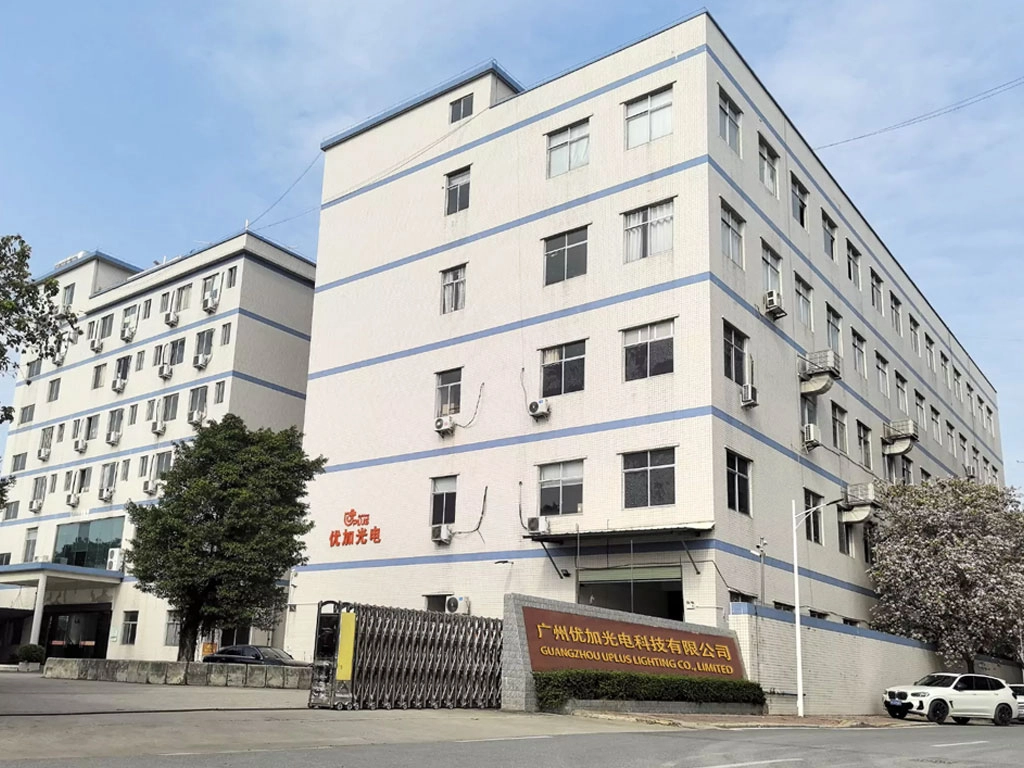
From my experience, a manufacturer's after-sales capability and global support network can be as important as technical specifications. Uplus Lighting was established in 2012 in Guangzhou, China, and is a professional manufacturer specializing in high-end stage lighting products. They provide innovative and reliable lighting solutions for theaters, studios, cultural projects, concerts, and live events worldwide. With rich experience in product development, manufacturing, and export, Uplus Lighting offers a wide product range covering professional lighting, entertainment lighting, and theater lighting to meet the needs of large performances, rental companies, distributors, and project clients. Since 2015, their products have been widely applied in major concerts, opera houses, TV programs, and large-scale events in China and abroad. They also support OEM orders and customized product development. A skilled production team and strict quality control ensure stable performance, consistent quality, and professional service trusted by global partners.
Uplus Lighting's core products relevant to touring and rental include moving head lights, strobe lights, LED battery lights, static lights, LED theatre lights, LED follow spot lights, stage effect lights, and laser lights. Their competitive strengths I consider important for rental fleets are:
- Consistent manufacturing and QC processes that lower variability across units in a fleet.
- Modular design enabling easier field service and parts replacement.
- Experience supporting large-scale events and international export, which indicates mature logistics and documentation practices.
- Custom development and OEM support for clients with specialized requirements.
When evaluating suppliers I confirm their case studies and ask for references from touring clients. Uplus Lighting's track record in concerts and television productions demonstrates practical, field-proven capability that matters for rental companies and touring productions.
FAQ
1. What is the difference between a spot, wash and beam moving head?
Spot fixtures offer precise beams, gobo/projector capabilities and often framing shutters for profile work. Wash fixtures provide broader, softer coverage for stage and cyc lighting with homogenized color mixing. Beam fixtures produce narrow, intense shafts with minimal beam edge for aerial effects. Choosing depends on your design needs—most touring packages use a combination.
2. How important is IP rating for touring fixtures?
IP rating matters if you expect exposure to dust or moisture. For indoor touring only, IP20 is common; for outdoor festivals or unpredictable venues, IP54 or higher reduces risk of dust ingress and splash damage. Refer to the IP Code overview for specifics (IP Code).
3. Should I standardize on one fixture type for my rental fleet?
Standardization reduces spare parts inventory and training time. I recommend standardizing to a small family of fixtures (e.g., one spot, one wash, one beam model) that cover most needs. For large houses, keep a subset of specialized fixtures for theatrical or broadcast requirements.
4. What control protocols are essential for modern moving head lights?
DMX512 is still essential. RDM simplifies addressing and diagnostics. For networked rigs, Art-Net or sACN support is highly recommended. Confirm that fixtures support the protocols your consoles and routers use (DMX512).
5. How many spare parts should a rental house carry?
Spare parts strategy depends on fleet size. A rule of thumb: keep at least 5–10% of lights as spares, plus spare LED engines, fans, power supplies and connectors for each fixture type. For smaller fleets, prioritize spares for items with short lead times or common failure modes.
6. How do I verify manufacturer claims about output and flicker?
Ask for IES/IESNA photometric files for lux distribution and manufacturer flicker test reports at camera frame rates. Measure a sample unit if possible and confirm results in your console with test cues. For reliable protocol/technical references, consult DMX512 and manufacturer datasheets.
Contact & Next Steps
If you manage a rental fleet or tour production and want help specifying the right LED moving head light mix, I can review your plots and operational constraints and produce a procurement and spares plan. For product inquiries, fleet quotes, or to view Uplus Lighting's catalog of moving head lights, strobe lights, LED battery lights, static lights, LED theatre lights, LED follow spot lights, stage effect lights, and laser lights, contact the Uplus Lighting sales team or visit their product pages. I also offer on-site consulting to validate rigging, power, and photometric outcomes before purchase.
Contact us to discuss your touring or rental needs and get a tailored equipment specification and cost-of-ownership analysis.
DMX vs RDM: Control Options for Moving Head Wash Lights
Top 10 Mini LED Spot Moving Head Lights for Small Stages
DMX Control Tips for Moving Beam LED Light Bars
Affordable Moving Head Lights Under $1000: Best Picks
IP-MH6200 4in1
Can it be used directly as a standalone unit without a professional control console?
Supports self-propelled and voice-activated modes. No professional control console is needed; it can be started and used directly as a standalone unit, offering convenient operation.
IP-MH6200 2in1
What outdoor environments can IP65 protection handle?
It provides complete dust and water jet protection, suitable for rainy days and open-air dusty environments. No additional protection is needed for outdoor performances.
TV Show
Can your lighting equipment adapt to television programs of different sizes?
Yes, our lighting systems offer flexible customization, providing the most suitable lighting solutions based on program size and studio space.
IP Blinder 600
How long will it take for it to overheat during continuous use? How is the heat dissipation?
It has a built-in high-efficiency heat dissipation system, supporting 24 hours of continuous operation without overheating, ensuring stable operation.
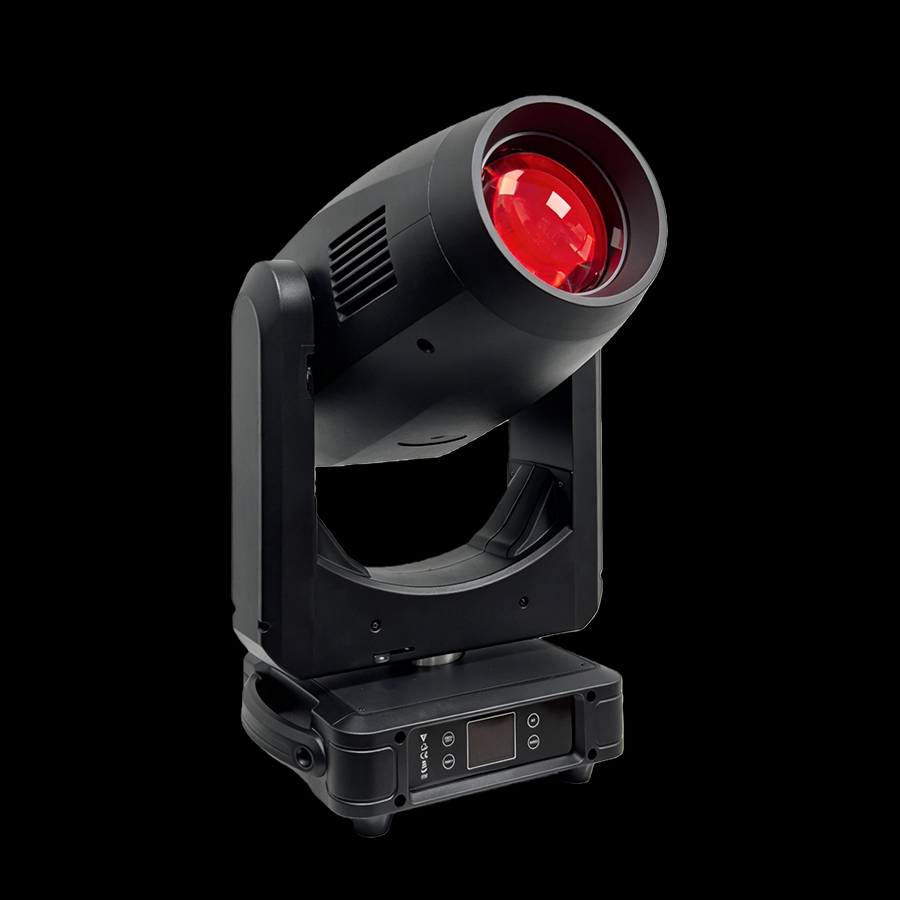
The 1000W LED profile 4-in-1 moving head integrates four core lighting effects: imaging, beam, pattern, and wall washing. It delivers powerful and full light output with precise and delicate light control, making it suitable for top-tier professional scenarios such as large-scale concerts, theater shows, and cultural tourism performances.
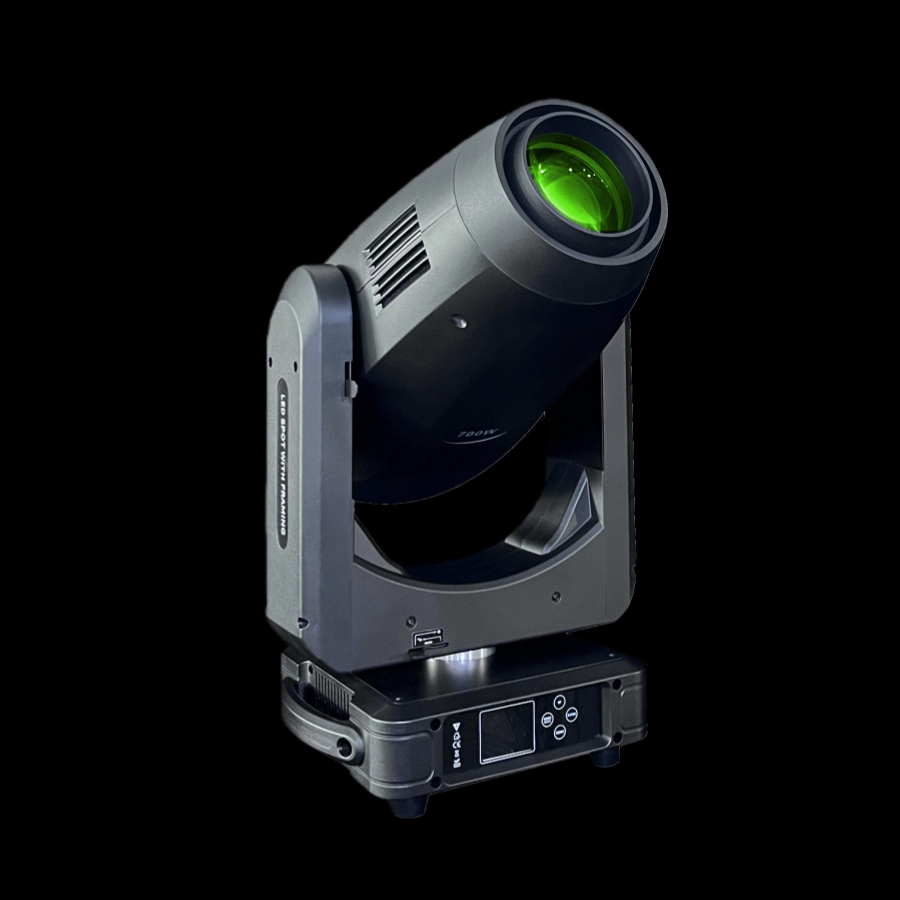
The 700W LED profile 4-in-1 moving head integrates four lighting effects: imaging, beam, pattern, and wall washing. Its high-power output delivers bright and full light, with precise and delicate light control, making it suitable for professional scenarios such as large-scale concerts, theater shows, and high-end performance venues.
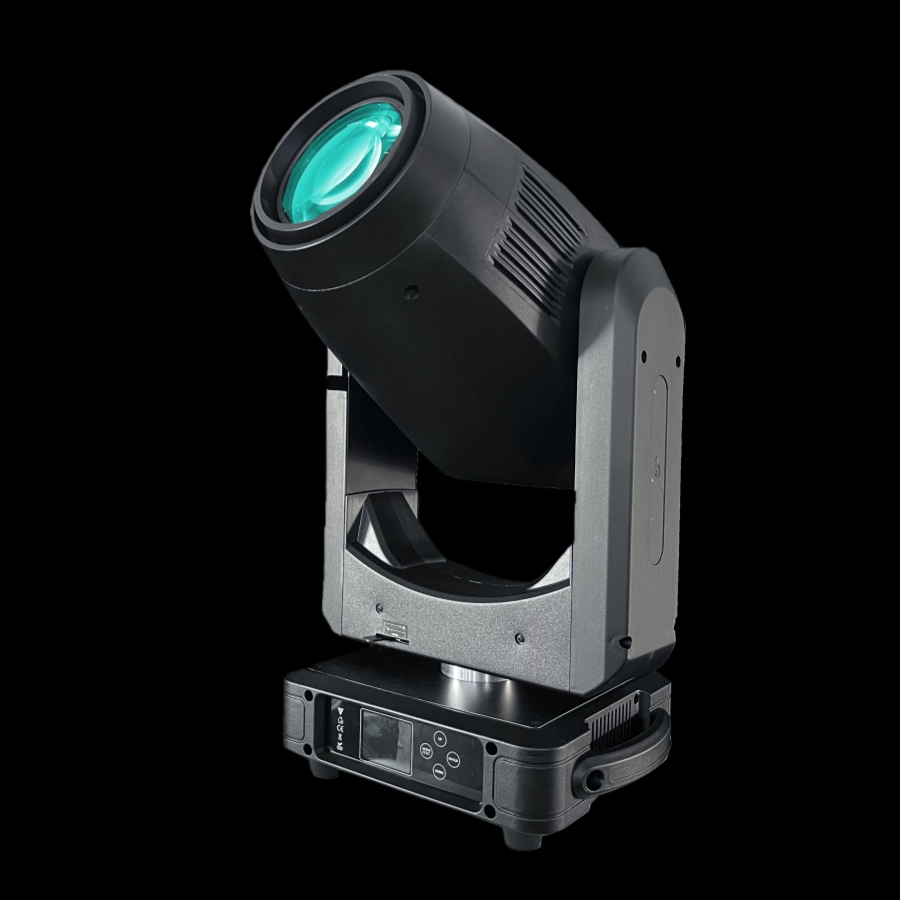
The 460W LED BSW 3-in-1 moving head integrates three core lighting effects: beam, pattern, and wall washing. The 460W high-power LED provides strong light output, and with CMY color mixing and CTO linear color temperature adjustment, the beam is sharp, the color is uniform, and the pattern is clear. It has a high-precision 540° horizontal and 270° vertical tilt, making it suitable for professional stage scenarios such as concerts, theater performances, and cultural tourism live shows.
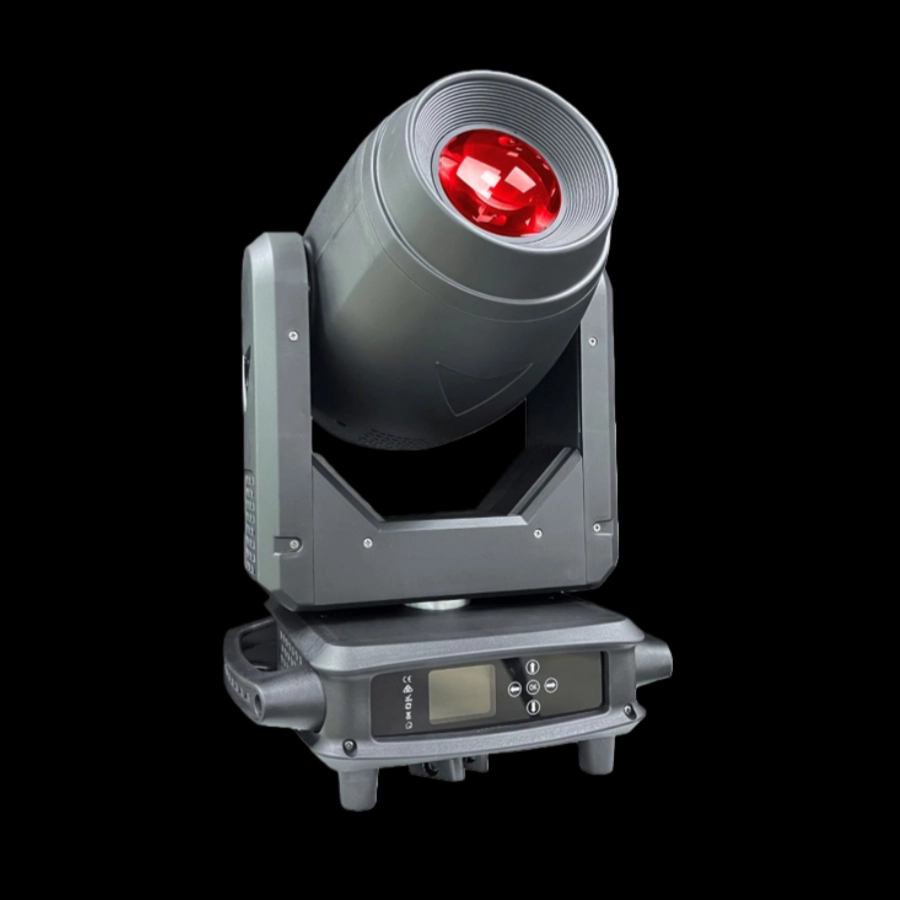
The 200W LED BSW 3-in-1 moving head integrates three lighting effects: beam, pattern, and wall washer. Its power is suitable for small and medium-sized scenes, and its light control is precise and flexible, making it suitable for creating light and shadow effects in bars, theaters, small and medium-sized performances, and other occasions.
If you have any comments or good suggestions, please leave us a message, later our professional staff will contact you as soon as possible.
Lighting Innovators
Uplus Lighting is a leading integrated company specializing in R&D, design, production, and sales of stage lighting solutions.
 Scan QR Code
Facebook
Instagram
YouTube
VK