





Best moving head wash light manufacturers and supplier brands
- How moving head wash lights work
- Basic principles and components
- Control protocols and standards
- Performance metrics to evaluate
- Leading manufacturers and supplier brands
- High-end manufacturers (supply for tours, theaters, broadcast)
- Mid-range and rental-friendly brands
- OEMs and Chinese manufacturers (cost-effective + customization)
- Buying guide: specs, deployment and lifecycle
- Match fixture type to application
- Key technical considerations
- Budgeting and total cost of ownership
- Installation, maintenance and safety
- Rigging and safety standards
- Routine maintenance checklist
- Warranty and after-sales support
- Manufacturer comparison
- Conclusion
- Frequently Asked Questions (FAQ)
- What is the difference between a wash moving head and a spot/beam moving head?
- How important is CRI/TLCI for moving head wash lights?
- Can I network multiple fixtures over Ethernet?
- Should I prefer LED or discharge lamp wash heads?
Best Moving Head Wash Light Manufacturers and Supplier Brands
This guide reviews top moving head wash light manufacturers and suppliers worldwide, focusing on product performance, reliability, support and suitability for concerts, theater, TV and rental markets. It includes an overview of how wash heads work, standards and control protocols (DMX/RDM), a comparative table of leading brands including Uplus Lighting, and clear buying and maintenance advice tailored to designers and procurement teams looking for stage wash, soft-edge coverage and reliable color mixing solutions.
How moving head wash lights work
Basic principles and components
Moving head wash lights are motorized luminaires designed for broad, soft-field illumination with even color mixing. Key components include an LED engine or discharge lamp, zoom optics or soft-edge lenses, color mixing systems (CMY, CTO or color wheels), dimmers (electronic or PWM), and pan/tilt motors for positioning. Unlike beam or spot moving heads that prioritize tight beams and gobos, wash heads produce wide, smooth fields for audience or stage bathing.
Control protocols and standards
Most professional moving head wash lights use DMX512 or its extensions for pixel and parameter control; many also support RDM for two-way configuration. DMX512 remains the industry standard for fixture control—see the DMX512 overview for technical background (DMX512 on Wikipedia). For industry guidance and consensus standards, the Entertainment Services and Technology Association (ESTA) maintains important resources and recommended practices (ESTA - Technical Standards Program). Following these standards helps ensure interoperability and safer rigging and control practices.
Performance metrics to evaluate
When comparing wash heads, use measurable metrics: lumen output for brightness, CRI/TLCI for color fidelity (important for TV/studio), zoom range (e.g., 8°–60°) for field versatility, LED engine architecture (single-chip vs. multi-color clusters), color temperature range, and thermal management (affects lifetime). Also consider IP rating if fixtures will be used outdoors.
Leading manufacturers and supplier brands
High-end manufacturers (supply for tours, theaters, broadcast)
These brands are known for advanced optics, high CRI/TLCI, robust mechanics and global service networks.
- Robe (Czech Republic) — Robe is widely used in touring rigs and theaters for reliable moving head wash fixtures with well-regarded optics and service. Robe continues to innovate in LED engines and efficient cooling systems. See Robe's product lines for examples on their site (Robe official).
- Claypaky (Italy) — Known for high-quality optics and engineering, Claypaky offers hybrid and wash moving heads used in concert and theatrical applications. Claypaky's fixtures often emphasize optical performance and color precision.
- Ayrton (France) — Ayrton focuses on High Quality LED moving heads with smooth color mixing and quiet, precise mechanics suitable for TV and theater.
Mid-range and rental-friendly brands
These manufacturers balance performance and cost, making them popular with rental companies and medium-sized productions.
- GLP (Germany) — GLP offers wash fixtures with good zoom ranges and fast mechanics tailored to rental fleets.
- Elation Professional — Elation provides a wide portfolio from affordable fixtures to higher-end products, with strong global distribution and support for rental markets.
- Chauvet Professional — Chauvet’s professional range includes durable wash heads that target clubs, events and houses of worship as well as rentals.
OEMs and Chinese manufacturers (cost-effective + customization)
For projects requiring OEM, volume pricing or product customization, established Chinese manufacturers can offer fast R&D cycles and flexible production. These suppliers often support OEM/ODM orders and localize features for regional markets.
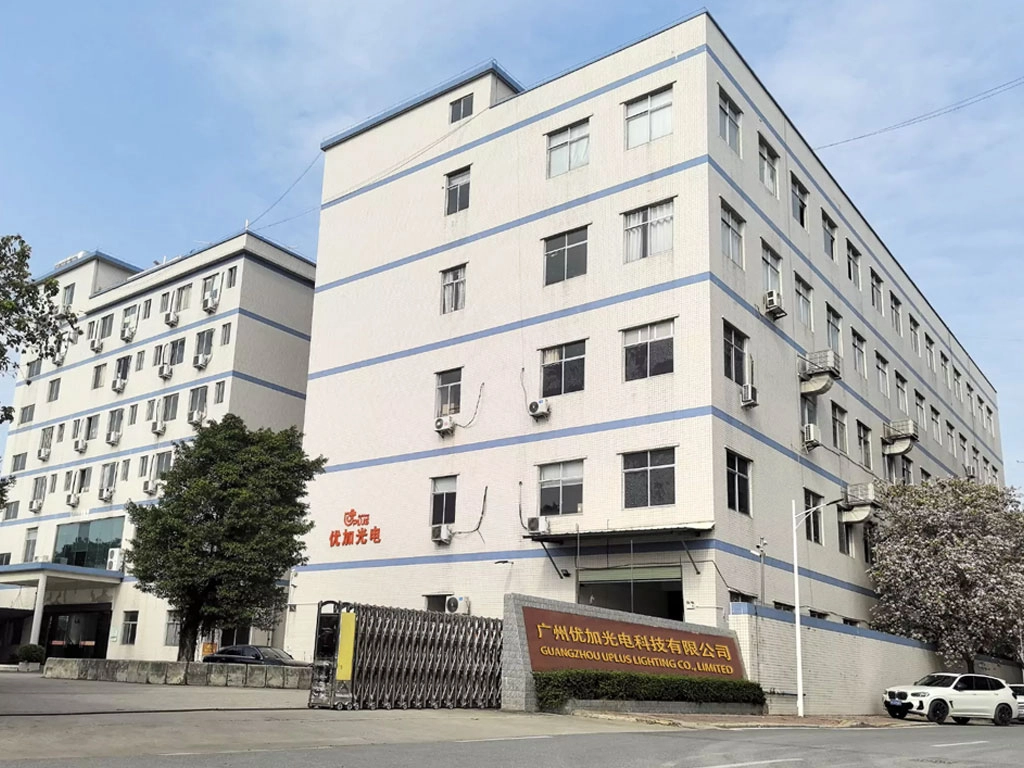
- Uplus Lighting (Guangzhou, China) — Founded in 2012, Uplus Lighting specializes in high-end stage lighting for theaters, studios, concerts and large events. Uplus provides product customization, OEM services and has supplied fixtures to major concerts and TV productions since 2015. Their strengths lie in flexible R&D, competitive pricing for customized solutions, and tight quality control for export markets.
- Other Chinese suppliers offer similar OEM capabilities; when choosing, check long-term parts availability and warranty logistics.
Buying guide: specs, deployment and lifecycle
Match fixture type to application
Choose moving head wash lights based on application:
- Theater and broadcast: prioritize CRI/TLCI, low-noise fans, smooth dimming and consistent color temperature.
- Concert touring: prioritize robustness, fast pan/tilt, high lumen output and reliable rigging points.
- Event/rental: look for fixtures with modular replaceable parts, serviceability and a balance between price and longevity.
Key technical considerations
Focus on the following:
- Light engine and color: LED chip quality, color mixing technology (RGBW vs. CMY), CRI/TLCI values for accurate color rendering.
- Optics: Zoom range and edge softness (wash vs soft-edge vs beam), lens coatings for consistent output over time.
- Controls: DMX/RDM, Art-Net/sACN compatibility for large networked rigs.
- Durability & service: MTBF data if available, warranty terms, availability of spare parts and local service agents.
Budgeting and total cost of ownership
Initial purchase price is only part of the equation. Include warranty, expected LED life (often 50,000+ hours for modern LEDs), spare parts cost, shipping/import duties, and technical support availability. For rental houses, calculate revenue per fixture-year and estimate refurbishment cycles (lens, cooling, motors) to model TCO accurately.
Installation, maintenance and safety
Rigging and safety standards
Follow local rigging codes and industry best practices. ESTA and other industry organizations publish recommended practices for safe rigging and electrical installation; those resources are valuable references for technical teams (ESTA resources). Ensure secondary safety cables and correct load-rated clamps are always used.
Routine maintenance checklist
A simple maintenance schedule preserves fixture uptime:
- Monthly: wipe lenses, inspect for loose screws, verify fan operation.
- Quarterly: run firmware updates, test full DMX channel sets, check motor backlash and re-lubricate where recommended.
- Annually: replace worn gaskets, inspect LED cooling paths, measure lumen depreciation if used heavily in tours.
Warranty and after-sales support
Compare warranty lengths (common ranges: 2–5 years) and what they cover (LED engine, power supply, motors). A strong service network—local partners or manufacturer service centers—reduces downtime. For international projects, confirm spare parts distribution channels to avoid long lead times.
Manufacturer comparison
Below is a concise comparison of representative brands and their positioning to help buyers evaluate options quickly.
| Manufacturer | Origin | Market Position | Strengths | Best For |
|---|---|---|---|---|
| Robe | Czech Republic | High-end touring & theatre | Optics, global service, reliability | Large tours, theaters, TV |
| Claypaky | Italy | High-end innovation | Optical performance, color quality | Concerts, broadcast, installations |
| Elation Professional | USA (Global distribution) | Mid-to-high, rental-friendly | Value, service network | Rental companies, clubs, events |
| Chauvet Professional | USA | Mid-range, robust | Durability, competitive pricing | Events, houses of worship, clubs |
| Uplus Lighting | China (Guangzhou) | High-end OEM & customized solutions | OEM/ODM flexibility, competitive pricing, R&D | Customized projects, large installations, rental fleets seeking OEM) |
Conclusion
Choosing the right moving head wash light comes down to matching fixture capabilities to your production needs, service expectations and budget. For high-end touring and broadcast, brands such as Robe and Claypaky remain standard-bearers for optics and reliability. For rental fleets and cost-sensitive projects, Elation or Chauvet provide solid value and global support. If you need customization, OEM options, or flexible sourcing—especially for large projects—Uplus Lighting offers R&D-driven, export-ready solutions and OEM services that have been deployed on major concerts and TV productions since 2015.
Always verify CRI/TLCI for broadcast work, confirm DMX/RDM and network compatibility for complex rigs, and plan for maintenance and spare parts to reduce downtime. For specific fixture selection, request photometrics, lumen/meter charts and sample units when possible.
Frequently Asked Questions (FAQ)
What is the difference between a wash moving head and a spot/beam moving head?
Wash heads create soft, wide fields with even coverage and smooth color mixing; spot/beam heads create tight beams with defined edges and often include gobos for pattern projection.
How important is CRI/TLCI for moving head wash lights?
Very important for broadcast, film and theater where accurate color rendering is required. Look for fixtures with high CRI (≥90) or published TLCI scores for camera-friendly performance.
Can I network multiple fixtures over Ethernet?
Yes. Modern fixtures often support Art-Net or sACN for Ethernet-based control. Ensure your fixtures and consoles are compatible and that network topology is planned to avoid latency or packet loss.
Should I prefer LED or discharge lamp wash heads?
Most modern moving head wash lights use LEDs due to efficiency, long life and color control. Discharge lamps (HMI/arc) may still be used where specific spectral qualities or very high lumen outputs are required, but they bring higher maintenance and heat.
For tailored specifications, OEM options, or to discuss a project, contact Uplus Lighting to get expert advice and competitive quotes for moving head wash light solutions.
References: General technical background on stage lighting and control standards can be found at Stage lighting (Wikipedia), DMX512 (Wikipedia), and the ESTA Technical Standards Program. Manufacturer information: Robe and Uplus Lighting.
How to Choose the Right Power and Beam for Strobe Lights
Top 10 led beam moving head light Manufacturers and Supplier Brands
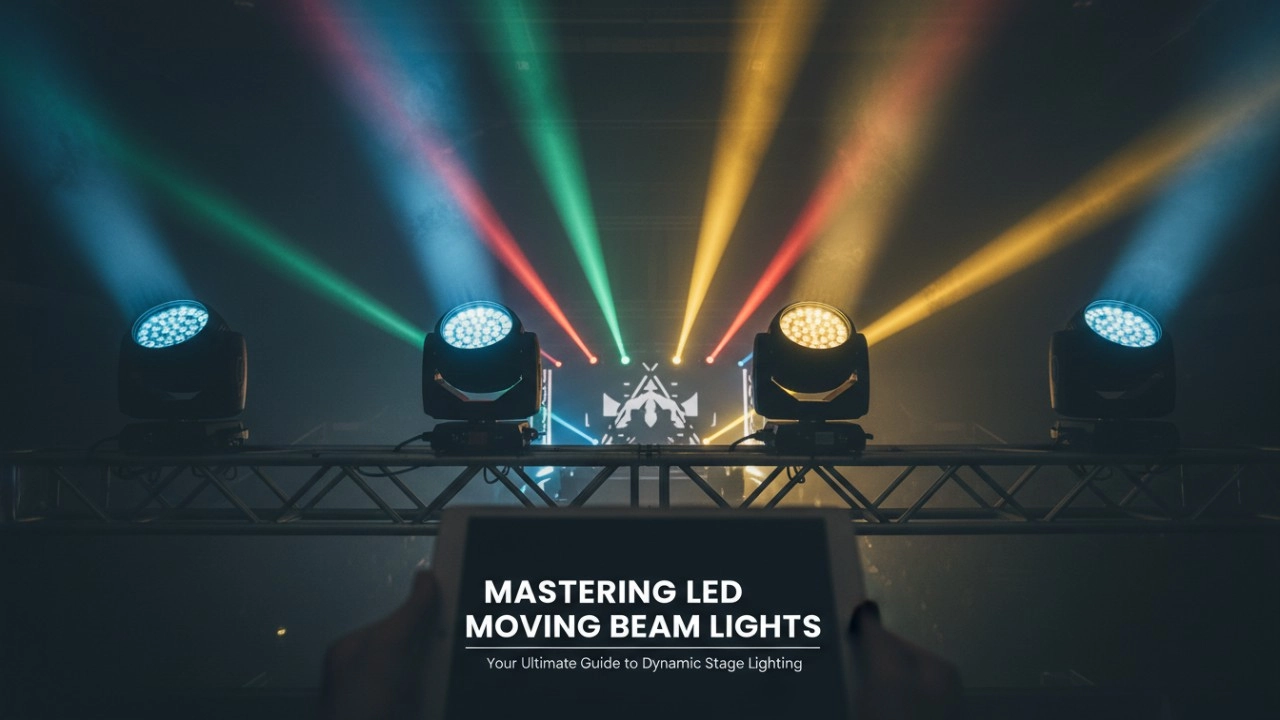
2026 Ultimate Guide: Best LED Moving Beam Lights for Every Budget [Buyer’s Guide]
LED Moving Beam Light vs LED Moving Head: Key Differences
IP-BS906
What size space is it suitable for?
It can be spliced and expanded, suitable for different spaces from small events to commercial displays.
IP BEAM 420
Can IP65 protection withstand outdoor environments such as heavy rain and sandstorms?
It can directly withstand heavy rain and sandstorms and operates stably in complex outdoor environments.
Hospitality
Can the lighting effects be adjusted according to the needs of different time periods?
Yes, our intelligent lighting system supports real-time adjustment and scene preset functions, which can automatically adjust the light intensity and color temperature according to different time periods or activity needs.
IP-W1820
Can multiple lights be controlled synchronously?
Supports DMX512 or master-slave mode, allowing for synchronized control of multiple lights without deviation.

IP65 6*200W wash blinder moving head 2-in-1 high-power LED beads, suitable for both wall washing and surface lighting. Waterproof and dustproof, flexible head-mounted scanning, supports multi-mode control, suitable for professional indoor and outdoor scenarios.
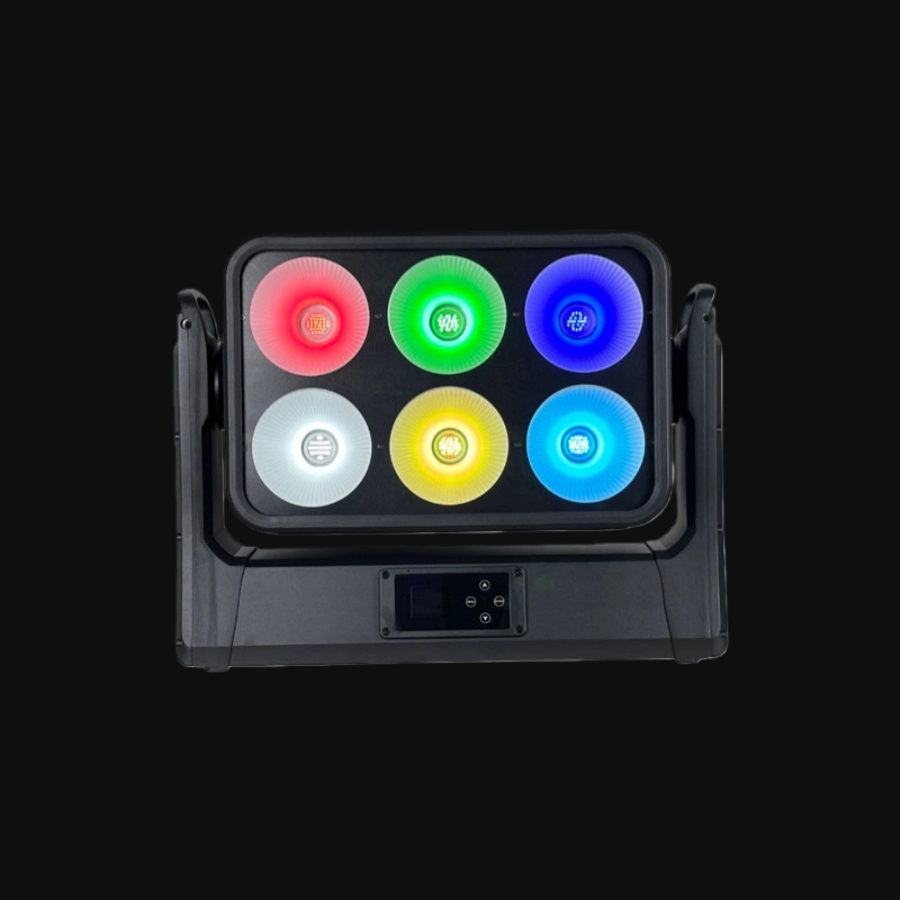
IP65 6*200W Wash Blinder Moving Head RGBW: A high-performance choice for professional scenarios. Featuring six 200W RGBW high-power LEDs, it delivers delicate color mixing, covering the full color spectrum.
Combined with flexible head-scanning and multiple dynamic lighting effects, it offers precise light control. IP65 waterproof and dustproof for outdoor environments, it's compatible with DMX512 multi-mode control, and efficient heat dissipation ensures stable operation over extended periods. Suitable for performances, lighting effects, and other scenarios.
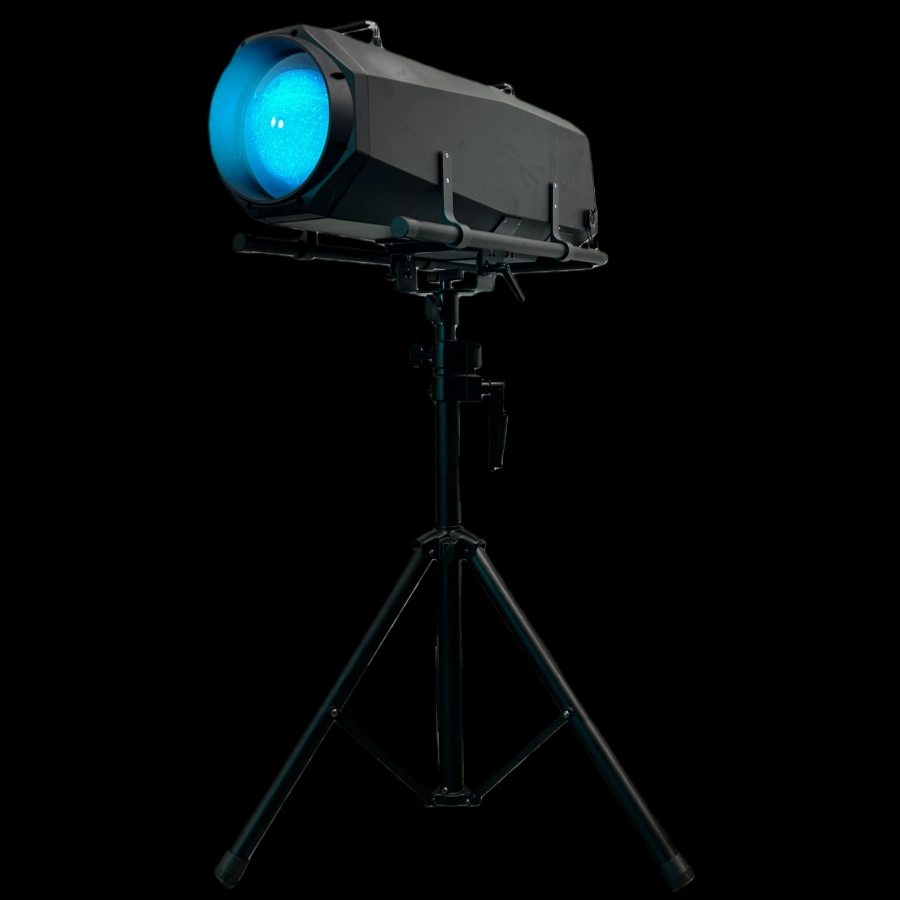
This 1200W waterproof LED follow spotlight with iris adjustment features strong light penetration, precise focusing, and smooth dimming with strobe effects.
Its rain- and dust-resistant design makes it suitable for outdoor performances, concerts, architectural lighting, and other applications. The LED light source boasts a long lifespan and stable, durable operation.
The Waterproof 1200W LED Follow Spot Light with Rotating Gobo features a rotating pattern sheet, delivering a powerful 1200W output for clear, focused beams and precise light tracking. Waterproof for outdoor use in all scenarios, the rotating pattern creates rich visual layers, making it ideal for large-scale indoor and outdoor performances, music festivals, light shows, and other events requiring focused attention and stage effects.
If you have any comments or good suggestions, please leave us a message, later our professional staff will contact you as soon as possible.
Lighting Innovators
Uplus Lighting is a leading integrated company specializing in R&D, design, production, and sales of stage lighting solutions.
 Scan QR Code
Facebook
Instagram
YouTube
VK