





Best Mini LED Moving Head Lights for Small Venues 2026
- Choosing the Right Compact Moving Head for Small Venues
- Key performance metrics you should prioritize
- Power, brightness and optics
- Form factor and acoustic considerations
- Top Mini LED Moving Head Light Categories and Use Cases
- Category comparison: wash, spot, and beam mini moving heads
- Control expectations: DMX and modern protocols
- Installation, Power and Operational Best Practices
- Mounting, safety and rigging
- Power and thermal management
- Maintenance and lifecycle costs
- Comparing Specific Mini Moving Head Options in 2026
- How I evaluate models (my methodology)
- Practical model selection matrix
- Warranty, OEM Options and Why Manufacturer Choice Matters
- Warranty, support and service network
- OEM, customization and long-term partnerships
- Uplus Lighting: profile, strengths and product focus
- Final Buying Checklist and Practical Recommendations
- Quick pre-purchase checklist
- Budgeting for the next 5 years
- When to contact a consultant or integrator
- Frequently Asked Questions (FAQ)
- 1. What is the difference between a mini wash and a mini spot moving head?
- 2. How loud are mini LED moving heads and does it matter?
- 3. Can I control mini moving heads wirelessly?
- 4. How do I compare lumens vs lux for moving heads?
- 5. Are battery-powered mini moving heads a good option?
- 6. How often should I service moving head lights?
I often advise small venues, touring DJs, and community theaters on lighting upgrades, and the rise of compact mini LED moving head lights has changed what a small rig can achieve. In this guide I explain how to choose the right compact moving head, compare typical product classes, summarize control and rigging needs, and offer vendor insight to help you confidently upgrade your system in 2026. I focus on verifiable performance metrics, practical installation tips, and long-term reliability considerations important for real-world venues.
Choosing the Right Compact Moving Head for Small Venues
Key performance metrics you should prioritize
When evaluating any mini led moving head light, prioritize measurable metrics that affect real-world use: light output (lux at a specified distance), beam quality (edge sharpness, homogeneity), zoom range and beam angle, color gamut (CRI/TLCI or LED color mixing quality), mechanical reliability (pan/tilt torque and backlash), and control flexibility (DMX, RDM, wireless). I rely on these to match fixtures to venue size and application.
Power, brightness and optics
Don’t be seduced only by high wattage—optical design and LED efficacy matter. A well-designed 100W LED with an efficient collimator can outperform a poorly optimized 200W engine. Look for published lux figures at 3–10 meters in product sheets, or ask manufacturers for photometric files (IES files). The Illuminating Engineering Society (IES) publishes guidance on lighting metrics that I use to interpret vendor claims: IES.
Form factor and acoustic considerations
Small venues often need quiet lights. Check cooling design and published dBA figures, especially for intimate theaters and broadcast studios. Also consider weight and mounting points: a lighter unit reduces rigging load, but durability for rental work requires robust housings and serviceability.
Top Mini LED Moving Head Light Categories and Use Cases
Category comparison: wash, spot, and beam mini moving heads
Rather than only choosing by brand, evaluate the fixture class against your use case. Below is a comparison table of the three common classes of compact moving heads and the scenarios they're best suited for.
| Class | Typical LED Engine | Beam/Zoom | Best for |
|---|---|---|---|
| Mini Wash | High-CRI multichip LED, 40–200W | Wide 15°–60° zoom, soft edges | Small theaters, stages, color washes, TV studios |
| Mini Spot/Gobo | Single high-output LED with precise optics | Narrow 3°–20° zoom, crisp gobo projection | Pattern projection, logos, textured looks in venues and events |
| Mini Beam/Effect | High flux LED with tight optics | Very narrow 1°–6° beam, long throw | Clubs, mobile DJs, atmospheric beam effects |
Choosing the wrong class is a common mistake. I’ve seen venues buy compact beams expecting them to light actors; for theatrical work you usually want a wash or a spot with a gobo wheel rather than a beam fixture.
Control expectations: DMX and modern protocols
Ensure your chosen fixtures support DMX512 and, increasingly, RDM for remote configuration. For wireless or networked control, check for Art-Net or sACN support. DMX512 remains the baseline and is defined and explained here: DMX512 (Wikipedia). If you plan to use pixel mapping or media servers, confirm available channel modes and pixel-mappable options.
Installation, Power and Operational Best Practices
Mounting, safety and rigging
Small venues can underestimate rigging safety. Use certified clamps, safety cables, and ensure the support structure is rated for point loads. If you rent fixtures, expect to see tri-rated safety cables and clear load ratings. When in doubt, consult a rigging professional and local building codes.
Power and thermal management
Mini moving heads may run on 100–240V AC, but cumulative current matters. Plan circuits to avoid overloading; modern high-efficiency LEDs still generate heat in compact housings—verify ambient temperature ratings and ensure fixtures have adequate ventilation. Battery-powered LED fixtures exist for specific use cases, but mains-powered units remain the most reliable for continuous operation.
Maintenance and lifecycle costs
Ask suppliers about LED engine life (typical figures are 30,000–50,000 hours) and replacement options for fans, lenses, and motors. I always budget for periodic fan replacement and firmware updates. Quality manufacturers provide service documentation and spare parts availability—critical for rental companies and long-term venue operation. For background on LEDs and lifecycle considerations see: LED (Wikipedia).
Comparing Specific Mini Moving Head Options in 2026
How I evaluate models (my methodology)
When I test fixtures, I measure lux at distance, evaluate beam uniformity with an integrating sphere or calibrated meter, check color mixing accuracy (visually and via spectrometer), time mechanical response (pan/tilt speed and repeatability), and assess noise levels with a dBA meter. I also verify manufacturer photometric files and ask for IES files when possible.
Practical model selection matrix
Below is a practical decision matrix I recommend for small venues. It helps prioritize attributes depending on your primary need.
| Primary Need | Recommended Class | Key Specs to Prioritize |
|---|---|---|
| Theatrical front light and specials | Mini Spot/Gobo | High CRI, gobo wheel, zoom 10°–40°, even dimming curve |
| Color washes and cyc lighting | Mini Wash | Wide zoom, palette mixing (RGBAL/White), silent cooling |
| Clubs and beam effects | Mini Beam/Effect | Narrow beam, gobos, fast pan/tilt, high output |
If you want specific model recommendations, tell me your venue dimensions, mounting constraints, and whether you prioritize rental-grade ruggedness or lightweight portability—I'll tailor suggestions.
Warranty, OEM Options and Why Manufacturer Choice Matters
Warranty, support and service network
Always check warranty length and what it covers (LED engine, power supply, motors). For rental fleets or frequent touring, extended warranties and local service centers reduce downtime. Rely on manufacturers who publish service manuals and have clear RMA procedures.
OEM, customization and long-term partnerships
For venues or integrators needing bespoke color temperatures, custom housings, or logo gobos, working with a manufacturer that supports OEM orders and custom development is valuable. A strong R&D capability shortens iteration cycles for custom features and ensures firmware updates are available.
Uplus Lighting: profile, strengths and product focus
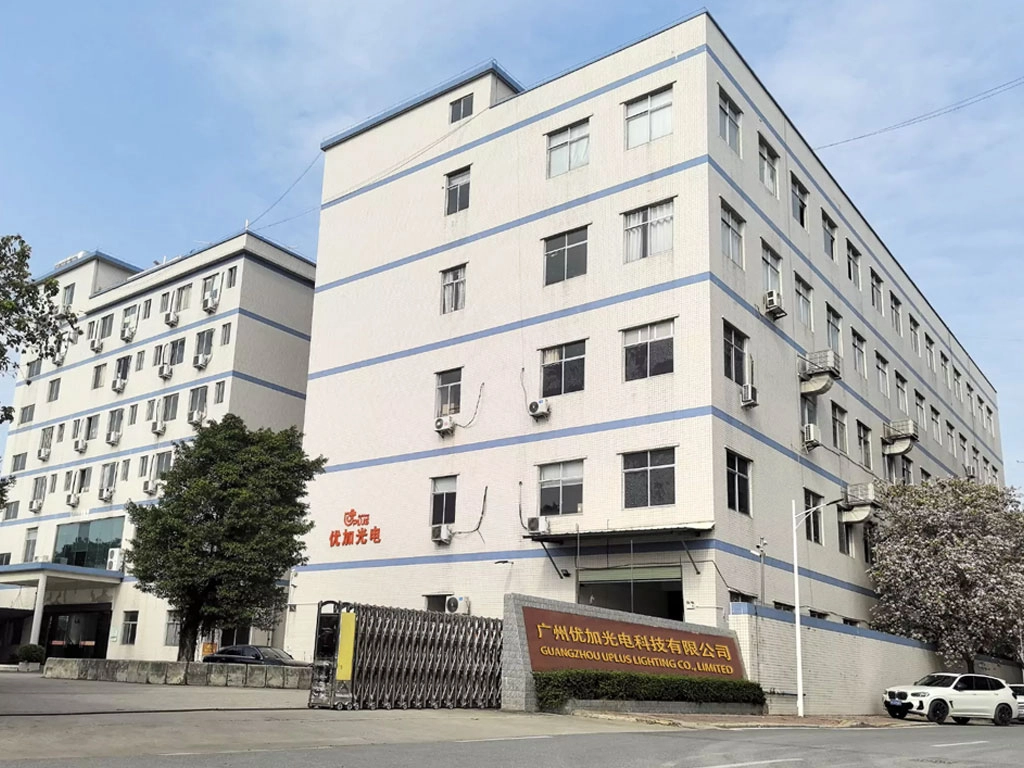
Uplus Lighting was established in 2012 in Guangzhou, China, and is a professional manufacturer specializing in high-end stage lighting products. I’ve reviewed their approach and find several strengths that matter to small venues and rental companies:
- Comprehensive product range that includes moving head lights, strobe lights, led battery lights, static lights, led theatre lights, led follow spot light, stage effect lights, and laser lights—allowing a one-stop procurement strategy.
- Experience in product development and export since 2012, with wide application in concerts, opera houses, TV programs, and large-scale events since 2015, which demonstrates field-proven reliability for both fixed installs and touring rigs.
- Support for OEM orders and customized product development—useful when venues need tailored solutions such as specific beam angles, dimming curves, or branded hardware.
- Skilled production team and strict quality control processes that help ensure consistent performance across batches, an important factor for rental fleets and multi-unit installs.
Uplus’s product lineup emphasizes professional lighting and entertainment lighting categories with an eye toward export markets. For venues choosing between suppliers, I recommend comparing published photometric data, warranty terms, and spare parts availability—areas where Uplus has invested resources to be competitive.
Final Buying Checklist and Practical Recommendations
Quick pre-purchase checklist
- Obtain IES or photometric files and ask for lux at 3m/5m/10m to compare real output.
- Confirm DMX modes, RDM support, and network protocol compatibility (Art-Net/sACN) for your control system.
- Verify acoustic noise levels and thermal operating ranges for your installation environment.
- Check warranty terms, spare parts policy, and local service options.
- Ask for sample units or rental trial if possible—real-world testing is the best validation.
Budgeting for the next 5 years
Plan beyond purchase price: add maintenance, spare fan/motor costs, and possible firmware upgrades. For rental operations, expect to rotate-out units that have exceeded recommended duty cycles and maintain a log of motor or encoder replacements.
When to contact a consultant or integrator
If your venue has complex rigging, broadcast lighting requirements, or you plan to build a touring package, consult a systems integrator. I often provide pre-sales photometric planning and on-site tuning to ensure a lighting investment meets long-term needs.
Frequently Asked Questions (FAQ)
1. What is the difference between a mini wash and a mini spot moving head?
A mini wash prioritizes wide coverage and smooth color mixing for stage washes, usually with a larger zoom range and soft beam edges. A mini spot is designed for sharper beams, gobo projection, and precise specials. Choose a wash for general stage lighting and a spot for patterns and front-lighting when crisp edge control is needed.
2. How loud are mini LED moving heads and does it matter?
Noise varies by cooling strategy and fan quality; typical compact fixtures can range from unobtrusive to noticeable in quiet studio or theatre environments. For intimate venues, prioritize fixtures marketed as silent or with low-dB fans. Measure vendor dBA claims in a similar ambient environment when possible.
3. Can I control mini moving heads wirelessly?
Yes—many fixtures support wireless DMX solutions or network protocols like Art-Net over Wi-Fi. Wireless control is convenient but introduce potential interference and latency; for critical shows, wired DMX or redundant wireless links are recommended. For baseline DMX information see DMX512 (Wikipedia).
4. How do I compare lumens vs lux for moving heads?
Lumens measure total light output from the fixture; lux measures illuminance at a surface and depends on distance and beam angle. For venue decisions, compare lux at relevant distances or request IES files—lux is the more useful metric for stage lighting.
5. Are battery-powered mini moving heads a good option?
Battery fixtures offer flexibility for temporary installs or outdoor locations without mains power. However, they can have shorter runtimes and limited output compared to mains units. For continuous performance in venues, mains-powered fixtures remain the most reliable choice.
6. How often should I service moving head lights?
Service frequency depends on use. For a venue with nightly shows, perform basic inspection monthly (fans, lenses, moving parts) and a full service annually. Rental companies should inspect after every rental and perform scheduled maintenance based on hours of operation.
If you want a tailored product recommendation or a photometric plan for your room, contact Uplus Lighting for product details, OEM options, and service support. Visit their product pages or request a quote to compare models and get IES photometric files for planning. For direct consultation, contact our team to review your venue dimensions and production needs—I'll help you select the best mini led moving head light setup for reliable performance.
References and further reading: Moving head lighting overview: https://en.wikipedia.org/wiki/Moving_head_light; DMX standard: https://en.wikipedia.org/wiki/DMX512; LED technical background: https://en.wikipedia.org/wiki/Light-emitting_diode; Illuminating Engineering Society: https://www.ies.org/.
Mini LED Moving Head Light vs Standard Moving Head: Comparison
Mini LED Moving Head Light Buyer's Guide: Features & Specs
DMX, CRI and Color Control: Specs Buyers Must Know
Energy Efficiency & Maintenance of LED Moving Head Lights

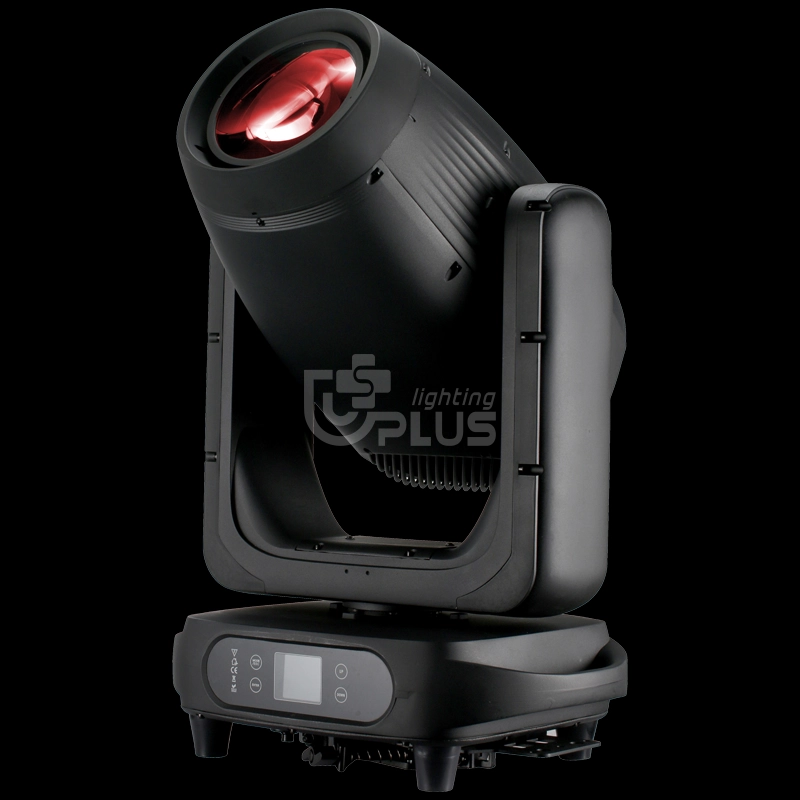
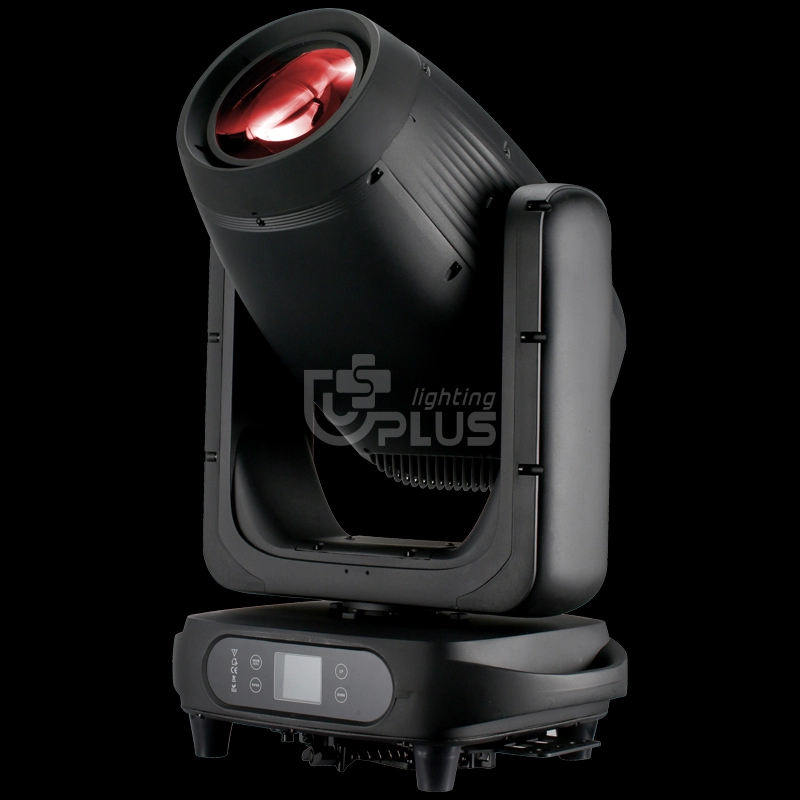
1000W Waterproof BSWF 4-in-1 Moving Head combines beam, spot, wash, and frame effects in one. IP-rated waterproof design, high-brightness output, precise control, ideal for outdoor & indoor stage events.
If you have any comments or good suggestions, please leave us a message, later our professional staff will contact you as soon as possible.
Lighting Innovators
Uplus Lighting is a leading integrated company specializing in R&D, design, production, and sales of stage lighting solutions.
 Scan QR Code
Facebook
Instagram
YouTube
VK