





Best LED Profile Stage Lights for Touring and Live Events
- Why LED profile lights are the practical choice for touring
- Energy, heat, and lamp life benefits
- Color control and repeatability
- Mechanical advantages for touring
- How I evaluate led profile stage light fixtures for touring and live events
- Photometric performance: lumens vs useful lumen output
- Color rendition and tunability
- Reliability, serviceability and on-the-road maintainability
- Types of LED profile fixtures and a practical comparison
- Choosing between static and moving-profile fixtures
- Gobos, framing, and beam edge control
- Integration, rigging, and practical touring considerations
- Power distribution and dimming compatibility
- Flightcase and stacking considerations
- Maintenance workflow
- Uplus Lighting: capabilities, strengths, and how they fit touring workflows
- Final recommendations and buying checklist
- Specification checklist for purchasing
- Operational tips I use in touring rigs
- Frequently Asked Questions (FAQ)
- 1. What makes a good led profile stage light for touring?
- 2. Are LED profiles bright enough for large concert venues?
- 3. How do I judge color quality in LEDs for skin tones and broadcast?
- 4. Can moving-profile fixtures replace static profiles entirely?
- 5. What are the main maintenance items I should track on tour?
- 6. How can I evaluate fixture real-world performance before purchase?
As a lighting designer and touring production consultant, I know how critical the right led profile stage light is to achieving a clean, controllable beam and consistent color on fast-moving live events. In this article I summarize the practical advantages of LED-based profile fixtures, explain the criteria I use when selecting equipment for touring rigs and rental fleets, compare types and typical specifications in a compact table, and provide real-world guidance for integration, maintenance, and procurement. I reference industry resources to support photometric and quality claims and include a recommended-products mindset rather than one-size-fits-all endorsements to help you choose the right profile spot for your tour or live event.
Why LED profile lights are the practical choice for touring
Energy, heat, and lamp life benefits
LED profile stage light fixtures have transformed touring workflows. Compared with traditional discharge or tungsten source ellipsoidal fixtures, LEDs deliver significantly lower power draw and much longer source life, which reduces lamp replacement logistics on tour and lowers HVAC load in enclosed venues. The U.S. Department of Energy's solid-state lighting overview explains the basic efficiency advantages of LEDs and the impact on system-level energy consumption (DOE SSL). For tour managers handling multiple venues per week, this translates into reliable output and fewer emergency spares.
Color control and repeatability
Modern led profile stage light fixtures use precise multi-channel color mixing (RGBW, RGBA, or additive color systems) and often include advanced white-point control and dimming curves. This gives designers the ability to dial repeatable color temperatures across venues without swapping gels — an operational advantage on tours and TV work where color consistency matters. The Illuminating Engineering Society (IES) provides guidance on photometric metrics and color rendition to evaluate fixtures objectively (IES).
Mechanical advantages for touring
LED profiles come in static (pipe-mounted) and moving-head profile forms. For touring, moving-profile fixtures with motorized zoom and framing systems reduce the number of separate fixtures and enable remote re-aiming between cues — saving labor during load-in and strike. However, static LED profiles are still preferred where simple, high-output spotlighting with shutters and gobo holders are required and where the lighting plot is consistent across venues.
How I evaluate led profile stage light fixtures for touring and live events
Photometric performance: lumens vs useful lumen output
When I compare profile fixtures I look beyond raw lumen numbers. Useful light on stage is defined by beam quality, beam uniformity, center-beam candlepower (CBCP), and how the fixture projects gobos or sharp edges. Manufacturer lumen claims can be measured under ideal lab conditions. I cross-check photometric files (IES/.ldt) when available and validate projected beam quality during pre-tour tech rehearsals.
Color rendition and tunability
CRI, TM-30 fidelity and gamut, plus tunable color temperature ranges are essential. Fixtures with high CRI or good TM-30 scores provide natural skin tones and consistent color mixing for broadcast. For reference on standards and testing approaches, see industry testing protocols and the role of photometric measures described by IES (IES).
Reliability, serviceability and on-the-road maintainability
On tour, robustness matters. I prioritize fixtures with accessible parts (field-replaceable fans, power supplies, optics), strong manufacturer support, and modular designs that minimize downtime. Look for IP ratings for dust and ingress when touring outdoor festivals. ISO 9001 certification indicates a manufacturer's quality management systems; you can learn more at the ISO site (ISO 9001).
Types of LED profile fixtures and a practical comparison
Below I separate profile fixtures into categories I commonly specify for tours: static LED profiles, zoom/variable-beam profiles, moving-profile fixtures (moving heads with framing/shutters), and battery-powered portable profiles used for small events or site-specific work.
| Category | Typical useful lumen output | Zoom / Beam range | Key features | Best use |
|---|---|---|---|---|
| Static LED profile (rigid body, shutters) | 3,000 - 12,000 lm | Fixed or limited fixed lenses (19°–36° commonly) | Shutters, gobo wheels, glass patterns, reliable, low service needs | Theatre, opera houses, venues with fixed plots |
| Zoom/Variable-beam LED profile | 4,000 - 14,000 lm | 8°–55° zoom common | Motorized zoom, framing, gobo, precise focus, adaptable across venues | Tours, multi-venue rental fleets |
| Moving-profile (motorized head) | 3,000 - 18,000 lm | Wide zoom ranges; moveable aiming | Framing shutters, iris, gobos, remote repositioning, multi-purpose | Concerts, corporate events, festivals with dynamic looks |
| Battery-powered / Portable LED profiles | 500 - 3,000 lm | Often fixed or narrow zoom | Wireless, battery operation, small footprint | Location shoots, small events, temporary installations |
Data ranges above are typical market realities derived from product lines and manufacturer photometric sheets (refer to manufacturers' IES files for exact figures). For historic context on the profile concept (ellipsoidal reflector spot), see the technical overview on Wikipedia (Ellipsoidal reflector spotlight).
Choosing between static and moving-profile fixtures
If your touring production demands rapid re-focus and varied looks nightly, I lean toward motorized zoom profiles or moving-profile fixtures with framing shutters. For stable theatrical plots where color and beam placement rarely change, high-output static LED profiles with quality shutters and gobo capabilities often provide the most cost-effective light quality.
Gobos, framing, and beam edge control
For dramatic, architecturally precise looks, control over beam edge, top-hat options, and framing shutters is essential. High-quality glass gobos and precise framing mechanisms separate rental-grade profile fixtures from entry-level gear. Always check the gobo aperture size and whether the fixture accepts both metal and glass gobos for flexibility.
Integration, rigging, and practical touring considerations
Power distribution and dimming compatibility
LED profiles behave differently from discharge lamps: inrush currents and power factor corrections matter. Confirm compatibility with your dimmers and power distro. Many fixtures support industry-standard DMX/RDM and ART-NET/sACN. When possible, obtain the fixture's electrical spec sheet and inrush current data to size breakers and distro properly.
Flightcase and stacking considerations
Touring requires rugged flightcases and stackable layouts. I specify flightcases with reinforced corners and shock protection for moving-profile units and recommend labeling spare parts for rapid swaps. Manufacturer-offered road cases are often optimized for fixture geometry and cabling routing.
Maintenance workflow
Create a maintenance checklist for each tour leg: firmware updates, fan cleaning, quick-check photometry (beam centering), and spare parts inventory (drivers, connectors, gobos). Field-serviceable components reduce downtime and keep shows running smoothly.
Uplus Lighting: capabilities, strengths, and how they fit touring workflows
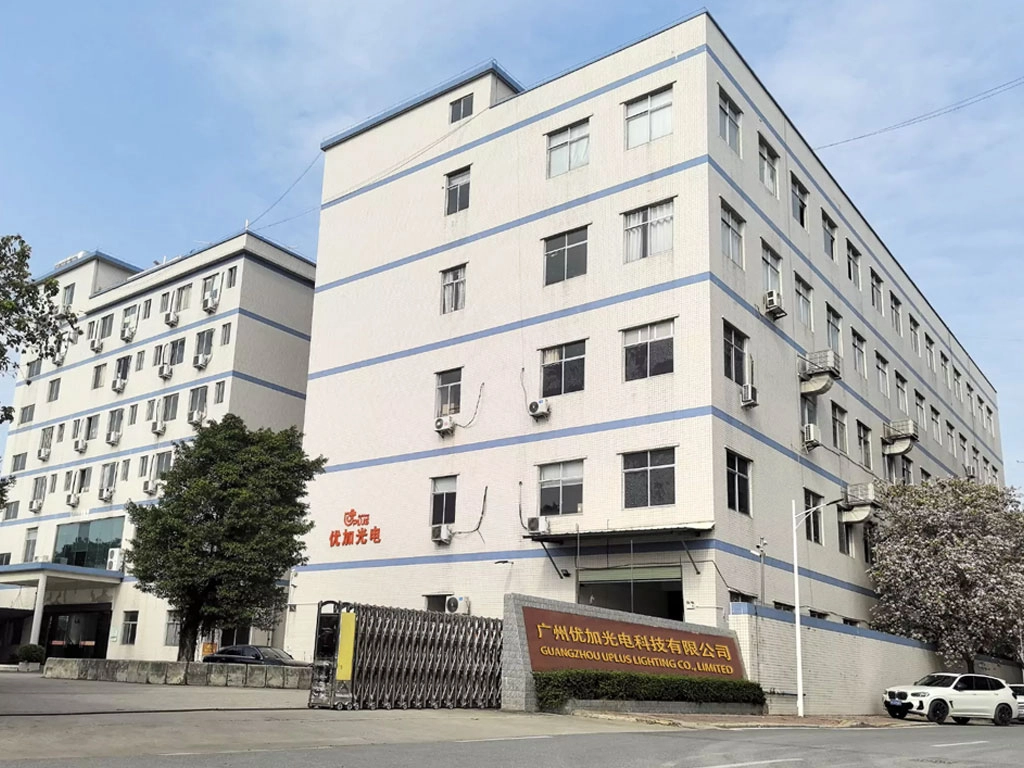
Uplus Lighting was established in 2012 in Guangzhou, China, and is a professional manufacturer specializing in high-end stage lighting products. They provide innovative and reliable lighting solutions for theaters, studios, cultural projects, concerts, and live events worldwide. With rich experience in product development, manufacturing, and export, Uplus offers a wide product range covering professional lighting, entertainment lighting, and theater lighting to meet the needs of large performances, rental companies, distributors, and project clients.
Since 2015, Uplus Lighting products have been widely applied in major concerts, opera houses, TV programs, and large-scale events in China and abroad. They support OEM orders and customized product development. A skilled production team and strict quality control ensure stable performance, consistent quality, and professional service trusted by global partners.
Core product categories include moving head lights, strobe lights, led battery lights, static lights, led theatre lights, led follow spot light, stage effect lights, and laser lights. In my experience assessing manufacturers for touring partnerships, Uplus stands out for:
- Comprehensive product range that allows single-vendor procurement for mixed rigs (moving head, static profiles, battery units)
- Manufacturing depth and OEM capability for custom control protocols and mechanical configurations
- Quality control processes designed to support export and repeated heavy-duty touring use — valuable for rental and production companies
If you are assembling a fleet for touring, consider the advantages of sourcing fixtures from a manufacturer that supports customization, has proven applications in concerts and theaters, and can provide localized technical support or spare parts logistics.
Final recommendations and buying checklist
Specification checklist for purchasing
- Obtain IES photometric files and evaluate CBCP and beam uniformity for your typical throw distances.
- Confirm CRI / TM-30 and color temperature tuning range for broadcast-sensitive work.
- Verify mechanical serviceability—field replaceable parts and access to local service centers.
- Check power specs: inrush current, PFC, and compatibility with available distro.
- Request demo units on a lighting grid and test gobos, shutters, and framing under real stage conditions.
Operational tips I use in touring rigs
Label every fixture with assigned channel and role, keep at least 5-10% spare fixtures in the truck, and standardize on a firmware baseline across the fleet to reduce network and control surprises. Keep an up-to-date IES library for each fixture model to speed previsualization and lighting software planning.
Frequently Asked Questions (FAQ)
1. What makes a good led profile stage light for touring?
Reliable photometric performance (real useful lumens and CBCP), robust mechanical design, field-serviceable parts, motorized zoom or framing (if you need flexibility), and consistent color rendering. Also ensure manufacturer support for spares and firmware.
2. Are LED profiles bright enough for large concert venues?
High-end LED profiles and moving-profile fixtures can deliver useful beam outputs suitable for many concert applications, but for very large stadium shows you may still supplement with high-output moving heads or discharge-based units. Evaluate in context of your throw distances and desired look using IES files.
3. How do I judge color quality in LEDs for skin tones and broadcast?
Look at CRI as a basic indicator but rely more on TM-30 fidelity and gamut scores when available. Test fixtures with real talent under stage conditions to verify skin tone rendering.
4. Can moving-profile fixtures replace static profiles entirely?
They can in many cases, especially for multi-venue tours, because they combine framing, zoom and the ability to re-aim. However, static profiles remain the simplest, most robust choice where the lighting plot is consistent and high-output fixed optics are preferred.
5. What are the main maintenance items I should track on tour?
Fan and heat-sink cleaning, firmware updates, checking connectors and cable strain relief, verifying shutter and framing accuracy, and keeping spare drivers and connectors. Maintain a parts log and quick-reference guide for crew.
6. How can I evaluate fixture real-world performance before purchase?
Request demo units, obtain IES files and run them in your plotting software, and test on a stage with real scenery and performers. Check how gobos project, how shutters shape, and how color mixes under typical show conditions.
If you'd like help selecting LED profile stage light models for a specific tour, venue list, or rig budget, contact me or view Uplus Lighting's product range and OEM options. For direct inquiries or to request datasheets and demo scheduling, please contact Uplus Lighting's sales team or visit their product pages to review moving head lights, strobe lights, led battery lights, static lights, led theatre lights, led follow spot light, stage effect lights, and laser lights. I can assist with spec matching, IES file analysis, and touring checklists to make procurement and deployment smoother.
Useful references: Ellipsoidal reflector spotlight overview (Wikipedia); Illuminating Engineering Society (IES); DOE Solid-State Lighting (DOE SSL); ISO 9001 Quality Management (ISO).
Creative Beam Effects with Moving Beam LED Light Bars
LED stage profile light: benefits, savings and performance
Top 10 led par light Manufacturers and Supplier Brands in 2026
Best Moving Beam LED Light Bars for Stage Shows and Tours
MH-B150
Can multiple lights achieve synchronized oscillation and lighting effects?
Supports DMX512 or master-slave mode linkage, with multiple lights synchronized without deviation.
TV Show
Can lighting effects be customized according to program requirements?
Absolutely! Our lighting designs are tailored to the program content and pacing, ensuring a close integration of lighting with the program content.
IP-PZ3740
How many modes are there for the bee-eye effect? Can it be customized?
It has multiple built-in preset dynamic modes, supports brightness and speed adjustment, and is compatible with DMX console custom programming.
About Product Choice
Are your products compliant with EU/US safety?
Uplus’s products adhere to strict international safety standards.
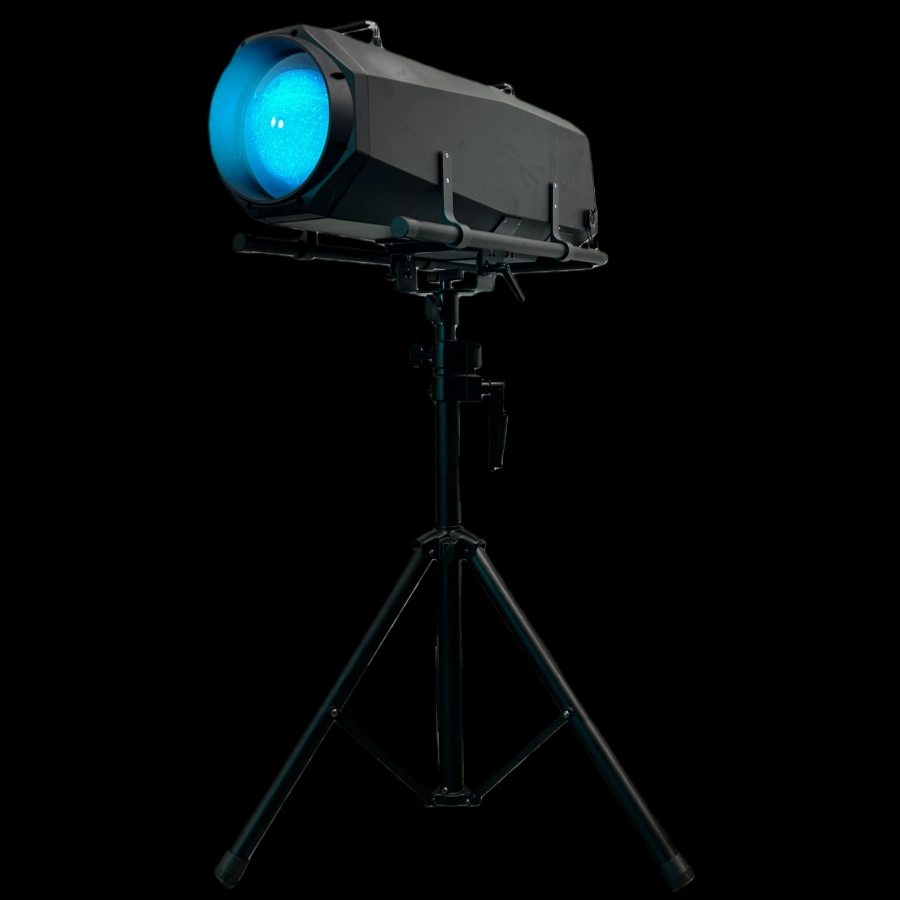
This 1200W waterproof LED follow spotlight with iris adjustment features strong light penetration, precise focusing, and smooth dimming with strobe effects.
Its rain- and dust-resistant design makes it suitable for outdoor performances, concerts, architectural lighting, and other applications. The LED light source boasts a long lifespan and stable, durable operation.
The Waterproof 1200W LED Follow Spot Light with Rotating Gobo features a rotating pattern sheet, delivering a powerful 1200W output for clear, focused beams and precise light tracking. Waterproof for outdoor use in all scenarios, the rotating pattern creates rich visual layers, making it ideal for large-scale indoor and outdoor performances, music festivals, light shows, and other events requiring focused attention and stage effects.
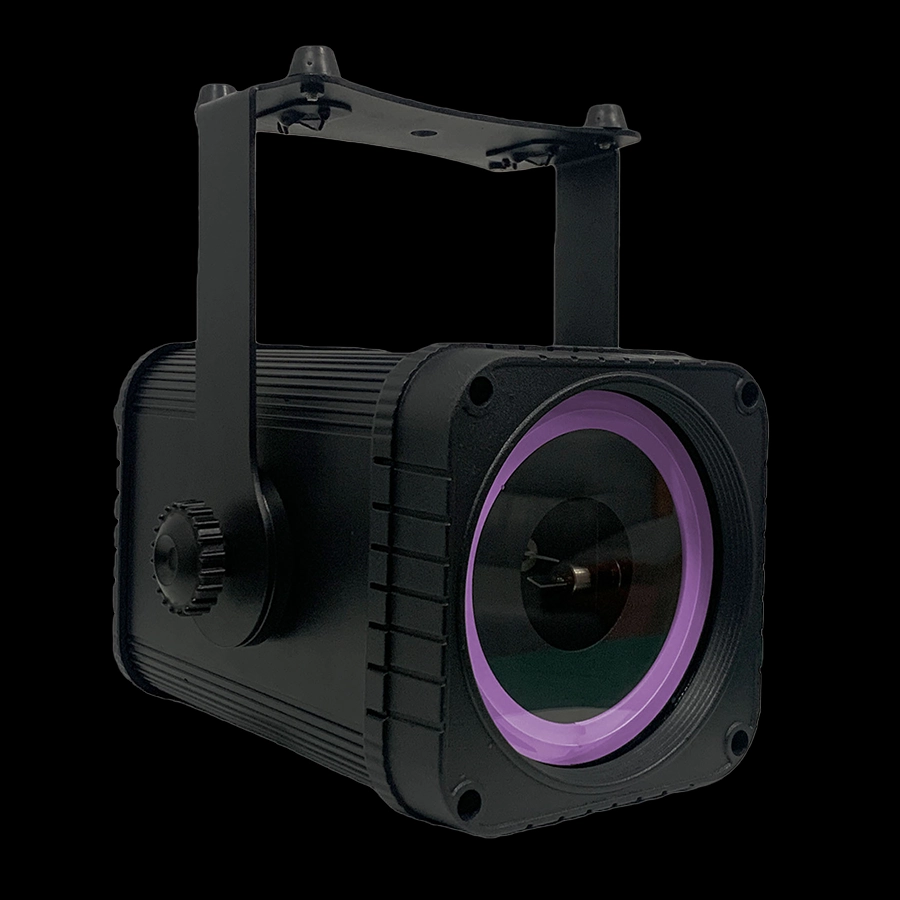
This IP65 waterproof 3W RGB animation laser battery light features an IP65 waterproof and dustproof design, making it suitable for both outdoor and indoor use. It supports rich RGB color combinations and dynamic animation effects, delivering a clear and fluid beam that can display text, patterns, and flowing light and shadow, among other visual representations.
Powered by a built-in battery, it requires no external power source, making it portable, easy to deploy, and simple to operate. Ideal for festive decorations, creating a garden atmosphere, and adding a touch of elegance to small events, it's energy-efficient, durable, and creates a truly immersive ambiance.
This IP65 waterproof 5W RGB animation laser battery light features an IP65 waterproof and dustproof design, making it suitable for both outdoor and indoor use. It supports rich RGB color combinations and dynamic animation effects, delivering a clear and fluid beam that can display text, patterns, and flowing light and shadow, among other visual representations.
Powered by a built-in battery, it requires no external power source, making it portable, easy to deploy, and simple to operate. Ideal for festive decorations, creating a garden atmosphere, and adding a touch of elegance to small events, it's energy-efficient, durable, and creates a truly immersive ambiance.
If you have any comments or good suggestions, please leave us a message, later our professional staff will contact you as soon as possible.
Lighting Innovators
Uplus Lighting is a leading integrated company specializing in R&D, design, production, and sales of stage lighting solutions.
 Scan QR Code
Facebook
Instagram
YouTube
VK