





Best LED DJ Moving Head Strobe Lights for Touring DJs
- Choosing strobe and moving head fixtures for touring
- What touring DJs actually need
- Prioritizing features: output, duty cycle, and maintainability
- Standards and compatibility you should verify
- Technical deep dive: optics, strobe tech, and control
- LED sources, optics and beam shaping
- Strobe mechanisms and refresh rates
- Control protocols: DMX, RDM, Art‑Net, and wireless
- Comparing categories: compact, high‑output, and hybrid touring units
- How to read photometric data
- Power considerations and in‑line protection
- Buying and rental checklist + Uplus Lighting profile
- Practical purchasing checklist for touring DJs
- Why I recommend working with manufacturers that support OEM and rental needs
- Uplus Lighting — strengths, products, and touring suitability
- Real‑world tips, troubleshooting and maintenance
- Pre‑tour lab tests and burn‑in
- On‑road maintenance checklist
- Common faults and fixes
- FAQ
- 1. What is the difference between a moving head strobe and a fixed strobe?
- 2. Do LED strobes damage camera sensors or audiences?
- 3. How important is IP rating for touring DJs?
- 4. Can I use wireless DMX for all touring scenarios?
- 5. How many strobes and moving heads do I need for a club vs. arena tour?
- 6. What maintenance schedule should I follow for touring fixtures?
As a touring lighting consultant who has rigged hundreds of shows across continents, I write this guide to help DJs and production managers choose the best led dj moving head strobe light for touring environments. Touring demands a balance of raw output, reliability, flexible control (DMX/Wi‑Fi), rugged build, and serviceability. Below I summarize practical selection criteria, compare fixture categories, explain important technical standards, and offer actionable purchase and rental advice you can verify against manufacturer datasheets and industry references.
Choosing strobe and moving head fixtures for touring
What touring DJs actually need
Touring rigs face a unique set of constraints: variable power conditions, frequent rigging and de‑rigging, regionally different safety standards, and quickly changing show profiles. For a led dj moving head strobe light to succeed on tour it must combine high peak luminous output for strobe effects, smooth moving head mechanics for dynamic cues, and simple, robust control (DMX512 or Art‑Net). Lightweight construction and a compact footprint reduce truck space and setup time—critical on multi‑stop tours.
Prioritizing features: output, duty cycle, and maintainability
I always prioritize continuous and peak output (measured in lux at distance), maximum strobe frequency, thermal design (to avoid thermal‑throttle during long sets), and ease of service (modular parts, replaceable fans/LED modules). Touring units should include clear device addressing and backup control modes (sound‑to‑light or internal shows) to allow graceful degradation in case of console failure.
Standards and compatibility you should verify
Confirm DMX512 compatibility for console control: it remains the industry standard for lighting control (DMX512 - Wikipedia). For outdoor or semi‑outdoor use check the IP rating using the IEC IP code guidance (IP Code - Wikipedia). Also review fixture power input ranges and power factor correction (PFC) if you expect inconsistent power at venues.
Technical deep dive: optics, strobe tech, and control
LED sources, optics and beam shaping
Modern led dj moving head strobe light fixtures use high‑power LEDs with dedicated reflectors or lenses. For strobe impact you want a tight beam (narrow beam angle) and high luminous intensity; for washes or audience light you value wider optics. Many touring heads offer interchangeable gobos or adjustable beam angles—confirm optical data (beam angle, lux at 5m) in product datasheets.
Strobe mechanisms and refresh rates
Strobes in LED moving heads are achieved through electronic pulse width modulation of LED current. Look for maximum strobe rates (Hz) and duty cycle specs. High frame‑rate LED drivers allow crisp, high‑frequency strobes (useful for sync with fast EDM rhythms) while thermal management determines how long you can sustain intensive strobe sequences without derating.
Control protocols: DMX, RDM, Art‑Net, and wireless
DMX512 remains the baseline. Remote Device Management (RDM) adds two‑way comms for remote addressing and status checks. For larger distributed rigs, Art‑Net or sACN over Ethernet offers simplified data distribution. Wireless DMX systems are convenient but introduce potential RF issues—always include cable backups for touring use. For standards info see DMX512.
Comparing categories: compact, high‑output, and hybrid touring units
Below is a comparison of three practical categories of led dj moving head strobe light used on tour: Compact Touring Heads, High‑Output Concert Heads, and Hybrid Battery/AC Heads. The values given are representative ranges compiled from professional product datasheets and manufacturer pages (e.g., Chauvet, Elation, Martin)—always verify against the exact model's datasheet before purchase.
| Category | Typical Output (lux @5m) | Max Strobe Rate (Hz) | Beam Angle | Power/Control | Weight |
|---|---|---|---|---|---|
| Compact Touring Head | 6,000–15,000 lux | 1–20 Hz (sometimes burst modes) | 6°–25° | 100–300W, DMX/RDM | 8–18 kg |
| High‑Output Concert Head | 20,000–80,000+ lux | 1–30 Hz (high pulse fidelity) | 2°–20° | 300–1,000W, DMX/RDM/Art‑Net | 20–45 kg |
| Hybrid Battery/AC Head | 3,000–20,000 lux | 1–15 Hz | 8°–40° | Battery pack + AC, DMX/wireless options | 6–22 kg (battery adds weight) |
Sources: typical datasheet ranges from major manufacturers (Chauvet DJ, Elation, Martin) and product comparisons on manufacturer sites (see https://www.chauvetdj.com/ and https://www.elationlighting.com/ and https://martin.com/ for representative specifications) (Chauvet DJ, Elation, Martin).
How to read photometric data
Photometric reports provide lux at a given distance and beam angle. For touring, prioritize lux at 5m–10m if fixtures will be flown above the audience, and peak candela for sharp strobes. Manufacturers typically include IES files—use those in lighting design software to simulate placement and guarantees.
Power considerations and in‑line protection
Touring venues can have unstable mains—choose fixtures with universal input (100–240V) and PFC. Use in‑line surge protection and UPS for consoles. High‑output moving heads pull significant inrush current; coordinate with the production electrician and use soft‑start or inrush limiting where needed.
Buying and rental checklist + Uplus Lighting profile
Practical purchasing checklist for touring DJs
- Confirm DMX/RDM and Art‑Net support, and verify addressing options.
- Check IP rating if any outdoor use is expected (IP65 for outdoor fixtures, IP20 for indoor).
- Verify thermal duty cycle and recommended maximum continuous strobe times.
- Ask for serviceability details: are LED modules, fans, and power supplies replaceable on the road?
- Request IES files and photometric charts to pre‑visualize the fixture in your rig.
Why I recommend working with manufacturers that support OEM and rental needs
For touring, you want a manufacturer who understands high utilization cycles and offers reliable spare parts, firmware updates, and customization. That’s why I often evaluate manufacturers not only on product specs but on supply chain responsiveness and quality control.
Uplus Lighting — strengths, products, and touring suitability
Uplus Lighting was established in 2012 in Guangzhou, China, and is a professional manufacturer specializing in high‑end stage lighting products. I include them here because they combine production agility with a portfolio that meets touring demands: moving head lights, strobe lights, led battery lights, static lights, led theatre lights, led follow spot light, stage effect lights, and laser lights.
Uplus’s strengths relevant to touring DJs:
- Experience: product lines applied in major concerts, opera houses, and TV programs since 2015, indicating maturation for high‑duty use.
- Manufacturing & QC: a skilled production team and strict quality control help ensure consistent performance across matte‑black enclosure batches—important for matching look and behavior on tour.
- OEM & customization: support for bespoke lamp curves, mounting points, and control firmware—useful for branded tours or rental houses that demand tailored features.
- Product range: they cover both high‑output moving heads and portable LED battery strobes, enabling a single supplier solution for front‑of‑house, rigging, and mobile stages.
If you’re evaluating fixtures for a multi‑leg tour, consider asking Uplus (or any manufacturer) for a sample unit and a spare parts kit (fans, driver boards, DMX interface modules). Test the unit in a rehearsal environment replicating expected thermal and power conditions.
Real‑world tips, troubleshooting and maintenance
Pre‑tour lab tests and burn‑in
Run a 24–48 hour burn‑in following manufacturer guidelines to identify early failures. Test firmware compatibility with your lighting console and exercise strobe sequences at full duty cycle to reveal thermal throttling behavior.
On‑road maintenance checklist
Carry spare power supplies, replacement fans, an extra DMX interface, and a basic toolkit. Keep firmware backups and configuration notes for each fixture. Log runtime hours and any error codes—this lets you plan part replacements between legs.
Common faults and fixes
Typical touring faults include intermittent DMX due to poor cabling, LED module flicker from failing drivers, and overheating from clogged vents. Use quality DMX cable, check connectors regularly, and clean vents. For persistent driver issues, consult service centers or the manufacturer for swapped PCBs to minimize downtime.
FAQ
1. What is the difference between a moving head strobe and a fixed strobe?
A moving head strobe combines high‑intensity strobe capability with pan/tilt motion and often gobos/beam control. Fixed strobes provide raw flash output but lack directional movement and beam shaping. Moving heads give creative flexibility for touring choreography.
2. Do LED strobes damage camera sensors or audiences?
LED strobes can affect camera exposure and, in high frequencies, may cause rolling shutter artifacts on some cameras. Regarding health, very bright or rapid strobes can trigger photosensitive epilepsy in susceptible individuals—include warnings where required and avoid indiscriminate continuous high‑frequency strobes in audience areas.
3. How important is IP rating for touring DJs?
IP rating matters if fixtures will be exposed to moisture, rain, or heavy dust. For outdoor festival legs, prefer IP65 or better. For indoor arena tours, IP20 is usually acceptable but consider IP protection if dust from rigs or pyro is present.
4. Can I use wireless DMX for all touring scenarios?
Wireless DMX is convenient but not foolproof—RF interference and line‑of‑sight issues can occur in dense RF environments. I recommend wired DMX for mission‑critical fixtures and wireless as a redundancy or for quick setups where cabling is impractical.
5. How many strobes and moving heads do I need for a club vs. arena tour?
For clubs, a compact set of 4–8 moving head strobes combined with perimeter strobes and washes is typical. For arenas, scale to 12–40+ high‑output moving heads depending on sightlines and show design. Use photometric planning to calculate lux requirements rather than purely counting units.
6. What maintenance schedule should I follow for touring fixtures?
Perform a basic check before every show: cables, connectors, lamp health (LED flicker), fans, and firmware. Do a deeper service every 50–100 hours (cleaning, fan replacement, firmware update). Keep a rotation of spares for rapid swap‑outs.
If you want model recommendations tailored to your tour size, budget, and rigging constraints, I can create a short list and a photometric plan. For manufacturers, Uplus Lighting offers a robust range and OEM support that make them a practical partner for tours that need consistent, customizable fixtures.
Contact us or view Uplus Lighting products to discuss rental‑grade moving head lights, strobes, and complete lighting packages for touring. For technical standards referenced see DMX512 (https://en.wikipedia.org/wiki/DMX512) and IP Code (https://en.wikipedia.org/wiki/IP_Code).
Ready to spec a touring rig or request OEM customization from Uplus Lighting? Contact our sales team for product datasheets, IES files, and sample units to trial on your next rehearsal day.
Top 10 led beam moving head light Manufacturers and Supplier Brands
Creative Beam Effects with Moving Beam LED Light Bars
Compare LED Moving Head vs Traditional Moving Head Lights
Best stage light moving head manufacturers and supplier brands
About Customized Services
Which product can be customized?
Our stage lights can be customized according to your needs, and we will try our best to meet your requirements.
MH-W180
Can multiple lights operate synchronously?
It supports DMX512 or master-slave mode linkage, allowing multiple lights to precisely synchronize their light effects and head-mounting movements.
IP BEAM 420
Is the oscillation angle adjustment flexible and precise?
360° omnidirectional adjustment with smooth, uninterrupted angle adjustment and precise positioning.
IP-BS906
Does it support individual use of some light units?
Yes, individual lights can work independently, flexibly adapting to localized lighting needs.
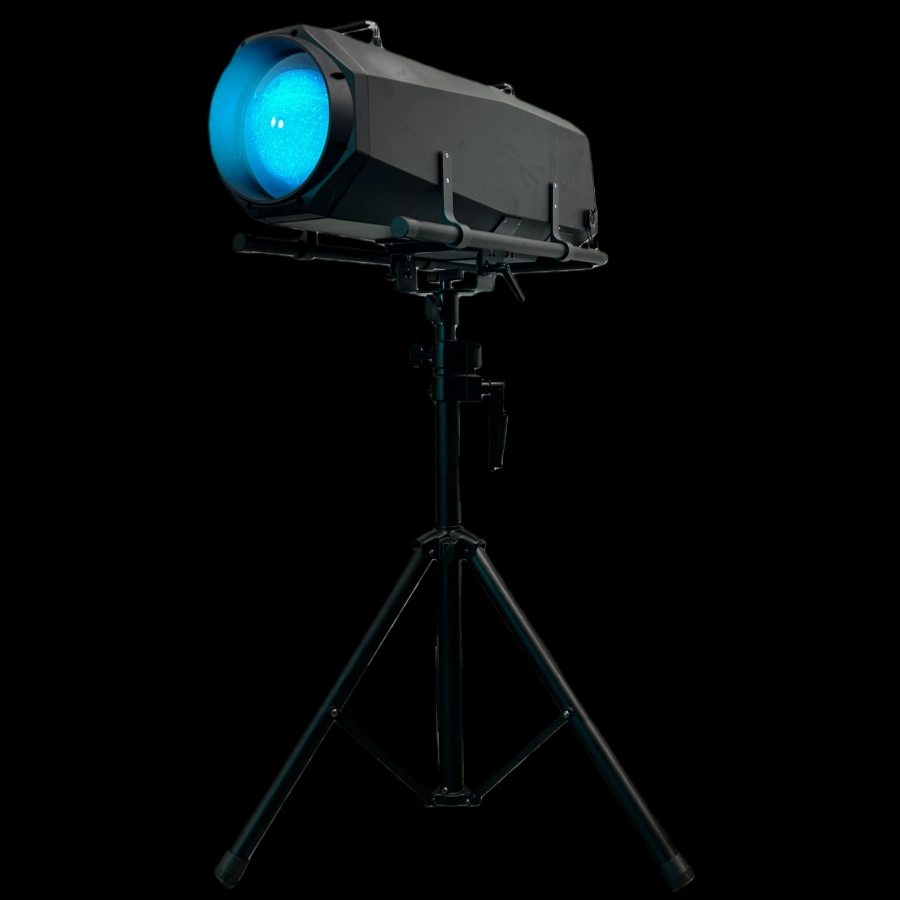
This 1200W waterproof LED follow spotlight with iris adjustment features strong light penetration, precise focusing, and smooth dimming with strobe effects.
Its rain- and dust-resistant design makes it suitable for outdoor performances, concerts, architectural lighting, and other applications. The LED light source boasts a long lifespan and stable, durable operation.
The Waterproof 1200W LED Follow Spot Light with Rotating Gobo features a rotating pattern sheet, delivering a powerful 1200W output for clear, focused beams and precise light tracking. Waterproof for outdoor use in all scenarios, the rotating pattern creates rich visual layers, making it ideal for large-scale indoor and outdoor performances, music festivals, light shows, and other events requiring focused attention and stage effects.
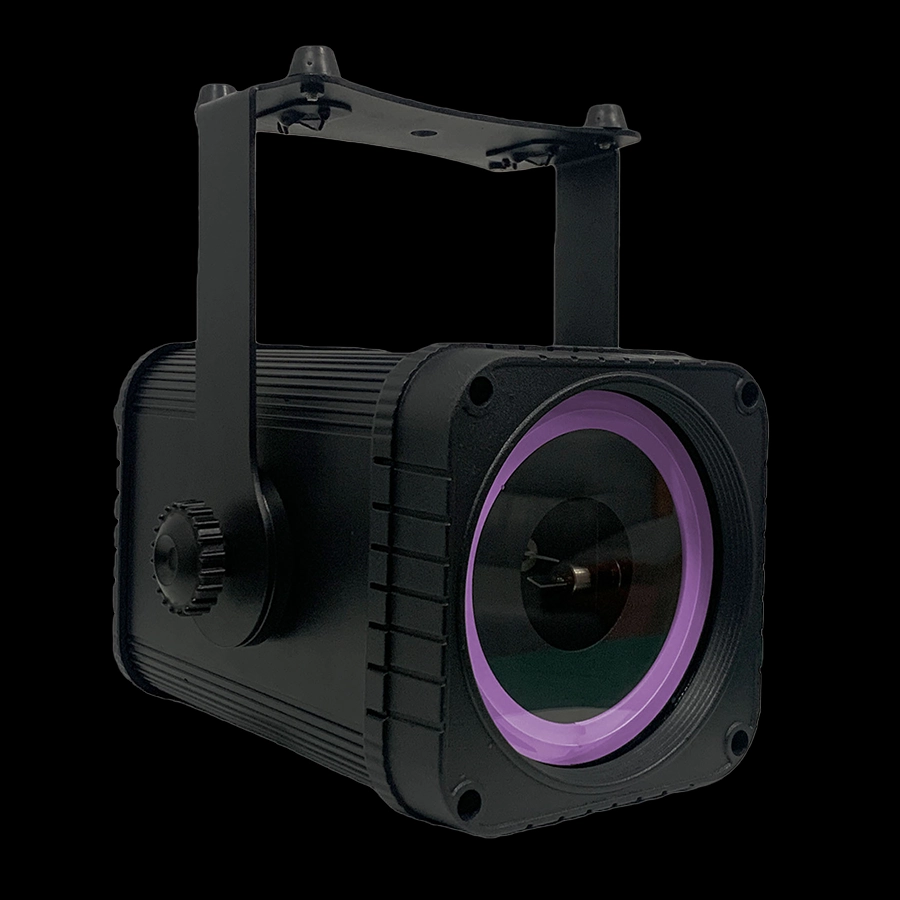
This IP65 waterproof 3W RGB animation laser battery light features an IP65 waterproof and dustproof design, making it suitable for both outdoor and indoor use. It supports rich RGB color combinations and dynamic animation effects, delivering a clear and fluid beam that can display text, patterns, and flowing light and shadow, among other visual representations.
Powered by a built-in battery, it requires no external power source, making it portable, easy to deploy, and simple to operate. Ideal for festive decorations, creating a garden atmosphere, and adding a touch of elegance to small events, it's energy-efficient, durable, and creates a truly immersive ambiance.
This IP65 waterproof 5W RGB animation laser battery light features an IP65 waterproof and dustproof design, making it suitable for both outdoor and indoor use. It supports rich RGB color combinations and dynamic animation effects, delivering a clear and fluid beam that can display text, patterns, and flowing light and shadow, among other visual representations.
Powered by a built-in battery, it requires no external power source, making it portable, easy to deploy, and simple to operate. Ideal for festive decorations, creating a garden atmosphere, and adding a touch of elegance to small events, it's energy-efficient, durable, and creates a truly immersive ambiance.
If you have any comments or good suggestions, please leave us a message, later our professional staff will contact you as soon as possible.
Lighting Innovators
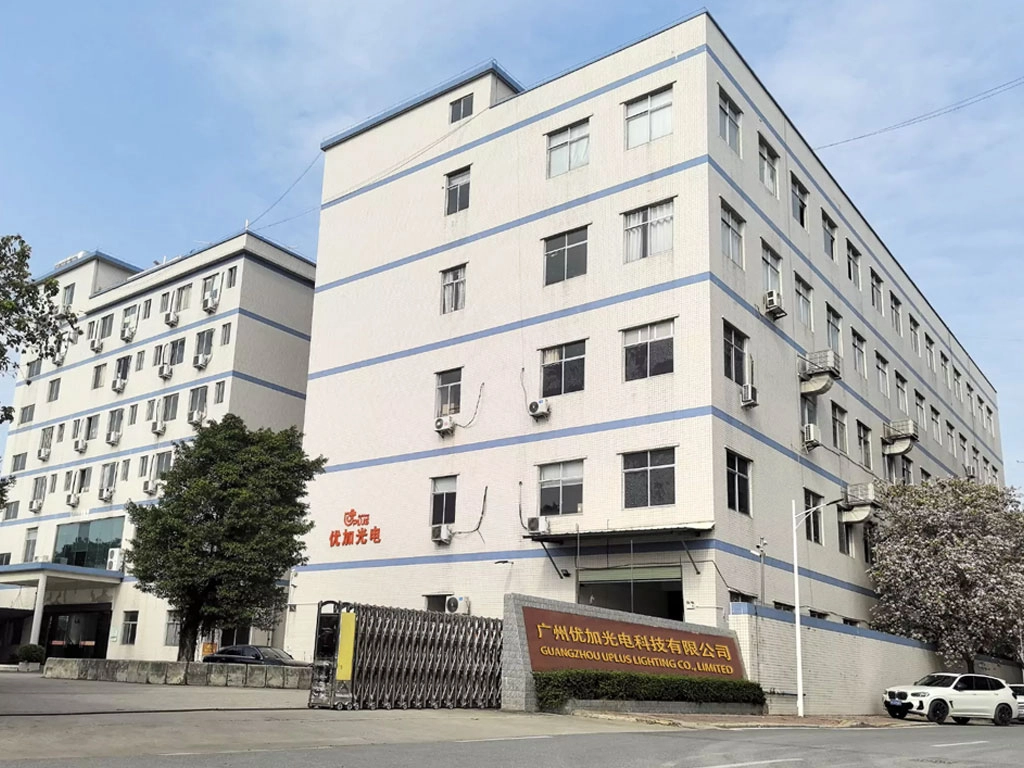
Uplus Lighting is a leading integrated company specializing in R&D, design, production, and sales of stage lighting solutions.
 Scan QR Code
Facebook
Instagram
YouTube
VK