






- I. Introduction
- II. Five Key Functions and Specific Applications
- Visibility
- Selective Focus
- Modeling of Form and Texture
- Atmosphere & Mood
- Time, Place & Thematic Support
- III. Common Lighting Strategies (Practical Suggestions for Five Functions)
- IV. Common Mistakes and How to Avoid Them
- FAQ (Frequently Asked Questions)
A detailed explanation of the five main functions of stage lighting: visibility, focusing, shaping, atmosphere creation, and spatial indication.
This article provides an in-depth analysis of the five fundamental functions of stage lighting: visibility, selective focusing, shaping (form and texture), atmosphere and mood creation, and time/place and theme indication. It includes practical examples, lighting techniques, common mistakes, and FAQs, making it suitable for theater directors, lighting designers, and event planners.
I. Introduction
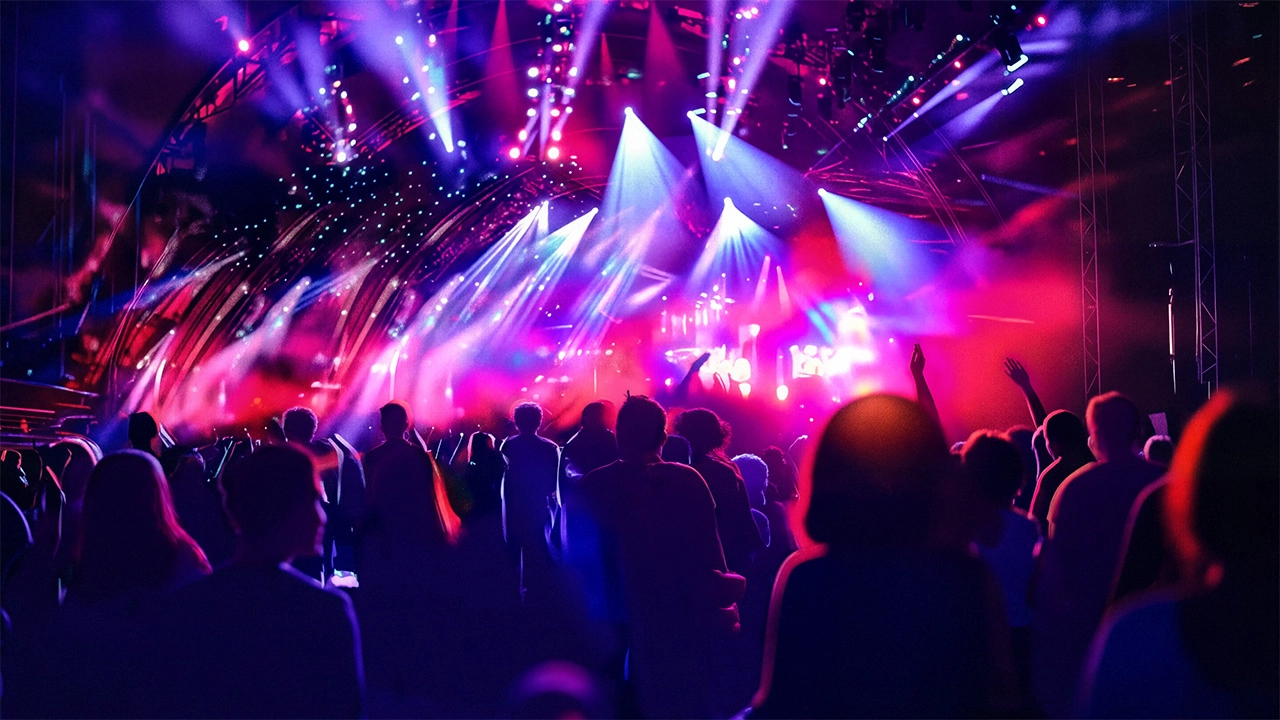
Stage lighting is not merely a tool for illumination; it is a visual language for storytelling. Mastering the five key functions of lighting can enhance performance tension, guide audience attention, and strengthen stage narrative.
II. Five Key Functions and Specific Applications
Visibility
Definition: Ensuring actors, scenery, and props are clearly visible to the audience.
Application: Using a key light or spotlight to ensure actors' faces and body movements are discernible. Small theaters often use 1-2 spotlights or washers to cover the main performance area.
Tips: Avoid excessive backlighting or glare that obstructs vision; ensure minimum illumination in the front rows and side stages.
Selective Focus
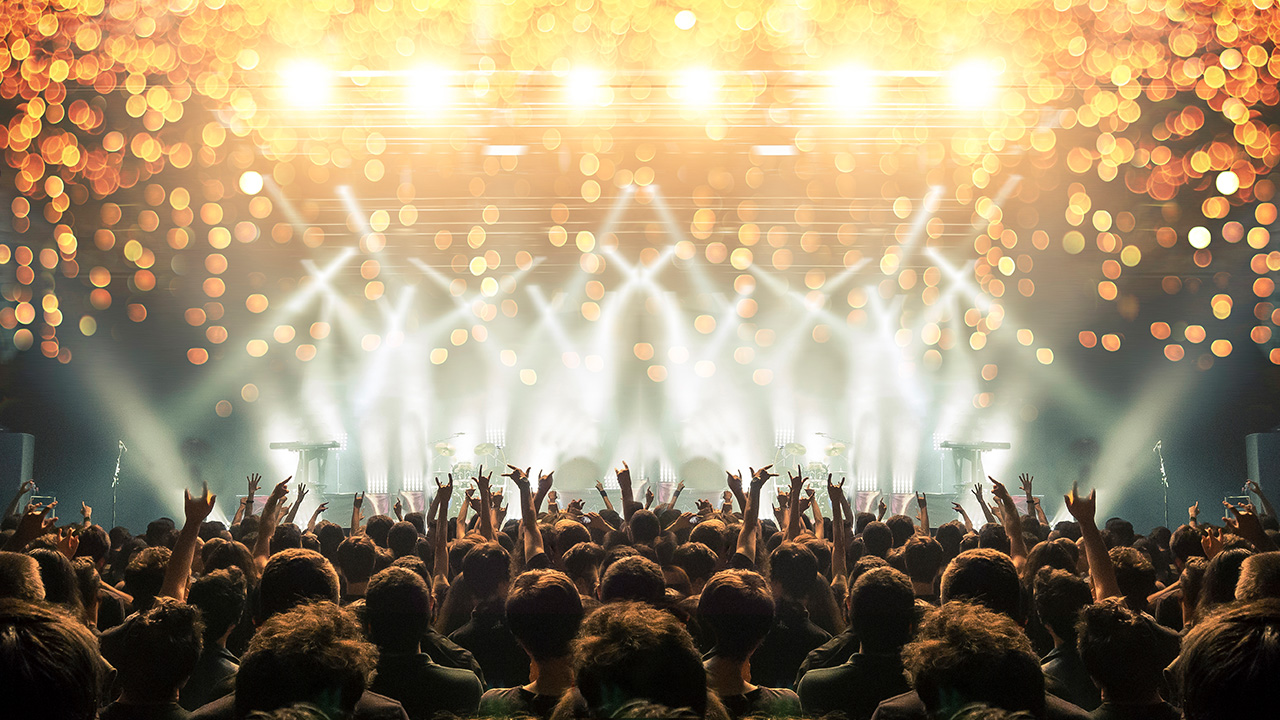
Definition: Guiding the audience's vision through lighting, focusing attention on specific characters or areas.
Application: Using spotlights, follow spots, or narrow beams to move the head and highlight the subject during key actions or lines.
Tips: Pre-plan lighting cues in conjunction with stage movements and director's storyboards to avoid frequent and meaningless switching.
Modeling of Form and Texture
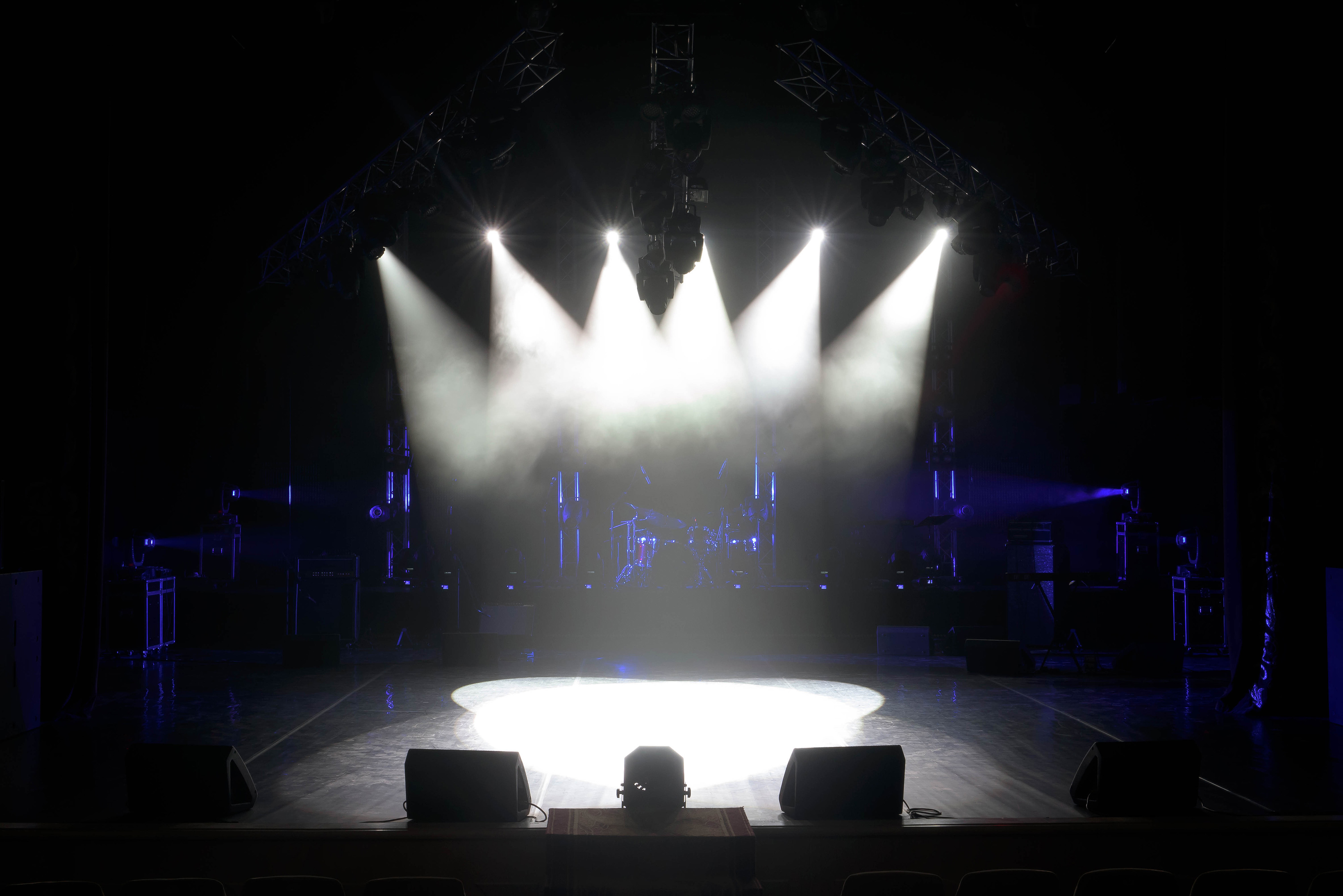
Definition: Using the angle, intensity, and shadows of light to depict the volume, texture, and facial expressions of characters and sets.
Application: Side lighting and uplighting enhance facial contours; backlighting and hair/backlighting separate the subject from the background.
Tip: Use low-angle or side lighting to create dramatic shadows, but be careful not to compromise visibility.
Atmosphere & Mood
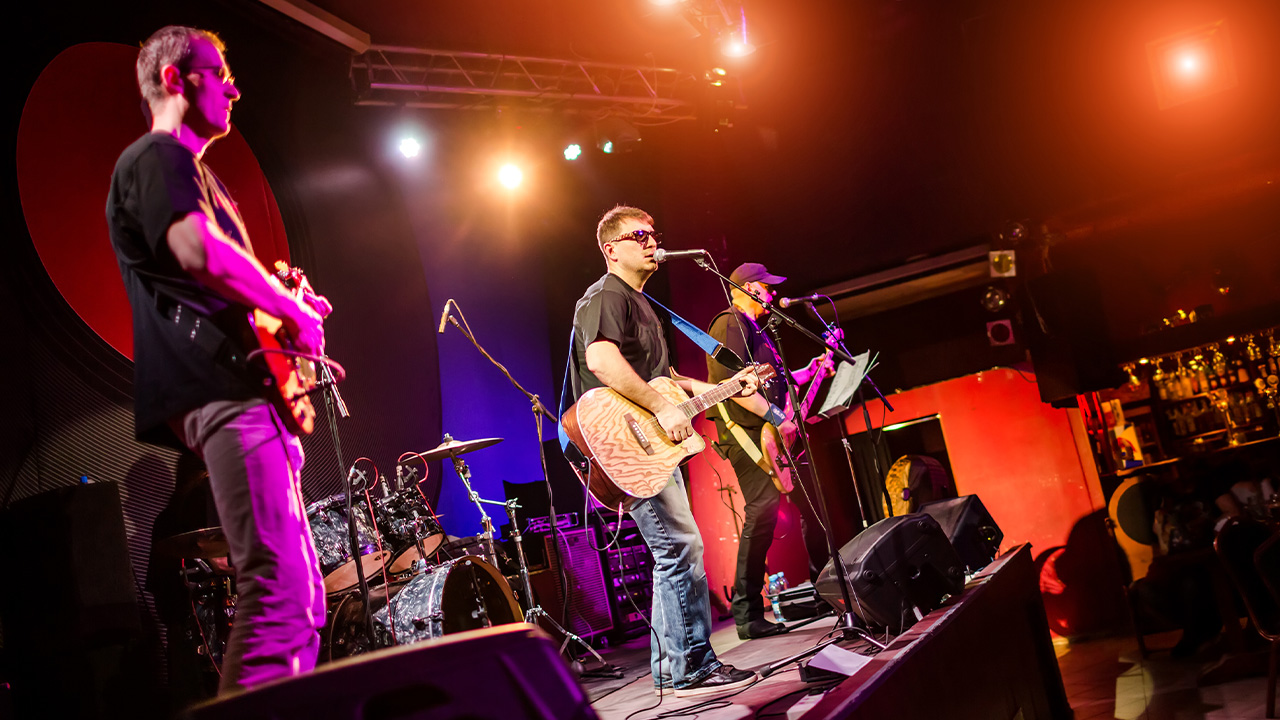
Definition: Using color, color temperature, brightness, and dynamic changes to convey emotions and the direction of dramatic mood.
Application: Cool colors (blue/cyan) represent night or sadness; warm colors (orange/red) represent sunset or a vibrant scene; gradations and flickering create tension or rhythm.
Tip: Color matching should consider the color rendering index (CRI) and skin tone reproduction to avoid making characters appear unnaturally colored.
Time, Place & Thematic Support
Definition: Using the characteristics of light to convey the time, place, historical era, or symbolic meaning of the performance.
Applications: Bright daylight and soft warm yellow represent sunset; isolate cool white light and neon colors to simulate urban nightscapes; use special patterns (gobo) to project tree shadows, window frames, and other scene elements.
Tip: Coordinate with art direction and costumes to ensure lighting supports the script's sense of time and space.
III. Common Lighting Strategies (Practical Suggestions for Five Functions)
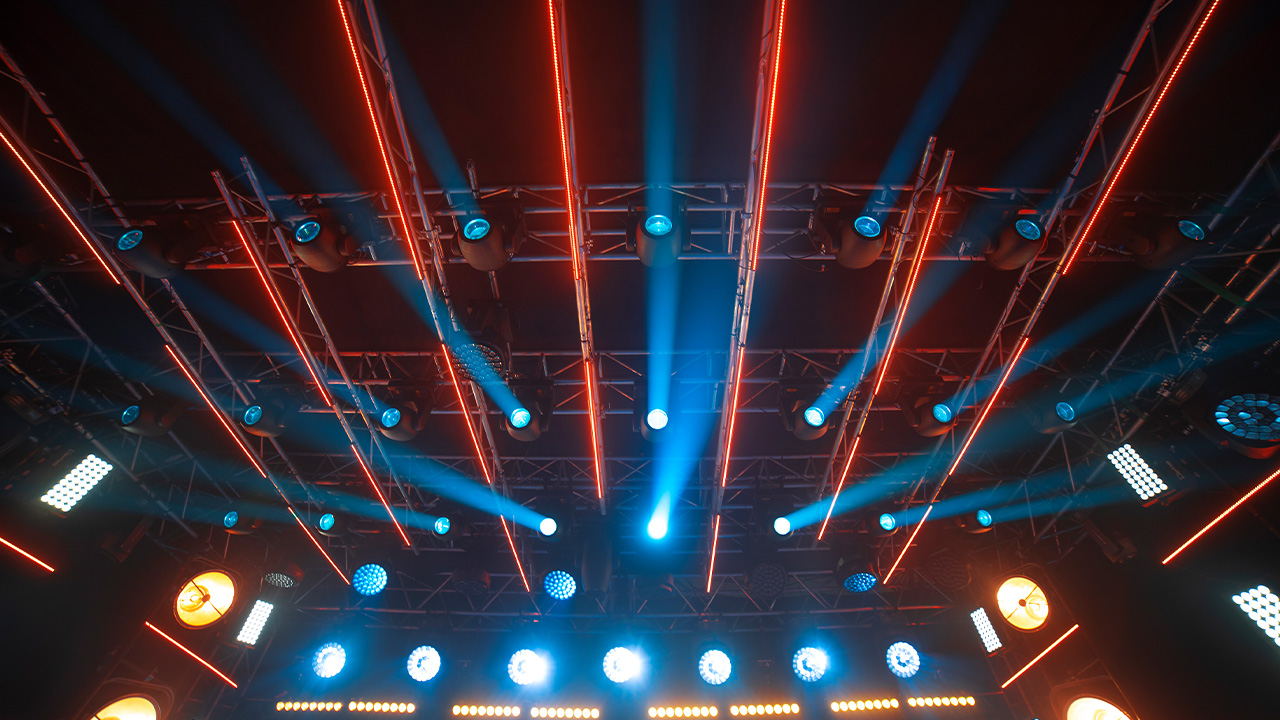
Three-Point Lighting (Key/Fill/Back): Meets basic requirements for visibility and shaping.
Layered Lighting: Foreground/midground/background are arranged in layers for selective focusing and atmosphere control.
Color Layering: Primary colors are used for mood, secondary colors for environmental segmentation and background layering.
Dynamic Rhythm: Link lighting changes with music and action sequences to enhance emotional immersion.
IV. Common Mistakes and How to Avoid Them
Overly Flat Lighting: Uniform lighting weakens dramatic conflict; increase contrast appropriately.
Color Conflict: Overuse of strong complementary colors damages skin tones and details; prioritize character rendering.
Blindly pursuing effects: Special effects (strobe, lasers) should serve the plot and avoid overshadowing the main storyline.
Ignoring safety and regulations: High-powered lighting fixtures and rigging must comply with load and fire safety standards.
FAQ (Frequently Asked Questions)
What is the primary goal of stage lighting?
The primary goal is visibility—ensuring the audience can clearly see the performance, while other functions serve the story.
How to create a sad or joyful atmosphere through lighting?
Sadness often uses cool colors (blue, cyan), low brightness, and soft diffusion; joy often uses warm colors (yellow, orange), high brightness, and dynamic changes (increased brightness, rapid transitions).
What is three-point lighting, and what functions does it solve?
Three-point lighting consists of a key light, fill light, and backlight, simultaneously satisfying visibility, shaping, and separation of subject and background.
How to represent the passage of time (such as day and night transition) with lighting?
The passage of time is represented by color temperature changes (warm → cool), brightness adjustment, and shadow treatment, combined with gobo projection (daylight stripes, streetlights, etc.).
Which skill should a novice designer learn first?
Start by learning basic illumination control, three-point lighting, and color matching, then gradually master moving head effects and stage programming.
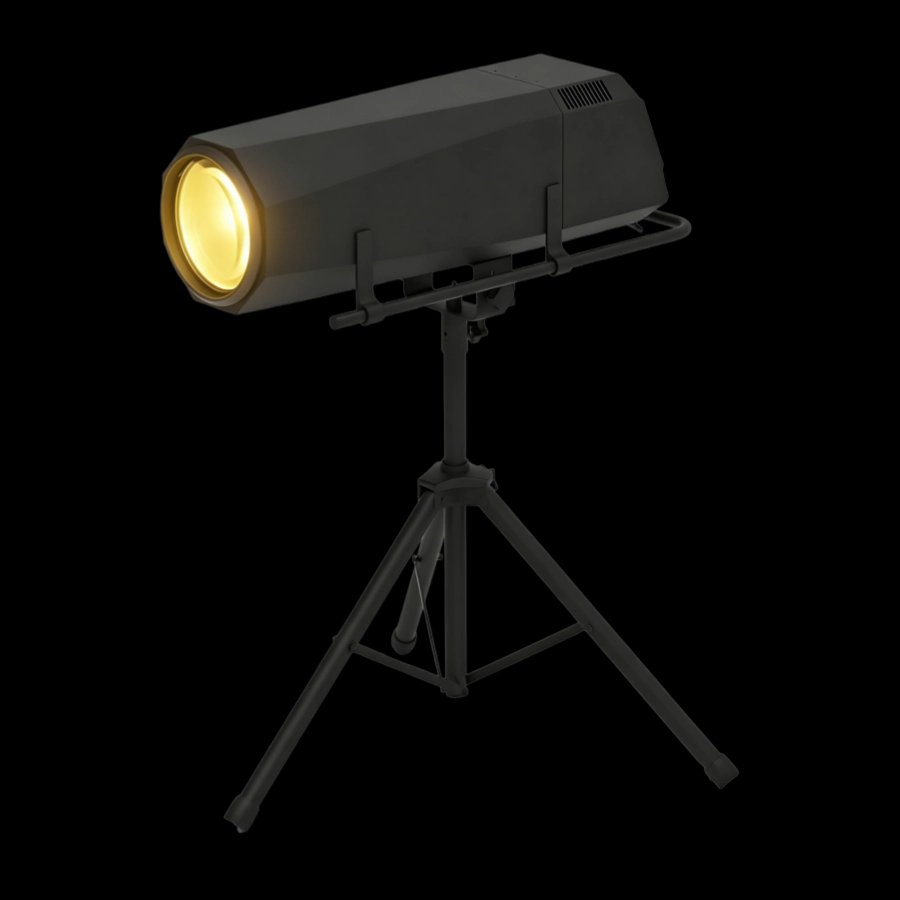
This 1200W waterproof LED follow spotlight with iris adjustment features strong light penetration, precise focusing, and smooth dimming with strobe effects.
Its rain- and dust-resistant design makes it suitable for outdoor performances, concerts, architectural lighting, and other applications. The LED light source boasts a long lifespan and stable, durable operation.
The Waterproof 1200W LED Follow Spot Light with Rotating Gobo features a rotating pattern sheet, delivering a powerful 1200W output for clear, focused beams and precise light tracking. Waterproof for outdoor use in all scenarios, the rotating pattern creates rich visual layers, making it ideal for large-scale indoor and outdoor performances, music festivals, light shows, and other events requiring focused attention and stage effects.
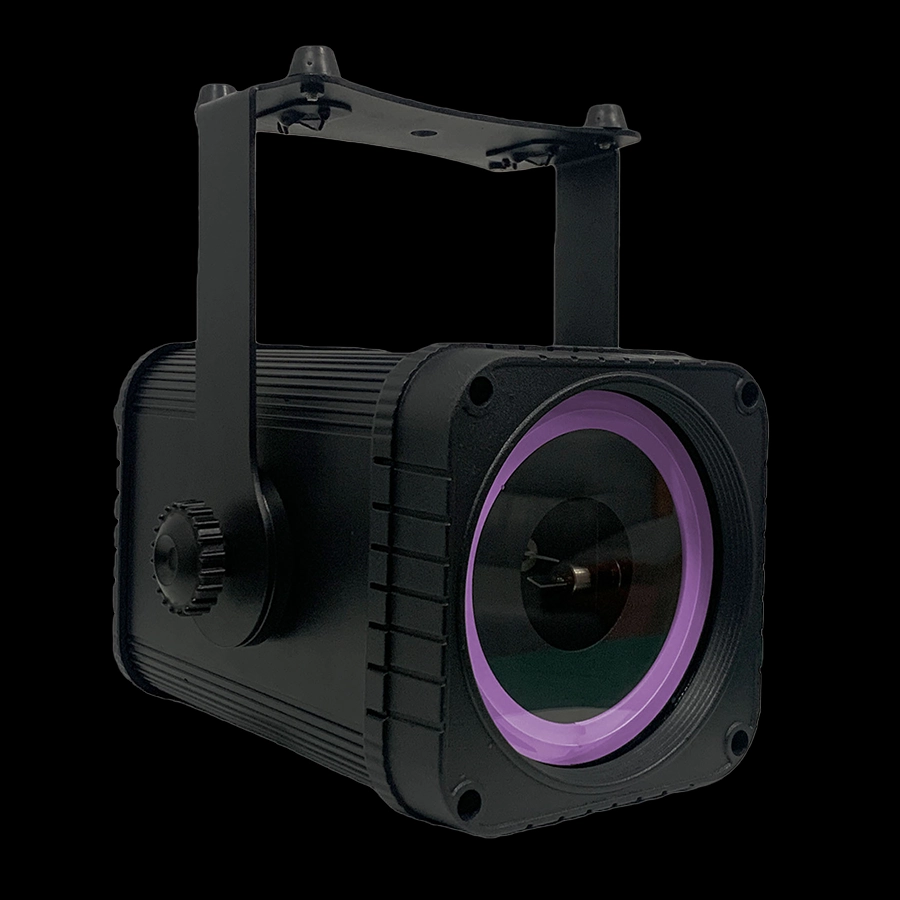
This IP65 waterproof 3W RGB animation laser battery light features an IP65 waterproof and dustproof design, making it suitable for both outdoor and indoor use. It supports rich RGB color combinations and dynamic animation effects, delivering a clear and fluid beam that can display text, patterns, and flowing light and shadow, among other visual representations.
Powered by a built-in battery, it requires no external power source, making it portable, easy to deploy, and simple to operate. Ideal for festive decorations, creating a garden atmosphere, and adding a touch of elegance to small events, it's energy-efficient, durable, and creates a truly immersive ambiance.
This IP65 waterproof 5W RGB animation laser battery light features an IP65 waterproof and dustproof design, making it suitable for both outdoor and indoor use. It supports rich RGB color combinations and dynamic animation effects, delivering a clear and fluid beam that can display text, patterns, and flowing light and shadow, among other visual representations.
Powered by a built-in battery, it requires no external power source, making it portable, easy to deploy, and simple to operate. Ideal for festive decorations, creating a garden atmosphere, and adding a touch of elegance to small events, it's energy-efficient, durable, and creates a truly immersive ambiance.
Stay updated on our latest news
If you have any comments or good suggestions, please leave us a message, later our professional staff will contact you as soon as possible.
Lighting Innovators
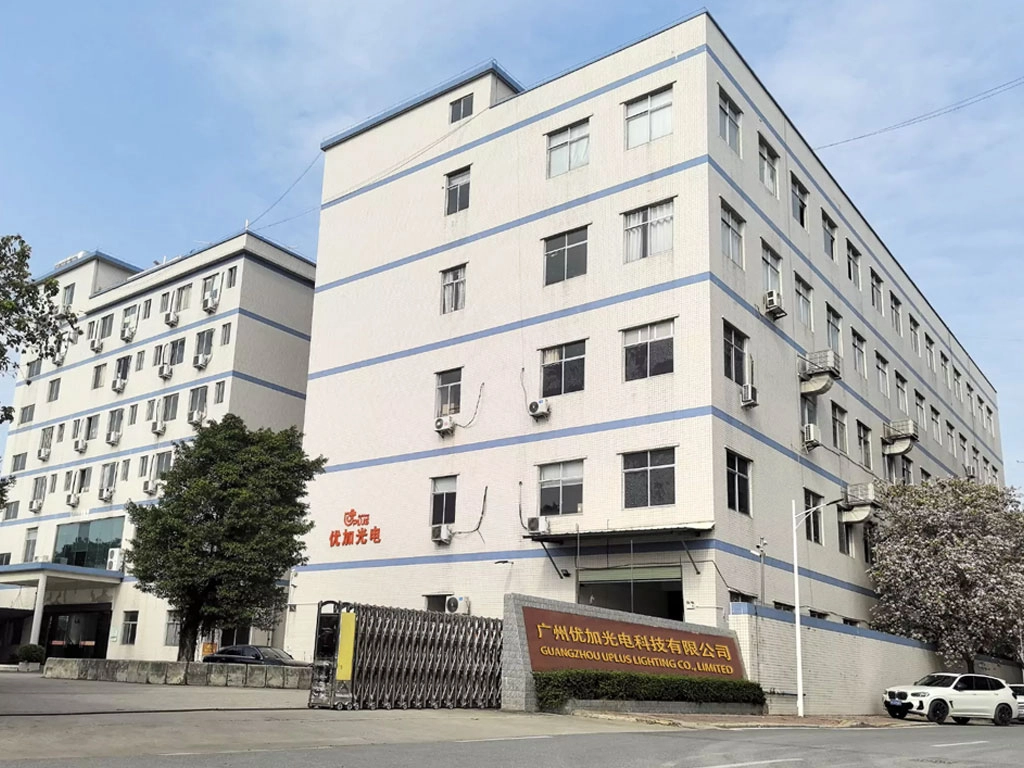
Uplus Lighting is a leading integrated company specializing in R&D, design, production, and sales of stage lighting solutions.
 Scan QR Code
Facebook
Instagram
YouTube
VK