






- 1. How do beam angle and throw distance impact the number of LED Par lights required for even stage illumination?
- 2. What are the key specifications to ensure LED Par lights are video-safe and flicker-free for high-definition recordings?
- 3. How do I compare the brightness of LED Par lights to traditional halogen PAR cans beyond just wattage?
- 4. What are the common installation mistakes with LED Par lights, and how can they be avoided?
- 5. How do I select the appropriate beam angle for LED Par lights to achieve desired stage effects?
- 6. What are the advantages of LED Par lights over traditional PAR cans in stage lighting applications?
led par light | Insights by Uplus Lighting
1. How do beam angle and throw distance impact the number of LED Par lights required for even stage illumination?
Beam angle and throw distance are critical factors in determining the number of LED Par lights needed to achieve uniform stage lighting. The beam angle dictates the spread of light, while the throw distance refers to how far the light travels from the fixture to the stage.
To estimate the number of fixtures:
Calculate Beam Diameter: Use the formula: Beam Diameter ≈ 2 × Distance × tan(Beam Angle / 2).
Determine Desired Illuminance: Decide on the target lux (lumens per square meter) for your stage area.
Compute Required Fixtures: Divide the total desired lux by the lux provided by a single fixture at the given distance.
For instance, if a 25° beam at 10 meters produces a beam diameter of approximately 4.4 meters, and the fixture delivers 800 lux on axis, you would need around 1.5 fixtures. Considering overlap and efficiency losses, planning for 2 fixtures would be advisable.
2. What are the key specifications to ensure LED Par lights are video-safe and flicker-free for high-definition recordings?
Ensuring LED Par lights are video-safe and flicker-free is essential for high-definition recordings. Key specifications to consider include:
PWM (Pulse-Width Modulation) Frequency: A higher PWM frequency reduces flicker. For standard HD recordings, a PWM of 2–4 kHz is sufficient, while modern high-frame-rate capture (120–240 fps) requires PWM ≥ 10–20 kHz.
Flicker-Free/Dimming Mode: Opt for fixtures explicitly labeled as "camera-safe" or "flicker-free." Request camera tests at various shutter speeds and frame rates to verify performance.
Constant Current Drivers and Waveform: Fixtures with constant current drivers and linearized waveforms provide more stable light output, reducing flicker.
DMX Frame vs. Internal PWM: Ensure that the internal PWM frequency is independent of the DMX frame rate to prevent flicker during dimming.
Before purchasing, it's advisable to test the fixtures with your camera equipment to confirm compatibility and performance.
3. How do I compare the brightness of LED Par lights to traditional halogen PAR cans beyond just wattage?
When comparing LED Par lights to traditional halogen PAR cans, consider the following metrics beyond wattage:
Luminous Flux (Lumens): Indicates the total light output from the fixture.
Luminous Efficacy (lm/W): Measures how efficiently a fixture converts power into light. LED efficacy often ranges from 80–150 lm/W, while halogen is typically 10–25 lm/W.
Beam Angle and Lux at Distance: Lux (lumens per square meter) at a specific distance tells you how much light reaches the stage. Narrow beam angles concentrate light over longer distances, while wider angles provide broader coverage.
Beam Quality and Distribution: Two fixtures with the same lumen rating can produce very different stage outputs depending on optics.
Color Temperature and CRI/TLCI: A white 3200 K halogen renders skin tones naturally; many LEDs now achieve CRI 90+ and TLCI 90+, but cheap units may be CRI 70–80.
To make an informed decision, request lumens, beam angle, and lux tables at multiple distances from manufacturers. Compare lux at the same distance with the same beam angle to ensure similar or better perceived brightness.
4. What are the common installation mistakes with LED Par lights, and how can they be avoided?
Common installation mistakes with LED Par lights include:
Wrong Transformer Choice: Using an incompatible transformer can cause flickering or damage. Always check the voltage and power requirements of your LEDs and consult a professional for specific advice.
Installation in Unsuitable Environments: Installing unprotected LEDs in wet areas can lead to malfunctions. Choose LED lights with the appropriate IP protection for the environment.
Compatibility with Dimmers: Not all LED bulbs are dimmable. Ensure your LEDs are compatible with your dimmer to prevent flickering or reduced lifespan.
Poor Heat Dissipation: LEDs require good heat management. Ensure adequate airflow to prevent thermal throttling, which can reduce light output and lifespan.
To avoid these issues, plan your installation carefully, choose appropriate fixtures, and consult professionals when necessary.
5. How do I select the appropriate beam angle for LED Par lights to achieve desired stage effects?
Selecting the appropriate beam angle for LED Par lights depends on the desired stage effects:
Narrow Beam Angles (10°–25°): Ideal for long-throw spot effects, concentrating light over a distance.
Medium Beam Angles (25°–45°): Suitable for trims and color washes, providing a balance between intensity and coverage.
Wide Beam Angles (45°–60°+): Work well for general wash or soft ambient fills, covering a broad area with softer light.
Many event planners prefer fixtures with interchangeable lenses or models available in multiple beam-angle options to ensure flexibility across events.
6. What are the advantages of LED Par lights over traditional PAR cans in stage lighting applications?
LED Par lights offer several advantages over traditional PAR cans:
Energy Efficiency: LEDs consume significantly less power than halogen or incandescent PAR cans, reducing electricity bills and decreasing the load on dimmers and power distribution systems.
Longer Lifespan: High-quality LEDs commonly have rated lifespans around 50,000 hours or more, compared with 1,000–2,000 hours for halogen lamps. This reduces replacement frequency and maintenance labor.
Improved Color Control and Effects: Integrated color mixing, presets, and pixel control enable dynamic looks that are difficult with traditional lamps. LED Par fixtures often support DMX control, wireless control, and scene programming for repeatable, consistent shows.
Reduced Heat Output: LEDs emit less heat, reducing the need for additional cooling and creating a more comfortable environment for performers.
Compact and Lightweight Design: LED Par lights are typically smaller and lighter than traditional PAR cans, making them easier to transport and set up.
In summary, LED Par lights provide energy efficiency, longer lifespan, improved color control, reduced heat output, and a compact design, making them a superior choice for modern stage lighting applications.
For personalized recommendations and a quote tailored to your specific needs, please contact us at albee@upluslighting.com or visit our website at www.upluslighting.com.
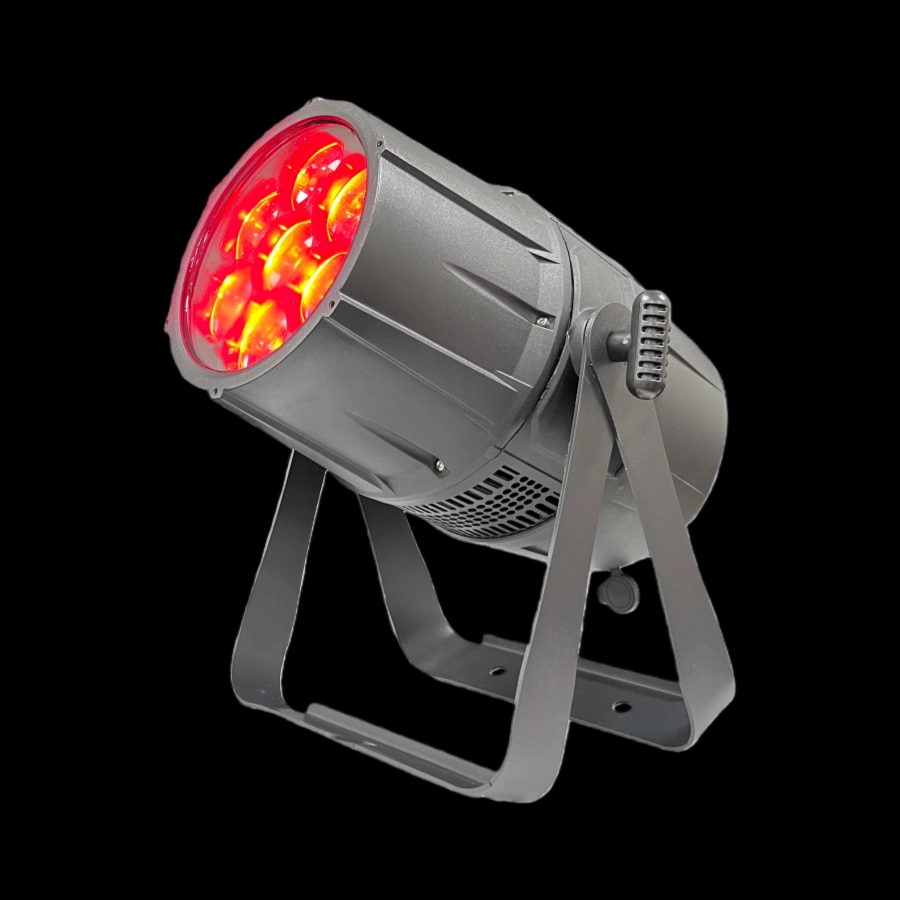
The Outdoor 7x40w RGBW zoom par light is a high-performance outdoor zoom par light equipped with seven 40W RGBW four-in-one LEDs. It supports DMX automatic zoom adjustment of the light spot size, providing rich colors and precise lighting effects. It has an IP65 protection rating, making it highly resistant to rain and dust. It is compatible with DMX512/master-slave control modes, offering flexible installation and making it suitable for outdoor performance color rendering, cultural and tourism landscape atmosphere rendering, and dynamic lighting for commercial landmarks.
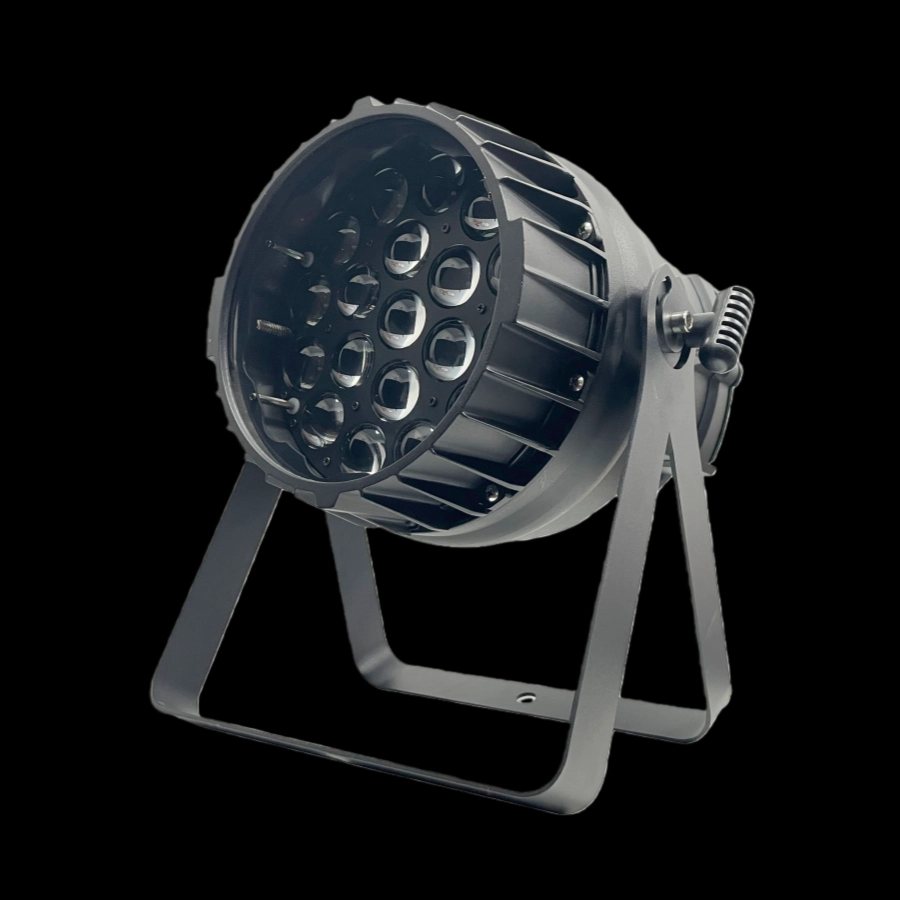
The Outdoor 19x20w RGBW zoom par light is a high-brightness outdoor zoom par light equipped with 19 20W RGBW four-in-one LEDs. It supports DMX zoom adjustment of the light spot range, providing rich color gradation and uniform light effect. It is IP65 protected against rain and dust, compatible with multiple light control modes, and suitable for large-scale outdoor performance coloring, cultural and tourism light shows, dynamic lighting of building facades, and other scenarios.
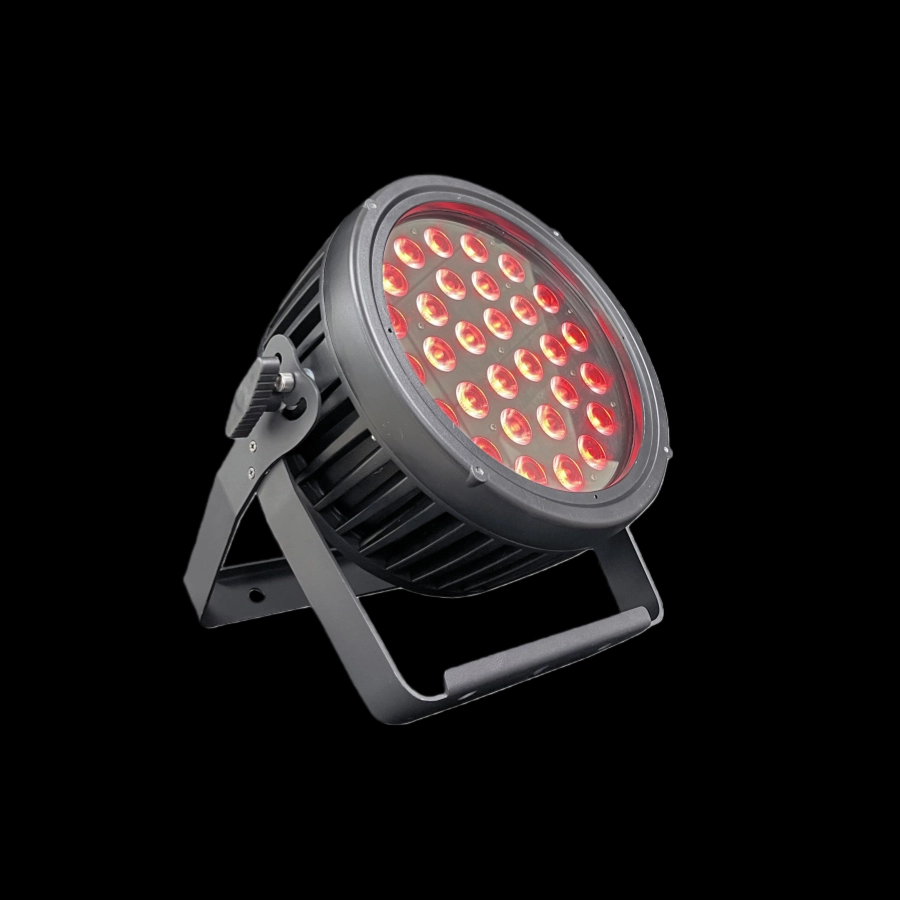
The Outdoor 30x10w RGBW LED Par light is a high-brightness outdoor PAR light equipped with 30 10W RGBW four-in-one LED beads, providing rich color gradation and supporting precise dimming and DMX512 control. It has excellent protection performance and can adapt to the humid and dusty outdoor environment, making it suitable for large-area supplementary lighting needs in cultural and tourism lighting, medium-sized performances, and commercial events.
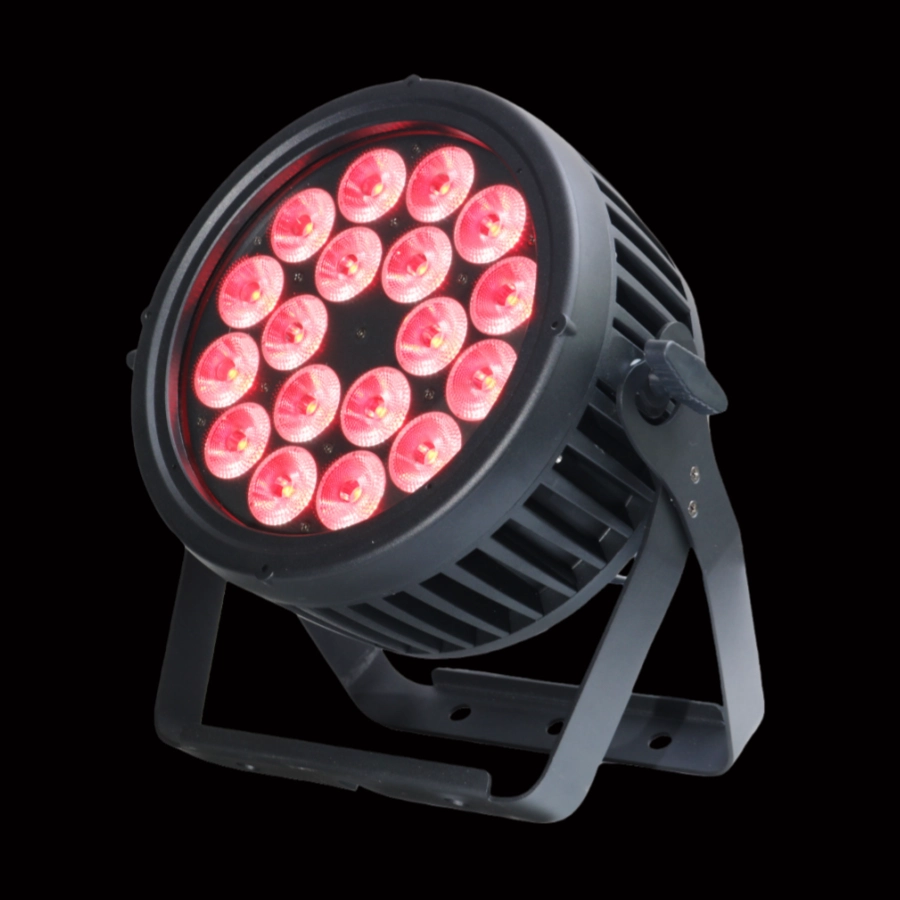
The Outdoor 18x10w RGBW LED Par light features delicate and rich four-color mixing, reliable outdoor protection performance, precise and flexible light control, and is suitable for outdoor performances, cultural and tourism landscape lighting, venue atmosphere creation, and other scenarios.
Stay updated on our latest news
If you have any comments or good suggestions, please leave us a message, later our professional staff will contact you as soon as possible.
Lighting Innovators
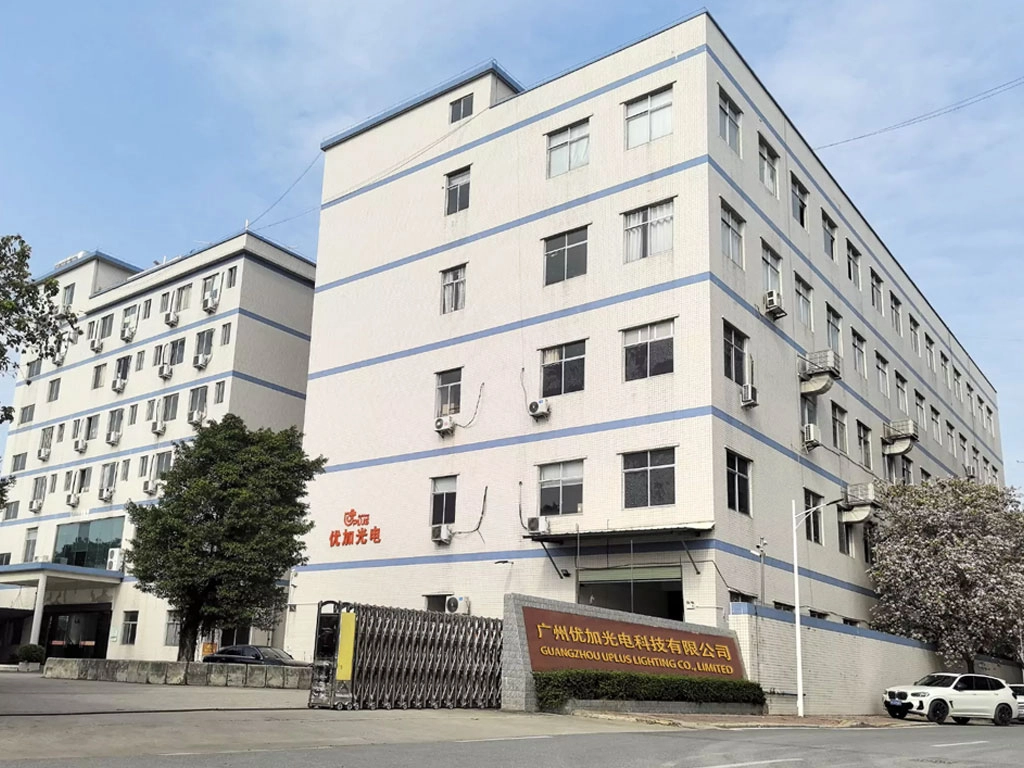
Uplus Lighting is a leading integrated company specializing in R&D, design, production, and sales of stage lighting solutions.
 Scan QR Code
Facebook
Instagram
YouTube
VK