






- 1. How do beam angle and intensity affect the visual impact of LED moving beam lights on stage?
- 2. What are the practical applications of different beam angles in various stage settings?
- 3. How can I calculate the required beam angle to achieve specific coverage on stage?
- 4. What factors should be considered when choosing between moving head fixtures and fixed-lens fixtures for stage lighting?
- 5. How does beam angle influence the uniformity and overlap of lighting coverage on stage?
- 6. What are the advantages of using LED moving beam lights over traditional stage lighting fixtures?
How to evaluate beam angle and intensity for stage use?
1. How do beam angle and intensity affect the visual impact of LED moving beam lights on stage?
The beam angle and intensity of LED moving beam lights are crucial in shaping the visual aesthetics of a performance. A narrow beam angle (e.g., 2°–8°) concentrates light into a sharp, intense spot, ideal for highlighting specific performers or creating dramatic effects. In contrast, a wider beam angle (e.g., 20°–60°) disperses light over a broader area, suitable for washes and general illumination. The intensity, measured in lux, determines the brightness of the light at a given distance. For instance, a fixture with a 10° beam angle at 10 meters produces a beam diameter of approximately 1.75 meters, with intensity decreasing as the distance increases. Understanding these parameters helps in achieving the desired lighting effects and coverage on stage.
2. What are the practical applications of different beam angles in various stage settings?
Beam angles play a pivotal role in tailoring lighting to specific stage environments. In small theaters, a 19°–26° beam angle is effective for front-of-house key lighting, while a 25°–50° beam angle is suitable for washes. Large venues like opera houses benefit from narrow spotlights (10°–20°) for downstage and mid-stage areas, and wider beam angles (40°–60°) for background illumination. Concerts and festivals often utilize beam fixtures with 1°–6° angles for aerial effects and narrow spots, complemented by wash moving heads with 15°–40° angles for band coverage. These applications demonstrate how beam angles influence lighting design to meet the unique demands of each setting.
3. How can I calculate the required beam angle to achieve specific coverage on stage?
Calculating the necessary beam angle involves basic geometry. The formula to determine beam diameter is: beam diameter = 2 × distance × tan(beam angle / 2). For example, to cover a 4-meter wide area from a truss 8 meters away, rearrange the formula to solve for beam angle θ: θ = 2 × arctan = 2 × arctan ≈ 28.6°. Therefore, a fixture with a 25°–30° beam angle would be appropriate. This calculation aids in selecting fixtures that provide adequate coverage for the intended stage area.
4. What factors should be considered when choosing between moving head fixtures and fixed-lens fixtures for stage lighting?
When deciding between moving head fixtures and fixed-lens fixtures, consider the following factors: Moving head fixtures offer high flexibility with pan/tilt, zoom capabilities, and effects like gobos, making them suitable for dynamic lighting designs and touring events. However, they may consume more power and require higher initial investment. Fixed-lens fixtures, such as Fresnels and PARs, are simpler, often more efficient, and cost-effective, making them ideal for static designs or installations. The choice depends on the specific requirements of the event, budget constraints, and desired lighting effects.
5. How does beam angle influence the uniformity and overlap of lighting coverage on stage?
Beam angle significantly affects the uniformity and overlap of lighting coverage. Narrow beams (<15°) produce high center intensity, useful for highlighting or long-throw front light. Medium beams (15°–30°) are versatile for mid-throw and front washes. Wide beams (>30°) provide soft, even coverage for cyclorama or audience washes but require more fixtures to achieve the same lux levels. When spacing fixtures, allowing 30–50% overlap of field edges helps avoid dark seams, ensuring consistent illumination across the stage.
6. What are the advantages of using LED moving beam lights over traditional stage lighting fixtures?
LED moving beam lights offer several advantages over traditional fixtures: they provide high light output with lower power consumption, have a longer service life, and often feature color mixing capabilities without the need for gels. Additionally, LED fixtures can be more compact and versatile, offering dynamic control over lighting effects. These benefits make LED moving beam lights a popular choice for modern stage productions, offering both efficiency and creative flexibility.
In conclusion, understanding the interplay between beam angle and intensity is essential for selecting the appropriate LED moving beam lights to achieve desired lighting effects and coverage on stage. By considering these factors, along with the specific requirements of your performance, you can enhance the visual impact and overall experience for your audience.
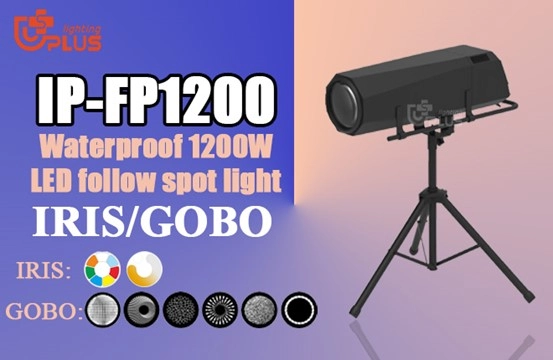
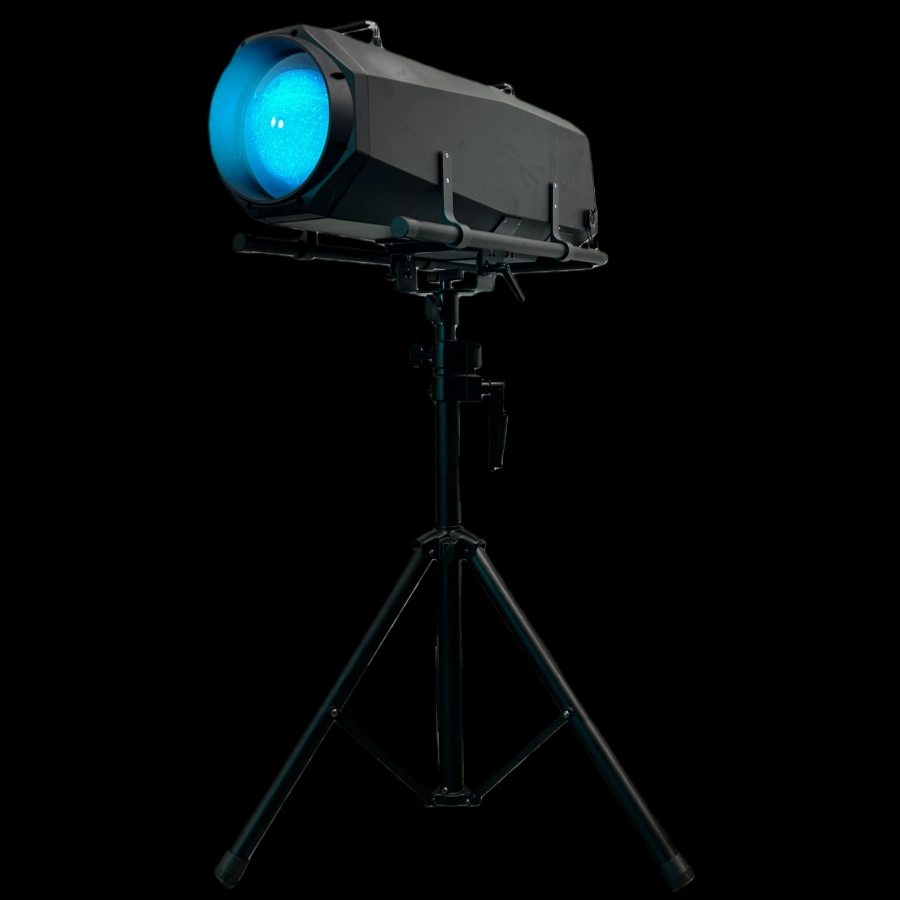
This 1200W waterproof LED follow spotlight with iris adjustment features strong light penetration, precise focusing, and smooth dimming with strobe effects.
Its rain- and dust-resistant design makes it suitable for outdoor performances, concerts, architectural lighting, and other applications. The LED light source boasts a long lifespan and stable, durable operation.
The Waterproof 1200W LED Follow Spot Light with Rotating Gobo features a rotating pattern sheet, delivering a powerful 1200W output for clear, focused beams and precise light tracking. Waterproof for outdoor use in all scenarios, the rotating pattern creates rich visual layers, making it ideal for large-scale indoor and outdoor performances, music festivals, light shows, and other events requiring focused attention and stage effects.
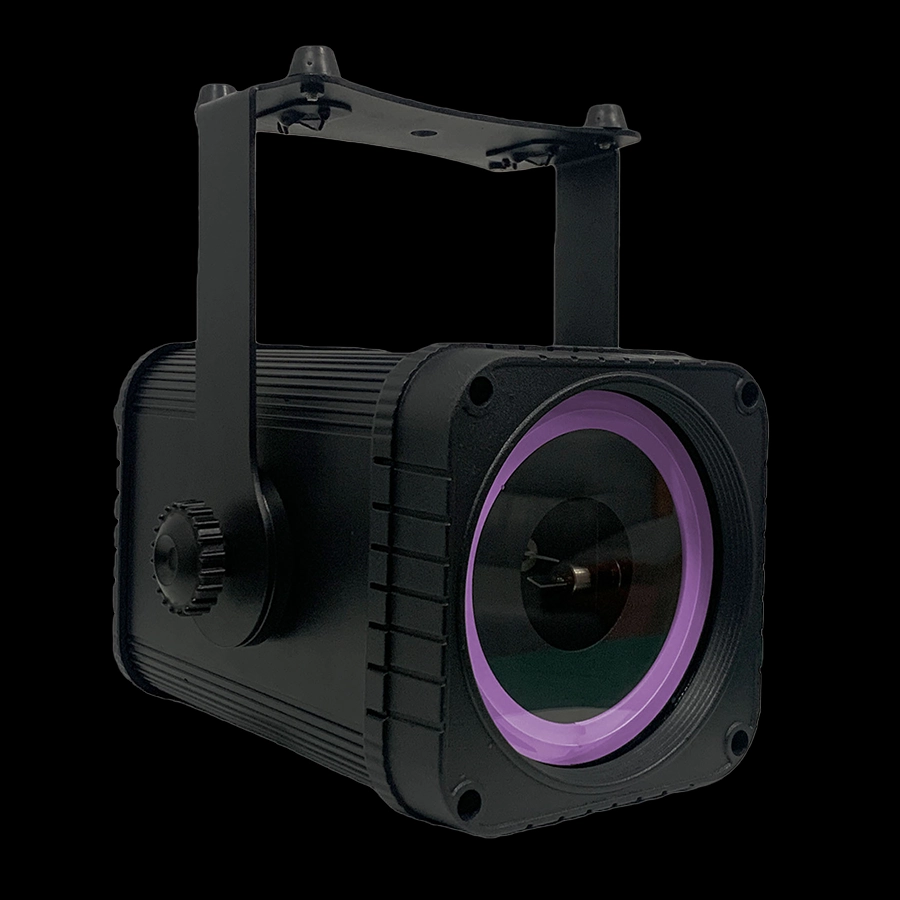
This IP65 waterproof 3W RGB animation laser battery light features an IP65 waterproof and dustproof design, making it suitable for both outdoor and indoor use. It supports rich RGB color combinations and dynamic animation effects, delivering a clear and fluid beam that can display text, patterns, and flowing light and shadow, among other visual representations.
Powered by a built-in battery, it requires no external power source, making it portable, easy to deploy, and simple to operate. Ideal for festive decorations, creating a garden atmosphere, and adding a touch of elegance to small events, it's energy-efficient, durable, and creates a truly immersive ambiance.
This IP65 waterproof 5W RGB animation laser battery light features an IP65 waterproof and dustproof design, making it suitable for both outdoor and indoor use. It supports rich RGB color combinations and dynamic animation effects, delivering a clear and fluid beam that can display text, patterns, and flowing light and shadow, among other visual representations.
Powered by a built-in battery, it requires no external power source, making it portable, easy to deploy, and simple to operate. Ideal for festive decorations, creating a garden atmosphere, and adding a touch of elegance to small events, it's energy-efficient, durable, and creates a truly immersive ambiance.
Stay updated on our latest news
If you have any comments or good suggestions, please leave us a message, later our professional staff will contact you as soon as possible.
Lighting Innovators
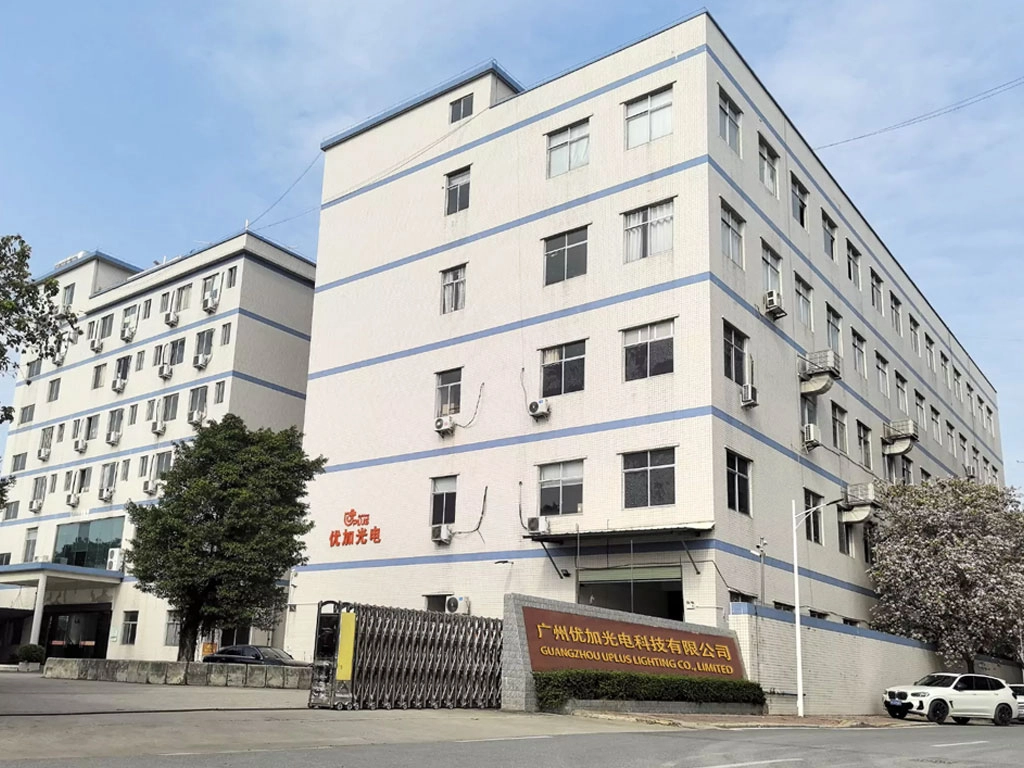
Uplus Lighting is a leading integrated company specializing in R&D, design, production, and sales of stage lighting solutions.
 Scan QR Code
Facebook
Instagram
YouTube
VK