





- 1. What are the optimal beam angles for moving head strobe lights in different stage settings?
- 2. How do flash rates in moving head strobe lights impact visual effects and audience experience?
- 3. What are the safety guidelines for using moving head strobe lights to prevent adverse effects?
- 4. How do beam angles and flash rates affect the throw distance and coverage of moving head strobe lights?
- 5. What are the key features to consider when comparing moving head strobe lights for professional use?
- 6. How do moving head strobe lights integrate with other stage lighting equipment for synchronized effects?
How to compare moving head strobe beam angles and flash rates?
1. What are the optimal beam angles for moving head strobe lights in different stage settings?
Beam angles in moving head strobe lights significantly influence the lighting effects and coverage on stage. A narrow beam angle (3–10°) creates intense spotlight effects, ideal for highlighting performers or specific areas. A medium beam angle (12–25°) offers a balance between coverage and intensity, suitable for general stage illumination. A wide beam angle (30–60°) provides broad coverage, perfect for audience washes or ambient lighting.
Considerations:
Venue Size: Larger venues may benefit from narrow beams to create dramatic effects, while smaller venues might opt for wider beams for uniform coverage.
Lighting Objectives: Determine whether the goal is to create focused highlights or ambient washes to select the appropriate beam angle.
2. How do flash rates in moving head strobe lights impact visual effects and audience experience?
Flash rates, measured in flashes per second (Hz), determine the strobe light's intensity and rhythm. A slow flash rate (1–2 Hz) produces subtle effects, suitable for ambient lighting. A moderate flash rate (3–10 Hz) offers dynamic effects without overwhelming the audience. A high flash rate (10+ Hz) creates intense, rapid flashes, often synchronized with music for dramatic impact.
Considerations:
Event Type: High flash rates are common in concerts and festivals, while lower rates are used in theatrical productions.
Audience Comfort: Excessive flashing can cause discomfort; it's essential to balance visual impact with audience well-being.
3. What are the safety guidelines for using moving head strobe lights to prevent adverse effects?
To ensure safe operation of moving head strobe lights:
Limit Flash Frequency: Avoid sustained strobing between 3–30 Hz, especially between 5–30 Hz for dense patterns. Use short bursts and vary patterns to reduce continuous exposure.
Control Duty Cycle: Implement shorter on-times with longer off-times to lower average light exposure. Many operators program strobes with low duty cycles for high-impact moments only.
Intensity Modulation: Lower peak intensity combined with creative timing often achieves similar perceived impact with less physiological risk.
Test Scenes: Observe how strobes appear on-screen, especially for broadcast and livestream contexts.
Emergency Measures: Implement a hardware or software kill-switch accessible to front-of-house and stage management to immediately disable strobe effects in the event of an incident.
4. How do beam angles and flash rates affect the throw distance and coverage of moving head strobe lights?
Beam angles and flash rates directly influence the throw distance and coverage area:
Beam Angle: Narrower beam angles (1–6°) are suitable for long-throw applications, projecting light over greater distances. Wider beam angles (10–60°) are ideal for short-throw applications, providing broader coverage over shorter distances.
Flash Rate: Higher flash rates can enhance the visibility of the light over longer distances, but excessive flashing may cause discomfort.
Considerations:
Venue Size: Larger venues may require fixtures with narrow beam angles and higher flash rates to achieve desired effects.
Lighting Objectives: Determine whether the goal is to create focused highlights or ambient washes to select the appropriate beam angle and flash rate.
5. What are the key features to consider when comparing moving head strobe lights for professional use?
When evaluating moving head strobe lights, consider the following features:
Beam Angle Range: A versatile zoom range allows for both narrow and wide beam effects.
Flash Rate and Duty Cycle: Adjustable flash rates and duty cycles provide flexibility for various lighting effects.
Color Mixing Capabilities: RGB, RGBW, or CMY color mixing allows for a wide range of color effects.
Gobos and Prisms: Interchangeable gobos and prisms enable the creation of diverse patterns and effects.
Pan and Tilt Movement: Smooth and precise pan and tilt movements enhance dynamic lighting effects.
Cooling System: Effective cooling ensures the longevity and reliability of the fixture.
Considerations:
Venue Requirements: Assess the specific needs of your venue to select a fixture with appropriate features.
Budget Constraints: Balance desired features with budget limitations to find the best value.
6. How do moving head strobe lights integrate with other stage lighting equipment for synchronized effects?
Moving head strobe lights can be synchronized with other stage lighting equipment through:
DMX Control: Allows for centralized control of multiple fixtures, enabling coordinated effects.
Art-Net Protocol: Facilitates communication between lighting fixtures and control systems over Ethernet.
RDM Functionality: Enables remote monitoring and configuration of fixtures.
Considerations:
System Compatibility: Ensure all equipment is compatible with the chosen control protocols.
Programming Complexity: Complex setups may require advanced programming skills to achieve desired effects.
Conclusion:
Selecting the right moving head strobe light involves understanding beam angles, flash rates, and how these factors influence stage lighting effects. By considering venue size, lighting objectives, and integrating with other equipment, you can achieve dynamic and synchronized lighting displays.
For personalized recommendations and a quote, please contact us at albee@upluslighting.com or visit our website at www.upluslighting.com.
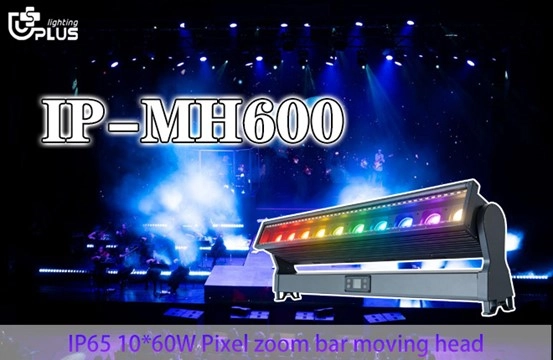
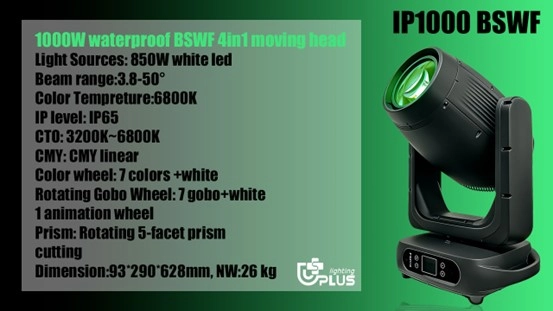
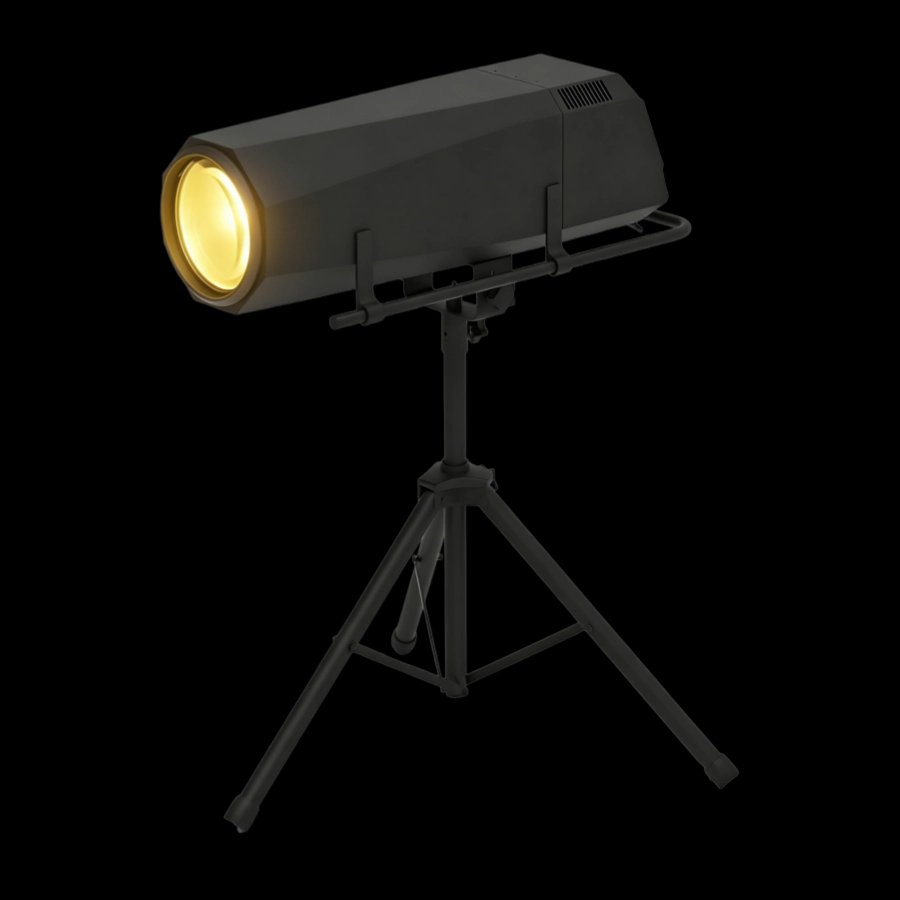
This 1200W waterproof LED follow spotlight with iris adjustment features strong light penetration, precise focusing, and smooth dimming with strobe effects.
Its rain- and dust-resistant design makes it suitable for outdoor performances, concerts, architectural lighting, and other applications. The LED light source boasts a long lifespan and stable, durable operation.
The Waterproof 1200W LED Follow Spot Light with Rotating Gobo features a rotating pattern sheet, delivering a powerful 1200W output for clear, focused beams and precise light tracking. Waterproof for outdoor use in all scenarios, the rotating pattern creates rich visual layers, making it ideal for large-scale indoor and outdoor performances, music festivals, light shows, and other events requiring focused attention and stage effects.
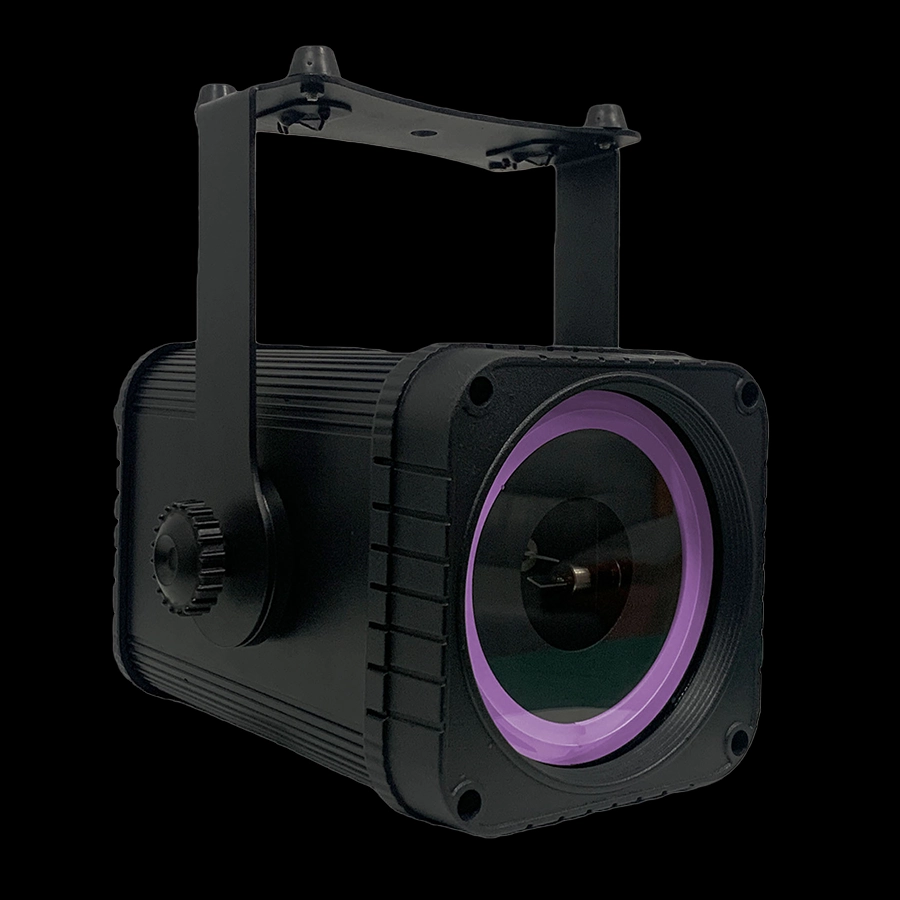
This IP65 waterproof 3W RGB animation laser battery light features an IP65 waterproof and dustproof design, making it suitable for both outdoor and indoor use. It supports rich RGB color combinations and dynamic animation effects, delivering a clear and fluid beam that can display text, patterns, and flowing light and shadow, among other visual representations.
Powered by a built-in battery, it requires no external power source, making it portable, easy to deploy, and simple to operate. Ideal for festive decorations, creating a garden atmosphere, and adding a touch of elegance to small events, it's energy-efficient, durable, and creates a truly immersive ambiance.
This IP65 waterproof 5W RGB animation laser battery light features an IP65 waterproof and dustproof design, making it suitable for both outdoor and indoor use. It supports rich RGB color combinations and dynamic animation effects, delivering a clear and fluid beam that can display text, patterns, and flowing light and shadow, among other visual representations.
Powered by a built-in battery, it requires no external power source, making it portable, easy to deploy, and simple to operate. Ideal for festive decorations, creating a garden atmosphere, and adding a touch of elegance to small events, it's energy-efficient, durable, and creates a truly immersive ambiance.
Stay updated on our latest news
If you have any comments or good suggestions, please leave us a message, later our professional staff will contact you as soon as possible.
Lighting Innovators
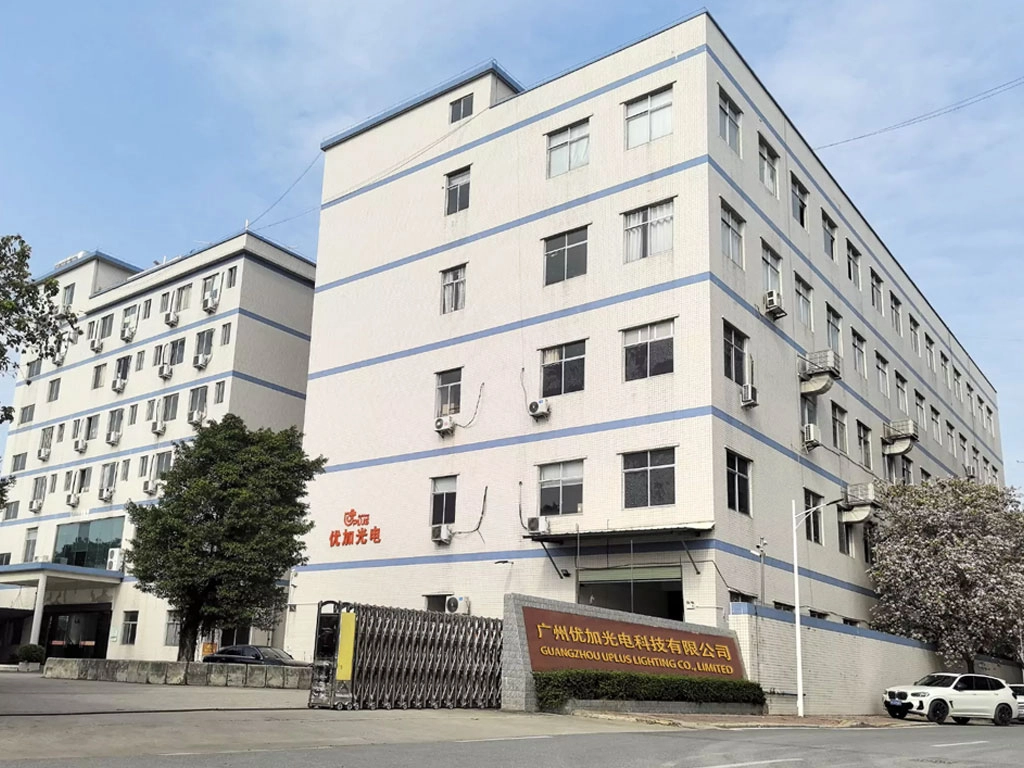
Uplus Lighting is a leading integrated company specializing in R&D, design, production, and sales of stage lighting solutions.
 Scan QR Code
Facebook
Instagram
YouTube
VK