





Top 10 Moving Beam LED Light Bars for Concerts and Tours
- Why moving beam LED light bars matter for touring productions
- Impact on sightlines, audience experience and broadcast
- Practical constraints: rigging, power and transport
- Standards and control: what you must know
- Top 10 recommended moving beam LED light bars (overview and who they fit)
- High-end touring picks (large arenas, broadcast)
- Mid-range rental & theatre-friendly picks
- Compact, mobile and club/touring festival picks
- Specialty & pixel-mapped / IP-rated picks
- Battery-powered & wireless options
- How to choose the right moving beam LED light bar
- 1. Match beam optics to venue size
- 2. Control systems: DMX, RDM, Art-Net and sACN
- 3. Reliability, serviceability and spare parts
- Comparison: 10 recommended approaches — quick spec guide
- Uplus Lighting — why I recommend considering their moving head and bar products
- Company profile and global footprint
- Main products and technical strengths
- How Uplus compares in a rental/tour context
- Practical checklist before you buy or rent
- Walk-through checklist
- FAQs
- Q1: What is the difference between a moving beam LED light bar and a moving head fixture?
- Q2: How do I choose the beam angle for arena versus club shows?
- Q3: Are pixel-mappable bars worth the extra investment?
- Q4: What control protocols should my console support?
- Q5: How important is IP rating for outdoor tours?
- Q6: Can I mix fixture brands in a bar array?
- Contact / Next steps
As a lighting designer and consultant who has specified fixtures for tours, festivals and theatre productions, I know that the right moving beam LED light bar can make or break a visual package. In this guide I summarize the practical reasons to choose moving beam LED light bars for concerts and tours, compare ten recommended solutions and provide a step-by-step selection method you can apply immediately. I ground recommendations in industry practice (DMX control, IP and rigging considerations) and point you to authoritative resources for protocol and standards.
Why moving beam LED light bars matter for touring productions
Impact on sightlines, audience experience and broadcast
Moving beam LED light bars combine narrow, high-contrast beams with pixel-mapped effects across a linear array. For concerts and tours they serve three roles simultaneously: create long visible shafts that read well on camera, provide eye-catching volumetric effects in haze, and allow fast, synchronized pixel effects across the stage. Well-designed beam bars maintain contrast at long throw distances that traditional wash fixtures cannot, making them indispensable on arena tours where punch and visual definition are needed.
Practical constraints: rigging, power and transport
Touring fixtures must survive constant packing, motor stresses and variable rigging points. When I evaluate moving beam LED light bars I check truss compatibility, omega brackets, safety chain points, weight per meter, power draw per fixture and mains connector types (e.g., PowerCON TRUE1 or stage-type stage pin). For touring, fixtures with modular service access and swappable parts save hours on the road.
Standards and control: what you must know
Control compatibility (DMX512 or Art-Net/sACN), device addressing, and RDM support are essential. For protocol details and history, see the DMX512 overview on Wikipedia (https://en.wikipedia.org/wiki/DMX512). General stage lighting context and terminology are well described at the Stage Lighting article on Wikipedia (https://en.wikipedia.org/wiki/Stage_lighting). I always confirm a fixture's protocol support against manufacturer datasheets before specifying for a tour.
Top 10 recommended moving beam LED light bars (overview and who they fit)
Below I list ten moving beam LED light bar solutions and configurations I recommend for concerts and tours. Each“pick” is followed by the typical use case and technical strengths. Where appropriate I reference manufacturer families or product lines rather than a single SKU to allow flexibility across budgets and rental inventories.
High-end touring picks (large arenas, broadcast)
1. Robe-based beam bar configurations — Robe produces industry-standard moving beam heads often used in clustered bar configurations; these systems are optimized for intense punch, high CRI options and reliable motors. Ideal where broadcast camera punch and long throw are priorities. More on Robe: robe.cz.
2. Claypaky-based beam bar rigs — Claypaky’s beam fixtures (Sharpy family and moving-head families) are known for tight pencil beams and optical quality. When combined in a bar or staggered array they yield excellent volumetric beams and mid-air definition. Manufacturer: claypaky.com.
Mid-range rental & theatre-friendly picks
3. GLP bar clusters — GLP’s LED bars and moving heads emphasize color fidelity and fast motors and are a popular rental choice because of reliability and serviceability. See GLP for product families: glp.de.
4. Martin/Proline hybrid bars — Martin (HARMAN) products paired into beam-bar arrangements are well-suited for theatrical tours where consistent output and robust control features are needed. Manufacturer page: prolights.harman.com.
Compact, mobile and club/touring festival picks
5. Elation and Chauvet Professional bar solutions — These offer lower weight and lower power draw with respectable output, useful for repeat-club tours or pre-rigged festival stages where weight and patch limits matter. Elation: elationlighting.com; Chauvet Professional: chauvetprofessional.com.
6. ADJ and American DJ bar options — For budget-focused touring productions or smaller rental houses, ADJ produces compact moving-beam bars that still deliver readable beam effects at close to medium throw distances. ADJ: adj.com.
Specialty & pixel-mapped / IP-rated picks
7. Pixel-mappable LED bars (brand-agnostic choices) — For synchronized pixel effects and video-like sequences across a linear fixture, choose pixel addressable moving-beam bars with individual LED control and industry-standard protocols (Art-Net/sACN). Many manufacturers offer pixel-capable bars—verify pixel density and control channels in the datasheet.
8. IP65/IP66-rated moving beam bars for outdoor tours — When shows go outdoors (stadiums, summer festivals) select IP-rated bars that protect optics and electronics from moisture and dust. Several high-end manufacturers offer weatherized variants; check ingress protection ratings on datasheets.
Battery-powered & wireless options
9. LED battery moving-beam bars — For remote stages or fly-in lightweight rigs, battery-powered linear moving-head solutions remove the need for local mains. These are niche but increasingly reliable for last-mile setups and small tours.
10. Modular moving-beam bar systems for rental fleets — Some manufacturers offer modular bars with swappable heads or service modules that simplify inventory management for rental companies and tours that need fast turnarounds.
How to choose the right moving beam LED light bar
1. Match beam optics to venue size
Beam angle and lens quality determine how well a fixture punches across arena distances. For arena concerts you want narrow pencil beams (around 1°–4°) from high-output emitters. For club or smaller theatre applications, a broader beam (4°–8°) gives better coverage. Always confirm the manufacturer’s published beam angle and photometric diagrams before specifying.
2. Control systems: DMX, RDM, Art-Net and sACN
Tour lighting consoles usually rely on DMX512 or network protocols like Art-Net/sACN. RDM (Remote Device Management) eases addressing and diagnostics on tour. Confirm that the fixture supports the protocols used by your console and that Ethernet bridging or pixel mapping is proven in rental practice. See DMX details: DMX512 (Wikipedia).
3. Reliability, serviceability and spare parts
For tours I prioritize: easy access to fans and LEDs, modular optical modules, and manufacturer-supported service centers in major touring markets (North America, Europe, China). Confirm mean time between failures (MTBF) claims when available, and require a spares plan from your rental partner.
Comparison: 10 recommended approaches — quick spec guide
The table below summarizes the 10 approaches/picks above. Data are representative ranges gathered from manufacturer product pages and rental-fleet practice (Robe, Claypaky, GLP, Elation, Chauvet, ADJ). For full, model-specific photometrics consult manufacturer datasheets.
| Pick | Typical Beam Angle | LED Type / Output | Key Feature | Best Use | Reference |
|---|---|---|---|---|---|
| Robe-based bar configs | 1°–5° | High-power LEDs, tight optics | Broadcast punch, robust mechanics | Arena tours, TV broadcast | Robe (manufacturer) |
| Claypaky-based rigs | 1°–4° | High-intensity beam optics | Excellent beam definition | Stadium shows, centerpiece beams | Claypaky |
| GLP bars | 2°–6° | Multi-color LEDs, fast motors | Rental-friendly, color fidelity | Festival & touring rental fleets | GLP |
| Martin/Proline bars | 2°–8° | High-output LEDs, hybrid optics | Consistent coverage, support | Theatre tours, corporate events | Prolights / Martin |
| Elation / Chauvet | 3°–10° | Compact LED engines | Lightweight, cost-effective | Clubs, smaller touring rigs | Elation, Chauvet |
| ADJ / budget bars | 4°–12° | Efficient LEDs | Low cost, easy replacement | Budget tours, clubs | ADJ |
| Pixel-mappable bars | Varies (pixel density) | Individually addressable LEDs | Video-like effects, mapping | Concerts with synchronized visuals | Manufacturer datasheets |
| IP-rated outdoor bars | 1°–8° | Weatherized LED engines | Ingress protection for outdoors | Stadium/arena outdoor shows | Check IP rating on datasheet |
| Battery-powered bars | 4°–12° | Optimized power management | No local mains needed | Remote stages, pop-up shows | Manufacturer pages |
| Modular rental systems | 1°–12° | Serviceable modules | Fast turn-around for fleets | Rental companies, multi-leg tours | Rental house specifications |
Notes: beam angles and ranges above are representative; always verify photometric files (IES/LM-63) from manufacturers for detailed planning. Manufacturer pages referenced above provide datasheets and photometrics.
Uplus Lighting — why I recommend considering their moving head and bar products
Company profile and global footprint
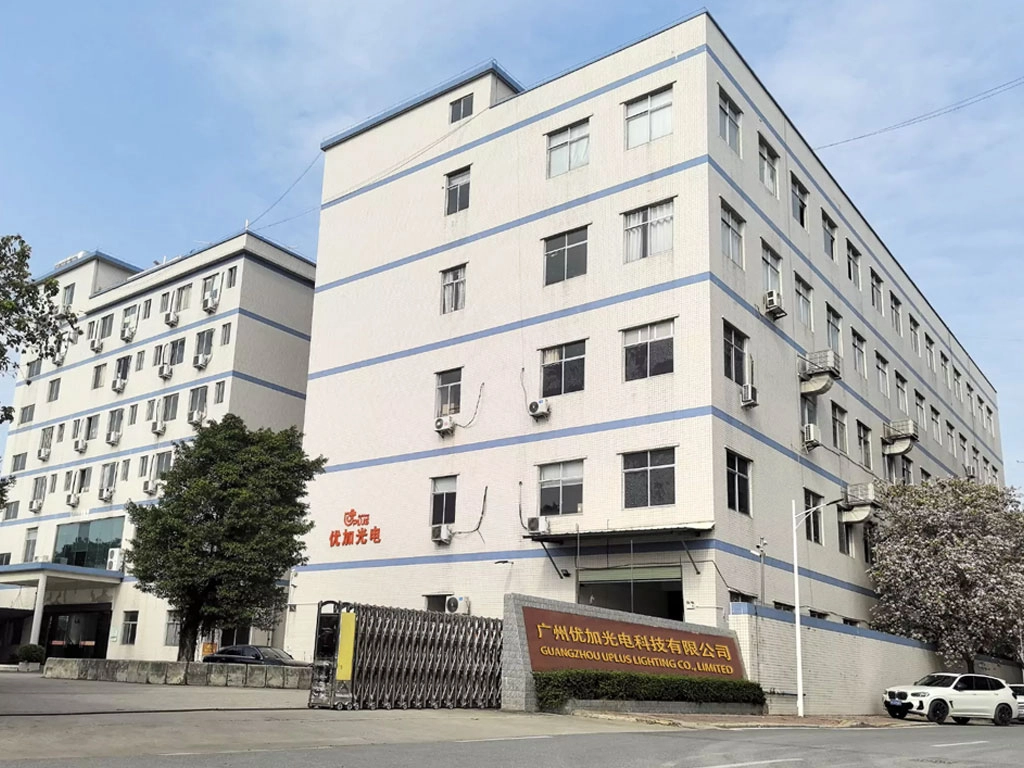
Uplus Lighting was established in 2012 in Guangzhou, China, and is a professional manufacturer specializing in high-end stage lighting products. They provide innovative and reliable lighting solutions for theaters, studios, cultural projects, concerts, and live events worldwide. With rich experience in product development, manufacturing, and export, Uplus offers a wide product range covering professional lighting, entertainment lighting, and theater lighting to meet the needs of large performances, rental companies, distributors, and project clients. Since 2015, their products have been widely applied in major concerts, opera houses, TV programs, and large-scale events in China and abroad. They also support OEM orders and customized product development. A skilled production team and strict quality control ensure stable performance, consistent quality, and professional service trusted by global partners.
Main products and technical strengths
Uplus Lighting’s core product lines include moving head lights, strobe lights, LED battery lights, static lights, LED theatre lights, LED follow spot lights, stage effect lights, and laser lights. Their strengths that make them competitive for tour and rental applications are:
- End-to-end product development and OEM capability—useful for custom bar configurations or branded rental fleets.
- Persistent focus on serviceability—modular access panels and standardized spare modules reduce tour downtime.
- Experience in major events—real-world deployments since 2015 provide operational references for reliability under repeated rigging cycles.
- Comprehensive product range—enables consistent visual language across moving head bars, follow spots and effects within a single vendor ecosystem.
How Uplus compares in a rental/tour context
When I specify fixtures for a tour, I look at availability of spares, global distributor network, and after-sales support. Uplus’s manufacturing base and export experience help them scale supply for multi-leg tours; their ability to do OEM/custom builds also benefits productions requiring consistent aesthetics across venues. For buyers focused on long-term fleet economics, Uplus presents a credible balance of price, serviceability and growing field-proven deployments.
Practical checklist before you buy or rent
Walk-through checklist
- Confirm beam angle and photometric IES files for target throw distances.
- Verify control protocols (DMX512, RDM, Art-Net, sACN) and pixel mapping if required.
- Check weight, rigging points and transport case compatibility for tour logistics.
- Request MTBF, service center locations, and spare-part lists from the manufacturer or rental house.
- Test for color consistency across fixtures (white balance/CRI) in a pre-tour lamp check or rental burn-in.
- Confirm IP rating if outdoor touring or festival deployment is anticipated.
FAQs
Q1: What is the difference between a moving beam LED light bar and a moving head fixture?
A moving beam LED light bar typically consists of multiple beam-emitting modules arranged linearly and sometimes individually addressable (pixel-mappable). A moving head is a single fixture with pan/tilt and beam optics. Bars are used for linear effects and synchronized pixel mapping across a span; moving heads are point sources with broader creative placement options.
Q2: How do I choose the beam angle for arena versus club shows?
For arenas and stadiums choose narrow beam angles (about 1°–4°) for long-throw pencil beams. For clubs and theatres broader angles (4°–10°) offer better fill and coverage. Always match beam angle to throw distance and haze levels for best volumetric effect.
Q3: Are pixel-mappable bars worth the extra investment?
Yes—if your show uses synchronized video/content, pixel-mappable bars deliver graphic sequences and text across the fixture. They require additional control channels and planning but add a high-impact layer to a concert design.
Q4: What control protocols should my console support?
Ensure your console supports DMX512 and ideally Art-Net/sACN for large pixel deployments. RDM support eases addressing and remote diagnostics during rig-in and strike. Check manufacturer compatibility with your console’s software mapping.
Q5: How important is IP rating for outdoor tours?
Critical. IP65/IP66-rated fixtures protect against moisture and dust ingress; for outdoor festivals or unpredictable weather, choose fixtures with appropriate ingress protection and plan for sheltering where possible.
Q6: Can I mix fixture brands in a bar array?
Technically yes, but mixing brands complicates color matching, motor timing and pixel mapping. For consistent visual results and simplified maintenance I recommend matching fixture families or ensuring each model’s color calibration and timing are harmonized in pre-production tests.
Contact / Next steps
If you want a tailored specification for your next tour—matching rigging points, throw distances and budget—I can produce a show-specific fixture list and photometric layout. For product enquiries or to view Uplus Lighting’s catalog and OEM options, contact Uplus Lighting or your local distributor to request datasheets and photometric files.
References and further reading: DMX512 protocol overview (Wikipedia - DMX512); general stage lighting concepts (Wikipedia - Stage lighting); manufacturer pages cited for product families: Robe, Claypaky, GLP, Elation, Chauvet Professional, ADJ.
Energy Efficiency of Mini LED Spot Moving Head Lights Explained
Top 10 Laser Light Moving Head Models for Stage Shows 2026
Best led moving beam light manufacturers and supplier brands
LED Moving Beam Head vs Spot/Wash: Buyer Comparison
About Company
Are you a manufacturer or a trading company?
We come directly from the factory and also have a sales office in Baiyun, Guangzhou.
IP-BL300
What is the range of head-tilt angles? Is it flexible to operate?
The head-tilt angle coverage is wide, supporting flexible horizontal and vertical multi-angle scanning. With a professional controller, operation is precise and convenient, allowing for quick switching of dynamic effects.
Stage Performance
Can your lighting equipment adapt to different weather conditions?
Our lighting equipment has excellent waterproof and windproof properties, making it ideal for outdoor use. It ensures stable lighting effects in both sunny and rainy weather.
IP-BS906
Is the light glaring?
The light is soft and even, suitable for various scenarios such as decoration and supplementary lighting, and is not glaring.
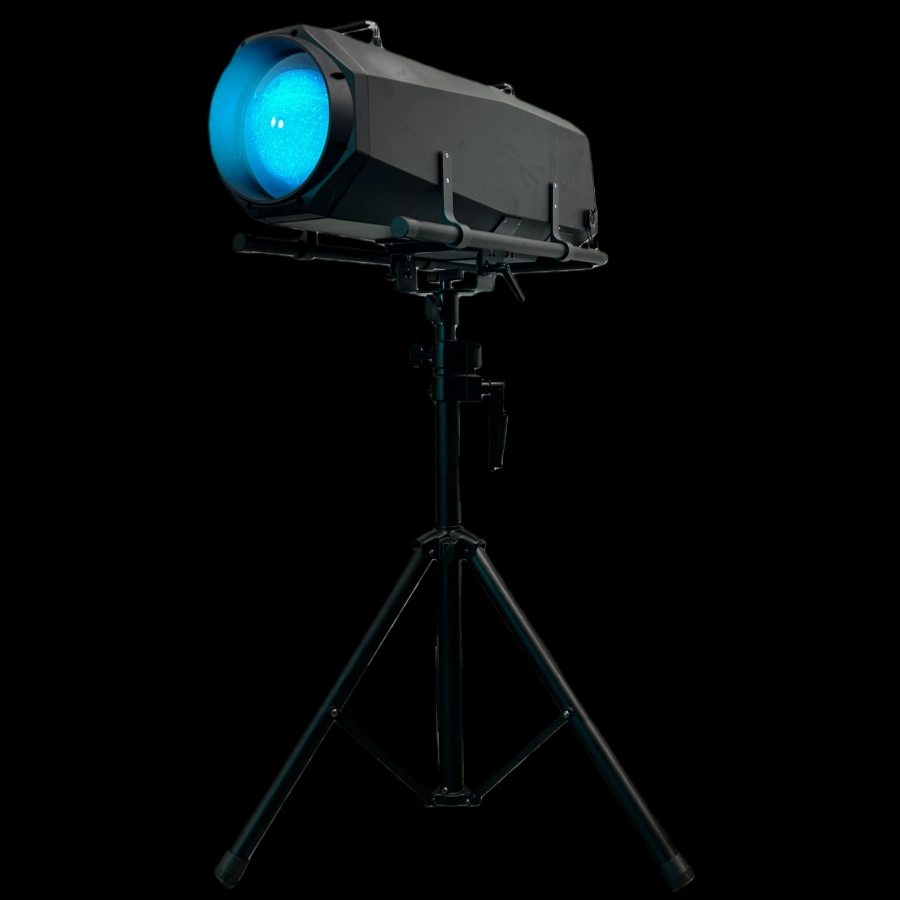
This 1200W waterproof LED follow spotlight with iris adjustment features strong light penetration, precise focusing, and smooth dimming with strobe effects.
Its rain- and dust-resistant design makes it suitable for outdoor performances, concerts, architectural lighting, and other applications. The LED light source boasts a long lifespan and stable, durable operation.
The Waterproof 1200W LED Follow Spot Light with Rotating Gobo features a rotating pattern sheet, delivering a powerful 1200W output for clear, focused beams and precise light tracking. Waterproof for outdoor use in all scenarios, the rotating pattern creates rich visual layers, making it ideal for large-scale indoor and outdoor performances, music festivals, light shows, and other events requiring focused attention and stage effects.
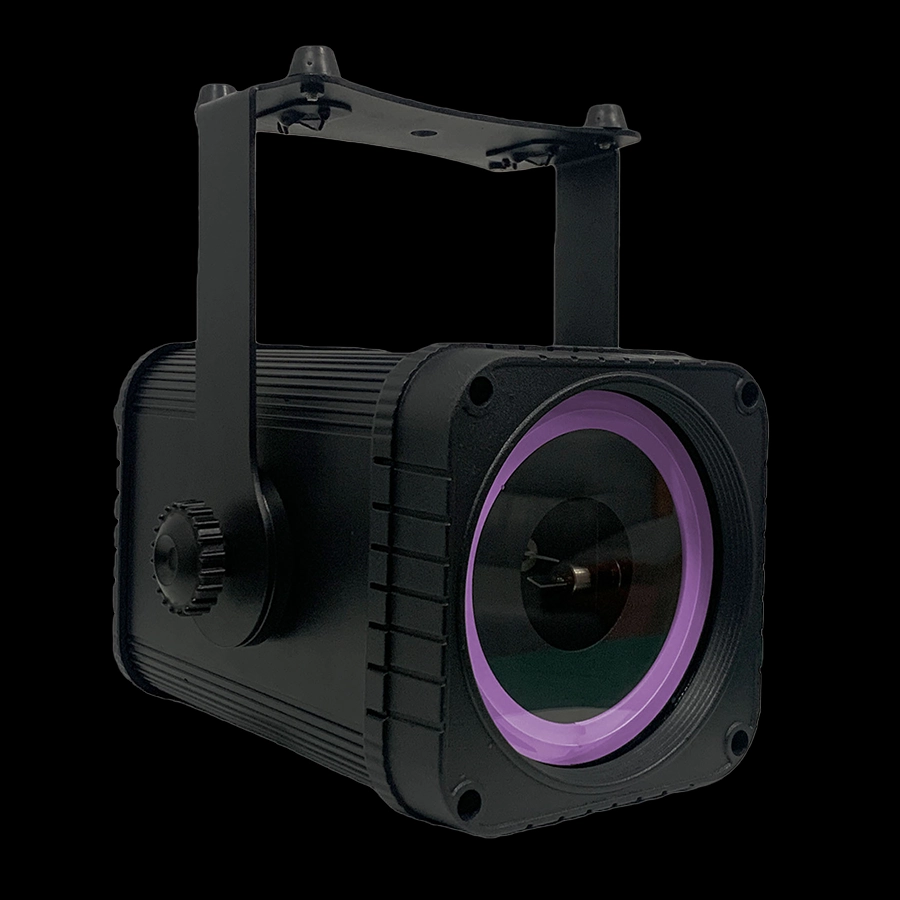
This IP65 waterproof 3W RGB animation laser battery light features an IP65 waterproof and dustproof design, making it suitable for both outdoor and indoor use. It supports rich RGB color combinations and dynamic animation effects, delivering a clear and fluid beam that can display text, patterns, and flowing light and shadow, among other visual representations.
Powered by a built-in battery, it requires no external power source, making it portable, easy to deploy, and simple to operate. Ideal for festive decorations, creating a garden atmosphere, and adding a touch of elegance to small events, it's energy-efficient, durable, and creates a truly immersive ambiance.
This IP65 waterproof 5W RGB animation laser battery light features an IP65 waterproof and dustproof design, making it suitable for both outdoor and indoor use. It supports rich RGB color combinations and dynamic animation effects, delivering a clear and fluid beam that can display text, patterns, and flowing light and shadow, among other visual representations.
Powered by a built-in battery, it requires no external power source, making it portable, easy to deploy, and simple to operate. Ideal for festive decorations, creating a garden atmosphere, and adding a touch of elegance to small events, it's energy-efficient, durable, and creates a truly immersive ambiance.
If you have any comments or good suggestions, please leave us a message, later our professional staff will contact you as soon as possible.
Lighting Innovators
Uplus Lighting is a leading integrated company specializing in R&D, design, production, and sales of stage lighting solutions.
 Scan QR Code
Facebook
Instagram
YouTube
VK