




The Definitive 2026 LED Par Light Handbook: From Pro Stage Setup to DMX Control
- What is an LED Par Light?
- Key Takeaways: The 2026 LED Par Landscape
- Traditional Halogen vs. Modern LED Par Lights
- Essential Features to Look for in Pro LED Pars
- Mastering DMX Control for Stage Setups
- Expert Tips & Common Mistakes in Stage Lighting
- 2026 Innovations: What the Competitors Are Missing
- Why Global Productions Trust Uplus Lighting for Stage Solutions
- Conclusion
- FAQs About led par light
- What does PAR stand for in stage lighting?
- How many DMX channels does an LED Par light use?
- What is the difference between RGB, RGBW, and RGBWA+UV?
- Can I use indoor LED Par lights outside?
- How long do LED Par cans typically last?
- Do I need a DMX controller to operate an LED Par light?
- What is COB LED technology in par lighting?
- Why do some LED lights flicker on camera, and how do I stop it?
What is an LED Par Light?
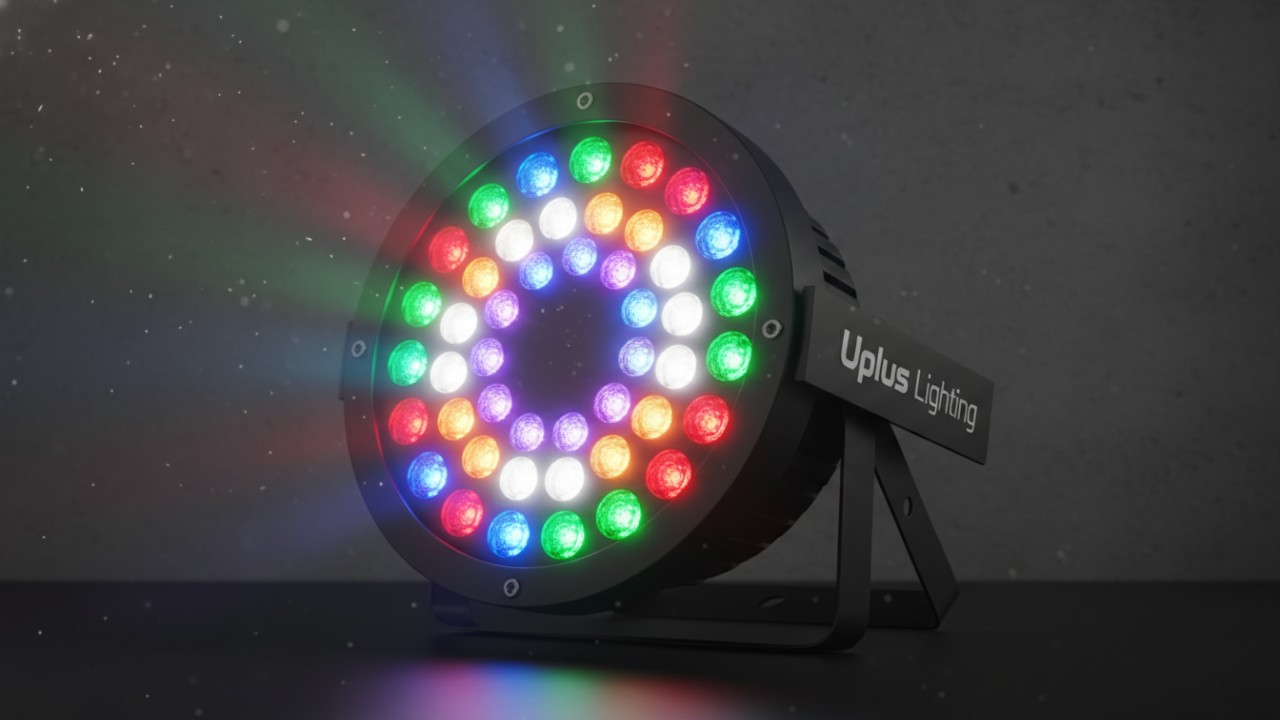
PAR stands for Parabolic Aluminized Reflector. An led par light is a modern stage lighting fixture that uses light-emitting diodes instead of traditional incandescent bulbs to produce bright, highly controllable wash lighting without the massive heat or power draw.
These fixtures have become the versatile workhorses of the entertainment industry. Whether you are illuminating a local theater production, a massive stadium concert, a broadcast studio, or a corporate live event, these lights are critical for delivering rich color washes, atmospheric uplighting, and focused spot illumination.
Key advantages of this technological transition include:
- Digital Color Control: Modern iterations entirely eliminate the need for physical, heat-resistant color gels. By utilizing digital RGBWA+UV color mixing, lighting designers can instantly achieve millions of seamless color combinations via remote console commands.
- Instant Responsiveness: Unlike older bulbs that take time to warm up or cool down, diodes can strobe, dim, and snap to full intensity instantaneously.
- Form Factor Flexibility: Without the need to house massive, heat-generating bulbs, modern PAR casings can be designed to be much slimmer and lighter, making rigging and transport significantly easier.
Key Takeaways: The 2026 LED Par Landscape
The 2026 landscape for stage wash lighting is defined by ultra-high color rendering, smart wireless connectivity, and extreme energy efficiency, making older halogen setups entirely obsolete for professional venues aiming to reduce operational costs and improve visual quality.
As the industry pushes toward higher production values, several major trends dominate the market:
- Ultra-High CRI & COB Tech: Modern broadcasts require lighting that accurately reproduces human skin tones and set colors. You can now expect superior color rendering indices (CRI) essential for 4K broadcast and theater productions. In fact, as reported by Wikipedia, a color rendering index is a quantitative measure of the ability of a light source to reveal the colors of various objects faithfully in comparison with a natural or standard light source.
- Smart Connectivity: The rapid integration of Wireless DMX (W-DMX) and IoT-based diagnostics allows technicians to monitor the health, temperature, and signal strength of the entire rig in real-time directly from a tablet or console.
- Energy Dominance: Upgrading from halogen is no longer a luxury choice but a financial necessity. Venues are actively upgrading to cut power costs by up to 85%, freeing up electrical headroom for larger LED video walls and high-powered audio arrays.
Traditional Halogen vs. Modern LED Par Lights
Modern LED Par lights drastically outperform traditional halogen fixtures by consuming up to 85% less power, emitting significantly less heat, and providing a lifespan of over 50,000 hours, which eliminates the frequent and costly replacement of fragile bulbs.
When evaluating a venue upgrade or planning a new touring rig, the physical and financial differences between the two technologies become starkly apparent:
- Power Consumption: Legacy PAR64 fixtures typically draw a massive 1000W of power each, requiring heavy-duty dimming racks and industrial power distribution. In contrast, an equivalent modern unit draws only 100W to 150W, allowing you to daisy-chain dozens of lights on a standard wall circuit.
- Heat Management: Traditional bulbs convert the majority of their energy into infrared heat. This makes stages uncomfortably hot for performers and raises the risk of fire. Diodes emit drastically less heat, ensuring optimal performer comfort, improved stage safety, and substantially lower HVAC cooling costs in enclosed indoor venues.
- Lifespan and Maintenance: A standard halogen lamp might survive 1,000 to 2,000 hours before burning out or breaking during transport. Today's high-quality fixtures boast a 50,000+ hour lifespan, virtually eliminating the need for spare bulbs and high-altitude ladder maintenance.
| Feature | Traditional Halogen PAR | Modern LED Par Light (2026) |
|---|---|---|
| Power Consumption | 1000W per fixture | 100W - 150W per fixture |
| Heat Emission | Extremely high (fire hazard) | Very low (safe to touch) |
| Lifespan | 1,000 - 2,000 hours | 50,000+ hours |
| Color Control | Requires physical gel sheets | Built-in digital mixing |
| Maintenance Cost | High (frequent bulb changes) | Minimal to none |
Essential Features to Look for in Pro LED Pars
When selecting a professional stage lighting setup, prioritize high lumen output, versatile beam angles, rugged die-cast aluminum housing, and advanced 6-in-1 color mixing engines to ensure flawless execution across broadcast, theatrical, and outdoor live event environments.
Not all fixtures are created equal. When browsing technical specifications, pay close attention to the following crucial features:
- Decoding Output: Wattage alone doesn't tell the full story. You must understand Lumens (total light output) and how Beam Angles impact your wash. A Narrow Spot (NSP) creates a tight pillar of light, a Medium Flood (MFL) is great for general stage washing, and a Wide Flood (WFL) is ideal for lighting large cycloramas or architectural backdrops.
- Color Mixing Engines: The industry has evolved significantly from basic RGB. Professional rigs now demand RGBWA+UV color mixing (combining Red, Green, Blue, White, Amber, and Ultraviolet). This 6-in-1 approach allows designers to craft limitless palettes, including deep ambers, clean pastels, and reactive blacklight effects.
- Build Quality: Mobile DJs might prefer lightweight, ABS plastic housings for easy transport, but touring acts and rental houses require rugged, die-cast aluminum chassis that can survive the abuses of the road and aggressive truck packings.
- Environmental Ratings: If your events take place outdoors, IP65-rated waterproofing is mandatory to protect internal electronics from rain, dust, and humidity. Additionally, battery-powered options have become essential for rapid deployment in areas without accessible power drops.
Mastering DMX Control for Stage Setups
DMX lighting control is the universal digital communication standard used to manage stage lighting, allowing operators to precisely dictate color, dimming, and macro effects by assigning specific addresses and daisy-chaining multiple fixtures across a 512-channel universe.
To effectively orchestrate a professional stage lighting setup, understanding this protocol is non-negotiable.
- What is DMX512?: DMX stands for Digital Multiplex. It is the core language that lighting consoles use to speak to fixtures. For historical context, as detailed by Wikipedia, DMX512 is a standard for digital communication networks that are commonly used to control lighting and effects, originally intended as a standardized method to replace completely incompatible proprietary protocols.
- Step-by-Step Setup: A successful data network relies on a daisy-chain topology. You will assign a starting DMX address to your first fixture, run a 3-pin or 5-pin XLR cable from the console to the fixture's 'IN' port, and then run another cable from its 'OUT' port to the next fixture.
- Channel Modes Explained: When configuring your lights, you must select an operating mode. Simple 3-channel modes might only control standard Red, Green, and Blue intensity. Conversely, advanced 10+ channel modes grant operators granular control over individual diodes, built-in macro effects, automated strobing, and independent master dimming curves.
- Pixel Mapping: For top-tier productions, advanced DMX software can treat arrays of PARs as individual pixels on a low-resolution screen. This allows designers to map video content or complex geometric patterns directly onto matrices of wash lights, creating breathtaking synchronized visual displays.
Expert Tips & Common Mistakes in Stage Lighting
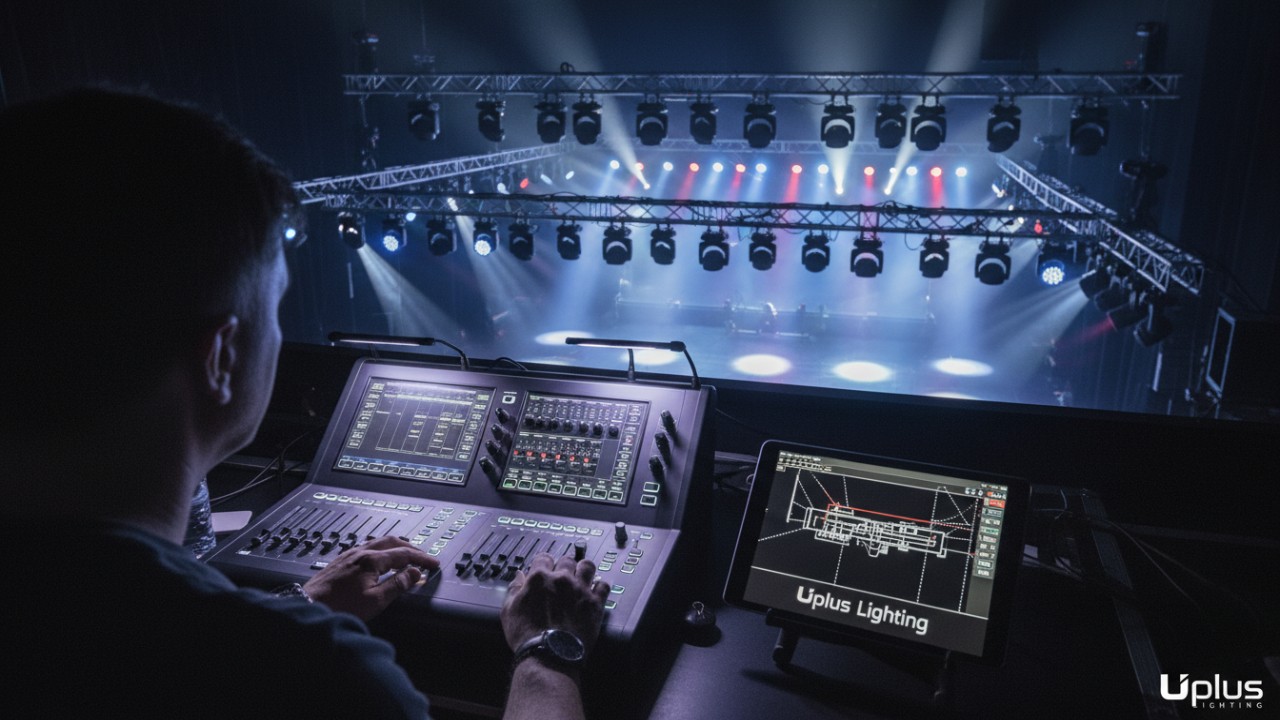
Achieving a flawless professional stage lighting setup requires matching LED refresh rates to camera shutters to prevent flicker, using proper DMX terminators to stop signal bounce, and overlapping beam angles effectively to eliminate harsh dark spots on performers.
Even with top-tier equipment, human error during deployment can ruin a show. Here is how the professionals avoid disaster:
- Mistake: Overloading DMX Chains: Novices often link too many fixtures together without using a proper 120-ohm terminator at the end of the line, or they split signals with Y-cables instead of an optical splitter. This leads to data reflection, causing lights to randomly strobe or drop signals.
- Tip: Match Refresh Rates for Cameras: Always ensure your fixture's PWM (Pulse Width Modulation) refresh rate is adjustable. You must match this frequency to the camera's shutter speed to ensure flicker-free performance in high-definition broadcast and live-stream environments.
- Mistake: Ignoring Beam Angle Overlap: Placing wash lights too far apart results in harsh dark spots and unevenly lit performers. Proper stage design dictates that the edges of your beam angles should overlap seamlessly to create an even field of illumination.
- Tip: Utilize Amber for Skin Tones: Standard RGB lights struggle to produce flattering light on human subjects, often resulting in sickly green or magenta casts. Utilize the amber and warm white diodes in your fixtures to create flattering, natural skin tones.
2026 Innovations: What the Competitors Are Missing
Leading 2026 innovations include silent fanless cooling for theatrical spaces, modular repairability to reduce electronic waste, and advanced COB LED fixtures that deliver massive lumen output from incredibly compact and low-profile fixture designs.
Staying ahead of the technology curve means looking beyond basic specifications. The cutting edge of lighting manufacturing is currently focused on:
- Extreme Miniaturization: COB LED fixtures (Chip-on-Board) pack multiple diode chips directly onto a single substrate. This creates a highly uniform, exceptionally bright, single-source beam that eliminates the multi-colored shadow effect seen in older, clustered-diode PARs.
- Silent Operation: Theatrical productions, operas, and broadcast studios are incredibly noise-sensitive. The shift toward fanless, convection-cooled die-cast designs and intelligent, ultra-quiet variable-speed fans is vital for maintaining pristine audio capture.
- Modular Repairability: Sustainability is a massive trend for 2026. Forward-thinking manufacturers are moving away from sealed, disposable units in favor of easily swappable diode engines, modular motherboards, and replaceable power supplies, significantly reducing long-term electronic waste.
Why Global Productions Trust Uplus Lighting for Stage Solutions
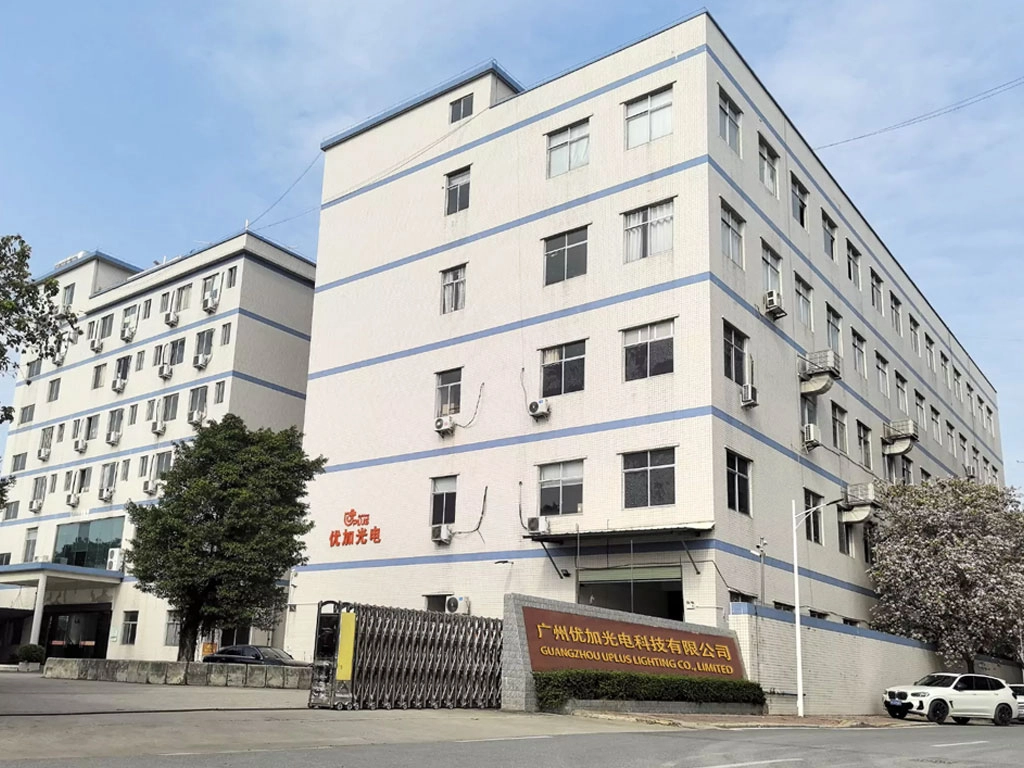
Since 2012, Guangzhou Uplus Lighting Co., Ltd. has been a trusted global manufacturer of high-end stage lighting, providing innovative, reliable, and customized lighting solutions for theaters, large concerts, and entertainment venues that demand rider-friendly performance.
When reliability is paramount, top-tier professionals turn to Uplus Lighting. Our expansive manufacturing capabilities ensure that your vision is supported by robust, road-tested hardware.
- A Decade of Manufacturing Excellence: Established in Guangzhou, China, we have spent over ten years mastering the research, development, and export of professional lighting, entertainment lighting, and theater lighting to meet the complex needs of the global entertainment industry.
- Extensive Product Range: Our catalog is engineered to cover every aspect of a production. We manufacture everything from moving head lights and strobe lights to led battery lights, static lights, led theatre lights, led follow spot lights, stage effect lights, and laser lights.
- Custom Solutions and OEM Mastery: We empower large rental companies, distributors, and project clients by offering full support for OEM orders and customized product development. Our skilled production team and strict quality control guarantee stable, consistent quality.
- Proven Global Track Record: Since 2015, our fixtures have been widely applied and trusted in major TV programs, opera houses, massive concerts, and high-profile live events both in China and internationally.
Conclusion
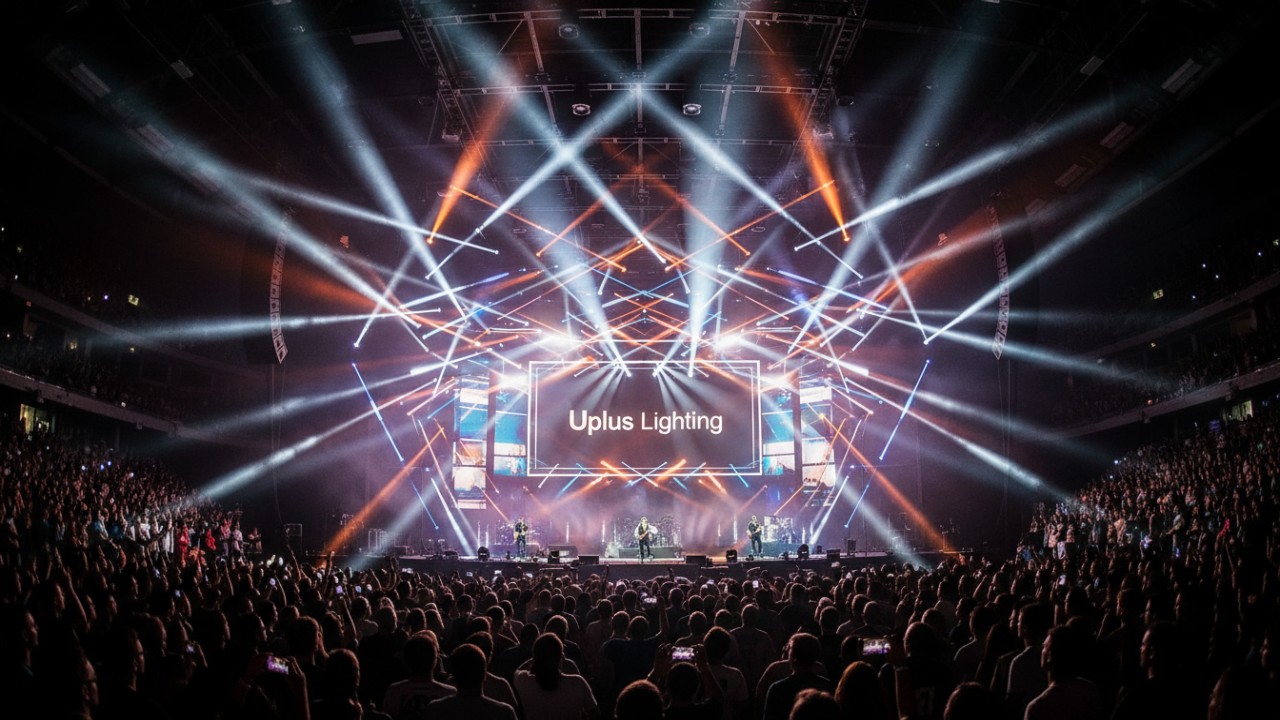
An led par light remains the foundational building block of any dynamic, professional stage lighting setup, evolving rapidly into 2026 with smarter controls and superior color mixing. Investing in high-quality, reliable fixtures ensures your venue or touring company stays efficient, visually stunning, and technologically future-proof. By understanding DMX protocols, prioritizing high CRI, and leveraging the latest COB technologies, you can elevate your production value while simultaneously reducing operating costs.
Contact us today to optimize your led par light strategy.
FAQs About led par light
What does PAR stand for in stage lighting?
PAR stands for Parabolic Aluminized Reflector. Originally, it referred to the sealed-beam lamps used inside the metal cans, though today it generally describes the cylindrical, directional wash fixtures used in stage lighting.
How many DMX channels does an LED Par light use?
The number of channels varies based on the light's complexity and the mode selected. Basic RGB lights might use 3 to 4 channels, while professional RGBWA+UV fixtures may use 7 to 12 channels to control color, dimming, strobing, and macro effects.
What is the difference between RGB, RGBW, and RGBWA+UV?
RGB uses Red, Green, and Blue diodes. RGBW adds a dedicated White diode for cleaner pastels and true white. RGBWA+UV includes Amber (for warmer tones) and Ultraviolet (for blacklight effects), offering the most comprehensive color mixing available.
Can I use indoor LED Par lights outside?
Indoor LED Par lights typically have an IP20 rating and should not be exposed to moisture. For outdoor use, you must use fixtures specifically rated IP65 or higher to protect internal electronics from rain, dust, and humidity.
How long do LED Par cans typically last?
High-quality LED diodes in professional Par cans are generally rated to last between 50,000 and 100,000 hours of continuous use, far outlasting traditional halogen bulbs which typically burn out after a few thousand hours.
Do I need a DMX controller to operate an LED Par light?
No. Most modern LED Par lights feature standalone modes such as sound-active, auto-run, and static color selection accessible via an LCD menu on the back of the unit. However, a DMX controller is required for synchronized programming and precise stage execution.
What is COB LED technology in par lighting?
COB stands for Chip-on-Board. It involves packing multiple LED chips directly onto a single substrate to form a single module. This creates a highly uniform, exceptionally bright light source that eliminates the multi-shadow effect seen in older multi-diode PARs.
Why do some LED lights flicker on camera, and how do I stop it?
Flicker occurs when the LED's PWM (Pulse Width Modulation) dimming frequency clashes with the camera's shutter speed or frame rate. To stop it, invest in professional-grade fixtures with high-frequency refresh rates (often adjustable) designed specifically for broadcast and film.
Energy Efficiency and Heat Management of 7r Beam Moving Head
How to Choose Beam, Spot, and Wash LED Moving Heads
Top 7 Moving Head Lights Compared: Power, Beam, Price
Best Moving Head Lights 2026: Buyer's Guide for Stage Pros
About Company
When was Uplus Lighting founded?
Uplus Lighting was established in 2022.
MH-B150
Is the oscillation angle adjustment precise and smooth?
360° all-around adjustment, precise positioning, and smooth oscillation process without any stuttering.
IP-WS500
Will it overheat during continuous use? How is the heat dissipation?
It has a built-in high-efficiency heat dissipation system, supporting long-term high-intensity operation without overheating risk, ensuring stability and reliability.
IP-WASH6125
Can beginners quickly learn how to use it without a professional control panel?
Supports easy modes such as auto-run and voice control. Preset lighting effects are activated upon power-on, requiring no professional knowledge, allowing beginners to quickly get started.
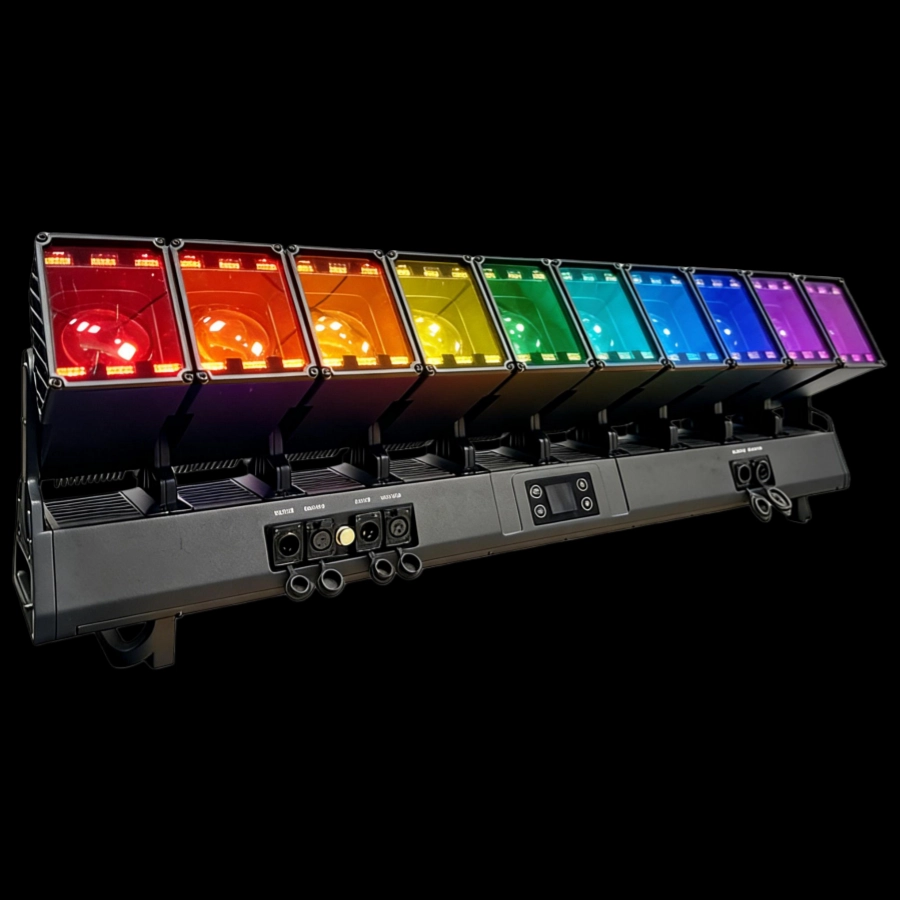
IP65 10*80W Pixel zoom bar moving head, with 10 high-power 80W LEDs, supports single-point pixel control + motorized zoom, with uniform beam and delicate coloring, and can achieve dynamic effects such as running lights, strobe, and pixel gradient. It is suitable for outdoor performances, cultural and tourism lighting, and stage background lighting.
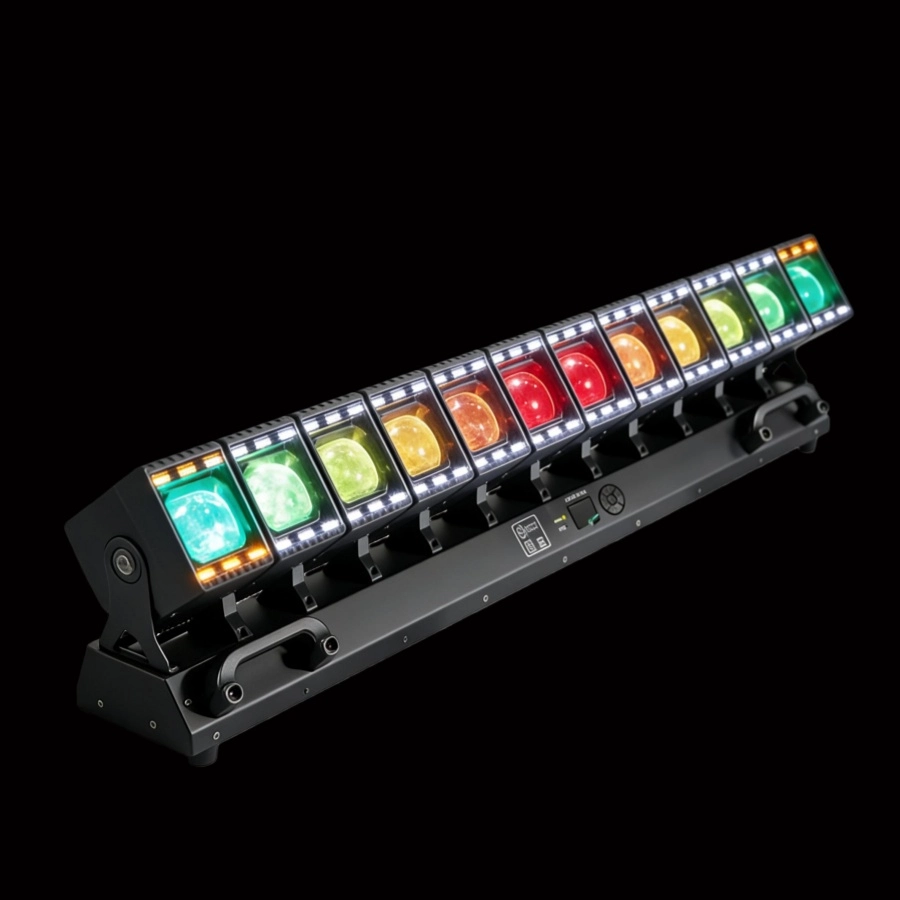
The 12*60W pixel zoom bar moving head features independent pixel light control for each bead, supporting precise zoom and distinct light effects, making it suitable for stages, bars, cultural and tourism lighting, and other scenarios.
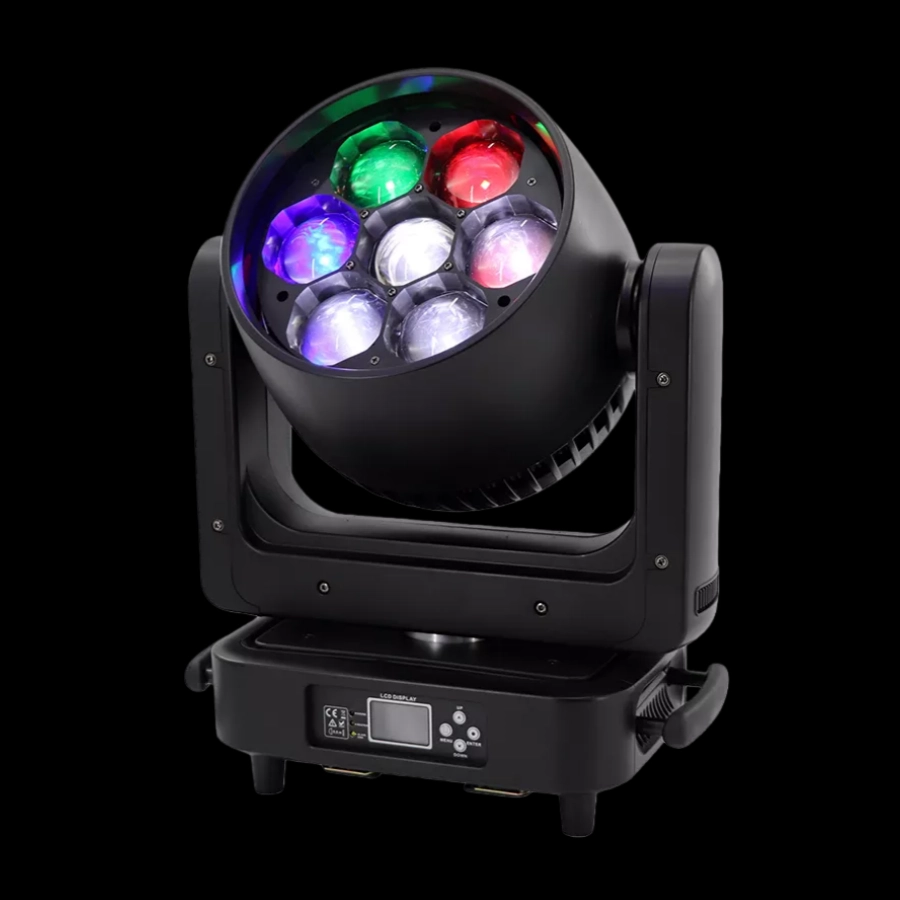
The 7*60W Wash zoom+Bee eye+kaleidoscope effect moving head is a multi-functional moving head light that integrates three special effects: color zoom, bee eye, and kaleidoscope. Seven 60W LEDs output powerful light effects, support DMX precise light control, and can switch between a variety of light and shadow modes. It has a stable structure and is suitable for professional stage scenes such as large-scale concerts, music festivals, and themed light shows.
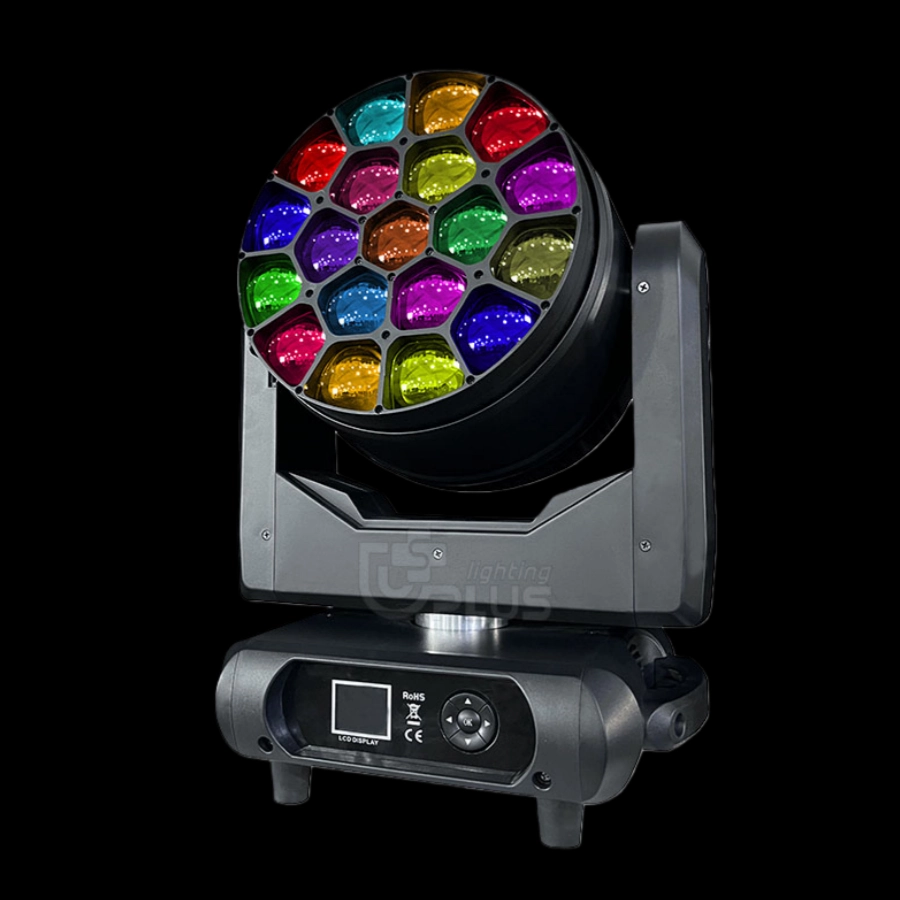
The K10 19*15W Wash Zoom & Bee Eye Moving Head features 19 15W RGBW LEDs, 4°-60° electronic zoom, and supports three modes: Wash Zoom, Beam Zoom, and Bee Eye Effect. It allows independent control of the LEDs and a rotating front mirror, enabling the creation of dynamic graphics such as petal opening and closing, and aerial dot matrix effects. With 540° horizontal and 210° tilt, it is suitable for multi-layered atmospheres and special effects in stage performances, variety show recordings, and bar parties.
If you have any comments or good suggestions, please leave us a message, later our professional staff will contact you as soon as possible.
Lighting Innovators
Uplus Lighting is a leading integrated company specializing in R&D, design, production, and sales of stage lighting solutions.
 Scan QR Code
Facebook
Instagram
YouTube
VK