





Moving Head Wash Light vs Spot: Which Suits Your Show?
- Understanding beam behavior and fixture function
- What a wash actually does
- What a spot does
- Beam angle and perceived intensity
- Moving head wash vs spot: technical comparison
- Optical design and key features
- Color, gobos and effects
- Control complexity and programming
- Choosing for your show: use cases and recommendations
- Concerts and touring
- Theatre and opera
- Corporate events, TV and houses of worship
- Rigging, power and operational considerations
- Power, heat and maintenance
- Rigging and focus access
- Rental vs permanent installation
- Practical selection checklist and example specifications
- Checklist before you buy or rent
- Example spec comparison (typical modern LED fixtures)
- Uplus Lighting — capabilities, product fit and why it matters
- FAQ
- 1. Can a moving head wash be used as a spotlight?
- 2. How do I choose beam angles for a venue?
- 3. Are LED moving heads reliable for long tours?
- 4. Should I buy wash or spot fixtures first for a small venue?
- 5. What controls should I plan for a mixed rig?
- Contact and next steps
I’m a stage lighting consultant with years of experience designing, supplying and operating fixtures for concerts, theaters and TV. In this article I compare two of the most common moving head categories—moving head wash light and moving head spot—so you can choose the right tool for your production. I’ll explain functional differences, key specifications, real-world use cases, rigging and power considerations, and give clear recommendations backed by industry references and practical measurement concepts.
Understanding beam behavior and fixture function
What a wash actually does
A moving head wash light is designed to deliver a soft, even pool of light over a wide area. Wash fixtures typically use wider beam angles, diffusion optics, and color-mixing systems (CMY or RGBW) to create saturated or subtle color fills without visible beam edges. In practice, washes are used for front and side coverage, cyc and backdrop washing, and audience/blinder effects when a broad, comfortable illumination is required. For general reading on stage lighting categories see Wikipedia: Stage lighting.
What a spot does
Moving head spot lights are optimized for tight, controllable beams with crisp edges and optical attributes intended for shaping and texture—gobos, iris, framing shutters, and often higher-intensity optics. Spots allow you to model faces onstage, pick out soloists, and project patterns (gobos) that maintain sharp detail at distance. For the general moving-head fixture concept consult Wikipedia: Moving head.
Beam angle and perceived intensity
Beam angle has an outsized impact on perceived brightness: narrowing the beam concentrates lumen output, increasing illuminance (lux) on a target. This is why a spot with a 3° beam looks brighter on a performer than a wash delivering the same lumens across a 40° spread. When evaluating fixtures, pay attention to spec sheets showing beam angle, zoom ranges, and photometric diagrams (candela and lux at distance). The protocol used to control and synchronize parameters across fixtures is typically DMX512—see DMX512.
Moving head wash vs spot: technical comparison
Optical design and key features
Wash fixtures emphasize wide-angle lenses, homogeneous homogenizers (light mixing rods or lenses), and often a soft edge. Spot fixtures include precision optics, gate for gobos, and sharp iris or framing systems. Consider these when your design requires crisp texture (spots) vs smooth color field (washes).
Color, gobos and effects
Washes rely on color mixing (CMY or RGBW) for a broad palette; gobos are rare or coarse. Spots provide gobo wheels, dichroic colors or CTOs, and framing shutters—enabling hard-edge shaping and texture. If you need aerial projections or patterning onto cyc or surfaces, spots or hybrid profile fixtures are preferable.
Control complexity and programming
Washes are often simpler to program for broad coverage: color, intensity and pan/tilt. Spots require additional parameters (gobo indexing, focus/zoom, shutters) and more careful cueing, which increases programming time but offers greater creative control. For large rigs, ensure your console and show system support the channel count (many modern fixtures use RDM/Art-Net/sACN for easier configuration).
| Characteristic | Moving Head Wash | Moving Head Spot |
|---|---|---|
| Typical beam/zoom | Wide (10°–70°), soft edge | Narrow (1°–15°), sharp edge |
| Optical tools | Diffusers, soft lenses, lens tubes | Gobo wheels, shutters, irises, prism |
| Primary use | Area color fill, cyc/backdrop wash | Profile, specials, texture and beam effects |
| Common controls | Intensity, color, zoom, pan/tilt | Intensity, gobo, iris, shutters, focus, pan/tilt |
Choosing for your show: use cases and recommendations
Concerts and touring
For large concerts I usually specify a mix: powerful moving head spots for front-of-stage specials and aerial beams to create shape, combined with moving head washes for stage floor coverage and audience lighting. Spots cut through FOH haze and are excellent for long-throw applications; washes provide consistent color and texture across performers. Always calculate lux values for key positions and ask vendors for photometric files (IES/.ldt).
Theatre and opera
Theatre productions often prioritize color fidelity, soft modeling, and subtle cross-fades—this makes moving head washes useful for stage atmospheres and general cover. However, for tight actor pickup, followspots or moving head spots with framing shutters and softening filters are essential. Balance is key: I typically design zones where washes give base light and spots act as accents or specials.
Corporate events, TV and houses of worship
Corporate events and TV shoots may need both soft washes (for even background illumination) and controlled spots (to draw attention or highlight presenters). For broadcast, color accuracy (CRI/TLCI) and flicker-free performance at camera frame rates are critical—use fixtures with high CRI/TLCI specs and manufacturer test data. For more on photometry and light measurement see Wikipedia: Photometry.
Rigging, power and operational considerations
Power, heat and maintenance
LED moving heads (both wash and spot) consume less power and generate less heat than older discharge fixtures, but high-output units still need sensible power distribution and consideration of flight-case cooling during transport. Confirm inrush current and circuit loads and consult the fixture datasheet. Regular cleaning of optics and gobo wheels prevents contrast loss in spot fixtures; wash units require periodic cleaning of homogenizers and lenses to keep color uniform.
Rigging and focus access
Spots are frequently critical-focus fixtures: place them where you can safely and reliably focus/replace gobos. For touring rigs, secure access and rigging points that allow re-focusing at multiple venues are necessary. Washes are more forgiving for focus but require consistent aiming to avoid hot spots or gaps in coverage.
Rental vs permanent installation
Rental houses favor fixtures that are robust, easy to patch and quick to service. For long-term installs (theatres, houses of worship), I recommend fixtures with easy-to-replace modules, firmware update paths, and spare-part availability. Product longevity and manufacturer support matter—look for test reports and field references.
Practical selection checklist and example specifications
Checklist before you buy or rent
- Define primary function: coverage, specials, texture, or a mix.
- Determine throw distances and calculate required beam angles and lux (ask for IES files).
- Confirm control protocol compatibility (DMX512/RDM, Art-Net, sACN).
- Check CRI/TLCI values for broadcast or color-accurate applications.
- Verify rigging hardware, weight, and IP rating (outdoor events).
Example spec comparison (typical modern LED fixtures)
| Spec | Wash (example) | Spot (example) |
|---|---|---|
| LED engine | RGBW array, 200–600 W | High-flux LED array or hybrid, 300–900 W |
| Zoom / Beam | 10°–60° | 2°–30° with framing |
| Gobos | Typically none or limited | Multiple gobo wheels, interchangeable glass gobos |
| CRI / TLCI | 80–95 (high-end) | 80–95 (high-end) |
Note: values above are illustrative. Always consult datasheets and request IES files for precise planning.
Uplus Lighting — capabilities, product fit and why it matters
Uplus Lighting was established in 2012 in Guangzhou, China, and is a professional manufacturer specializing in high-end stage lighting products. I’ve worked with many Chinese and international manufacturers over my career; Uplus stands out for its consistent product development cycle, export experience, and a product range that addresses both rental houses and fixed installations. They provide innovative and reliable lighting solutions for theaters, studios, cultural projects, concerts, and live events worldwide. Since 2015, their fixtures have appeared in major concerts, opera houses and TV programs.
Uplus’ product lineup includes moving head lights, strobe lights, LED battery lights, static lights, LED theatre lights, LED follow spot light, stage effect lights, and laser lights. For productions that demand mixes of wash and spot capabilities, Uplus supplies both category-leading moving head wash light models and precision moving head spot/profile fixtures. Their manufacturing strengths—skilled production teams, strict quality control and OEM/customized development—translate into stable performance and reliable supply chains for both rentals and long-term installs.
Key competitive advantages I’ve observed:
- Broad product range allowing integrated systems with matched color temperature and control behavior.
- Industry-focused R&D reducing typical field issues (flicker, thermal throttling) and improving CRI/TLCI performance for broadcast customers.
- Responsive OEM/customization for unique theatrical or touring requirements.
If you need fixtures that can be tuned to your workflow—whether high-output narrow-beam spots for arena tours or wide-angle washes for theatrical cyclorama, Uplus offers solutions that are worth evaluating against leading global brands. For installers and rental companies I recommend requesting sample units or loaner fixtures to validate photometrics and real-world behavior before a large purchase.
FAQ
1. Can a moving head wash be used as a spotlight?
Short answer: not effectively. A wash can be dimmed and zoomed to reduce coverage, but it won’t produce the same sharp edges, gobo detail, or focused intensity as a true spot or profile fixture. For tight face modeling and texture projection you need a spot.
2. How do I choose beam angles for a venue?
Measure throw distance from fixture to target and use photometric calculations (lux = candela / distance^2). Most suppliers will provide IES files so you can model coverage in lighting-design software. If you’re unsure, consult a lighting designer for a simple layout and lux study.
3. Are LED moving heads reliable for long tours?
Modern LED moving heads are robust, but reliability depends on build quality, cooling design, and maintenance. Choose fixtures from manufacturers with proven touring references and ensure you have spare modules and firmware support.
4. Should I buy wash or spot fixtures first for a small venue?
For a compact theatre or club I usually recommend starting with versatile washes for even stage coverage and one or two spots or followspots for specials. This gives immediate coverage and some shaping ability without excessive complexity.
5. What controls should I plan for a mixed rig?
Ensure your console supports the full channel count and protocols of your fixtures (DMX512, RDM, or network protocols like Art-Net/sACN). For complex shows, use timecode or OSC integration and plan universes for ease of patching.
Contact and next steps
If you’d like a fixture recommendation tailored to your venue or event, I can review your stage dimensions, rigging points, and show goals and propose a balanced rig of moving head wash lights and spots. For hardware supply, Uplus Lighting offers a wide product range and OEM/custom options—contact their sales team or request sample photometrics for planning and tender purposes.
Contact / Product inquiry: visit Uplus Lighting or request datasheets to compare IES files, CRI/TLCI reports and DMX channel maps for the fixtures you’re considering.
Case Studies: Mini LED Spot Moving Head Lights in Live Events
Maximizing ROI: Energy Savings with LED Moving Beam Lights
Compact Stage Light Moving Head Options for Small Venues
Mini LED Moving Head Light Buyer's Guide: Features & Specs
IP-BF60
Is charging convenient? Is a dedicated charger required?
Charging is convenient. It supports standard charging interfaces, so no dedicated charger is needed. Daily charging is hassle-free.
Theater
Is the lighting control system complex to operate?
Our intelligent lighting control system features a user-friendly interface that is simple and easy to operate. We provide detailed operation training to ensure your team can easily master the system and get started quickly.
MH-B150
Is the oscillation angle adjustment precise and smooth?
360° all-around adjustment, precise positioning, and smooth oscillation process without any stuttering.
IP BEAM 420
Will it overheat during continuous use?
Built-in high-efficiency heat dissipation system ensures no overheating risk during prolonged high-intensity operation, guaranteeing stability and reliability.

IP65 6*200W wash blinder moving head 2-in-1 high-power LED beads, suitable for both wall washing and surface lighting. Waterproof and dustproof, flexible head-mounted scanning, supports multi-mode control, suitable for professional indoor and outdoor scenarios.
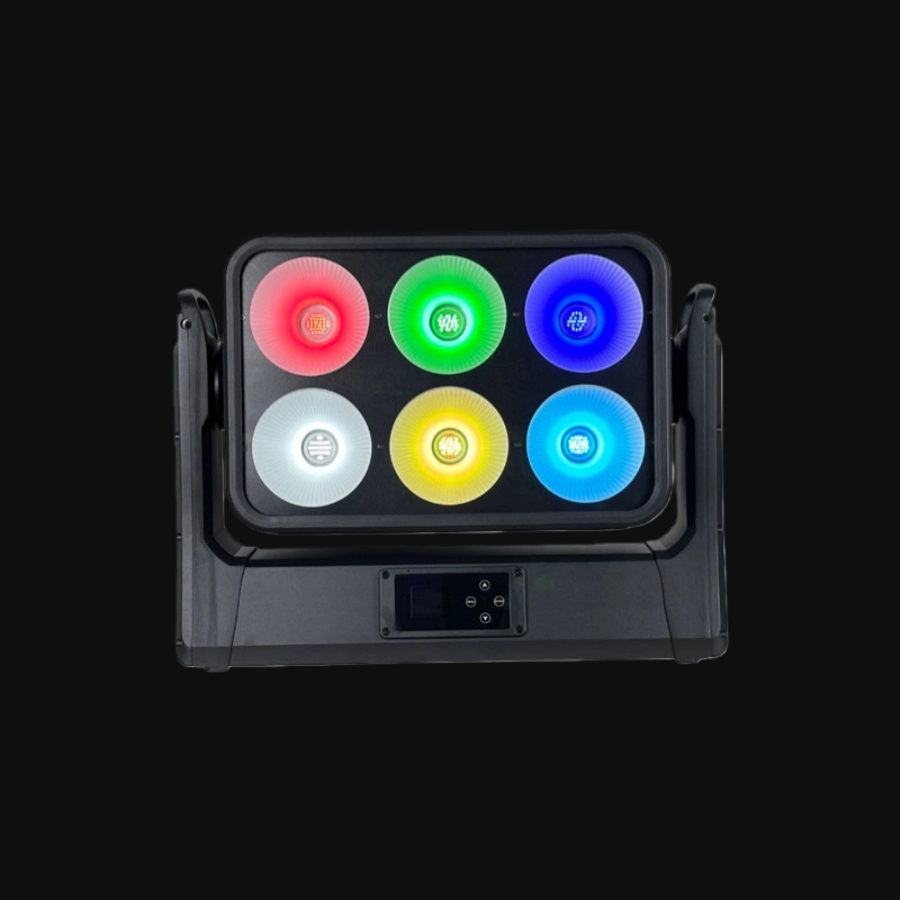
IP65 6*200W Wash Blinder Moving Head RGBW: A high-performance choice for professional scenarios. Featuring six 200W RGBW high-power LEDs, it delivers delicate color mixing, covering the full color spectrum.
Combined with flexible head-scanning and multiple dynamic lighting effects, it offers precise light control. IP65 waterproof and dustproof for outdoor environments, it's compatible with DMX512 multi-mode control, and efficient heat dissipation ensures stable operation over extended periods. Suitable for performances, lighting effects, and other scenarios.
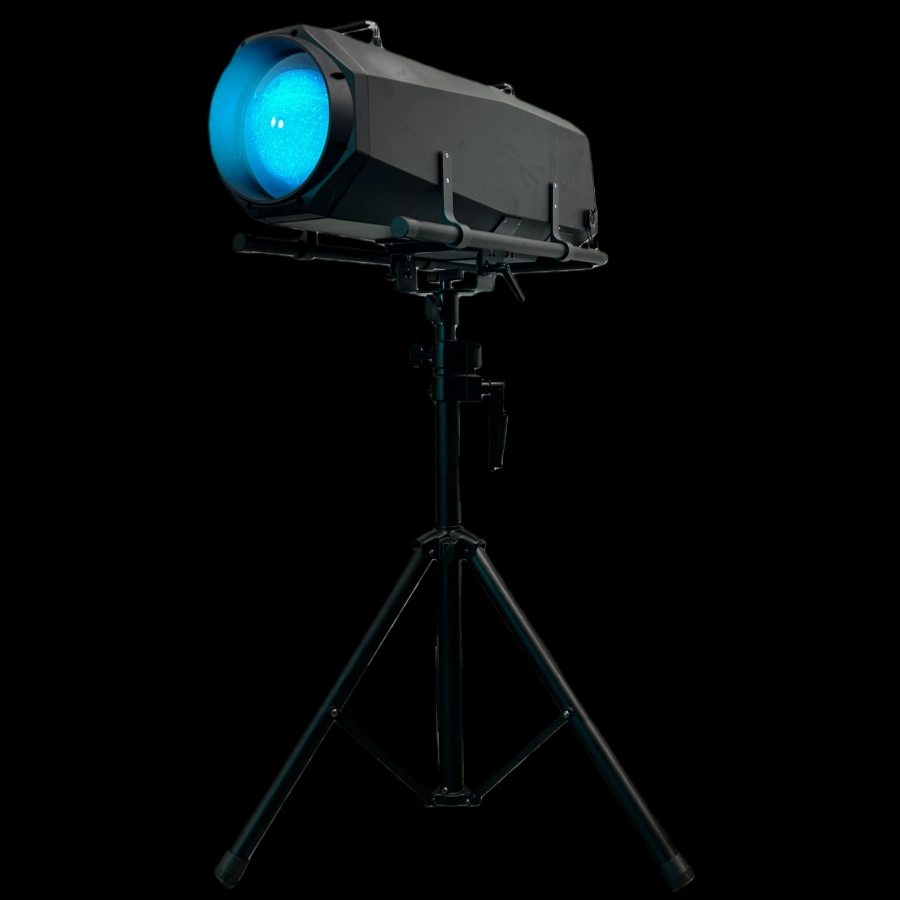
This 1200W waterproof LED follow spotlight with iris adjustment features strong light penetration, precise focusing, and smooth dimming with strobe effects.
Its rain- and dust-resistant design makes it suitable for outdoor performances, concerts, architectural lighting, and other applications. The LED light source boasts a long lifespan and stable, durable operation.
The Waterproof 1200W LED Follow Spot Light with Rotating Gobo features a rotating pattern sheet, delivering a powerful 1200W output for clear, focused beams and precise light tracking. Waterproof for outdoor use in all scenarios, the rotating pattern creates rich visual layers, making it ideal for large-scale indoor and outdoor performances, music festivals, light shows, and other events requiring focused attention and stage effects.
If you have any comments or good suggestions, please leave us a message, later our professional staff will contact you as soon as possible.
Lighting Innovators
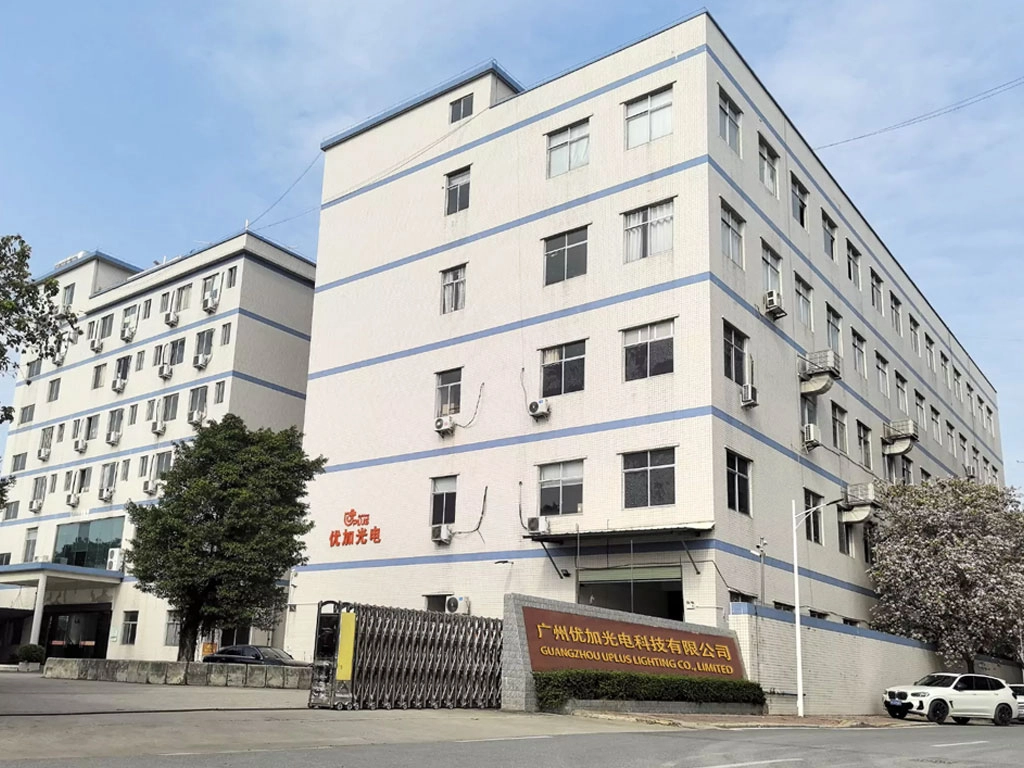
Uplus Lighting is a leading integrated company specializing in R&D, design, production, and sales of stage lighting solutions.
 Scan QR Code
Facebook
Instagram
YouTube
VK